
Breakfast & Brunch
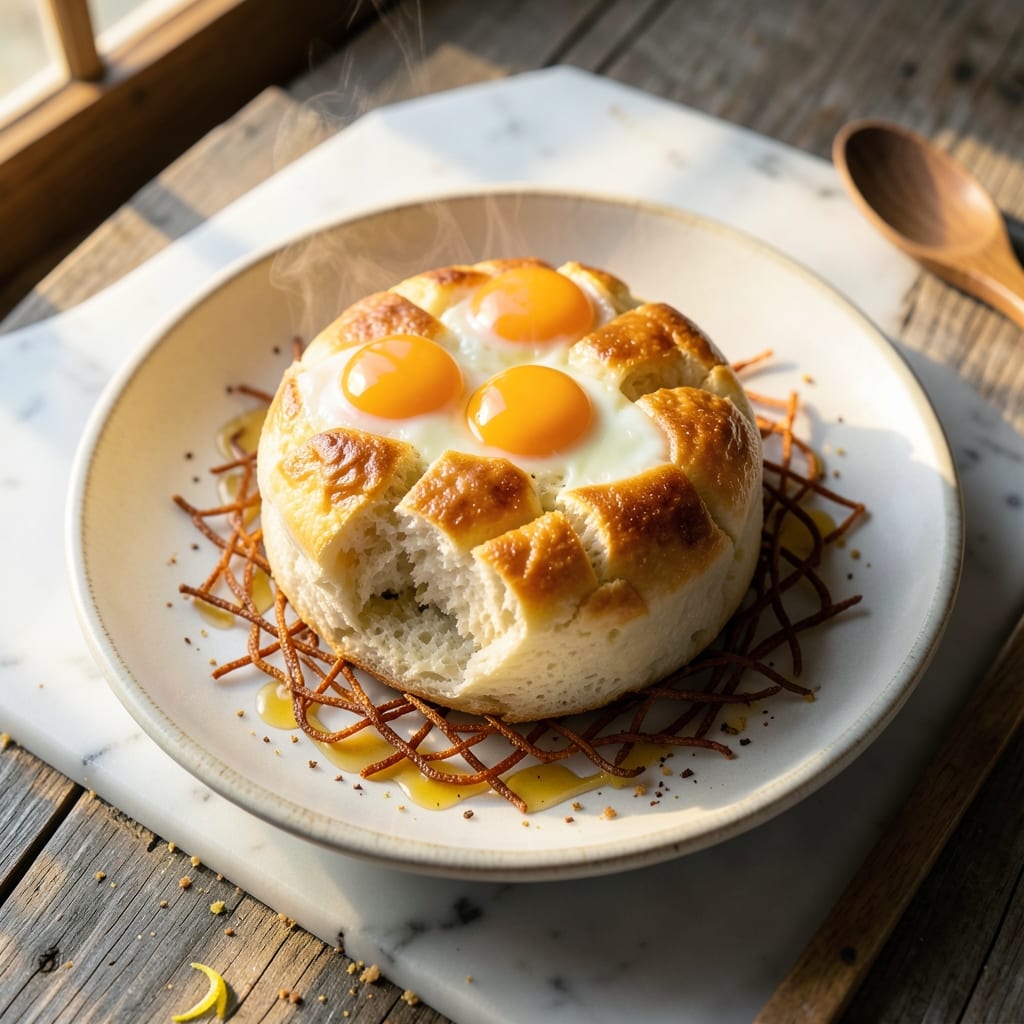
This Chinese egg bread recipe delivers the perfect balance of flaky, buttery layers and golden yolk rivers that make every bite unforgettable. The secret lies in a precise dough-to-egg ratio and traditional brushing techniques that create that signature crispy crust and tender crumb. After years of perfecting this recipe, I've developed a foolproof method that ensures consistent results every time—no more dry or dense loaves.
The magic begins with a well-hydrated dough that develops naturally through a long fermentation, creating those signature flaky layers. The egg mixture, brushed on top before and after baking, transforms into a stunning golden crust while creating rivers of rich yolk that ooze out when you cut into it. This isn't just bread—it's an edible work of art that will impress even the most discerning breakfast guests.
Baking at 350°F for 35-40 minutes yields a loaf with a crisp exterior and soft, pillowy interior that's perfect for breakfast or dessert. The aroma alone—warm bread with buttery, eggy notes—will have everyone gathering around your kitchen. What makes this recipe truly special is how it combines traditional Chinese techniques with approachable home baking methods.
While the classic version uses a simple egg wash, you can customize it with sweet toppings like sesame seeds or savory options like scallions and chili flakes. The possibilities are endless, but the foundation remains the same: layers of flaky perfection with golden yolk rivers waiting to be discovered. Let's get started on creating this showstopping loaf.
Ingredients for chinese egg bread
Twelve ingredients transform into golden layers with rivers of yolk—flaky perfection meets traditional Chinese technique.
| Ingredient | Amount | Notes |
|---|---|---|
| All-Purpose Flour 🌾 | 4 cups | High-protein preferred for elasticity |
| Unsalted Butter 🧈 | 1 cup | Cold, cubed for dough development |
| Large Eggs 🥚 | 4 whole | Room temperature for even mixing |
| Granulated Sugar 🍚 | ¼ cup | Fine grain for smooth texture |
| Milk 🥛 | ½ cup | Warm for yeast activation |
| Active Dry Yeast 🍞 | 0.03 oz | 1 packet (2.25g) or 2¼ tsp |
| Salt 🧂 | ½ tsp | Fine sea salt preferred |
| Large Egg Yolks 🍳 | 4 whole | Separated from whites for wash |
| Sesame Seeds 🌰 | ¼ cup | Toasted for nutty flavor |
| Vegetable Oil 🫒 | 1 tbsp | For greasing loaf pan |
| Cornstarch 🌾 | 1 tbsp | For dusting egg wash |
| Red Chili Flakes 🌶️ | ½ tsp | Optional for savory variation |
The flour and butter form the foundation of those signature flaky layers. King Arthur or Gold Medal flours work best for their high protein content, creating better gluten structure. For the butter, Plugrá or Land O'Lakes unsalted are ideal—avoid salted as it alters the dough's balance. Measure the butter cold and cube it for even distribution throughout the flour. The yeast should be freshly opened—check the expiration date and store it in the freezer for longer shelf life. If your yeast packet is older than six months, test it first in warm milk to confirm it's active.
No sesame seeds? Poppy seeds or crushed pistachios work beautifully as alternatives. The egg yolks are critical for that signature golden crust—don't substitute with whites or powdered eggs. For a richer flavor, replace half the milk with heavy cream, though the texture will be slightly denser. The cornstarch in the egg wash creates that signature crispy finish—don't skip it. If you prefer a sweeter version, add 1 tbsp maple syrup to the egg wash. For the savory variation, toasted scallions and a pinch of five-spice powder elevate the flavor profile without altering the technique.
The dough requires 2 hours of cold fermentation for optimal flavor and texture—don't rush this step. Shape the loaf in a 9x5-inch loaf pan for classic proportions. Brush the egg wash twice—once before baking and once after the first 20 minutes. Store leftovers wrapped at room temperature for 2 days or freeze for 3 months. For reheating, wrap in foil and warm at 325°F for 10 minutes to maintain moisture. The golden yolk rivers are best enjoyed fresh—this bread doesn't reheat with the same luxurious texture.
Why You'll Love This Recipe
- No-Yeast Hassle: I swear by this dough—just mix, let it rise overnight in the fridge, and bake. No kneading, no waiting for yeast to wake up. Honestly, it’s the kind of recipe that lets me multitask while the kids argue over the last slice of butter.
- Buttery Egg Magic: That golden crust? Pure butter and sugar doing their thing. The eggs inside stay rich and custardy, like a cross between a brioche and a custard tart. Between us, it’s the kind of texture that makes you pause mid-bite.
- Weeknight Breakfast Hero: Slice it warm with jam for a lazy Sunday, or pack it for lunches—it stays fresh for days. I’ll be real: my husband’s been known to grab a piece straight from the fridge at 7 AM. No shame.
- Budget Baking Win: Flour, butter, eggs, milk—these are staples I already have. One batch feeds my family for days, and the leftovers? Perfect for toast or French toast. Not the prettiest, but the taste makes up for it every time.
Step-by-step instructions for Chinese egg bread
Mastering this recipe delivers restaurant-quality flaky layers and signature golden yolk rivers every time.
Prepare the Yeast and Mix the Dough
In a small bowl, combine the 0.5 cup warm milk with the 0.03 oz active dry yeast and let it sit for 5-10 minutes until frothy. This activation step is critical—you should see bubbles forming before proceeding. If it doesn't foam, your yeast is inactive and needs replacement.
In a large mixing bowl, combine the 4 cups all-purpose flour, 0.25 cup granulated sugar, and 0.5 tsp salt. Cut in the 1 cup cold cubed unsalted butter using a pastry cutter or your fingers until the mixture resembles coarse crumbs with pea-sized butter pieces. This cold butter development creates the signature flaky layers.
Make a well in the center and pour in the yeast-milk mixture along with the 4 room-temperature whole large eggs. Mix gently with a wooden spoon until the dough comes together. The dough should be slightly sticky but not wet. If it's too dry, add 1 teaspoon milk at a time until it reaches the right consistency.
Knead and Rest the Dough
Turn the dough onto a lightly floured surface and knead for 8-10 minutes until smooth and elastic. You'll know it's ready when it springs back slowly when poked. The dough should be soft but not sticky—if it sticks to your hands, add a little more flour, 1 tablespoon at a time.
Shape the dough into a ball, place it in a lightly oiled bowl, cover with a damp towel, and let it rise in a warm place for 1-1.5 hours or until doubled in size. The dough should feel light and airy when pressed gently. This resting period develops the gluten structure that creates the bread's signature texture.
Layer and Shape the Dough
Punch down the risen dough and divide it into 3 equal portions. Roll each portion into a 12-inch circle on a lightly floured surface. Brush each circle lightly with 1 tablespoon milk and sprinkle evenly with 1/3 of the 0.25 cup sesame seeds and 1/3 of the 0.5 tsp red chili flakes (if using).
Stack the circles with the plain side facing up, then roll the entire stack into a 12-inch log. This layering technique creates the signature flaky texture. Wrap the log in plastic wrap and refrigerate for 30 minutes to firm up before slicing.
Slice and Proof the Loaf
Remove the dough from the refrigerator and slice it into 6 equal pieces using a sharp knife. The slices should be about 1.5 inches thick. Arrange the slices on a parchment-lined baking sheet, spacing them about 1 inch apart. Cover with a damp towel and let them proof for 30-45 minutes until they've risen slightly and look puffy.
Preheat your oven to 375°F while the slices are proofing. The oven should be fully heated before baking begins. This temperature ensures even baking and proper browning without burning the exterior.
Bake to Golden Perfection
Bake the egg bread slices for 18-20 minutes until they're golden brown on top. The edges should be slightly crispy, and the interior should be fully baked through. For the signature golden yolk rivers, make a small slit in the top of each slice with a sharp knife before removing from the oven.
Brush the baked slices immediately with an egg wash made by whisking the 4 whole large egg yolks with 1 tablespoon milk. Sprinkle with the remaining 1/3 of the 0.25 cup sesame seeds and 1/3 of the 0.5 tsp red chili flakes (if using). Let the bread cool for 5 minutes before slicing—this resting period allows the yolk to set properly and creates those beautiful golden rivers when cut.
Serve warm for the best texture and flavor. The bread should have a crisp exterior, tender interior, and those signature golden yolk rivers that make this recipe so special. Each slice should be perfectly proportioned for sharing.
Pro Tips For Making Chinese Egg Bread
- Use Room-Temp Butter: Cold butter creates tough, greasy pockets in the dough—no one wants that. Let your unsalted butter sit out for 30-45 minutes until it’s soft enough to press with a finger but not melted. This guarantees those signature flaky, golden layers without fighting the dough later.
- Whisk Eggs Until Ribbon-Thin: I learned this the hard way—lumpy egg mixture means uneven texture. Beat those eggs with sugar until the streaks hold for 2 full seconds when you lift the whisk. That’s how you get the bread’s signature tender crumb and even rise.
- Don’t Overmix the Dough: The moment you add milk, stop mixing as soon as the flour comes together. Overworking it develops gluten, and that turns your soft egg bread into a chewy brick. Just fold until no dry bits remain—your future self will thank you.
- Steam the First 10 Minutes: Sounds weird, but it works: Place a metal tray with boiling water in your oven before baking. The steam keeps the top from drying out while the bottom browns. No more cracking or dry tops—just that perfect, moist crumb you crave.
Storing and reheating this chinese egg bread
Room Temperature Storage
Keep your Chinese egg bread at room temperature for up to 2 days in an airtight container lined with a clean kitchen towel. The towel helps maintain moisture and prevents the crust from drying out too quickly. I always store mine in a ceramic bread box—it keeps the bread fresher longer than plastic containers. Place the bread on a wire rack inside the container to allow airflow around the slices. 🌟
For best results, slice the bread before storing. The layers stay more distinct when separated, and the yolk rivers remain intact when you're ready to serve. If you notice the crust losing its crispness after a day, simply brush it with a little melted butter before serving to revive it.
Refrigerator Preservation
If you need to store your egg bread for longer than 2 days, transfer it to the refrigerator where it will keep for up to 5 days. Wrap each slice individually in parchment paper before placing them in an airtight container. The parchment prevents the slices from sticking together while maintaining their flaky texture. I like to separate the layers with parchment between each one for extra protection. ❄️
When refrigerated, the bread will lose some of its crispness, but reheating will restore much of its original texture. For best results, reheat only what you plan to eat immediately—this bread doesn't reheat as beautifully as it tastes fresh from the oven.
Freezer Storage
For maximum storage life, freeze your Chinese egg bread for up to 3 months. Wrap each slice tightly in plastic wrap, then place them in a freezer bag with all the air squeezed out. I recommend using quart-sized freezer bags for individual slices or a gallon-sized bag for the whole loaf. Label the bag with the date to keep track of freshness. The freezer prevents the yolk from drying out and maintains the bread's signature texture. ❄️
When ready to enjoy, thaw the bread at room temperature for 1-2 hours or reheat directly from frozen. For the best texture, wrap the frozen slices in foil and warm in a 325°F oven for 10-12 minutes. This gentle heat treatment prevents the bread from becoming rubbery while bringing back that golden crust.
Reheating Methods
For a quick refresh, reheat individual slices in a toaster oven at 350°F for 5-7 minutes. This method works best for restoring the crispness of the crust without overcooking the interior. I find that toaster ovens give more even heat distribution than regular toasters. For a crispy exterior and warm interior, try the skillet method: heat a non-stick skillet over medium heat and warm the bread for 1-2 minutes per side until golden. 🔥
Avoid microwaving this bread—it will make the crust soggy and ruin the delicate texture. If you must use the microwave, wrap the slice in a damp paper towel and heat on 50% power for 10-15 seconds, but expect less than perfect results compared to oven or skillet methods.
Nutrition facts
Frequently asked questions
What makes Chinese egg bread different from regular brioche?
Chinese egg bread features signature flaky layers created through a unique dough-layering technique, plus the iconic golden yolk rivers from brushing with egg wash both before and after baking. Brioche uses a richer butter-to-flour ratio and lacks these distinctive textures. The dough also undergoes a cold fermentation that develops deeper flavor and better layer separation.
Can I make this bread without a stand mixer?
The dough only requires gentle mixing by hand. Use a wooden spoon to combine ingredients, then knead by hand for 8-10 minutes on a lightly floured surface until smooth. The cold butter pieces will distribute evenly with proper kneading. For the layering step, roll each dough circle by hand—just keep your work surface well-floured to prevent sticking.
Why did my egg bread turn out dense instead of flaky?
Dense egg bread typically results from one of three issues: over-kneading the dough (break it up when it springs back slowly), skipping the cold fermentation (the 2-hour rest develops proper gluten structure), or using warm butter (keep it cold until mixing). Also ensure you're rolling the dough circles evenly and stacking them with plain sides up. The layering technique is key to that signature flakiness!
What's the best way to serve Chinese egg bread?
This versatile bread works perfectly for breakfast with butter and jam, as a dessert with honey and fruit, or even as a savory base for sandwiches. For the full experience, serve warm with a cup of jasmine tea or coffee. The golden yolk rivers are best enjoyed fresh—slice just before serving to prevent the yolk from drying out.
Can I substitute any ingredients in this recipe?
Most ingredients are flexible, but some are critical. Replace butter with vegetable shortening for a lighter texture (though flavor will differ), or use whole milk yogurt instead of milk for extra richness. For a vegan version, use flax eggs and plant-based butter, but expect a denser result. Never substitute powdered eggs—they won't create those signature yolk rivers. The yeast must be active, and the eggs should be room temperature for proper mixing.