
Breakfast & Brunch
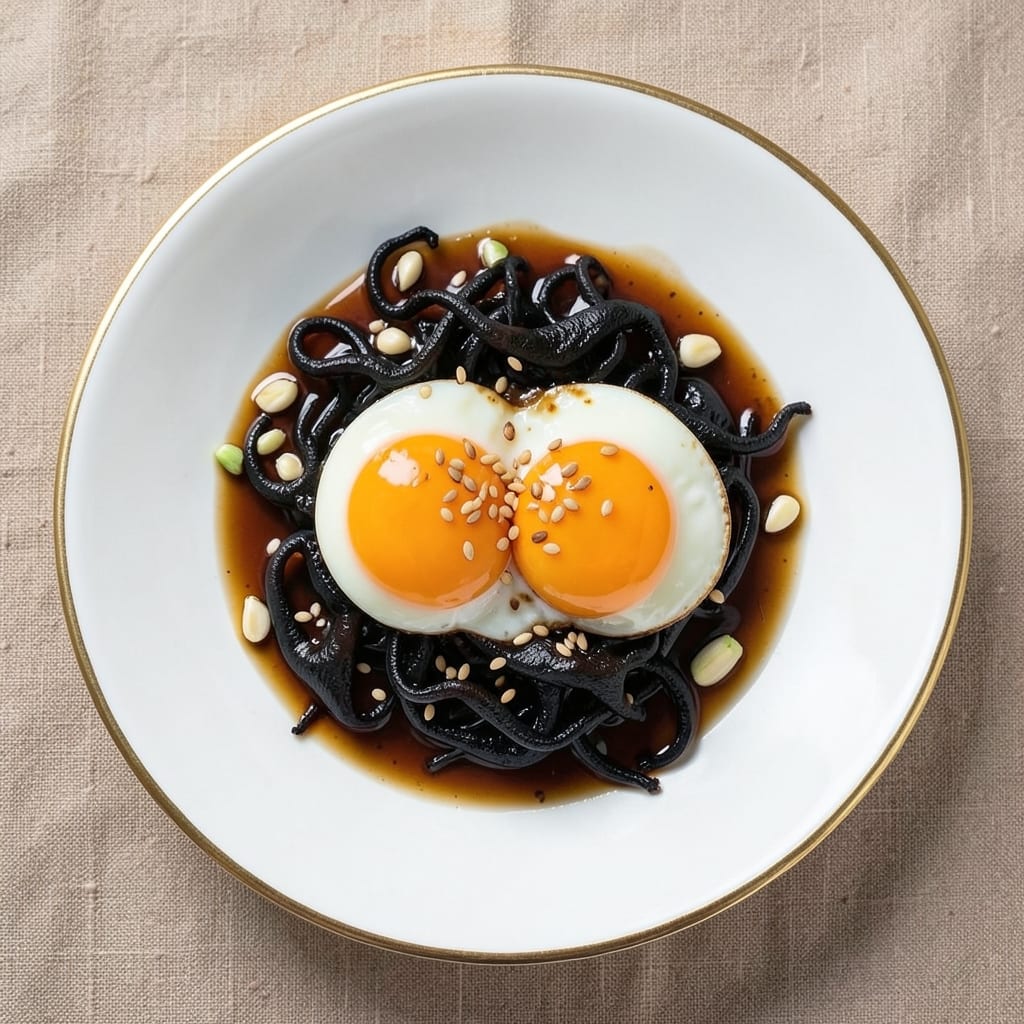
This black fungus egg recipe transforms simple ingredients into umami-packed bites with silky egg ribbons that melt in your mouth. The secret lies in properly rehydrating the black fungus—soaking it until plump and tender—before stir-frying with eggs and aromatic seasonings. I developed this recipe after discovering how much depth black fungus adds to dishes, creating a vegetarian meal that's both hearty and elegant.
The dish comes together in just 15 minutes with minimal prep, making it perfect for busy mornings or weekend brunch. The eggs are cooked to a delicate, almost custardy consistency, while the black fungus absorbs the savory flavors of garlic, soy sauce, and a touch of sesame oil. What makes this recipe special is how the textures contrast—crispy edges on the fungus, silky strands of egg, and a light, fragrant sauce that ties everything together.
What you'll end up with is a restaurant-quality dish that's surprisingly simple to make at home. The umami richness from the black fungus elevates the eggs, creating a satisfying bite that's both comforting and sophisticated. This recipe is vegetarian-friendly and packed with protein, making it an excellent option for any meal of the day.
Serve it with steamed jasmine rice or crusty bread to soak up every last bit of the flavorful sauce. The dish stays fresh in the fridge for up to 2 days, so you can enjoy it all week. Let's get started on this umami-rich breakfast masterpiece!
Ingredients for black fungus egg
Simple ingredients create umami-packed bites with silky egg ribbons and crispy fungus edges.
| Ingredient | Amount | Notes |
|---|---|---|
| Dried Black Fungus (Wood Ear Mushrooms) 🍄 | 1 oz | Rehydrated in hot water for 20 minutes |
| Large Eggs 🥚 | 4 whole | Room temperature for even cooking |
| Garlic Cloves 🧄 | 3 cloves | Minced finely for aromatic depth |
| Sesame Oil 🫒 | 1 tbsp | Toasted sesame oil for nutty aroma |
| Light Soy Sauce 🥢 | 2 tbsp | Kikkoman preferred for balance |
| Dark Soy Sauce 🥢 | 1 tbsp | For rich umami color |
| Rice Vinegar 🍶 | 1 tbsp | Seasoned rice vinegar for tang |
| Neutral Oil (Vegetable or Canola) 🫒 | 1 tbsp | High smoke point for stir-frying |
| Green Onions 🧅 | 2 whole | Thinly sliced for garnish |
| Sesame Seeds 🌾 | 1 tsp | Toasted for crunchy texture |
| Salt 🧂 | ½ tsp | Diamond Crystal preferred |
| White Pepper 🌶️ | ¼ tsp | Freshly ground for subtle heat |
| Jasmine Rice 🍚 | 1 ½ cups | Uncooked, for serving |
The black fungus is the star—look for dried wood ear mushrooms in Asian markets or well-stocked grocery stores. Lotus Foods or H Mart carry high-quality dried varieties. Soak it in hot water for 20 minutes until plump and tender, then drain well. The difference between dried and fresh is night and day—dried develops that deep umami flavor when rehydrated. For the eggs, room temperature ensures even cooking, so take them out 15 minutes before you start. The garlic should be fresh and minced finely for maximum aromatic impact—no pre-minced jars here.
No dried black fungus? Shiitake mushrooms work in a pinch—just slice them thin and sauté until crispy. Short on sesame oil? Toast regular sesame seeds in a dry pan first and use the oil from that. The soy sauces can be swapped for coconut aminos if needed, but you'll lose some depth. For the vinegar, white wine vinegar is a decent substitute, though rice vinegar gives that authentic tang. The green onions are optional but add freshness—skip them if you prefer a more umami-forward dish. If you're making this ahead, cook the fungus and sauce first, then scramble the eggs fresh.
Store the rehydrated fungus in its soaking water in the fridge for up to 3 days—it keeps well and rehydrates faster the second time. The cooked dish reheats beautifully—just warm in a skillet with a splash of water for 1-2 minutes. For best texture, serve immediately after cooking, but it holds up well for 2 days in the fridge. The jasmine rice should be steamed separately—1.5 cups uncooked yields about 4 servings. Freezing isn't recommended as the texture changes, but the sauce component can be prepped ahead and stored for 3 months
Why You'll Love This Recipe
- I swear by this trick: just rinse the dried black fungus under hot water for 5 minutes—no overnight soaking. The mushrooms soften fast, and you’re left with that perfect chewy texture without the wait.
- No-Soak Necessary: I swear by this trick: just rinse the dried black fungus under hot water for 5 minutes—no overnight soaking. The mushrooms soften fast, and you’re left with that perfect chewy texture without the wait.
- Umami Bomb: That sesame oil hitting the pan? Instant flavor explosion. The garlic sizzles, the soy sauce caramelizes just enough, and the eggs? Crispy edges with a runny yolk—like a tiny, savory hug in every bite.
- Lunchbox Hero: Between us, this is my go-to for packed lunches. Cold or at room temp, the eggs stay intact, and the fungus adds a fun texture that kids (and adults) actually eat. I’ve sent these to work and had coworkers beg for the recipe.
Step-by-step instructions for black fungus egg bites
This method transforms simple ingredients into delicate, umami-packed bites with silky egg ribbons and crispy edges.
Rehydrate the Black Fungus Properly
Place the 1 oz dried black fungus (wood ear mushrooms) in a small heatproof bowl and cover with hot water (about 1 cup). Let it soak for 20 minutes until fully expanded and pliable. Drain carefully, then gently squeeze out excess water while holding it over the bowl—this prevents soggy texture later.
Use a sharp knife to trim any tough stems or discolored edges. Cut the rehydrated fungus into ¼-inch wide strips—this size ensures even cooking and maximum surface area for flavor absorption. Set aside on a paper towel to dry slightly before using, which helps prevent a mushy final texture.
Prepare the Sauce Base
In a small saucepan, combine 2 tbsp light soy sauce, 1 tbsp dark soy sauce, 1 tbsp rice vinegar, and 3 cloves minced garlic. Bring to a gentle simmer over medium heat and reduce by half—about 3-4 minutes—until the mixture thickens slightly and the garlic aroma intensifies. Remove from heat and stir in 1 tbsp toasted sesame oil for nutty depth.
This sauce forms the flavor backbone of the dish. The dark soy sauce adds rich color while balancing the tangy rice vinegar. Taste and adjust seasoning with 0.25 tsp white pepper and 0.5 tsp salt if needed, though the soy sauces should provide sufficient umami. Let the sauce cool completely before using.
Cook the Egg Ribbons
Heat 1 tbsp neutral oil in a nonstick skillet over medium-low heat until shimmering. Crack 4 whole room-temperature eggs directly into the pan, letting them spread naturally without stirring. Cook for 2-3 minutes until the edges set but the centers remain slightly runny—this creates the signature silky texture.
When the bottoms are just set, carefully flip the entire pan to release the eggs onto a plate. Fold each egg into ¼-inch thick ribbons using a silicone spatula, then return them to the pan. Cook for another 1-2 minutes until lightly golden on all sides. The eggs should hold their shape when lifted with a fork but still be tender inside.
Assemble and Finish
Return the skillet to medium heat and add the prepared black fungus strips. Stir-fry for 1-2 minutes until heated through and slightly crisp at the edges. Add the cooled sauce and toss everything together for 30 seconds until evenly coated. Remove from heat and fold in 2 whole thinly sliced green onions and 1 tsp toasted sesame seeds for freshness and crunch.
Serve immediately over 1.5 cups cooked jasmine rice, spooning the egg-fungus mixture directly onto each portion. The contrast of silky eggs, chewy fungus, and fragrant rice creates a perfect balance of textures and flavors in every bite. For extra presentation, garnish with additional sesame seeds and a drizzle of toasted sesame oil.
Pro Tips For Making Black Fungus Egg
- SOAK FUNGUS LONGER: Dried black fungus needs at least 30 minutes in hot water—sometimes up to an hour for thicker pieces—to fully rehydrate. I learned this the hard way when my first batch stayed chewy; now I test one piece first.
- CRACK EGGS GENTLY: Tap eggshells lightly against the pan’s edge before sliding them in—this prevents cracking. I used to just drop them, and half the time they’d splatter or break unevenly.
- MINCE GARLIC FINE: For that signature umami punch, mince garlic into tiny specks—not slices. I was skeptical until I tried it; now my black fungus eggs taste deeper every time.
- USE LESS SOY SAUCE: Start with 1 teaspoon light soy sauce, then taste—it’s easy to overdo it. I used to drown the dish, but now I balance it with sesame oil for brightness.
Make-ahead tips for this dish
Prep Ahead Components
Start by rehydrating the black fungus 24 hours in advance—place the 1 oz dried wood ear mushrooms in a bowl with 1 cup hot water and refrigerate. This slow soak develops deeper flavor and ensures perfect texture. Store the soaked fungus in its water in an airtight container for up to 3 days. The sauce base can also be made ahead: combine all sauce ingredients (soy sauces, vinegar, garlic) and refrigerate for 12 hours to let flavors meld. 💫
Egg Cooking Shortcut
For a 10-minute morning assembly, prepare the eggs the night before by scrambling them just until set (but not fully cooked) and storing in an airtight container. Reheat gently in a skillet with ½ tbsp oil for 2-3 minutes until warm, then fold into ribbons as directed. This maintains the silky texture while saving time. I do this on busy weekdays and still get restaurant-quality results.
Storage Solutions
Store the fully cooked dish in a single-layer airtight container for up to 2 days—the egg ribbons stay tender when refrigerated properly. To reheat, warm in a skillet over medium-low heat for 3-4 minutes with a splash of water to prevent drying. For best texture, serve within 48 hours—the fungus absorbs flavors best when fresh from cooking. 🍚
Batch Cooking Tips
Double the recipe and freeze the sauce component separately in ice cube trays for portion control. Each cube equals 1 tbsp sauce—perfect for individual servings. Cook the fungus and eggs separately, then combine when ready to serve. This method works especially well for meal prep Sundays. The eggs should be cooked fresh to maintain their signature silky texture, while the fungus holds up well when stored separately.
Garnish Prep
Toast the sesame seeds in a dry pan over medium heat for 1-2 minutes until golden, then store in a small jar. Thinly slice the green onions and keep them refrigerated in a sealed container. These garnishes add freshness and crunch to every serving—just sprinkle them on top when plating. The toasted seeds can also be used as a topping for other Asian-inspired dishes, making them a versatile pantry staple.
Rice Prep Options
Cook a large batch of jasmine rice (about 3 cups uncooked) and store in an airtight container for 3-4 days. Reheat portions in a steamer basket over boiling water for 5 minutes or microwave with a damp paper towel for 2 minutes. For extra flavor, mix in 1 tsp toasted sesame oil while the rice is still hot. This rice pairs perfectly with the black fungus egg bites and keeps them from drying out when reheated. ✨
Nutrition facts
Frequently asked questions
Can I use fresh black fungus instead of dried?
Fresh black fungus works, but it's much harder to find and lacks the deep umami flavor developed during rehydration. If you must use fresh, pat it dry thoroughly and cut into ¼-inch strips—you'll need about 2 cups to match the flavor impact of 1 oz dried. The texture will be softer, so sauté it for 3-4 minutes until tender.
Why do my egg ribbons turn out rubbery?
Overcooking is the usual culprit—eggs should be just set at the edges with runny centers when first flipped. Use medium-low heat and cook for 2-3 minutes max before folding. Also, ensure your eggs are room temperature (not cold straight from the fridge) and use a nonstick skillet to prevent sticking. A splash of water in the pan can help maintain moisture.
What's the best way to store leftover black fungus?
Store cooked black fungus in its soaking water (if pre-soaked) or covered with a damp paper towel in an airtight container for 3-4 days in the fridge. For longer storage, drain well and freeze for up to 3 months. To reheat, soak in warm water for 5 minutes before using—this restores its chewy texture. The fungus absorbs flavors better when fresh, though.
Can I make this vegetarian?
This recipe is already vegetarian-friendly! The black fungus provides plant-based protein, while the eggs offer a complete amino acid profile. For a vegan version, replace eggs with silken tofu (crumbled and pan-fried) or chickpea flour omelets. The sauce and fungus components remain identical.
How do I adjust the heat level?
For a spicier kick, add ½ tsp chili crisp or ¼ tsp red pepper flakes to the sauce. For milder flavor, reduce the garlic to 2 cloves and omit the white pepper. The soy sauces already provide significant umami, so adjust vinegar first if you prefer less tang. Always taste the sauce before combining with eggs.