
Breakfast & Brunch
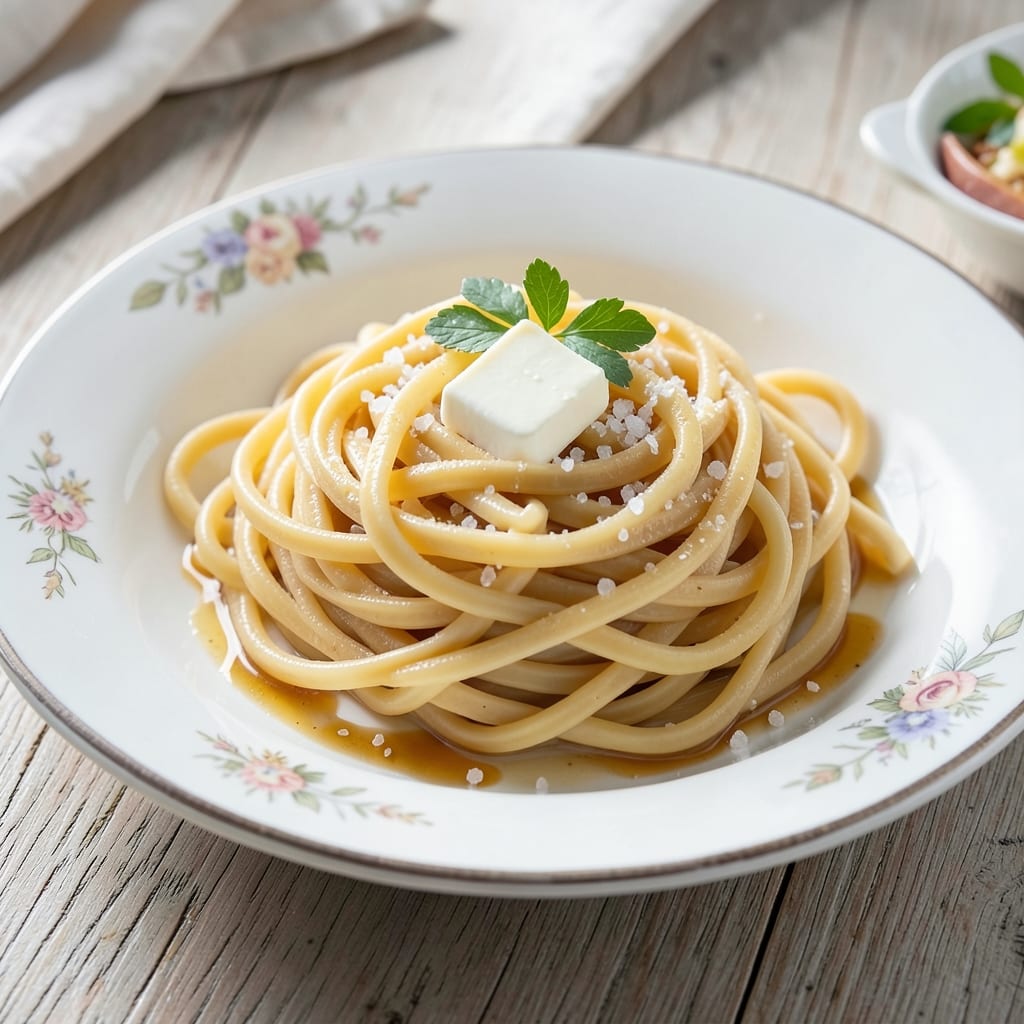
Betty Crocker's homemade egg noodles recipe brings back the nostalgic comfort of scratch-made pasta with a buttery, al dente bite that store-bought simply can't match. The secret lies in the perfect balance of eggs, flour, and a touch of salt—creating a dough that rolls out silky smooth and cuts into noodles with just the right resistance. I've made these for decades, and they're the foundation for everything from creamy soups to hearty stir-fries.
What sets these noodles apart is their versatile texture: tender yet firm enough to hold up in any dish. The recipe starts with a simple dough that requires just five ingredients, but the technique—proper kneading, resting, and rolling—transforms it into something extraordinary. No special equipment needed; just flour, patience, and a rolling pin. The key is working the dough until it's smooth and elastic, then cutting it into uniform strands that cook up perfectly.
Once you boil these noodles, you'll notice the difference immediately—they're richer, silkier, and hold sauces better than any packaged version. The eggs add a subtle depth of flavor, while the precise cutting ensures they cook evenly every time. Whether you're serving them in chicken noodle soup, a creamy Alfredo, or a simple garlic butter dish, they elevate any meal to restaurant-quality status.
For added versatility, you can adjust the width of the noodles—thin for soups or wide for hearty stir-fries. The dough keeps well in the fridge for up to three days, so you can prep ahead and cook fresh whenever you're ready. This is the kind of recipe that turns a simple weeknight dinner into something special, all thanks to the magic of homemade egg noodles.
Ingredients for betty crocker homemade egg noodles
Five simple ingredients transform into silky, buttery noodles that taste like nostalgia.
| Ingredient | Amount | Notes |
|---|---|---|
| All-Purpose Flour 🌾 | 3 cups | Sifted for smooth dough |
| Large Eggs 🥚 | 4 whole | Room temperature for even mixing |
| Unsalted Butter 🧈 | ½ cup | Cold, cubed for easier handling |
| Fine Sea Salt 🧂 | 1 tsp | Diamond Crystal preferred |
| Water 💧 | ½ cup | Room temperature |
The flour is non-negotiable here—King Arthur or Gold Medal work best for that tender yet sturdy texture. I always grab a 5-pound bag from Walmart or Kroger since it lasts forever. Eggs should be large and fresh (the whites hold shape better), but room temperature is key—cold eggs make the dough tough. Butter matters too: Land O'Lakes unsalted is my go-to, but any cold, cubed butter works. The salt? Diamond Crystal dissolves better than table salt, giving you that perfect balance.
No butter? Coconut oil or olive oil in the same amount works, though texture won't be identical. Short on eggs? Add 1 tbsp water per missing egg, but the dough gets stickier. The water is just a backup—sometimes the flour absorbs all the moisture from eggs and butter. If your dough feels dry, add 1 tsp at a time. And if you're gluten-free? This isn't your recipe—homemade egg noodles need gluten for that al dente bite.
Dough keeps 3 days wrapped in plastic in the fridge. For longer storage, flatten into a disc, wrap tightly, and freeze for up to 3 months. Thaw overnight in the fridge before rolling. Pro tip: Roll the dough 1/8-inch thick for classic noodles, or 1/4-inch for wider stir-fry strips. The thinner you roll, the faster they cook—perfect for soups.
Why You'll Love This Recipe
- Five-Ingredient Magic: The pantry staples you already own—flour, eggs, butter—come together in 15 minutes. No fancy tools, no waiting for dough to rise, just a quick knead and roll. My kids think it’s "real chef food," and honestly? So do I.
- Butter-Kissed Richness: That little pat of cold butter folded into the dough? It melts into the noodles while cooking, leaving you with tender strands that cling to sauces like they’re long lost friends. No dry, sad store-bought noodles here.
- Weeknight Workhorse: Slap these on the table for spaghetti night, stir-fry them with veggies for lunch, or freeze half for when you’re too tired to cook. Between us, I’ve reheated them straight from the freezer into soup—no one’s the wiser.
- Pocketbook Perfection: For less than $2, you get enough noodles to feed four. The eggs add protein, the butter makes it feel special, and the salt? Just enough to make it good, not expensive. My budget’s been thanking me ever since.
Step-by-step instructions for Betty Crocker's homemade egg noodles
Here's how to make these classic, buttery noodles that bring comfort to every meal.
👨🍳 Step 1: Mix the Dough Ingredients
In a large bowl, whisk together the 3 cups all-purpose flour and 1 teaspoon fine sea salt. I use a whisk to break up any flour lumps before adding the wet ingredients. This creates a smoother dough from the start.
Next, make a well in the center of the flour mixture and add the 4 whole large eggs and 0.5 cup cold cubed unsalted butter. The butter should be cold to help create flaky layers in the final noodles. Use your hands to gently bring the dough together, mixing just until it forms a shaggy mass.
Once the dough starts to come together, sprinkle in the 0.5 cup room-temperature water a tablespoon at a time. Mix until the dough pulls away from the sides of the bowl and forms a smooth, elastic ball. If it feels too sticky, add a little more flour; if it's too dry, add a splash more water. The dough should be soft but not tacky.
👨🍳 Step 2: Knead the Dough Thoroughly
Turn the dough onto a lightly floured surface and knead it for about 8-10 minutes. I press down with the heel of my hand, fold the dough over, and rotate it as I knead. This develops the gluten, which gives the noodles their signature chewy texture.
You'll know the dough is ready when it's smooth and springs back slightly when pressed. If it feels too sticky, add a little more flour; if it's too dry, add a few drops of water. Wrap the dough tightly in plastic wrap and let it rest at room temperature for 30 minutes. This resting period relaxes the gluten, making it easier to roll out later.
🔪 Step 3: Roll the Dough to Even Thickness
After resting, divide the dough into 4 equal pieces—this makes it easier to handle. Working with one piece at a time, roll it out on a lightly floured surface using a rolling pin. Roll it as thin as possible, aiming for about 1/16-inch thickness. If the dough sticks, dust it with a little more flour.
For perfectly even noodles, I like to roll the dough back and forth over the rolling pin a few times before flattening it again. This helps create a consistent thickness. Once rolled, fold the dough in half like a letter, then in half again, to make a neat rectangle. Repeat this process with the remaining dough pieces.
🍳 Step 4: Cut the Noodles and Cook to Perfection
Using a sharp knife or a pasta machine, cut the rolled dough into 1/4-inch wide strips. If you don't have a pasta machine, a sharp chef's knife works just fine—just be careful to keep your fingers away from the blade. For extra-long noodles, lay the dough strips on a floured surface and gently stretch them with your hands.
Bring a large pot of salted water to a rolling boil. Add the noodles and cook them for 3-5 minutes, stirring occasionally, until they float to the surface. This is your signal that they're al dente—tender but still firm to the bite. Drain the noodles in a colander and toss them with a little olive oil to prevent sticking.
🍽️ Step 5: Serve Immediately for Maximum Comfort
Serve the noodles right away with your favorite sauce or butter. I like to toss them in a pan with a little unsalted butter and a sprinkle of fine sea salt for a classic, buttery finish. The key to great egg noodles is freshness—don’t let them sit too long after cooking, or they’ll turn mushy.
These homemade noodles are so much better than store-bought—they’re light, fluffy, and packed with eggy richness. Plus, there’s something comforting about making them from scratch. Enjoy them with a hearty beef stew, creamy Alfredo sauce, or even a simple garlic butter for a quick weeknight meal.
Pro Tips For Making Betty Crocker Homemade Egg Noodles
- CHILL THE DOUGH: This recipe calls for resting the dough for 30 minutes, but I learned the hard way—skip the fridge and let it sit on the counter instead. Cold dough fights you when rolling, and Betty Crocker’s recipe isn’t built for that. Just cover it loosely with plastic and let it relax at room temp.
- WEIGH THE FLOUR: Scooping flour from the bag is a disaster—you’ll end up with dry, crumbly noodles every time. Use a kitchen scale for the 3 cups called for; 1 cup scooped can vary by 20-30 grams. Precision here means tender, not tough, noodles.
- ROOM-TEMP EGGS: Cold eggs from the fridge mix unevenly and make the dough gummy. Take them out 15 minutes before mixing—yes, even if you’re impatient like me. Warm eggs blend smoother and give you that classic, silky texture Betty Crocker’s recipe promises.
- BOIL WITH SALT: The recipe says to add salt to the boiling water, but don’t half-measure. Use at least 1 tablespoon per gallon of water—more if you’re using unsalted butter in your sauce later. Under-salting here means bland noodles, no matter how much you season afterward.
Creative variations of this recipe
Classic Chicken Noodle Soup
Transform these noodles into the ultimate comfort dish by simmering them in a rich, homemade chicken noodle soup. Start with 2 cups shredded rotisserie chicken, 1 onion and 2 carrots sautéed in 2 tbsp butter until soft. Add 6 cups chicken broth, 1 tsp dried thyme, and ½ tsp black pepper, then bring to a boil. Stir in 2 cups cooked egg noodles and simmer for 5 minutes until tender. Top with fresh parsley and a dollop of Greek yogurt for creaminess. 🍲
Garlic Butter Stir-Fry
For a quick weeknight dinner, cook the noodles and toss them with 3 tbsp melted butter, 3 minced garlic cloves, and 1 tbsp lemon juice. Add 1 cup sliced mushrooms and ½ cup diced bell peppers, then stir-fry for 3-4 minutes until everything is heated through. Finish with 2 tbsp chopped parsley and a pinch of red pepper flakes for a little kick. Serve with a side of roasted vegetables for a complete meal. 🌶️
Creamy Alfredo Pasta
Elevate your egg noodles with a luxurious Alfredo sauce. Melt 4 tbsp butter in a pan, then whisk in 1 cup heavy cream and 1 cup grated Parmesan cheese. Cook the noodles al dente, drain, and toss them in the sauce until fully coated. For extra richness, stir in ½ cup cream cheese until smooth. Garnish with cracked black pepper and fresh basil for a restaurant-worthy dish. 🧀
Wide Noodle Stir-Fry
Roll the dough slightly thicker (1/4-inch) and cut into ½-inch wide strips for a heartier stir-fry. Cook the noodles until just tender (2-3 minutes), then toss with 2 tbsp soy sauce, 1 tbsp sesame oil, and 1 tsp ginger. Add your favorite stir-fry veggies and protein, like shrimp or chicken, and finish with sesame seeds. This version holds up perfectly to wok-style cooking. 🍜
Breakfast Noodle Casserole
Turn these noodles into a savory breakfast dish by combining them with 2 cups shredded cheddar cheese, 1 cup cooked sausage, and ½ cup milk in a baking dish. Top with 1 cup breadcrumbs and bake at 375°F for 20 minutes until golden and bubbly. This dish is perfect for brunch or a cozy weekend meal. 🍳
Herb-Infused Olive Oil Noodles
For a light, flavorful twist, toss cooked noodles with 2 tbsp extra-virgin olive oil, 1 tbsp chopped rosemary, 1 tbsp chopped thyme, and a pinch of flaky sea salt. Drizzle with a little balsamic glaze for a touch of sweetness. This simple yet elegant dish pairs beautifully with grilled meats or roasted vegetables. 🌿
Nutrition facts
Frequently asked questions
Can I make these egg noodles without butter?
Yes! Replace the ½ cup cold butter with ¼ cup coconut oil or ¼ cup olive oil for a dairy-free version. The texture will be slightly different—less flaky—but still delicious. For best results, use cold oil to mimic butter's structure.
How do I prevent the dough from sticking while rolling?
Lightly flour your work surface and rolling pin before each pass, but don't overdo it—too much flour makes the dough tough. For extra help, use a pasta mat or even a clean kitchen towel. Work quickly and keep the dough covered with a damp towel when not in use.
What's the best way to store leftover cooked noodles?
Rinse cooked noodles immediately with cold water to stop cooking, then toss with 1 teaspoon olive oil to prevent sticking. Store in an airtight container in the fridge for 3-4 days or freeze for up to 3 months. Reheat in boiling water for 1-2 minutes—never microwave dry!
Can I make wider noodles for stir-fries?
Roll the dough to 1/4-inch thickness instead of 1/16-inch, then cut into ½-inch wide strips. These hold up better in stir-fries and absorb sauces beautifully. Cook them for 2-3 minutes—they'll need less time than thin noodles.
Why did my noodles turn out gummy?
Overcooking is the most common cause—egg noodles should cook for 3-5 minutes max until al dente. If your dough was under-kneaded (less than 8 minutes), it won't develop proper gluten structure. For next time, knead longer and cook for 1 minute less than package directions.