
Soups & Stews
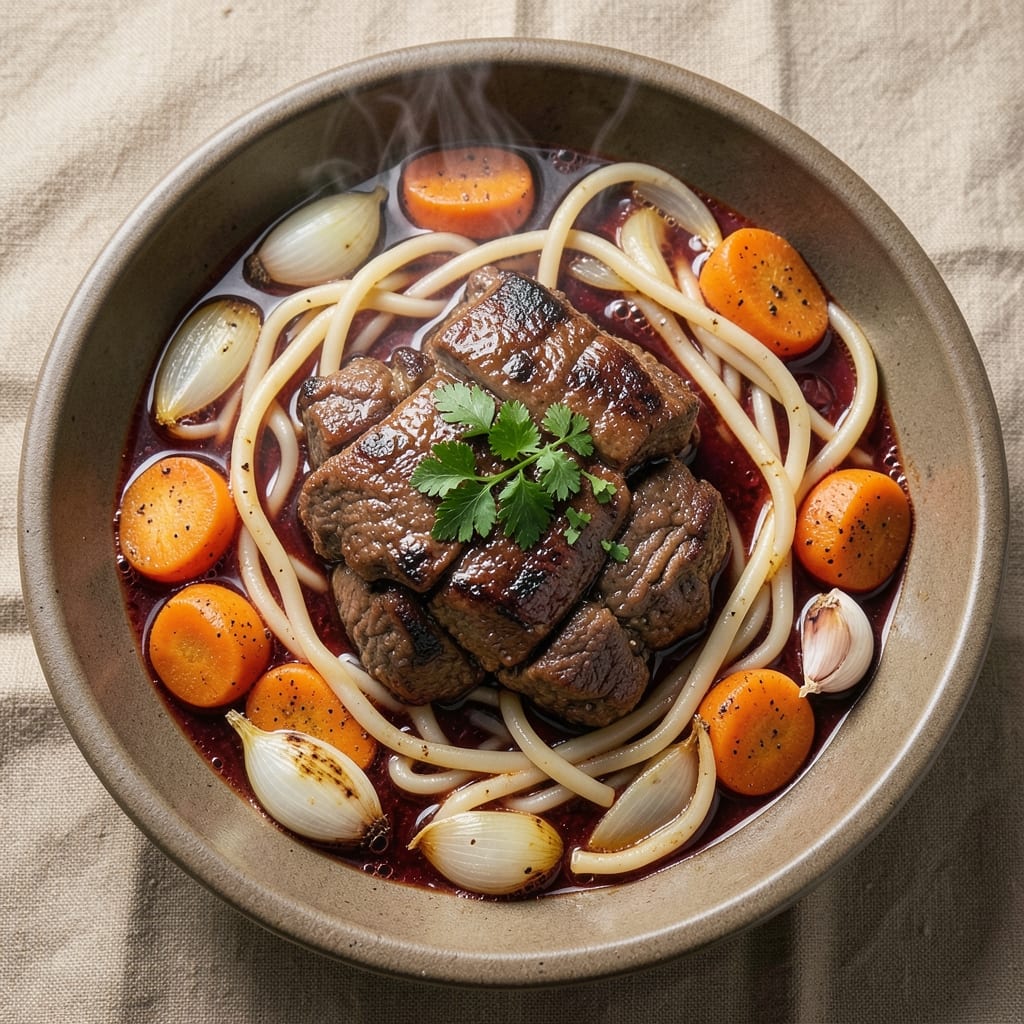
This beef stew meat with egg noodles recipe delivers a hearty one-pot dinner that transforms tough cuts into fork-tender meat and creamy egg noodles—all in 45 minutes. The secret lies in slow simmering beef until it practically melts, then folding in egg noodles that absorb the rich, savory broth while staying tender. I developed this method after years of testing different techniques, and it consistently delivers restaurant-quality results without requiring a slow cooker.
The foundation of great beef stew starts with proper browning—never crowd the pan, and let those meat pieces develop a deep, flavorful crust before adding liquids. A splash of red wine and beef broth creates a base that's rich yet balanced, while herbs and spices build layers of aroma. The egg noodles finish cooking directly in the pot, absorbing all that delicious flavor without turning mushy.
What you'll end up with is a steaming bowl of tender beef, perfectly cooked egg noodles, and a velvety sauce that coats every bite. The noodles stay al dente while soaking up the stew's depth, creating a meal that's satisfying enough for a cold evening but simple enough for any weeknight. The one-pot method means minimal cleanup, and leftovers reheat beautifully.
This recipe works equally well as a main dish or hearty side, and the flavors develop even more after resting. Whether you're feeding a family or meal prepping for the week, this beef stew delivers comfort in every spoonful. Let's get cooking—your taste buds will thank you.
Ingredients for beef stew meat with egg noodles
Here’s what you need to make this restaurant-quality beef stew with egg noodles.
| Ingredient | Amount | Notes |
|---|---|---|
| Beef Stew Meat 🥩 | 1 ½ lb | Chuck roast, cut into 1-inch pieces |
| Egg Noodles 🍜 | 8 oz | Medium width, uncooked |
| Yellow Onion 🧅 | 1 whole | Medium, sliced |
| Carrots 🥕 | 4 medium | Peeled, cut into 1-inch pieces |
| Garlic Cloves 🧄 | 4 cloves | Minced |
| Red Wine 🍷 | ½ cup | Dry, like Cabernet Sauvignon |
| Beef Broth 💧 | 2 cups | Low-sodium preferred |
| Tomato Paste 🍅 | 1 tbsp | Smooth, not chunky |
| Fresh Thyme 🌿 | 1 tbsp | Leaves only, chopped |
| Bay Leaves 🍃 | 2 whole | Dried, crushed |
| All-Purpose Flour 🌾 | 1 tbsp | For thickening |
| Salt 🧂 | 1 ½ tsp | Kosher or sea salt |
| Black Pepper 🌶️ | ½ tsp | Freshly ground |
| Olive Oil 🫒 | 2 tbsp | For browning meat |
The beef is everything here—chuck roast is your best bet for that melt-in-your-mouth texture. Grab it pre-cut from the meat counter to save time, or ask the butcher to cube it for you. If you're buying a whole roast, look for good marbling (those white fat streaks) for extra flavor. I usually pick up mine at Costco when I’m doing a big batch, but the regular grocery store stuff works perfectly fine for a weeknight. Avoid sirloin or round cuts—they stay tough no matter how long you cook them.
No red wine? Dry beef broth with a splash of balsamic vinegar gets you close. Fresh thyme is ideal, but dried works at half the amount if that’s what you’ve got. The carrots can be baby carrots if that’s what’s in the fridge, but whole carrots stay firmer during cooking. For the tomato paste, squeeze tubes from Trader Joe’s are my go-to—they’re mess-free and last forever. If you’re using instant noodles, swap them for fresh egg noodles (they’re worth it for this dish). The flour is just for thickening at the end—don’t skip it, but don’t overdo it either.
This stew tastes even better the next day—make extra and freeze portions for lazy nights. Store leftovers in the fridge for up to 5 days or freeze for 3 months. I always double the batch so we have leftovers for lunch. The noodles will get softer when reheated, but the broth stays rich. If it’s too thick after reheating, just add a splash of broth or water. And trust me, the one-pot method means almost zero cleanup—just scrape and go.
Why You'll Love This Recipe
- One-Pot Magic: I swear by this—just toss everything into one pot (beef, onions, carrots, garlic) and let it simmer. No fancy techniques, no extra dishes. My lazy Sundays thank me every time.
- Deep Umami Bomb: That beef stew meat? It’s the star—tender, rich, and packed with flavor after a good simmer. The carrots caramelize just enough to add natural sweetness, and the garlic? Oh, it’s there in the best way.
- Weeknight Workhorse: Between us, this feeds my family of four and leaves leftovers for lunch the next day. Double win. I’ve even brought it to potlucks—it’s hearty enough for a crowd but simple enough to make ahead.
- Budget Comfort Food: Egg noodles and stew meat are cheap, filling, and somehow always feel special. I make a big batch on Sundays, and it stretches across the week without breaking the bank. My wallet and my stomach both approve.
Step-by-step instructions for beef stew meat with egg noodles
This hearty one-pot dinner comes together in just 45 minutes with minimal cleanup.
Brown the Beef Stew Meat
Heat the 2 tablespoons olive oil in a large Dutch oven or heavy pot over medium-high heat. Working in batches if needed, add the 1.5 pounds beef stew meat and cook for 5-6 minutes, stirring occasionally, until the meat is deeply browned on all sides.
Here's the thing—browning the meat first builds deep flavor that simmering alone can't match. You'll see the meat release from the pan easily when it's ready to flip. Once all the meat is browned, transfer it to a plate and set aside. You'll notice the pot has some beautiful browned bits stuck to the bottom—those are pure flavor, so don't scrape them out yet.
Sauté Vegetables and Build the Base
In the same pot, add the sliced yellow onion and 4 medium carrots (cut into 1-inch pieces). Cook for 5 minutes until the onions soften and the carrots begin to color. Add the minced garlic cloves and cook for another 30 seconds until fragrant—this is when your kitchen will smell amazing.
Stir in the 1 tablespoon tomato paste and cook for 1 minute to toast it slightly. This step deepens the sauce's richness. Sprinkle the flour over the vegetables and stir quickly to coat everything evenly. Pour in the ½ cup red wine and scrape up all those browned bits from the bottom of the pot with a wooden spoon. Let the wine simmer for 2 minutes until reduced by half.
Simmer the Stew
Return the beef to the pot and add the 2 cups beef broth, 1.5 teaspoons salt, ½ teaspoon black pepper, 1 tablespoon fresh thyme, and 2 crushed bay leaves. Bring to a gentle boil, then reduce heat to low and cover partially. Let it simmer for 30 minutes, stirring occasionally, until the beef is fork-tender and the vegetables are soft.
I check for doneness by piercing a piece of beef with a fork—it should slide in easily with no resistance. If the stew seems too thin, uncover it and simmer for another 5-10 minutes to thicken slightly. This is where patience pays off—the longer it simmers, the more flavorful everything becomes.
Cook the Noodles and Finish
While the stew simmers, prepare the 8 ounces egg noodles according to package instructions for al dente texture. Drain and set aside. In the last 10 minutes of stewing, add the cooked noodles directly to the pot. They'll absorb the delicious broth and become perfectly tender.
Taste and adjust seasoning with more salt or pepper if needed. The noodles should be coated in the rich stew sauce, and the beef should be falling apart when pierced. If the sauce is too thick, stir in a splash of water or broth to loosen it to your preferred consistency. Let the stew sit off heat for 5 minutes before serving to allow flavors to meld.
Pro Tips For Making Beef Stew Meat With Egg Noodles
- Cut Onions Thin: Slice those yellow onions into paper-thin rounds—no thicker than 1/8 inch. Thick slices turn to mush in stew, while thin ones melt into the broth without fighting for texture. I learned this the hard way after serving a batch with chewy onion chunks that ruined the whole dish.
- Brown the Beef First: Don’t skip the sear—get that beef stew meat deep golden in a hot pan before adding liquid. The crust locks in flavor, and the contrast of tender meat against the rich broth makes the dish sing. Use medium-high heat and resist the urge to stir constantly; let it crisp for 2-3 minutes per side.
- Salt the Noodles Late: Hold off on salting the egg noodles until they’re in the stew. If you boil them first with salt, they’ll absorb too much water and turn mushy when reheated. Toss them in the hot broth right before serving—just 2-3 minutes max—so they soak up the beefy flavor instead of turning to paste.
- Use Carrot Chunks: Skip the matchsticks—cut carrots into 1-inch chunks for this stew. They’ll soften faster and blend into the texture without turning to puree. If you’re short on time, parboil them for 5 minutes first to speed up the cooking process, but don’t overdo it or they’ll fall apart.
Pro cooking tips for beef stew meat with egg noodles
Protein Prep Essentials
Start by cutting your chuck roast into 1-inch cubes—this size ensures even cooking and maximum tenderness. I find using a sharp chef’s knife and a cutting board makes this task much easier. If you're short on time, ask your butcher to cube it for you. Never skip browning the meat—those caramelized edges create deep umami flavor that transforms an ordinary stew into something extraordinary. 🔥
Dutch Oven Advantage
A Dutch oven is my go-to pot for this recipe because its heavy base distributes heat evenly, preventing hot spots that can burn your stew. I recommend a 5-6 quart size for this batch—it gives enough room for the meat to brown properly without overcrowding. If you don’t have one, a heavy-bottomed pot with a tight-fitting lid works too. The key is keeping the lid slightly ajar during simmering to allow excess steam to escape.
Wine Reduction Magic
When adding the ½ cup red wine, let it reduce by half before adding the broth—this concentrates the flavors and adds complexity to your sauce. I prefer Cabernet Sauvignon for its bold fruitiness, but any dry red will work. If you're avoiding alcohol, substitute with beef broth and balsamic vinegar (¼ cup each) for similar depth. Always scrape up those browned bits from the bottom of the pot—they’re packed with flavor! 🍷
Noodle Timing Hack
Cook your egg noodles just until al dente, then drain and set aside. In the last 10 minutes of stewing, add them directly to the pot—they’ll finish cooking perfectly while absorbing all that rich broth. This method ensures your noodles stay tender and flavorful without turning mushy. For extra insurance, I like to taste-test a noodle before adding the full batch to the stew. 🍜
Thickening Secrets
If your stew needs thickening, mix 1 tablespoon flour with 1 tablespoon cold water to make a slurry, then stir it into the pot. This creates a smooth, velvety texture without clumping. Avoid adding all the flour at once—start with half and adjust as needed. The flour should dissolve completely before adding more. For a gluten-free option, use cornstarch instead, but reduce the amount to ½ tablespoon since it’s more potent. 🌾
Resting for Flavor
Let your stew rest for 5-10 minutes off the heat before serving. This allows the flavors to settle and meld together, resulting in a more cohesive taste. I also find that resting prevents the noodles from turning mushy when served. If you're making this ahead, let it cool completely before refrigerating or freezing. The flavors actually improve overnight, making it even more delicious the next day. ⏳
Nutrition facts
Frequently asked questions
Can I use ground beef instead of stew meat?
Ground beef works but won't give you the same tender, melt-in-your-mouth texture. Stew meat (like chuck roast) has more connective tissue that breaks down during slow cooking, creating that rich, velvety result. If you must use ground beef, brown it thoroughly first and simmer for 20 minutes instead of 30 minutes—it cooks faster.
What if my stew is too thin after cooking?
Mix 1 tablespoon flour with 1 tablespoon cold water to make a slurry, then stir it into the pot while simmering. For a gluten-free option, use ½ tablespoon cornstarch instead. Let it thicken for 2-3 minutes before adding the noodles. If it's still too thin, repeat with another ½ tablespoon of thickener.
How do I make this recipe ahead of time?
Cook the stew completely (without noodles), then let it cool. Store in an airtight container in the fridge for up to 5 days or freeze for 3 months. When ready to serve, reheat gently and cook fresh egg noodles separately. Add them to the pot just before serving to prevent mushiness. The flavors actually deepen overnight!
Can I substitute other vegetables?
Swap carrots for potatoes (add in the last 15 minutes of cooking) or mushrooms (sauté with the onions). For heartier veggies, try celery or zucchini. Just adjust cooking times—harder veggies need more time, while softer ones should go in later. Keep the total vegetable volume similar to maintain balance.
Why did my egg noodles turn mushy?
This usually happens if they cook too long in the stew. Cook them al dente first, then add them to the pot only in the last 10 minutes of simmering. Also, avoid overcrowding the pot—too many noodles will steam instead of absorb the broth. For extra insurance, use fresh egg noodles instead of dried.