
Breakfast & Brunch
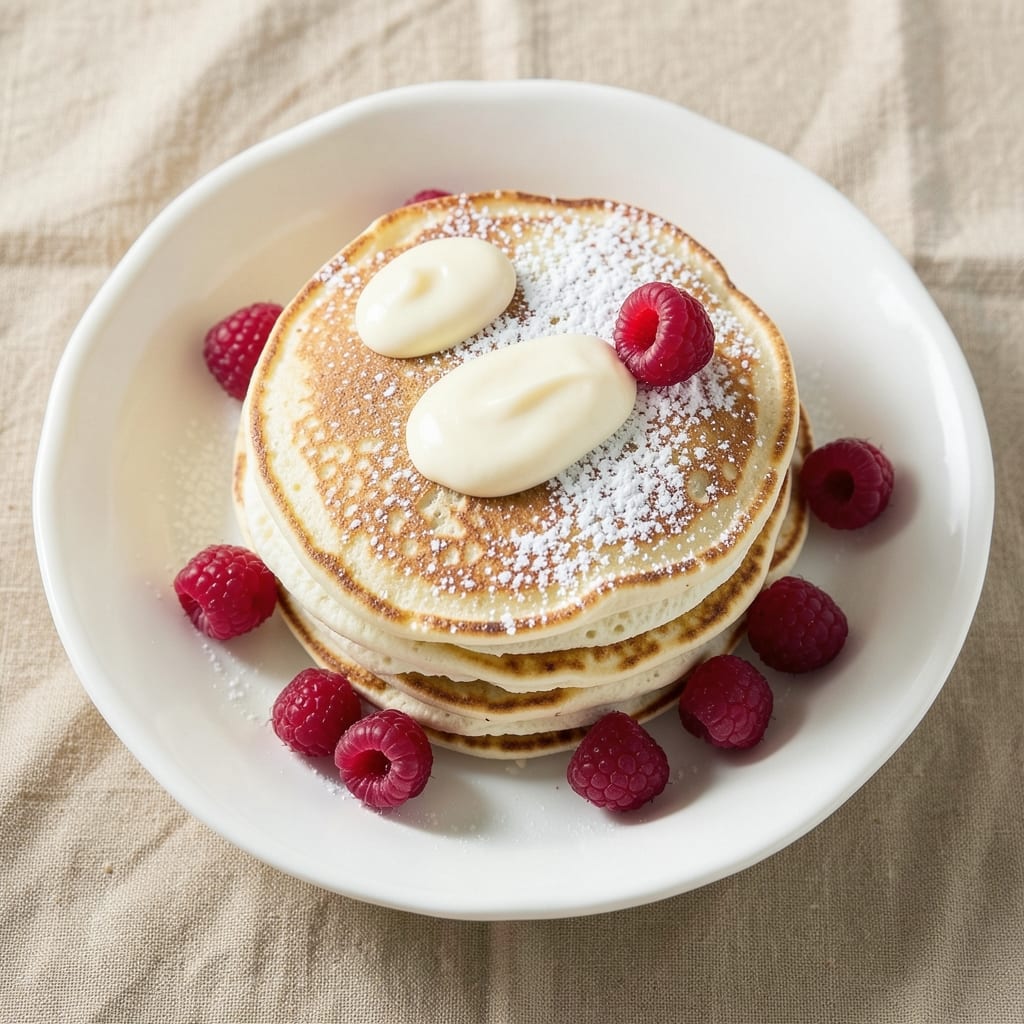
This cream cheese and egg pancake recipe delivers the perfect balance of fluffy texture and hidden richness that keeps you coming back for seconds. The secret lies in blending tangy cream cheese with eggs and a touch of flour, creating pancakes that are impossibly tender yet sturdy enough to hold toppings without falling apart. I developed this recipe after years of experimenting with protein-packed pancakes, and it never fails to impress—even the most skeptical breakfast eaters.
The magic happens in the batter, where the cream cheese adds a subtle tang that brightens the sweetness of the pancakes, while the eggs provide structure and moisture. Unlike traditional pancakes, these hold their shape beautifully and develop a golden-brown crust when cooked on medium heat. The result? Pancakes with fluffy layers that practically melt in your mouth, yet maintain enough density to support generous toppings like fresh berries, whipped cream, or a drizzle of maple syrup.
What sets these apart is the hidden richness—you won’t taste the cream cheese as an afterthought, but rather as a sophisticated depth that elevates every bite. The batter comes together in minutes with just a handful of simple ingredients, and the cooking process is straightforward: pour, flip, and repeat. Whether you're serving them for a weekend brunch or a quick weekday breakfast, these pancakes are designed to deliver restaurant-quality results at home.
Pair them with crispy bacon, a side of turkey sausage, or even a dollop of Nutella for a decadent twist. The versatility of these pancakes makes them perfect for any table—family breakfasts, lazy Sundays, or even a special treat. Ready to transform your morning routine? Let’s get started.
Ingredients for cream cheese and egg pancake
Eight simple ingredients transform into pancakes with fluffy layers and hidden cream cheese richness.
| Ingredient | Amount | Notes |
|---|---|---|
| Large Eggs 🥚 | 4 whole | Room temperature for best blending |
| Cream Cheese 🧀 | 8 oz | Full-fat for maximum richness |
| All-Purpose Flour 🌾 | 1 cup | Sifted for smooth batter |
| Granulated Sugar 🍚 | ½ cup | Adjust for sweetness preference |
| Baking Powder 🍳 | 1 tsp | Freshly opened for lift |
| Salt 🧂 | ½ tsp | Fine sea salt preferred |
| Unsalted Butter 🧈 | 2 tbsp | Melted for greasing pan |
| Vanilla Extract 🌸 | 1 tsp | Pure vanilla for authentic flavor |
| Milk 🥛 | ½ cup | Whole milk for creaminess |
| Maple Syrup 🍁 | 2 tbsp | For serving (optional) |
| Fresh Blueberries 🫐 | ½ cup | For topping (optional) |
The cream cheese is non-negotiable here—it’s what gives these pancakes their signature depth. Grab the full-fat version from the dairy case at Whole Foods or your local grocery store, not the light kind. I always buy Philadelphia brand when I can, but any good-quality cream cheese will work. The eggs should be large for proper structure, and room temperature makes blending easier. If you're in a hurry, just let them sit out for 10 minutes. For the flour, King Arthur brand is my go-to—it’s finely milled and gives the best texture, but any all-purpose will do. The baking powder needs to be fresh—if it's more than a few months old, toss it and buy a new can.
No cream cheese? Cottage cheese blended smooth works in a pinch, though the flavor won’t be identical. Out of milk? Greek yogurt or buttermilk can substitute at the same amount, but the pancakes might be slightly denser. The vanilla extract can be swapped for vanilla bean paste if you're feeling fancy—just reduce the amount to ½ teaspoon since it’s more concentrated. For the sugar, brown sugar adds moisture and a caramel note, but stick with granulated for the classic flavor. If you're serving these to kids, you can reduce the sugar by 2 tablespoons—they won’t miss it, I promise. The blueberries? Frozen work just as well as fresh, and they’re often cheaper. Just toss them in a bowl with a splash of water to thaw while you cook.
This batter keeps in the fridge for up to 24 hours, so you can prep ahead for busy mornings. Just cover it tightly with plastic wrap pressed right on the surface to prevent a skin from forming. When you're ready to cook, give it a quick whisk to redistribute any settled cream cheese. The pancakes reheat beautifully—pop them in a 350°F oven for 5-7 minutes to restore that fresh-from-the-griddle warmth. I like to double the recipe and freeze half the batter in 1-cup portions for lazy weekends. Thaw overnight in the fridge, then cook as usual. These pancakes also freeze beautifully after cooking—just stack them with parchment between each and reheat in a toaster or oven.
Why You'll Love This Recipe
- Five-Ingredient Magic: I swear, this recipe is the kind of thing you’ll bookmark and forget exists until you’re desperate for pancakes at midnight. Just crack eggs, mix in softened cream cheese, and stir in flour—no measuring cups, no overthinking. The batter’s so thick and rich, it practically fluffs itself when you pour it.
- Rich Without Guilt: That cream cheese swirled into the batter? It’s like a hug for your taste buds—tangy, smooth, and just sweet enough from the sugar. Honestly, I’ve tried lighter pancakes, but these? They’re the kind that make you pause mid-bite, even if you’re in a rush.
- Breakfast or Brunch Hero: Make a double batch on Sunday and freeze them—these pancakes reheat like a dream for lazy mornings or when you’ve got brunch guests dropping by. (Yes, even on a Tuesday night.) Top them with berries, a drizzle of honey, or even a sprinkle of cinnamon, and suddenly you’ve got a crowd-pleaser.
- Budget Breakfast Win: Eggs and cream cheese stretch further than you’d think, and the flour and sugar are pantry staples. I’ll be real: my grocery bill stays low, but my family’s pancake happiness stays high. Plus, the baking powder keeps them light without needing fancy ingredients.
Step-by-step instructions for cream cheese and egg pancakes
Here's how to make pancakes so light and rich they'll disappear from your plate.
Blend the Cream Cheese and Egg Base
In a large mixing bowl, combine the 4 whole Large Eggs and 8 oz Cream Cheese at room temperature. I like to use a hand mixer for this step—it creates a smooth, lump-free base. Beat on medium speed for 2-3 minutes until fully incorporated and slightly thickened. The mixture should look pale and creamy, almost like a thick custard.
This is the secret to those fluffy layers—the cream cheese adds moisture and richness while the eggs provide structure. If you notice any lumps, use a silicone spatula to gently press them against the side of the bowl until everything blends smoothly. Don't rush this step; proper blending ensures your pancakes will be tender rather than dense.
Incorporate Dry Ingredients and Milk
In a separate bowl, whisk together the 1 cup All-Purpose Flour, 0.5 cup Granulated Sugar, 1 tsp Baking Powder, and 0.5 tsp Salt. Sift the flour mixture directly into the egg and cream cheese mixture while continuing to mix on low speed. This prevents clumping and ensures even distribution of the leavening agents.
Gradually add the 0.5 cup Milk while mixing on low speed until just combined. The batter should be thick but pourable—think of it like heavy cream consistency. If it looks too thick, add 1 tablespoon of milk at a time until it reaches the right texture. Overmixing at this stage can develop gluten, making your pancakes tough instead of fluffy.
Fold in Vanilla and Prepare for Cooking
Add the 1 tsp Vanilla Extract and mix gently with a silicone spatula to combine. The batter is now ready for cooking, but here's a pro tip: let it rest for 10 minutes at room temperature. This allows the flour to fully hydrate and the baking powder to activate, giving you even more lift in your pancakes.
While the batter rests, melt the 2 tbsp Unsalted Butter in a microwave-safe bowl for 20-30 seconds or until completely liquid. This butter will be used to grease your pan and add extra richness to each pancake. Keep the melted butter nearby—you'll use it in the next step.
Cook the Pancakes on Medium Heat
Heat a non-stick skillet or griddle over medium heat (around 350°F). Lightly grease the surface with some of the melted butter, using a paper towel to spread it evenly. Pour ¼ cup of batter onto the skillet for each pancake—you should get about 8 pancakes from this recipe.
Cook until bubbles form on the surface and the edges look set (2-3 minutes). Here's where it gets fun: flip carefully and cook the other side for another 2 minutes, until golden brown. The pancakes should be soft in the center but firm on the edges. If they brown too quickly, reduce the heat slightly to prevent burning while keeping the inside fluffy.
Serve Warm with Toppings
Transfer the cooked pancakes to a warm plate and keep them covered to maintain heat. For serving, you can keep things simple with the 2 tbsp Maple Syrup or add some 0.5 cup Fresh Blueberries for a fruity contrast. I like to stack them high and drizzle with extra syrup—these pancakes are rich enough to stand up to sweet toppings.
The key to serving them perfectly is timing. Pancakes are best enjoyed immediately while they're warm and fluffy. If you're making a batch for a crowd, keep them warm in a 200°F oven on a wire rack until ready to serve. Each bite should deliver that perfect combination of tender, creamy layers with just the right amount of sweetness—trust me, you'll want seconds!
Pro Tips For Making Cream Cheese And Egg Pancake
- Whip the Cream Cheese: DESCRIPTION:
- Measure Flour Right: DESCRIPTION:
- Keep Heat Steady: DESCRIPTION:
- Let Batter Rest: DESCRIPTION:
Common mistakes when making your cream cheese and egg pancake
Overmixing the Batter
I’ve ruined more pancakes than I’d like to admit by overmixing the batter. Once you’ve combined the dry ingredients with the wet, mix just until everything is barely incorporated—no more than 10-15 seconds after the flour disappears. Overmixing develops gluten, which turns your fluffy dreams into tough, dense pancakes. I learned this the hard way when my first batch turned out more like crepes than pancakes. 🥞
Skipping the Rest Time
That 10-minute rest before cooking isn’t optional—it’s crucial. The batter needs time for the flour to fully hydrate and the baking powder to activate. If you skip this step, your pancakes will rise unevenly, resulting in a dense center and a flat top. I once made a whole batch without resting the batter, and the pancakes were more like pancake patties than the light, airy clouds you want.
Using Cold Ingredients
Cold cream cheese and eggs are the enemy of fluffy pancakes. If your cream cheese is straight from the fridge, let it sit at room temperature for 20-30 minutes until it’s soft but not melted. Cold ingredients create lumps and prevent proper emulsification, leading to a grainy texture. I always check the temperature of my cream cheese by pressing a finger into it—if it springs back slowly, it’s ready. 🧀
Flipping Too Soon
Patience is key when flipping these pancakes. Wait until you see bubbles forming on the surface and the edges look set before attempting to flip. If you flip too early, the pancakes will break apart or release uncooked batter. I’ve had to salvage more pancake disasters from the floor than I care to admit—trust the bubbles, not your hunger!
Uneven Heat Distribution
Medium heat is your friend, but uneven heat is your enemy. If your pan isn’t hot enough, your pancakes will stick and steam instead of browning. If it’s too hot, they’ll burn on the outside before cooking through. To avoid this, use a non-stick skillet and maintain a consistent 350°F temperature. I like to test my pan by flicking a few drops of water onto it—if they sizzle and evaporate quickly, it’s ready.
Ignoring the Butter
That 2 tablespoons of melted butter isn’t just for flavor—it’s for moisture and richness. Skimping on it or using a dry pan will result in pancakes that are dry and lack the signature creamy texture. Always grease your pan generously with butter (or oil) before pouring the batter. I even like to use a paper towel to spread a thin layer of butter over the cooked side before flipping—it adds an extra layer of decadence. 🧈
Nutrition facts
Frequently asked questions
Can I make these pancakes without a mixer?
You can blend the cream cheese and eggs by hand using a whisk or fork. Just beat them vigorously for 3-5 minutes until completely smooth and creamy. The key is patience—keep whisking until the mixture is lump-free and thickened. For even better results, let the batter rest for 10 minutes before cooking to help the ingredients fully combine.
Why do my pancakes turn out dense instead of fluffy?
Dense pancakes usually happen from overmixing or skipping the rest time. Mix the batter just until combined (about 10-15 seconds after the flour disappears), and let it rest for 10 minutes before cooking. Also, make sure your cream cheese and eggs are at room temperature—cold ingredients prevent proper emulsification and create dense texture.
How do I make these pancakes without butter?
You can substitute the butter with 2 tablespoons of neutral oil (like vegetable or canola) for greasing the pan. For extra richness, melt 1 tablespoon of margarine and mix it into the batter instead. Just note that butter adds a unique flavor and moisture these pancakes rely on—oil will work but may slightly alter the texture.
Can I add chocolate chips to these pancakes?
Yes, but add them carefully! Fold in ½ cup chocolate chips (semi-sweet or dark) after mixing the wet and dry ingredients, but don't overmix. The batter should remain thick but pourable. Use a spatula to gently fold them in—this prevents breaking up the chocolate. For best results, use high-quality chocolate chips that melt smoothly.
How long can I store leftover pancakes?
Store cooked pancakes in an airtight container in the refrigerator for up to 3 days. To reheat, warm them in a 350°F oven for 5-7 minutes or until crispy. For longer storage, freeze pancakes between parchment paper for up to 1 month. Reheat frozen pancakes in a toaster or oven until warm through.