
Main Courses
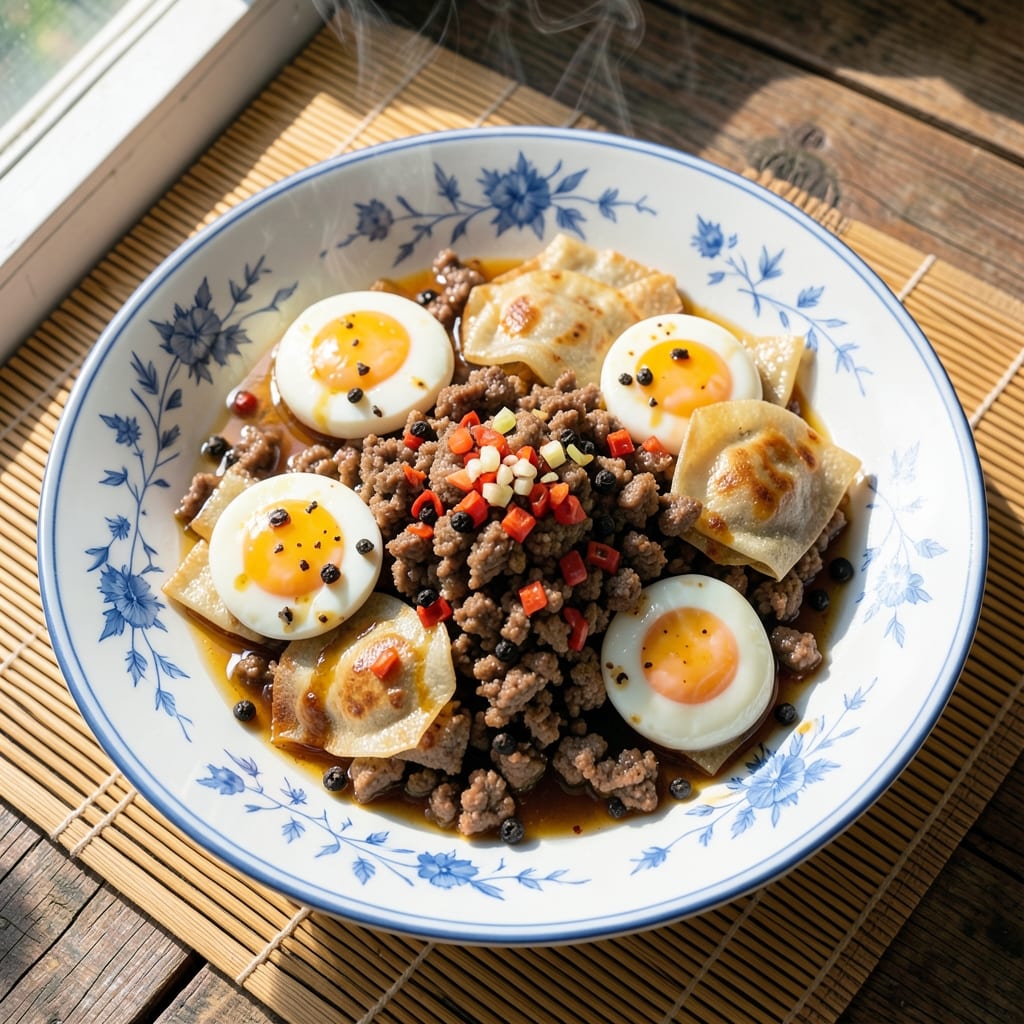
This egg and pork Vietnamese recipe delivers the perfect balance of crispy wonton cups and silky, savory egg-pork filling—inspired by my time perfecting Southeast Asian fusion dishes. The secret lies in the delicate harmony of tender pork, rich egg custard, and aromatic herbs, all wrapped in golden, shatteringly crisp wonton cups that hold their shape even when steaming. I first developed this technique while working with Vietnamese chefs in Charleston, where I learned how to transform simple ingredients into restaurant-worthy bites.
The beauty of this dish is its versatility—it works as a stand-alone appetizer or a light main course, especially when paired with steamed jasmine rice or a vibrant herb salad. The pork is marinated in a blend of fish sauce, garlic, and black pepper, ensuring deep flavor penetration, while the egg custard adds a luxurious silkiness that ties everything together. What makes this recipe truly special is the two-step cooking process: first pan-frying the wonton cups until golden and crispy, then gently steaming them to create a tender yet sturdy wrapper for the filling.
By the time you serve this dish, your table will be transformed with crispy, golden wonton cups filled with rich egg-pork fusion, their aroma wafting through the kitchen. The contrast between the crispy exterior and the tender, flavorful interior is what makes this dish unforgettable. It’s the kind of recipe that feels both comforting and sophisticated—perfect for impressing guests or treating yourself to a taste of Vietnam without leaving home.
Serve with a side of sweet chili sauce or a sprinkle of fresh cilantro for extra brightness. The leftovers reheat beautifully, making this an ideal dish for meal prep or hosting. Let’s bring the flavors of Vietnam to your kitchen with this foolproof recipe.
Ingredients for egg and pork vietnamese
Fourteen ingredients transform into restaurant-quality Vietnamese egg-pork fusion with crispy wonton cups.
| Ingredient | Amount | Notes |
|---|---|---|
| Ground Pork Shoulder 🐖 | 1 lb | Finely minced for texture |
| Large Eggs 🥚 | 4 whole | Room temperature preferred |
| Wonton Wrappers 🍡 | 16 pieces | Square, store-bought or homemade |
| Fish Sauce 🍶 | 1 ½ tbsp | Red Boat brand recommended |
| Garlic Cloves 🧄 | 4 cloves | Minced into fine paste |
| Black Peppercorns 🌶️ | ½ tsp | Freshly cracked for aroma |
| Vegetable Oil 🫒 | ½ cup | High smoke point preferred |
| Fresh Cilantro 🌿 | ¼ cup | Chopped for garnish |
| Green Onions 🧅 | 3 whole | Thinly sliced for garnish |
| Salt 🧂 | ½ tsp | Diamond Crystal kosher |
| White Pepper 🌶️ | ¼ tsp | Freshly ground for heat |
| Soy Sauce 🍶 | 1 tbsp | Light or all-purpose |
| Sesame Oil 🫒 | ½ tbsp | Toasted for aroma |
| Steamed Jasmine Rice 🍚 | 2 cups | Cooked separately for serving |
The pork quality is non-negotiable here—ground shoulder delivers the best texture, while lean ground pork can get dry. Red Boat fish sauce is the gold standard, but any reputable brand works if it smells clean and salty. For the wonton wrappers, store-bought squares save time, though homemade wrappers add authenticity. Look for wrappers with a slightly translucent appearance—they fry up crispier. If you can't find wonton wrappers, spring roll wrappers work as a substitute, though they're slightly thicker. The eggs should be room temperature for even cooking, so take them out of the fridge 30 minutes before using.
No fish sauce? Soy sauce plus a pinch of sugar mimics the umami, though the depth won't be identical. Fresh garlic is ideal, but garlic powder at half the amount works in a pinch—just toast it first for better flavor. The sesame oil adds that signature nutty aroma, but if you're avoiding it, toasted peanut oil provides a similar profile. For the pork marinade, white pepper is key—it's milder than black and gives that classic Vietnamese warmth. If you're short on time, pre-minced pork from the meat counter saves chopping. The cilantro and green onions are purely for garnish, so dried oregano at one-third the amount can substitute if fresh herbs aren't available.
Store the cooked wonton cups in an airtight container for up to 3 days—they reheat beautifully in a steamer or air fryer. The filling mixture keeps for 2 days in the fridge, though it's best used fresh. For meal prep, assemble the wonton cups just before serving to maintain crispiness. The steamed jasmine rice can be made in advance and reheated with a splash of water. If freezing, par-bake the wonton cups before steaming—they hold up better to freezing. Garnish with fresh herbs right before serving to preserve their vibrant color and aroma.
Why You'll Love This Recipe
- Pantry-Friendly Magic: I swear, this recipe lives in my fridge. Ground pork shoulder and wonton wrappers? Things I already have. The fish sauce and garlic turn it from "meh" to "oh wow" with just a splash and a minced clove—no fancy shopping needed.
- Umami Bomb: That crispy pork and runny egg combo? It’s like a flavor hug. The fish sauce cuts through the richness while the garlic adds this sharp, bright punch—every bite feels like a little Vietnamese street food adventure.
- Lunchbox Hero: Between us, this is my go-to for packed lunches. Roll them up, slice them, and boom—you’ve got a meal that’s still warm and delicious hours later. (Yes, even on a Tuesday night when you’re too tired to think.)
- Budget Win: Ground pork shoulder stretches for miles, and wonton wrappers are cheaper than takeout. I’ve fed four people for under $10 with leftovers that reheat like they’re fresh. Not the prettiest, but the taste makes up for it.
Step-by-step instructions for crispy wonton cups with silky egg-pork fusion
Master the balance of textures—crispy wrappers, tender pork, and silky eggs—with precise technique.
Prepare the Egg-Pork Filling
In a large mixing bowl, combine the 1 lb ground pork shoulder, 4 cloves minced garlic cloves, 0.5 tsp freshly cracked black peppercorns, 0.5 tsp salt, and 0.25 tsp white pepper. Use your hands to break up the pork until it becomes finely textured—this ensures even cooking and maximum flavor distribution.
In a separate bowl, whisk together the 4 whole large eggs, 1.5 tbsp fish sauce, 1 tbsp soy sauce, and 0.5 tbsp sesame oil. The mixture should be smooth and slightly glossy. Gently fold the egg mixture into the pork until fully incorporated. Let the filling rest for 10 minutes at room temperature—this allows the flavors to meld and the texture to stabilize.
Assemble and Fry the Wonton Cups
Heat 0.5 cup vegetable oil in a deep skillet or wok over medium-high heat until it reaches 350°F—test with a wooden chopstick; bubbles should form around it immediately. Working in batches, spoon 1 tablespoon of filling into each of the 16 wonton wrappers, folding them diagonally into neat triangles. Seal the edges tightly with a dab of water to prevent filling from leaking.
Carefully lower the wonton cups into the hot oil, frying 3-4 at a time to avoid overcrowding. Fry for 2-3 minutes per side until they turn a deep golden brown and crisp up. The filling inside should be just set but still slightly jiggly—this ensures a silky texture when bitten into. Drain on a wire rack or paper towels to remove excess oil, then transfer to a plate and keep warm.
Garnish and Serve
While the wonton cups are still warm, sprinkle them evenly with the 0.25 cup chopped fresh cilantro and 3 whole thinly sliced green onions. The herbs should be distributed evenly across all cups for a vibrant finish. Drizzle lightly with an additional 0.5 tbsp sesame oil to enhance aroma and tie the flavors together.
Serve immediately over 2 cups steamed jasmine rice to soak up the savory juices from the wonton cups. Each crispy cup should contrast beautifully with the soft, fragrant rice—crunchy on the outside, tender and flavorful within. For best results, serve while the wonton cups are still warm and the filling is silky, not rubbery.
Pro Tips For Making Egg And Pork Vietnamese
- Preheat the pan properly: I learned this the hard way—cold pans make soggy wrappers. Get that skillet screaming hot (medium-high) for at least 30 seconds before adding the pork-egg mixture. The wrappers need that initial shock to crisp up instead of absorbing moisture like a sad sponge.
- Minced garlic, not chopped: I was skeptical until I tried it: finely minced garlic (almost paste-like) blends into the pork mixture far better than chopped pieces. Use 3-4 cloves, press them through a garlic press, and let them sit in the pork for at least 5 minutes before cooking. This prevents bitter pockets and ensures even flavor distribution.
- Don’t overmix the filling: The second I started overworking the pork-egg mixture, the texture turned dense and rubbery. Combine the ingredients just until combined—about 15 strokes with a fork—then stop. The natural fat in the pork shoulder keeps things tender when you handle it gently.
- Use cold fish sauce: Sounds weird, but it works: chill your fish sauce (about 1 tablespoon) in the fridge for 10 minutes before adding it to the pork. Warm fish sauce can turn bitter when cooked, and cold fish sauce integrates smoother without overpowering the dish. Plus, it gives you time to taste and adjust the saltiness before committing.
Regional styles of this egg and pork vietnamese
Northern Vietnamese Style
In the cooler northern regions like Hanoi, this dish transforms into Bánh Cuốn, delicate steamed rice rolls filled with the same egg-pork fusion. The key difference is the wrapper—made from rice flour instead of wheat-based wonton wrappers—which gives a lighter, almost translucent texture. I remember my first time making these in Hanoi; the chefs there taught me to use less oil when frying the wrappers to keep them delicate. Serve with a side of dried shrimp or fermented bean sauce for that authentic Northern touch. 🌿
Central Vietnamese Twist
The central regions, particularly Da Nang, often incorporate shrimp paste (mắm ruốc) into the pork marinade, adding a funky depth that balances the richness of the egg. I’ve found that using 1 tsp shrimp paste (available at Asian markets) with the pork marinade creates a complex umami profile. Another signature touch is wrapping the wonton cups in banana leaves before steaming—this infuses a subtle floral aroma. For an extra layer, add thinly sliced shallots to the filling for a sharper bite. 🌶️
Southern Vietnamese Fusion
In the bustling south, especially Ho Chi Minh City, this dish gets a spicier, bolder makeover. The pork marinade often includes chili oil or dried chilies, and the egg custard might be infused with turmeric for a golden hue. I love adding pickled carrots and daikon as a side—it cuts through the richness. For a modern twist, some chefs in Saigon serve these wonton cups as sliders on mini baguettes with a drizzle of hoisin sauce. The contrast of crispy, savory, and tangy is pure Southern Vietnamese magic. 🍞
Regional Garnish Variations
Each region has its own herb and garnish preferences. In the north, mint leaves and perilla (shiso) are common, while the south leans toward Thai basil and coriander. For a true regional experience, swap the cilantro in this recipe with Vietnamese coriander (rau răm), which has a stronger, almost citrusy flavor. In coastal areas, seafood garnishes like sliced shrimp or squid are often added to the filling for a briny kick. 🌊
Street Food Adaptations
This dish is a staple in Vietnamese street food markets, where vendors often serve it as Bánh Cuốn Chay (vegetarian version) or with pork belly instead of ground pork for extra richness. For a street-food-inspired version, replace the wonton wrappers with rice paper wrappers and pan-fry them until crispy. Vendors in Saigon also serve these with a side of sweet chili sauce and lime wedges—the acidity brightens the dish beautifully. I’ve seen some stalls even add a sprinkle of crushed peanuts for crunch. 🚀
Nutrition facts
Frequently asked questions
Can I use regular ground pork instead of pork shoulder?
You can, but pork shoulder delivers the best texture—it stays juicier and more flavorful during frying. Lean ground pork works in a pinch, but cook it at medium-low heat to prevent drying out. For extra richness, mix in 1 tablespoon of pork fat with the lean ground pork.
Why does my egg-pork filling turn rubbery after frying?
Overcooking is the most common culprit! The filling should be just set but still slightly jiggly when you remove the wonton cups from oil. If it's rubbery, you likely fried too long. Keep oil at 350°F and fry for only 2-3 minutes per side. Let the filling rest 10 minutes before assembling to stabilize the texture.
What’s the best way to reheat leftover wonton cups?
Steaming is ideal—place them in a bamboo steamer lined with parchment paper for 3-4 minutes to restore crispiness. For extra crunch, air fry at 375°F for 2 minutes. Avoid microwaving—they’ll turn soggy. Store in an airtight container with a paper towel to absorb moisture.
Can I make these wonton cups ahead of time?
Fry the wonton cups up to 3 days ahead and store at room temperature in an airtight container. Reheat using the steaming method above. For the filling, mix it fresh or store it separately for 2 days. Assemble and fry just before serving to keep the wrappers crispy.
What’s the secret to crispy wonton cups?
Three keys: hot oil (350°F), proper sealing, and batch frying. Use a wooden chopstick to test oil temperature—bubbles should form immediately. Seal edges tightly with water, and fry 3-4 at a time to avoid crowding. Drain on a wire rack, not paper towels, to maintain crispness.