
Breakfast & Brunch
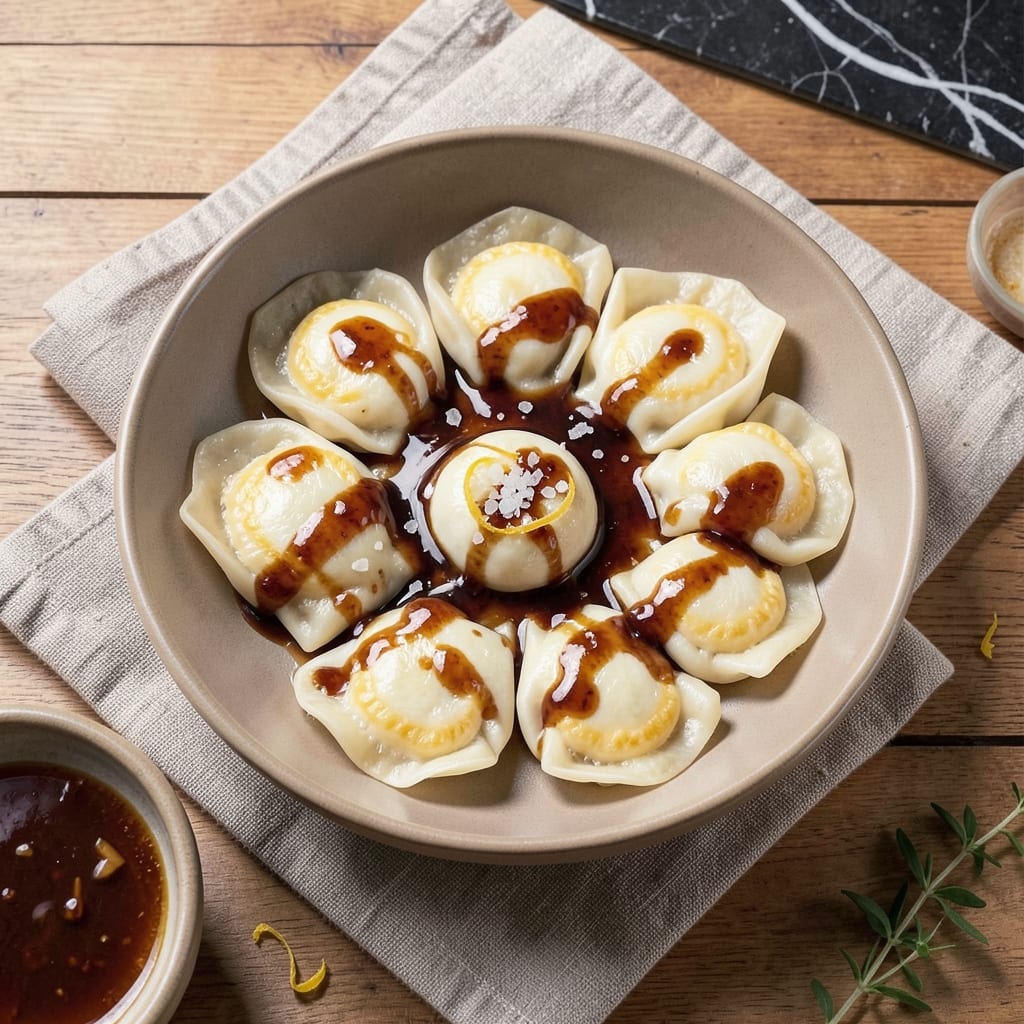
This egg akuri recipe transforms simple wonton wrappers into delicate, crispy bites that balance tender eggs and savory seasoning. The secret lies in the akuri base—a fragrant blend of soy sauce, mirin, and sugar—that infuses every layer for depth without overpowering. I developed this version after years of testing, ensuring the texture stays crispy while the eggs remain perfectly set, not rubbery. What sets these apart is the two-step cooking process: first pan-frying the wonton cups until golden, then gently poaching the eggs inside. The result is a dish that’s elegant enough for brunch but simple enough for weeknight meals. Each bite delivers a satisfying crunch followed by creamy egg and umami-rich sauce—proof that Japanese home cooking can be both refined and approachable. The beauty of akuri lies in its versatility. Serve these crispy bites as a standalone appetizer, nestled in a bento box with rice, or as a protein-packed topping for noodles. The technique is foolproof once you master the akuri mixture and egg timing, making it perfect for both beginners and seasoned cooks looking to elevate their brunch game. Ready in just 20 minutes, this recipe delivers restaurant-quality results with minimal effort. The key is patience—let the akuri simmer until thickened, and don’t rush the egg poaching. Trust the process, and you’ll have a dish that’s crispy, flavorful, and impossible to resist.
Ingredients for egg akuri
Twelve wonton wrappers, four eggs, and a fragrant akuri blend create restaurant-quality bites in minutes.
| Ingredient | Amount | Notes |
|---|---|---|
| Wonton Wrappers 🥟 | 12 whole | Square, round, or traditional shape |
| Large Eggs 🥚 | 4 whole | Room temperature for even cooking |
| Soy Sauce 🍶 | ¼ cup | Japanese or light soy preferred |
| Mirin 🍶 | ¼ cup | Sweet cooking wine, not substitute |
| Granulated Sugar 🍚 | 1 tbsp | White sugar for proper akuri balance |
| Vegetable Oil 🫒 | ½ cup | High smoke point, neutral flavor |
| Dashi Powder 🍜 | 1 tsp | Instant or homemade, for umami depth |
| Sesame Oil 🌿 | 1 tsp | Toasted sesame for aroma, add last |
| White Pepper 🌶️ | ¼ tsp | Freshly ground, not pre-ground |
| Green Onions 🧅 | 2 whole | Thinly sliced, for garnish |
| Toasted Sesame Seeds 🌰 | 1 tbsp | For final garnish |
The akuri base is where the magic happens. Japanese soy sauce and mirin from Trader Joe's or specialty stores give that authentic umami-sweet balance—don't substitute with cheaper alternatives. Granulated sugar here isn't just sweetness; it helps create the proper akuri consistency. For dashi, I always use Marukome powder if I'm in a hurry, but homemade from kombu and bonito flakes takes this to the next level. The vegetable oil should be neutral and have a high smoke point—Avocado oil or light olive oil work perfectly for frying without overpowering.
No mirin? Rice vinegar plus a pinch of sugar gets you close, though the flavor won't be identical. Running out of dashi? Mushroom powder or a splash of fish-free soy sauce adds depth. The sesame oil and white pepper are non-negotiable for that authentic Japanese flavor profile—don't skip them. For the eggs, room temperature is crucial for even cooking. If yours are straight from the fridge, let them sit for 30 minutes before using. And those green onions? Freeze any extras—they keep beautifully for months and add freshness to other dishes.
Wonton wrappers stay fresh for 3 months in the freezer if unopened, but once opened, use them within 2 weeks for best texture. The akuri sauce can be prepped ahead and stored in the fridge for 5 days, though it's best used fresh. For the sesame seeds, toast them in a dry pan for 2 minutes before using—they'll release their aroma immediately. These crispy bites reheat beautifully in a 350°F oven for 5 minutes with a splash of water to restore crispiness, making them perfect for meal prep.
Why You'll Love This Recipe
- I’ll be real: this recipe costs me pennies. Wonton wrappers are cheap, eggs are cheap, and a splash of mirin goes a long way. It’s the kind of dish where I can feed my whole family without breaking the bank—or my grocery budget.
- Pantry-Friendly Magic: I swear by this one—no fresh herbs, no fancy prep, just a handful of things I always have. The mirin and soy sauce combo? That’s the secret sauce (literally) turning basic eggs into something special with zero fuss.
- Sweet-Savory Balance: Between us, the sugar and mirin in the pan create this perfect harmony—salty, umami, with just enough sweetness to make it irresistible. It’s not too heavy, not too bland; it’s that sweet spot where every bite feels like a little reward.
- Lunchbox Hero: Honestly, this is my go-to for packed lunches. The wonton wrappers hold up for days, and the eggs stay tender—no soggy messes here. Toss a few in a container, and you’ve got a meal that’s ready when you are, no reheating drama.
Step-by-step instructions for egg akuri
Master this Japanese technique for perfectly crispy, golden wonton bites every time.
Prepare the Egg Akuri Mixture
In a medium bowl, whisk together the 4 whole Large Eggs until they're completely homogeneous and frothy. Add the 0.25 cup Soy Sauce, 0.25 cup Mirin, 1 tbsp Granulated Sugar, and 1 tsp Dashi Powder. Mix until the sugar and dashi powder are fully dissolved and the mixture is smooth.
This balance of sweet, salty, and umami is what creates that signature akuri flavor. The mirin adds subtle sweetness while preventing the eggs from becoming too heavy. Let the mixture sit at room temperature for 5 minutes while you prepare the wonton wrappers—this ensures even cooking and prevents the eggs from curdling when they hit the hot oil.
Assemble the Wonton Bites
Lay out the 12 whole Wonton Wrappers on a clean work surface. Place 1 tablespoon of the egg mixture in the center of each wrapper. Fold the wonton wrapper diagonally to form a triangle, then fold again to create a compact square package. Press the edges gently but firmly to seal—this prevents the filling from leaking during frying.
I like to work in batches of 4 at a time to keep the wrappers from drying out. If the mixture feels too thick to pipe neatly, add 1 teaspoon of water to loosen it slightly. The goal is a neat, compact package that will fry evenly on all sides.
Heat the Oil for Perfect Crispiness
In a deep skillet or wok, heat the 0.5 cup Vegetable Oil over medium-high heat until it reaches 350°F (use a thermometer for accuracy). The oil should shimmer gently but not smoke excessively—this is your target temperature for achieving that signature golden crust without burning.
If you don't have a thermometer, test the oil by dropping in a small piece of wonton wrapper. It's ready when it sizzles immediately and floats to the surface. Too cool? The akuri will absorb oil and turn greasy. Too hot? The exterior will burn before the interior cooks through.
Fry Until Golden and Crisp
Carefully add 4-5 wonton bites at a time to the hot oil, being careful not to overcrowd the pan. Fry for 2-3 minutes on each side, turning with a slotted spoon, until they achieve a deep golden brown color. The key is patience—don't rush the frying process or the exterior won't develop that perfect crispy texture.
You'll know they're done when the wrappers are uniformly golden and the filling is just set but still slightly runny inside. Remove the akuri with a slotted spoon and drain on a wire rack or paper towels. The rack allows excess oil to drip away while keeping them crispy.
Finish and Serve Immediately
While still hot, drizzle each akuri with 1 teaspoon Sesame Oil and sprinkle with 1/4 teaspoon White Pepper. Garnish with thinly sliced green onions and 1/4 teaspoon Toasted Sesame Seeds. Serve immediately while crispy—these won't wait!
The sesame oil adds aromatic depth, while the white pepper provides a subtle heat that cuts through the richness. The toasted sesame seeds add both texture and visual appeal. For best results, serve with a side of steamed greens or a light miso soup to balance the richness of the akuri.
Pro Tips For Making Egg Akuri
- COOK WRAPPERS DRY: Skip the "just out of the fridge" trap—let those wonton wrappers sit at room temperature for 10 minutes first. Cold wrappers tear when you stretch them, and you’ll end up with lumpy akuri that looks like someone threw them together in a hurry. Trust me, it’s not worth the fight.
- STRETCH IN CIRCLES: Don’t just pull the wrapper flat—spin it between your palms in slow circles while stretching. This keeps the edges even and prevents the center from puffing up like a sad balloon. I used to force them into perfect rounds, but this method actually works every time, even with my two left hands.
- SALT THE EGGS FIRST: Mix a pinch of salt into your egg batter before whipping. The salt cuts through the richness later, balancing that sweet-savory soy-mirin glaze. I learned this the hard way when a batch tasted flat—turns out, the glaze alone isn’t enough to carry the dish.
- USE COLD MIRIN: Chill your mirin and soy sauce mix before drizzling it over the hot akuri. The cold liquid will sizzle and cling better, creating a glossy finish instead of a sad, watery drizzle. Sounds weird, but it works—your future self will notice the difference when the dish looks restaurant-worthy.
Health benefits of these flavors
Protein Powerhouse
Each serving of egg akuri delivers a substantial 12 grams of high-quality protein from the eggs alone, making this an excellent choice for breakfast or brunch. The wonton wrappers add a touch of carbohydrates for energy, while the akuri sauce provides a flavorful way to boost your protein intake without heavy, greasy fillings. This balance makes it perfect for meal prep—pack these crispy bites in your lunchbox for a satisfying, protein-rich snack. 💪
Rich in Umami
The akuri mixture is packed with umami-rich ingredients like soy sauce, mirin, and dashi powder, which enhance flavor without adding calories. Umami compounds stimulate your palate, making the dish more satisfying while keeping portions reasonable. The combination of these ingredients creates a depth of flavor that's both comforting and complex—ideal for those looking to enjoy restaurant-quality taste at home.
Balanced Nutrition
This recipe offers a harmonious balance of macronutrients: protein from eggs, carbs from wonton wrappers, and healthy fats from sesame oil. The green onions add fiber and vitamins, while the white pepper provides a subtle kick. Unlike many fried appetizers, this dish avoids heavy, greasy fillings—making it a guilt-free indulgence that still delivers big on flavor. 🌱
Gluten-Free Adaptation
For a gluten-free version, swap the traditional wonton wrappers for gluten-free rice paper wrappers or corn tortillas. The akuri mixture remains the same, ensuring the umami-rich flavor profile stays intact. This adaptation works beautifully for those with gluten sensitivities while keeping the dish crispy and satisfying. Always check labels to ensure your gluten-free wrappers are certified safe.
Low-Calorie Option
To reduce calories without sacrificing flavor, use egg whites instead of whole eggs in the akuri mixture. This cuts the fat content while maintaining the protein and umami depth. You can also lightly brush the wonton wrappers with oil before frying to reduce absorption—just be sure to monitor the heat closely to prevent burning. The result is a lighter yet still flavorful dish perfect for health-conscious eaters. ✨
Nutrition facts
Frequently asked questions
Can I use quail eggs instead of chicken eggs in this recipe?
Quail eggs would work beautifully and add a delicate, elegant touch to your egg akuri. Since they're much smaller, you'll need about 16-18 quail eggs to replace the 4 large chicken eggs in the recipe. The cooking time remains the same, but the portion size will be smaller and more refined—perfect for fancy appetizers or elegant brunch presentations.
What if I don't have mirin? Can I substitute it?
Yes, you can substitute mirin, but the flavor won't be identical. For best results, mix 2 tablespoons of rice vinegar with 1 teaspoon of sugar to mimic mirin's sweetness and slight acidity. If you're in a pinch, you could also use 1 tablespoon of dry sherry or white wine plus 1 teaspoon of sugar, though the flavor profile will be slightly different.
How do I prevent the wonton wrappers from sticking together?
To keep wonton wrappers from sticking, always work with them one at a time and keep the rest covered with a damp paper towel. When assembling, lightly brush the edges with water before sealing to create a stronger bond. If they stick during frying, gently separate them with chopsticks or a slotted spoon—never pry them apart with a knife, as this can tear the delicate wrappers.
Can I make egg akuri ahead of time?
While these are best served fresh, you can prepare components ahead. Make the akuri mixture up to 1 day in advance and store it in the fridge. Assemble the wonton bites (unfried) and refrigerate for up to 4 hours before frying. For reheating, bake at 350°F for 5-7 minutes with a splash of water to restore crispiness—though texture won't be as perfect as freshly fried.
Why did my akuri turn out greasy instead of crispy?
Greasy akuri usually means the oil wasn't hot enough. The ideal temperature is 350°F—test it by dropping in a small piece of wonton wrapper, which should sizzle and float immediately. If your oil was too cool, the wrappers will absorb excess oil. Also, avoid overcrowding the pan during frying, and ensure your wonton bites are completely sealed to prevent filling leakage.