
Salads
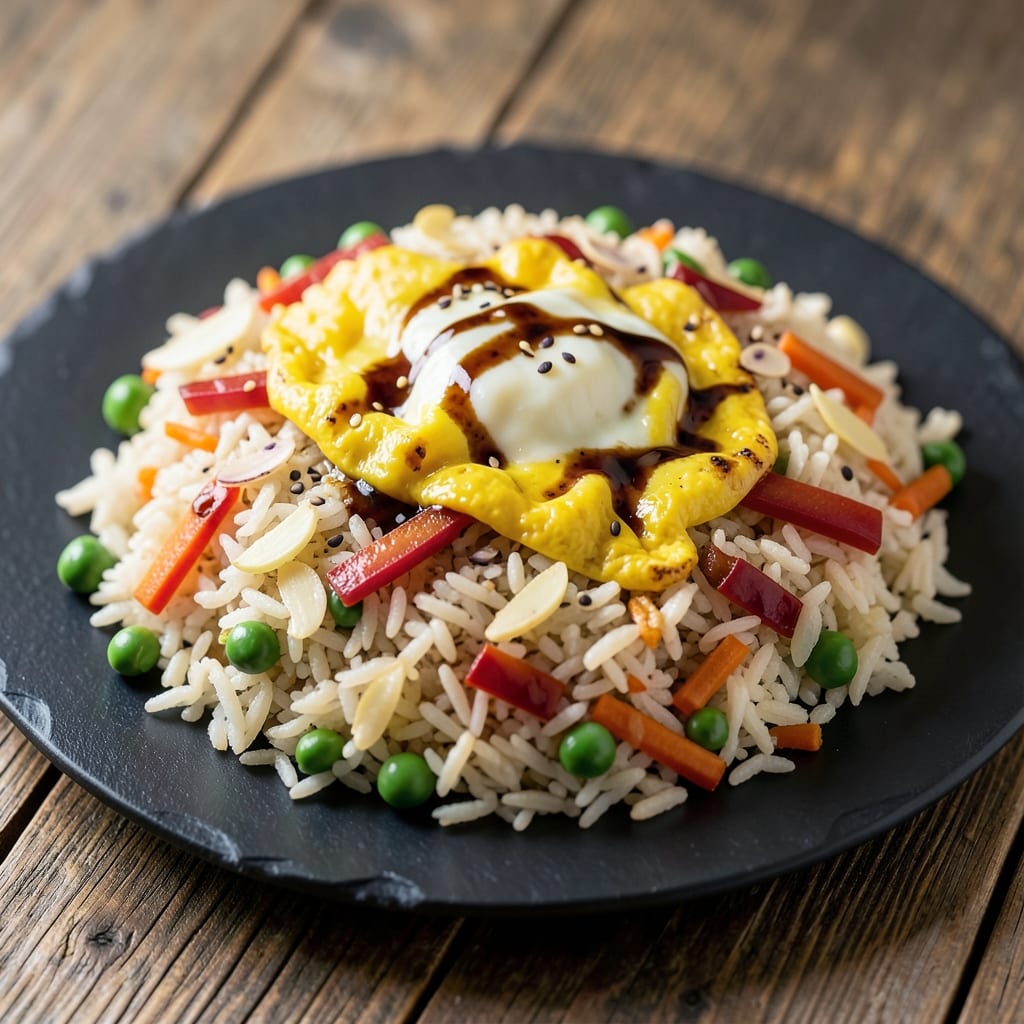
This easy fried rice recipe with egg and frozen vegetables transforms leftovers into a crispy, flavorful one-pan meal in just 15 minutes. The secret lies in high heat and quick stir-frying—no fancy skills required. I’ve perfected this version to deliver restaurant-style texture without the fuss, using pantry staples and frozen veggies for convenience that never compromises taste.
What sets this apart is the crispy edges and tender egg, achieved by cooking the rice first to dry it out slightly, then searing it with garlic and ginger. Frozen vegetables (like peas, carrots, and corn) add color and nutrients without sacrificing that signature wok-hei flavor. Serve it as-is or top with green onions and sesame seeds for a restaurant-worthy finish.
Ingredients for easy fried rice recipe with egg and frozen vegetables
Pantry staples and frozen veggies create crispy, restaurant-style fried rice in minutes.
| Ingredient | Amount | Notes |
|---|---|---|
| Day-Old Cooked White Rice 🍚 | 4 cups | Cold or room temperature preferred |
| Large Eggs 🥚 | 2 whole | Room temperature for even cooking |
| Frozen Mixed Vegetables 🥕🌽 | 1 ½ cups | Peas, carrots, corn blend preferred |
| Garlic Cloves 🧄 | 4 cloves | Minced for aromatic depth |
| Fresh Ginger 🌿 | 1 tbsp | Grated, or 1 tsp ground ginger |
| Soy Sauce 🥢 | 3 tbsp | Low-sodium preferred |
| Sesame Oil 🫒 | 1 tbsp | Toasted for nutty aroma |
| Vegetable Oil 🫒 | 2 tbsp | High smoke point preferred |
| Green Onions 🧅 | 3 whole | Thinly sliced for garnish |
| Toasted Sesame Seeds 🌰 | 1 tbsp | For garnish and texture |
| Salt 🧂 | ½ tsp | Adjust to taste |
| Black Pepper 🌶️ | ¼ tsp | Freshly ground for heat |
The rice is the foundation—day-old works best as it's drier and absorbs flavors better. Day-old or refrigerated rice from last night's dinner is ideal, but if you're using freshly cooked rice, spread it on a tray to dry slightly. For frozen vegetables, Trader Joe's or Costco brands offer well-balanced blends without excess sodium. The garlic and ginger should be freshly minced—pre-minced jars lack the same aromatic punch. If you're short on time, ground ginger works, but fresh is always superior for that bright, zesty kick.
No frozen veggies? Fresh peas, carrots, and corn work perfectly, but chop them into small, even pieces to mimic the texture of frozen. Soy sauce substitutes include coconut aminos or tamari for a gluten-free option. For extra protein, add chickpeas or tofu—just toss them in with the veggies at the end. Sesame oil can be swapped for avocado oil or peanut oil, though the flavor will differ slightly. If you're avoiding sesame, toasted coconut oil adds a nice alternative aroma.
Store leftovers in an airtight container for up to 4 days in the fridge, though it's best reheated within 2 days for optimal texture. For freezing, portion into single servings and reheat in a skillet with a splash of water to restore crispiness. This dish reheats beautifully—just stir-fry for 2-3 minutes over medium-high heat. Garnishes like green onions and sesame seeds can be added fresh after reheating to keep them vibrant.
Why You'll Love This Recipe
- No-Chop Nightmare: I swear by this trick—just toss in frozen veggies straight from the bag, no thawing, no chopping. The peas, carrots, and corn stay bright and sweet, and the garlic-ginger sizzle in the wok while I’m still cracking eggs into a bowl. (Yes, even on a Tuesday night.)
- Crispy-Creamy Magic: That first bite? The wok-hei sear on the egg yolk—still runny in the center—mixing with the day-old rice’s slight chew and the snap of frozen veggies? Honestly, it’s the kind of balance that makes me pause mid-bite. The ginger lingers like a secret spice, and the garlic? It’s the star without trying too hard.
- Leftover Hero: This fried rice actually improves the next day. The flavors meld deeper, the rice gets that perfect texture, and I’m left with a meal that’s ready in seconds—just reheat with a splash of water. I make double batches on Sundays because it’s my go-to for lazy days or when friends drop by unannounced. (They always ask for the recipe.)
- Pantry Superstar: Between us, this recipe is my budget-friendly lifesaver. Frozen veggies last forever, eggs are cheap, and that day-old rice? It’s not waste—it’s a rule. I’ve fed four people for under $8 with this, and the only thing I’m stressing about is whether to add soy sauce or oyster sauce next. (Spoiler: Both.)
Step-by-step instructions for easy fried rice with egg and frozen vegetables
Here's how to transform simple ingredients into restaurant-quality fried rice with perfect texture.
Prepare the Base Ingredients
Break up the 4 cups day-old cooked white rice with your fingers or a fork into small, even pieces. The rice should be completely cool—this prevents steaming when you add it to the hot pan. If it's still warm, spread it on a plate and refrigerate for 10 minutes to speed up the process. I like to work with room-temperature rice because it absorbs flavors better and develops better texture during cooking.
In a small bowl, whisk together the 2 whole large eggs until the yolks and whites are fully combined. Add 0.5 teaspoon salt and 0.25 teaspoon black pepper to the egg mixture and whisk again. This seasoning step ensures the eggs are flavorful before they cook, rather than relying solely on the soy sauce later. Keep the eggs at room temperature—they'll cook more evenly and won't curdle as easily.
Sauté Aromatics and Cook the Eggs
Heat a large skillet or wok over medium-high heat until hot. Add 2 tablespoons vegetable oil and swirl to coat the pan evenly. Once the oil shimmers, add the 4 cloves minced garlic and 1 tablespoon grated fresh ginger. Cook for 30 seconds until fragrant—you should smell that bright, aromatic punch. This quick cooking step prevents the garlic from burning while maximizing its flavor.
Push the aromatics to one side of the pan, then pour in the seasoned eggs. Let them sit undisturbed for 10-15 seconds until the edges begin to set. Then gently scramble with a spatula until just cooked through—soft curds are perfect for fried rice. Remove the eggs from the pan and set aside temporarily. The residual heat will keep them warm while you prepare the rest of the dish.
Stir-Fry Vegetables and Combine Ingredients
Add the 1.5 cups frozen mixed vegetables directly to the same pan (no need to thaw first). Stir-fry for 3-4 minutes until the vegetables are tender but still retain some bite. If the vegetables release a lot of moisture, let it evaporate before proceeding—this prevents a soggy fried rice. The high heat ensures the vegetables develop a slight char while staying crisp-tender.
Push the vegetables to one side of the pan, then add the 4 cups broken-up rice to the empty space. Stir-fry the rice for 1 minute to heat it through and develop some color. Then pour in the 3 tablespoons soy sauce and 1 tablespoon sesame oil. Stir constantly for 2-3 minutes until the rice is evenly coated and begins to crisp at the edges. This is where the magic happens—the soy sauce infuses the rice with umami flavor while the sesame oil adds nutty depth.
Finish and Garnish
Return the scrambled eggs to the pan and stir everything together for 1-2 minutes until well combined. The residual heat will gently cook the eggs again, creating a cohesive texture throughout the dish. Taste and adjust seasoning if needed—you might want to add a splash of water or an extra dash of soy sauce for the perfect balance.
Remove the fried rice from heat and transfer to serving plates. Garnish with 3 whole green onions (thinly sliced) and 1 tablespoon toasted sesame seeds. The green onions add a fresh, bright contrast to the rich fried rice, while the sesame seeds provide a satisfying crunch and nutty aroma. Serve immediately while still hot for the best texture and flavor.
Pro Tips For Making Easy Fried Rice Recipe With Egg And Frozen Vegetables
- STIR-FRY THE VEGETABLES FIRST: Frozen veggies release moisture when heated—toss them in the wok alone for 2-3 minutes on high heat until they’re just thawed and slightly wilted. This prevents a soggy, watery fried rice later. (Yes, even if they look dry at first—they’ll soften fast.)
- USE COLD RICE: Break up day-old rice with your hands before adding it—it’s already dry and separates easily. Fresh rice turns mushy; cold rice holds its shape and absorbs flavors better. (Pro move: Spread leftover rice on a tray to cool faster if you’re short on time.)
- SCRAMBLE EGGS SEPARATELY: Push the egg mixture to the edge of the pan and let it set for 10 seconds before folding it into the rice. This keeps the eggs creamy instead of breaking into tiny bits. (I learned this after making fried rice where the egg looked like scrambled confetti.)
- MINCE GINGER FINELY: Use a microplane or knife to make it nearly invisible—this way, the ginger flavor blends smoothly without chunks. Skip the food processor; it turns ginger into a paste that clumps. (Your taste buds will notice the difference, even if no one else does.)
Pro cooking tips for perfect results
High Heat Secrets
Your wok or skillet needs to be scorchingly hot—I mean medium-high to high heat—before adding oil. Test it by flicking a drop of water; if it sizzles and evaporates instantly, you're ready. This ensures those crispy edges on every rice grain. I use a 14-inch carbon steel wok from Mauviel for even heat distribution, but a heavy stainless steel skillet works too. Preheat for 2-3 minutes before cooking. 🔥
Rice Texture Tricks
Day-old rice is non-negotiable—it’s drier and absorbs flavors better. If you’re using fresh rice, spread it on a tray and refrigerate for 10 minutes to mimic day-old texture. Break it into pea-sized pieces with your hands; larger clumps won’t crisp properly. Pro tip: Add a splash of water (1-2 teaspoons) to the pan while stir-frying if the rice seems too dry, but only if needed. Overcrowding the pan steams the rice instead of crisping it.
Egg Perfection
Scramble the eggs just until set—soft curds are key for fried rice texture. Let them sit undisturbed for 10-15 seconds after pouring into the pan to create a slightly runny center. Room-temperature eggs cook more evenly, so take them out of the fridge 30 minutes before cooking. If your eggs curdle, reduce heat slightly next time or use a nonstick pan. 🥚
Vegetable Timing
Frozen veggies should be tender but still crisp—overcooking releases moisture, turning your fried rice into a mushy mess. Stir-fry for exactly 3-4 minutes on high heat, then let any excess water evaporate before adding rice. For extra flavor, toss the veggies with ½ teaspoon soy sauce before adding them to the pan. If using fresh veggies, cut them into uniform small pieces to ensure even cooking.
Soy Sauce Magic
Use low-sodium soy sauce for better flavor control, and add it after the rice is heated through. Stir constantly for 2-3 minutes to let the sauce penetrate every grain. For deeper umami, add ½ teaspoon fish sauce or a dash of white pepper at the end. If your fried rice tastes flat, it’s likely under-seasoned—don’t be shy with the soy sauce! 🥢
One-Pan Efficiency
Work in one pan to retain heat and prevent temperature drops. Cook the eggs first, then set them aside while you stir-fry the veggies—this keeps everything hot. If your pan isn’t large enough, cook the rice in batches, but keep it warm in a covered bowl over low heat. For extra crispiness, press the rice into the pan with a spatula for 10 seconds before stirring again. This creates those coveted crunchy bits every bite. ✨
Nutrition facts
Frequently asked questions
Can I use freshly cooked rice instead of day-old?
Fresh rice works in a pinch, but it'll be mushier. Spread freshly cooked rice on a tray and refrigerate for 10 minutes to dry it out slightly. For best texture, use rice that's at least 6 hours old. The drier the rice, the better it crisps up during stir-frying!
What if my frozen veggies are still icy when I add them?
No need to thaw them first! The high heat will cook them through. Just stir-fry for 3-4 minutes until tender but still crisp. If they release too much water, let it evaporate before adding rice to prevent a soggy dish. The ice crystals will melt and cook off during this time.
How do I make this gluten-free?
Swap regular soy sauce for tamari or coconut aminos (use the same amount). Check your frozen veggie package for hidden gluten—some brands add soy-based seasonings. For extra protein, add chickpeas or tofu cooked separately and tossed in at the end.
Why does my fried rice turn out mushy?
Overcrowding or undercooking are usually the culprits. Use a large enough pan and cook in batches if needed. Make sure your pan is scorchingly hot before adding rice, and stir constantly for 2-3 minutes until crispy edges form. Fresh rice or too much moisture from veggies also causes mushiness.
Can I make this ahead of time?
Store in an airtight container for up to 4 days in the fridge. For best texture, reheat in a skillet with 1 teaspoon oil over medium-high heat for 2-3 minutes, stirring constantly. Add a splash of water if needed to restore crispiness. Garnish with fresh green onions after reheating.