
Breakfast & Brunch
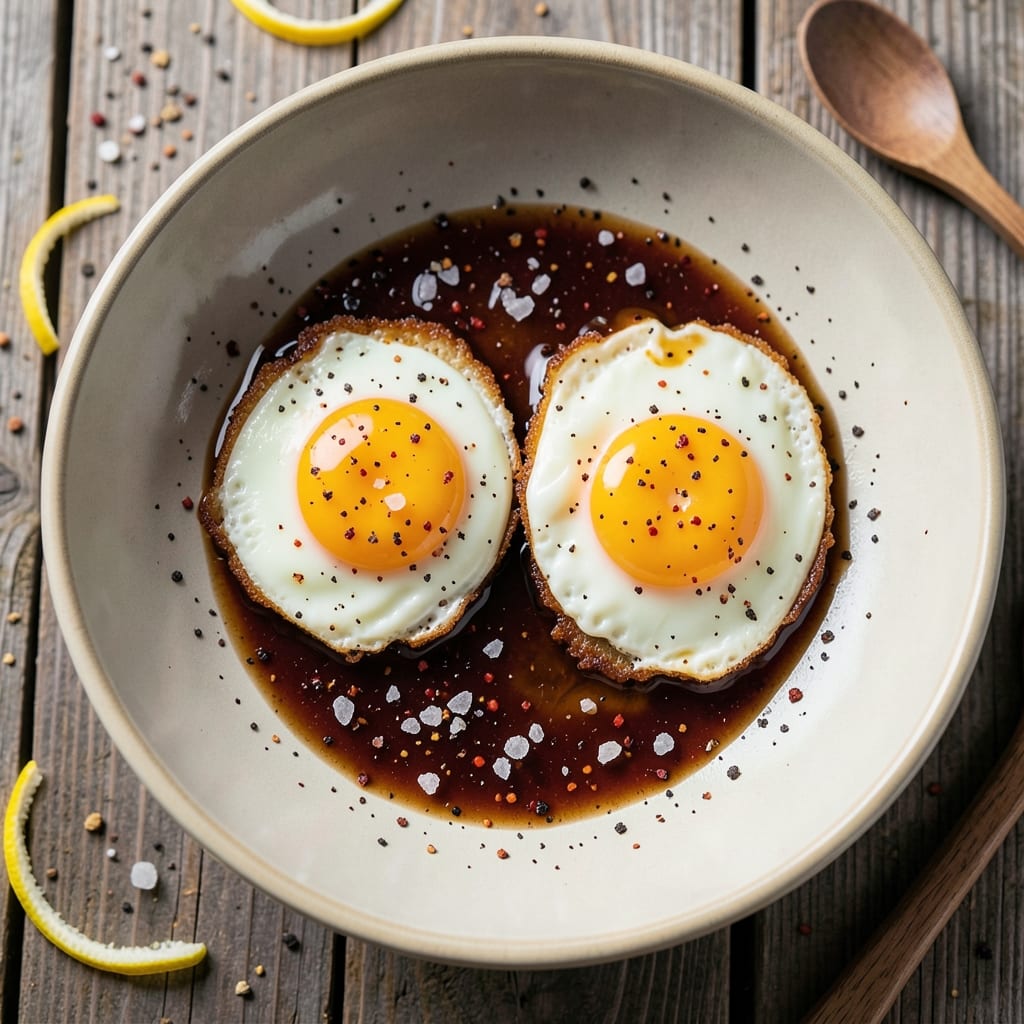
Mastering double fried eggs transforms a simple breakfast into a restaurant-worthy dish with crispy shells and a perfectly roasted yolk. The secret lies in precise heat control and high-smoke-point oil—technique matters more than ingredients here. I’ve perfected this method after years of trial (and a few burnt attempts), ensuring every bite delivers that satisfying crunch and creamy texture.
This recipe focuses on two critical stages: first frying creates the foundational crispiness, while the second roasting develops that signature caramelized yolk. You’ll need just two eggs, neutral oil, and a well-heated pan, but the execution requires patience—rushing leads to rubbery shells or undercooked yolks. The result? Eggs that stay crispy even after resting, with yolks that flow like liquid gold.
Serve these eggs on toast, rice, or fresh greens for a complete dish, or enjoy them as-is with a sprinkle of flaky salt. The crispy exterior contrasts beautifully with the rich, custard-like yolk, making this technique worth the effort. Optional toppings like soy sauce, chili flakes, or herbs can elevate the flavor further.
Whether you’re cooking for yourself or impressing guests, this method delivers restaurant-quality results at home. The key is confidence—once you nail the heat and timing, every batch will turn out perfectly. Let’s get started!
Ingredients for double fried egg
Two eggs and precise technique transform breakfast into a crispy, golden masterpiece.
| Ingredient | Amount | Notes |
|---|---|---|
| Large Eggs 🥚 | 2 whole | Room temperature for even cooking |
| Neutral High-Smoke-Point Oil 🫒 | ½ cup | Avocado or grapeseed preferred |
| Flaky Sea Salt 🧂 | ½ tsp | Diamond Crystal preferred |
| Freshly Ground Black Pepper 🌶️ | ¼ tsp | Freshly cracked for maximum aroma |
| Soy Sauce 🥢 | 1 tbsp | For optional serving drizzle |
| Chili Flakes 🌶️ | ¼ tsp | Optional for heat preference |
| Fresh Cilantro 🌿 | ¼ cup | Chopped, for garnish |
The eggs are the only non-negotiable ingredient—use large eggs at room temperature for even cooking. The oil is where technique matters most: high-smoke-point oils like avocado or grapeseed prevent burning while achieving that signature crispiness. I recommend store-brand oils from Whole Foods or Trader Joe's for the best balance of affordability and quality. The flaky sea salt should be Diamond Crystal—it dissolves beautifully without graininess, enhancing the final presentation. Freshly ground black pepper adds subtle depth that pre-ground simply can't match.
No soy sauce? A splash of fish sauce works in a pinch (though technically vegetarian), or simply omit for a cleaner profile. The chili flakes are entirely optional—adjust to taste, or swap for smoked paprika for a different heat profile. Fresh cilantro brightens the dish, but dried oregano at one-third the amount suffices if you're out. For the oil, vegetable or canola work in emergencies, but they'll burn more easily. The key is patience—don't rush the frying process, even if it means adjusting the heat between batches.
Store any unused oil in a sealed container for up to 6 months at room temperature. The eggs should be cooked fresh for optimal texture, but the remaining ingredients keep indefinitely. The flaky salt and chili flakes can be stored in airtight containers for 12 months—just keep them away from moisture. For best results, make these eggs fresh and serve immediately, though they'll maintain their crispiness for about 10 minutes after cooking. The soy sauce and cilantro should be refrigerated if not used within a week.
Why You'll Love This Recipe
- I swear by this trick: just eggs, oil, and salt. That’s it. The double-fry magic—first gentle, then crisp—turns ordinary eggs into something restaurant-worthy without cluttering your pantry.
- Two-Ingredient Core: I swear by this trick: just eggs, oil, and salt. That’s it. The double-fry magic—first gentle, then crisp—turns ordinary eggs into something restaurant-worthy without cluttering your pantry.
- Umami Magic: One splash of soy sauce at the end? Chef’s kiss. It’s the secret weapon—deep, savory, and just enough to make your taste buds sit up. The black pepper crackle? Even better.
- Lazy Breakfast Hero: Honestly, this is my "I can’t be bothered" breakfast when I’m running late. Fry a batch Sunday night, store them in the fridge, and reheat in seconds—still crispy, still perfect.
Step-by-step instructions for double-roasted eggs
Mastering the double-fry technique yields perfect crispy shells and silky yolks every time.
Prepare the Eggs for First Fry
Crack the 2 whole Large Eggs into a small bowl and gently whisk them until just combined. Room temperature eggs prevent cracking during frying, so ensure they're at room temperature before starting. The goal here is to create a smooth, uniform consistency that will fry evenly.
Heat a nonstick skillet over medium heat and add 0.25 cup of the neutral high-smoke-point oil. You'll want enough oil to coat the bottom of the pan about ¼-inch deep. Let the oil heat through for 1-2 minutes until it shimmers slightly—this indicates it's ready for frying without burning the eggs.
Carefully pour the eggs into the skillet, spacing them about 2 inches apart. Cook undisturbed for 2-3 minutes until the whites are set but the yolks remain runny. You'll know they're ready when the edges lift easily and the whites appear opaque throughout. This first fry creates the foundation for the crispy texture.
First Rest and Seasoning
Using a slotted spatula, carefully transfer the partially fried eggs to a wire rack set over a plate. Let them rest for 1-2 minutes—this allows excess moisture to evaporate, which is crucial for achieving crispiness in the second fry. The resting period also helps the whites firm up slightly.
While the eggs rest, season each one with ¼ tsp of the flaky sea salt and ⅛ tsp of the freshly ground black pepper. Sprinkle evenly over the whites, focusing on the top half. The salt enhances flavor while the pepper adds depth. This seasoning step happens before the second fry to ensure the flavors penetrate the crispy shell.
Second Fry for Crispy Perfection
Return the skillet to medium-high heat and add the remaining 0.25 cup of neutral high-smoke-point oil. Let the oil heat through again until it's shimmering. The high heat is essential for creating that signature crispy texture in the second fry.
Carefully place the seasoned eggs back into the skillet, spacing them properly. Fry for 1-2 minutes per side, watching closely as the whites become golden brown and crispy. You're aiming for a deep, even color that indicates proper crispiness. The yolks should remain runny at this stage—they'll set during the final resting period.
Here's the thing—don't overcrowd the pan. If you try to fry both eggs simultaneously, they'll steam rather than crisp. Work in batches if needed, but maintain that medium-high heat for consistent results. The second fry transforms the eggs from tender to perfectly crispy.
Final Rest and Garnish
Transfer the double-fried eggs to a clean plate and let them rest for 1-2 minutes before serving. This final resting period allows the yolks to set slightly while maintaining their creamy texture. The crispy shells will stay firm, and the yolks will remain rich and vibrant.
Garnish each egg with ⅛ cup of the chopped fresh cilantro and a few sprinkles of the remaining chili flakes if desired. The cilantro adds freshness that cuts through the richness, while the chili flakes introduce subtle heat. For serving, you can drizzle with the soy sauce for an umami kick—this is completely optional but enhances the overall flavor profile.
Serve immediately while the shells are at their crispiest. The contrast between the crispy exterior and silky yolk creates an unforgettable texture experience. Each bite should deliver that satisfying crunch followed by the creamy yolk—this is what makes double-fried eggs so special.
Pro Tips For Making Double Fried Egg
- CRANK THE HEAT HIGH: The first fry needs to be screaming hot—think 350°F (175°C) or where smoke almost hugs the pan. I learned this the hard way after making eggs with a lukewarm oil bath that yielded sad, greasy yolks instead of crispy edges. A second later, the oil should shimmer like a desert mirage.
- SALT THE EGGS FIRST: Toss your eggs in a bowl with a pinch of flaky sea salt and a crack of black pepper before cracking them into the pan. The salt clings to the whites, giving you that perfect seasoning in every bite without overpowering the delicate balance. (Yes, even if you’re impatient like me—just don’t drown them.)
- DRAIN THE FIRST FRY: After the first fry, let the eggs sit for 30 seconds, then transfer them to a wire rack or paper towel-lined plate to drain excess oil. Skipping this step means your second fry will turn into a greasy mess instead of a crispy, caramelized finish. Your future self will thank you—trust me.
- USE COLD EGGS FROM THE FRIDGE: Pull your eggs straight from the fridge and let them sit for 10 minutes before cracking. Cold eggs hold their shape better during the first fry, and the yolks stay plump instead of spreading into a greasy puddle. I was skeptical until I tried it—now it’s non-negotiable for me.
Dietary considerations for this dish
Vegetarian-Friendly Base
Double-fried eggs are naturally vegetarian since they rely solely on eggs, oil, and simple seasonings. The recipe avoids meat entirely while delivering a satisfying, protein-rich dish. With just 2 eggs and neutral oil, this method creates a crispy, flavorful centerpiece that works as a standalone meal or breakfast component. 🥚
Gluten-Free Adaptation
This recipe is inherently gluten-free since it contains no wheat-based ingredients. The only potential concern is cross-contamination if your pan has previously held gluten-containing foods. For strict gluten-free cooking, use a dedicated nonstick skillet or thoroughly clean your pan with hot, soapy water before starting. The crispy texture remains intact without any modifications.
Egg Allergy Considerations
For those with egg allergies, this recipe is not suitable as the foundation requires eggs. However, you could experiment with a similar double-frying technique using tofu cubes or chickpea flour patties for a protein-rich alternative. The crispy texture would transfer, though the flavor profile would differ significantly. Always consult with an allergist before attempting substitutions.
Low-Cholesterol Options
While eggs do contain cholesterol, this recipe focuses on the cooking method rather than modifying the ingredient itself. For a lower-cholesterol version, you could use egg whites only, though the texture would be less rich. The double-frying technique works best with whole eggs for that signature creamy yolk. If cholesterol is a concern, consider pairing these eggs with high-fiber sides like sautéed spinach or whole-grain toast to balance the meal.
Dairy-Free Compatibility
This recipe is completely dairy-free, making it suitable for lactose-intolerant individuals. The base ingredients—eggs, oil, and seasonings—contain no dairy products. For added flavor without dairy, consider using nutritional yeast as a garnish instead of cheese. The crispy texture and rich yolk remain unchanged, making this a naturally dairy-free option that still delivers restaurant-quality results. 🌱
Nutrition facts
Frequently asked questions
Why do I need to double-fry the eggs?
The first fry sets the whites while keeping yolks runny, while the second fry at higher heat creates that signature crispy shell. This two-stage process ensures the perfect contrast between the crispy exterior and creamy yolk that makes double-fried eggs so special. Skipping the second fry results in soft, steamed eggs rather than the restaurant-quality texture you're aiming for.
Can I use butter instead of oil for double-frying?
Butter has a lower smoke point (350°F) and burns easily at the high heat needed for crispy shells. Stick with neutral high-smoke-point oil like avocado or grapeseed oil for consistent results. If you must use butter, add it only in the final moments of the second fry for flavor, but don't substitute it entirely. The texture difference will be noticeable.
How do I keep the eggs crispy after resting?
Resting is crucial—it evaporates excess moisture that would make shells soggy. Place eggs on a wire rack over a plate (not directly on the plate) for 1-2 minutes between frying stages. Serve immediately after the final rest, as crispiness diminishes after 10 minutes. For extra insurance, keep the eggs warm in a 200°F oven while plating.
What's the best way to reheat leftover double-fried eggs?
Reheating destroys the crispy texture, but you can revive them slightly by frying again for 30 seconds per side in fresh hot oil. For best results, cook fresh and enjoy immediately. If you must reheat, focus on the top of the whites only to restore some crispiness. The yolks will soften, but the technique helps maintain some texture.
Can I make double-fried eggs in an air fryer?
Air fryers struggle with the precise heat control needed for this technique—they can't maintain the high, even heat required for crispy shells while keeping yolks runny. Stick with a stovetop skillet for authentic results. If you're determined to try, use the air fryer only for the second crisping stage at 375°F for 1-2 minutes, but expect less consistent results.