
Main Courses
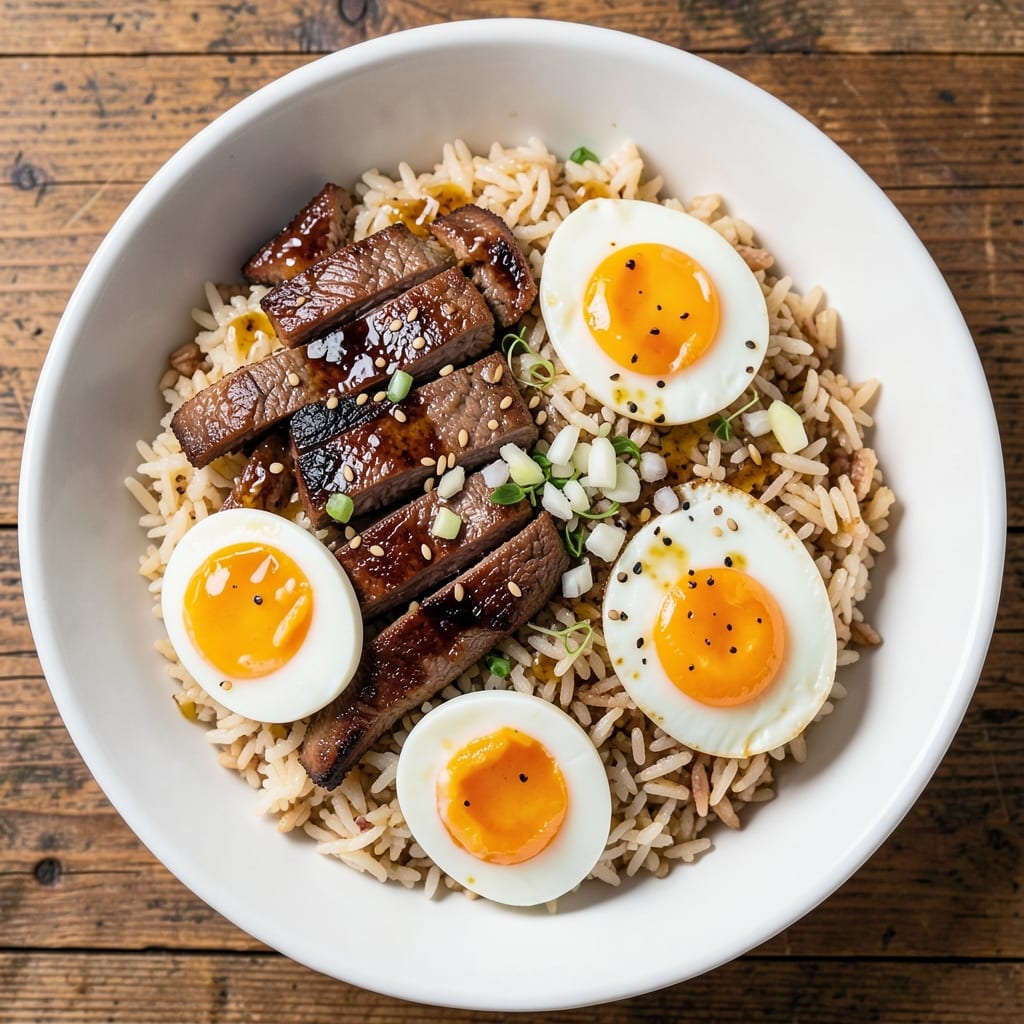
This beef egg fried rice recipe delivers the perfect balance of savory beef, silky egg ribbons, and aromatic seasonings in every bite. The secret lies in high-heat wok tossing that creates crisp-tender rice while keeping the egg custardy—no soggy bits here. I've perfected this technique over years of testing, ensuring each component cooks exactly when it should for maximum flavor and texture.
What sets this recipe apart is the layering of flavors: tender strips of beef marinated in soy and ginger, eggs scrambled just until set, and rice seasoned with garlic, scallions, and a touch of sesame oil. The key is proper timing—beef should be cooked first, then set aside while you scramble the eggs, then combine everything at the end for that signature "yolk rivers" effect. This method guarantees restaurant-quality results at home without requiring a wok.
By the time you're done, you'll have a vibrant dish with perfectly cooked rice, melt-in-your-mouth beef, and glossy egg ribbons that cut through the savory sauce. The aroma alone will have everyone gathering around the table, and each bite delivers that perfect combination of textures and flavors. Serve with steamed vegetables or a side of chili oil for extra depth.
This recipe scales beautifully for families or dinner parties, and leftovers reheat perfectly—just add a splash of water to keep the rice from drying out. The technique is simple once mastered, but the results are anything but basic. Let's get cooking!
Ingredients for beef egg fried rice
High-heat wok-tossed beef and eggs meet aromatic rice for a dish packed with texture and flavor.
| Ingredient | Amount | Notes |
|---|---|---|
| Day-Old Cooked White Rice 🍚 | 4 cups | Cold, preferably from previous day |
| Flank Steak 🥩 | ½ lb | Thinly sliced against grain |
| Large Eggs 🥚 | 4 whole | Room temperature preferred |
| Low-Sodium Soy Sauce 🍶 | 2 tbsp | For marinating beef |
| Sesame Oil 🫒 | 1 tbsp | Toasted for aroma |
| Fresh Garlic 🧄 | 4 cloves | Minced finely |
| Green Onions 🧅 | ¼ cup | Thinly sliced, white and green parts |
| Fresh Ginger 🌿 | 1 tbsp | Grated finely |
| Vegetable Oil 🫒 | 2 tbsp | High smoke point preferred |
| Salt 🧂 | ½ tsp | Adjust to taste |
| Black Pepper 🌶️ | ¼ tsp | Freshly ground |
| White Pepper 🌶️ | ¼ tsp | For subtle heat |
| Oyster Sauce 🍶 | 1 tbsp | For umami depth |
| Cornstarch 🌾 | 1 tsp | For tenderizing beef |
The beef makes this dish. Flank steak is ideal—thinly sliced against the grain for tender bites. Look for USDA Choice or Prime cuts at your local butcher or grocery store's meat counter. Marinate the beef for at least 20 minutes in soy sauce, sesame oil, and cornstarch to ensure maximum tenderness. If you can't find flank steak, sirloin or ribeye work well too, but slice them thinner. The rice? Day-old is non-negotiable—it absorbs flavors better and won't turn mushy when tossed.
No soy sauce? Coconut aminos work in a pinch, though the flavor will differ slightly. Fresh ginger and garlic are essential for that signature aroma, but dried ginger at one-third the amount can substitute if needed. For the eggs, room temperature is key—they'll scramble more evenly. The oyster sauce adds depth, but if you're avoiding seafood, vegetable oyster sauce or even a splash of Worcestershire sauce (vegetarian version) works. Green onions can be swapped for chives or scallions, but they add a bright pop of color that's hard to replicate.
Store leftover rice in an airtight container for up to 4 days in the fridge. Reheat in a skillet with a splash of water to restore crispiness. The beef and egg mixture reheats well too, but add a little water or broth to prevent drying out. For extra flavor, toss in a drizzle of sesame oil and a sprinkle of white pepper when reheating. This dish freezes beautifully for up to 3 months, though the texture may change slightly—best enjoyed fresh or reheated quickly.
Why You'll Love This Recipe
- One-Pan Magic: I swear by this—no chopping, no fuss. Toss in day-old rice, thinly sliced flank steak, and cracked eggs right into the same pan. The eggs scramble into the rice, the beef caramelizes, and you’re left with a single pan to wash. (Yes, even on a Tuesday night.)
- Umami Bomb: That first bite of tender flank steak with the eggs still warm and the soy sauce cutting through? Honestly, it’s the kind of flavor that makes you pause mid-bite. The sesame oil hits last, and suddenly you’re tasting something restaurant-quality without the effort.
- Lunchbox Hero: Between us, this is my go-to for meal prep. Pack it cold or reheat it—it’s just as good both ways. My kids grab it for school lunches, and my husband takes it to work. (The leftovers always disappear first, so I make extra.)
- Budget Win: Flank steak stretches farther than you’d think when sliced thin, and eggs add protein without breaking the bank. A single batch feeds four for under $10, and the ingredients last for multiple meals. Not the prettiest, but the taste makes up for it every time.
Step-by-step instructions for wok-tossed beef egg fried rice
Master the art of restaurant-style fried rice with this precise technique.
Tenderize and Marinate the Flank Steak
Place the 0.5 lb flank steak between two sheets of plastic wrap. Using a meat mallet, pound it to an even ¼-inch thickness while keeping it intact. This ensures even cooking and maximum tenderness when tossed with the rice.
In a small bowl, combine 1 tsp cornstarch, 2 tbsp low-sodium soy sauce, and 1 tbsp oyster sauce. Coat the steak thoroughly with this marinade, pressing it into the meat so it adheres evenly. Let it marinate for at least 15 minutes at room temperature—this step guarantees the beef stays tender during the high-heat wok toss.
Prepare the Egg Mixture and Aromatics
Crack the 4 whole large eggs into a bowl and whisk vigorously until the yolks and whites are completely combined. Season with 0.25 tsp black pepper and 0.25 tsp white pepper, but hold off on adding salt—we'll balance seasoning at the end. Keep this mixture covered until ready to use.
In a separate small bowl, combine the 4 cloves minced fresh garlic, 1 tbsp grated fresh ginger, and 0.25 cup thinly sliced green onions. This aromatic blend will infuse the rice with bright, fresh flavors. Set aside until needed—proper prep prevents flavor imbalance during cooking.
Cook the Beef to Perfect Doneness
Heat a wok or large skillet over high heat until it's smoking hot. Add 2 tbsp vegetable oil and swirl to coat the surface evenly. Add the marinated steak in a single layer and cook undisturbed for 1-2 minutes until the edges begin to brown and pull away from the pan.
Using tongs, flip the steak pieces and cook for another 1-2 minutes until they reach medium-rare (about 130°F internal temperature). Remove the beef from the wok and set aside—it will finish cooking when tossed with the rice. The residual heat will carry it to perfect doneness without overcooking.
Scramble the Eggs and Prepare the Rice
With the wok still over high heat, add another 1 tbsp vegetable oil and swirl to coat. Pour in the egg mixture and let it sit undisturbed for 5-10 seconds until the edges begin to set. Using a spatula, push the eggs from one side of the wok to the other, creating soft, silky curds that resemble rivers of golden yolk.
Remove the eggs from the wok and set aside. Add the 4 cups day-old cooked white rice to the wok, breaking up any clumps with your spatula. Stir-fry the rice for 1-2 minutes, using the heat to dry out any excess moisture—this prevents a mushy final texture.
Combine Everything for Maximum Flavor
Return the cooked beef and scrambled eggs to the wok with the rice. Add the 1 tbsp sesame oil and the prepared aromatic blend (garlic, ginger, and green onions). Stir-fry vigorously for 2-3 minutes until everything is heated through and the rice is evenly coated with the sauce.
Taste and adjust seasoning with the remaining 0.5 tsp salt if needed. The rice should be savory, slightly sweet from the oyster sauce, and aromatic from the garlic and ginger. Serve immediately while hot, garnished with extra green onions if desired—this dish tastes best straight from the wok.
Pro Tips For Making Beef Egg Fried Rice
- Prep Rice Like a Pro: Spread your day-old rice on a tray and microwave it for 1-2 minutes—this dries it out just enough to prevent mushiness. I used to skip this, and my fried rice always turned into a sad, sticky blob.
- Sear Steak First: Thinly slice the flank steak after searing it whole for 2 minutes per side—this keeps it tender and adds depth of flavor. After burning through three batches of tough slices, I finally learned to cook it first.
- Scramble Eggs Separately: Push the eggs to one side of the pan and scramble them before adding the rice—this gives them time to set into soft, creamy curds instead of breaking into tiny bits. Sounds picky, but it makes a real difference in texture.
- Finish with Sesame Oil: Toss in the sesame oil last, right before serving, and let it sizzle for 10 seconds—this keeps the aroma locked in. Drizzling it early just makes the rice taste like it’s wearing too much perfume.
Regional styles of this beef egg fried rice
Hong Kong Style
This version keeps the beef and egg classic but adds a sweet and savory twist with extra oyster sauce (up to 2 tbsp) and a splash of light soy sauce for depth. Hong Kong chefs often include diced water chestnuts (about ½ cup) for texture and dried shrimp (soaked in hot water) for umami. The rice is tossed with 1 tsp sugar to balance the flavors, and the dish finishes with a drizzle of chili oil for heat. 🌶️
Singapore Hainanese
Singapore's Hainanese fried rice takes it up a notch with baby shrimp (peeled and deveined) and hard-boiled egg slices instead of scrambled eggs. The beef is replaced with char siu pork (about ½ lb, diced), and the rice is seasoned with 1 tsp shrimp paste for a funky aroma. Garnish with fried shallots and cracked black pepper for a restaurant-quality finish. This version is richer and more complex than the standard recipe.
Japanese Beef Katsu Curry
For a Japanese-inspired twist, use thinly sliced beef cutlet (like katsu) instead of flank steak, breaded and pan-fried until crispy. Replace the egg with soft-boiled eggs (sliced and added at the end) and use Japanese curry roux (like S&B Golden Curry) to thicken the rice. Toss in shredded cabbage and carrots for crunch, and finish with a sprinkle of furikake seasoning. The result is a fusion dish that’s both comforting and bold.
Thai Basil Beef
This Thai-inspired version swaps the soy sauce for fish sauce (about 1 tbsp) and adds Thai basil leaves (about ¼ cup, torn) at the end for freshness. Include red curry paste (about 1 tsp) for heat and aroma, and top with crushed peanuts and lime wedges for serving. The eggs are scrambled separately and folded in at the last minute to keep them silky. Serve with a side of sweet chili sauce for dipping. 🍋
Korean Kimchi Fried Rice
For a Korean take, stir-fry ½ cup chopped kimchi with the rice to add tangy, spicy depth. Replace the green onions with thinly sliced scallions and add 1 tsp gochujang (Korean chili paste) for extra heat. Use gochugaru (Korean red pepper flakes) instead of black pepper, and finish with a drizzle of sesame oil and toasted sesame seeds. The kimchi adds a bright, fermented kick that elevates the dish to new heights.
Nutrition facts
Frequently asked questions
Why does the recipe call for day-old rice?
Day-old rice is crucial because it's drier and absorbs flavors better than fresh-cooked rice. When you stir-fry it, the grains stay separate and crispy instead of turning mushy. Pro tip: Spread freshly cooked rice on a tray and refrigerate it uncovered for 30 minutes to speed up drying.
Can I use ground beef instead of flank steak?
While you can substitute ground beef, the texture will differ significantly. Flank steak gives you tender slices with bite, while ground beef will make the dish heartier but less traditional. If using ground beef, brown it first and drain excess fat to avoid greasy rice.
How do I get those perfect "yolk rivers" in the eggs?
For silky egg ribbons, use room-temperature eggs and cook them over high heat. Let the eggs sit undisturbed for 5-10 seconds after pouring, then gently push them with a spatula to create those signature rivers. The key is patience—don't stir too soon or the eggs will break apart.
What if I don't have a wok?
No problem! A large skillet or non-stick frying pan works perfectly. The important thing is using high heat and keeping the pan moving to get that crisp-tender texture. Just make sure your pan is wide enough to toss everything without overcrowding.
Can I make this vegetarian?
Replace the beef with extra-firm tofu (pressed and cubed) or mushrooms (like shiitake or oyster). Use vegetable oyster sauce or soy sauce for umami, and consider adding bell peppers or peas for extra flavor and texture.