
Breakfast & Brunch
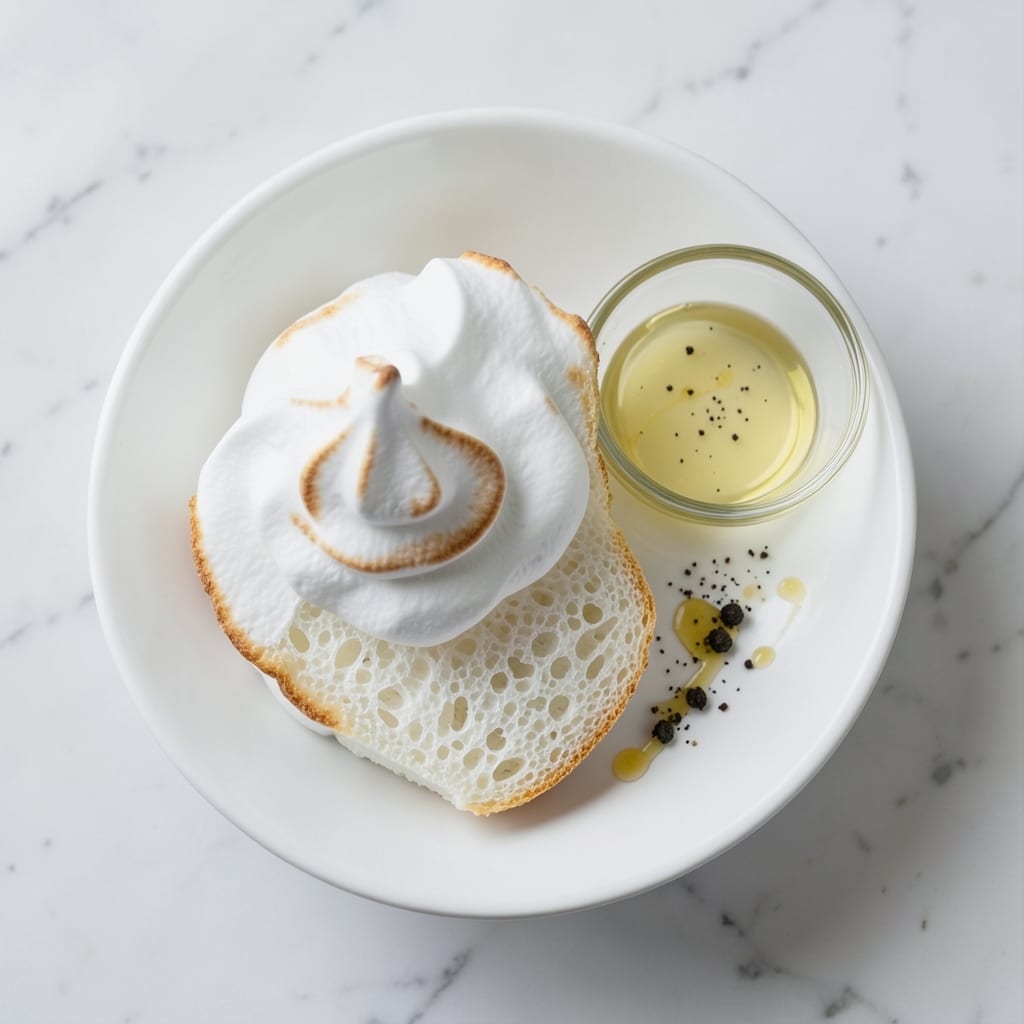
This cloud bread recipe with egg white powder delivers a light-as-air, gluten-free loaf that defies expectations—no dense crumb, no heavy texture, just ethereal fluff. The secret lies in the science of egg whites, where whipped protein creates a lattice of air pockets that bake into delicate, melt-in-your-mouth layers. What sets this version apart is the precision of the egg white powder, which stabilizes the structure without compromising that signature cloud-like crumb.
The beauty of this recipe is its foolproof technique—no special equipment beyond a mixing bowl and oven. You'll whip egg whites to stiff peaks (the key to that signature texture), fold in dry ingredients, and bake until golden. The result is a loaf so light it practically dissolves on your tongue, yet sturdy enough to slice for toast or sandwiches. Perfect for breakfast enthusiasts seeking something airy yet satisfying.
What makes this cloud bread truly remarkable is its versatility—sweet or savory variations adapt effortlessly. A touch of vanilla or cinnamon transforms it into a dessert-like treat, while herbs or garlic powder elevate it to a sophisticated bread alternative. The recipe also accommodates dietary needs, offering a gluten-free option that doesn’t rely on dense substitutes.
Ready in just 30 minutes, this cloud bread requires minimal effort but delivers restaurant-quality results. Whether you're looking to impress guests or simply crave a lighter bread option, this recipe transforms simple ingredients into something extraordinary. Let’s get started!
Ingredients for cloud bread recipe with egg white powder
Precision ingredients create this ethereal loaf—where science meets simplicity for gluten-free perfection.
| Ingredient | Amount | Notes |
|---|---|---|
| Egg White Powder 🥚 | 1 cup | High-quality, finely powdered for stability |
| All-Purpose Flour 🌾 | ½ cup | Gluten-free blend preferred for texture |
| Baking Powder 🧂 | 1 tsp | Aluminum-free for lightness |
| Salt 🧂 | ½ tsp | Fine sea salt for balance |
| White Vinegar 🍶 | 1 tbsp | For acidity and structure |
| Vanilla Extract 🌿 | ½ tsp | Pure extract for flavor depth |
| Water 💧 | ¼ cup | Room temperature for proper mixing |
| Large Egg Whites 🥚 | 4 whole | Fresh, room temperature for whipping |
| Cream of Tartar 🧂 | ¼ tsp | Stabilizes egg whites for stiff peaks |
| Garlic Powder 🧄 | ½ tsp | For savory variations (optional) |
| Cinnamon 🌿 | ¼ tsp | For sweet variations (optional) |
The egg white powder is non-negotiable—opt for Bob’s Red Mill or Anthony’s for consistency, as these brands ensure fine, uniform particles that disperse evenly. Freshness matters here: if your powder smells stale or clumps, replace it immediately. For the egg whites, room temperature is critical; cold whites won’t whip to stiff peaks. The cream of tartar acts as a stabilizer, so don’t skip it—it’s what transforms fluffy into cloud-like. Store powdered ingredients in airtight containers away from moisture to preserve their efficacy.
No egg white powder? Liquid egg whites work in a pinch—use 1 cup liquid instead of the powdered version, but whip them with the cream of tartar for stability. Substitute 1/4 cup aquafaba (chickpea brine) for 4 egg whites, but increase cream of tartar to 1/2 tsp for structure. The gluten-free flour blend should contain xanthan gum for binding; King Arthur or Bob’s Red Mill 1:1 are reliable choices. For sweet variations, vanilla bean paste adds depth, while cinnamon or almond extract enhances flavor without altering texture. The white vinegar may seem unusual, but its acidity mimics the leavening action of gluten in traditional breads.
Egg whites retain freshness for 3 days in the fridge when stored in an airtight container, while the powdered ingredients last 6-12 months in a cool, dry place. Pre-whipped egg whites can be stored in the freezer for up to 1 month—thaw overnight in the fridge before use. This recipe’s baked loaf keeps at room temperature for 2 days, wrapped in a clean kitchen towel to maintain moisture. For longer storage, slice and freeze portions for up to 3 months; reheat in a 350°F oven for 5-7 minutes to restore crispness.
Why You'll Love This Recipe
- Five-Ingredient Magic: I swear by this recipe—just mix, pour, bake. The egg white powder does all the heavy lifting while I’m still deciding what to watch on TV.
- Crispy Yet Light: That vinegar trick? It’s the secret. The edges get gloriously golden while the inside stays soft—like a cloud, but better.
- Meal Prep Hero: Toss it in the fridge for days. Toast it for breakfast, pack it for lunch, or freeze slices for quick snacks. Zero waste, all win.
- Budget-Friendly Flex: Egg white powder stretches my grocery budget without sacrificing taste. Plus, the flour and baking powder? Pantry staples I already own.
Step-by-step instructions for cloud bread with egg white powder
Master this light-as-air technique for gluten-free bread that defies expectations.
Whip the Egg Whites to Stiff Peaks
In a clean, grease-free mixing bowl, combine the 4 whole large egg whites and 0.25 teaspoon cream of tartar. Using an electric mixer on high speed, whip until soft peaks form—this should take about 2 minutes. The cream of tartar stabilizes the egg whites, preventing them from deflating during baking.
Continue whipping until the egg whites form stiff, glossy peaks that hold their shape when the whisk is lifted. You'll know they're ready when you can turn the bowl upside down and the meringue holds together. This step is critical—over-whipping can make the bread tough, while under-whipped whites won't provide enough structure for that signature cloud-like texture.
Gently Fold in Dry Ingredients
In a separate bowl, whisk together the 1 cup egg white powder, 0.5 cup all-purpose flour, 1 teaspoon baking powder, 0.5 teaspoon salt, 0.5 teaspoon garlic powder, and 0.25 teaspoon cinnamon (if using). For sweet variations, omit the garlic powder and include the cinnamon. Sift the mixture to eliminate any lumps—this ensures even distribution in the final batter.
Using a spatula, gently fold one-third of the dry ingredients into the whipped egg whites, being careful not to deflate them. Add another third and fold again, then incorporate the remaining mixture. The goal is to create a smooth, cloud-like batter with no visible streaks of flour. If the batter looks too thick, add 1 tablespoon of the 0.25 cup water at a time until it reaches a pourable consistency, but don't overdo it—excess liquid can make the bread dense.
Incorporate Wet Ingredients and Prepare the Pan
In a small bowl, combine the 1 tablespoon white vinegar and 0.5 teaspoon vanilla extract with the remaining 0.25 cup water. Slowly pour this mixture into the batter while gently folding with the spatula. The vinegar reacts with the baking powder to create lift, while the vanilla adds depth of flavor. Stop folding once the liquid is fully incorporated—you should have a thick, glossy batter that holds its shape when spooned.
Preheat your oven to 350°F and line a 9-inch round cake pan with parchment paper, leaving an overhang on the sides for easy removal. Lightly grease the parchment with nonstick spray to prevent sticking. The pan should be filled only about two-thirds full, as the batter will expand significantly during baking.
Bake Until Golden and Springy
Pour the batter into the prepared pan and smooth the top with a spatula. Place the pan in the preheated oven and bake for 30-35 minutes, or until the top is golden brown and the edges pull away slightly from the pan. The bread is done when it springs back gently when pressed in the center—this indicates it's fully set and no longer dense.
To test for doneness, insert a toothpick into the center. If it comes out clean or with just a few moist crumbs, the bread is ready. Avoid overbaking, as this can dry out the delicate texture. Once baked, let the bread cool in the pan for 10 minutes before removing it to a wire rack. This gradual cooling prevents it from collapsing or becoming gummy.
Serve Warm for Maximum Texture
Slice the cloud bread while it's still warm for the best texture—each slice should be light, airy, and slightly crisp at the edges. Serve it immediately as a side with soups, butter, or your favorite spreads. If you're making a savory version, pair it with garlic herb butter or smoked salmon. For sweet variations, drizzle with honey or dust with powdered sugar.
This bread holds its structure well for up to 2 days at room temperature, wrapped in a clean kitchen towel to retain moisture. For longer storage, slice and freeze individual portions—reheat in a toaster or oven for a few seconds to restore that cloud-like texture. The secret to success lies in the precise technique of whipping and folding, so don't rush these steps.
Pro Tips For Making Cloud Bread Recipe With Egg White Powder
- Mix the Vinegar Last: The egg white powder and flour hate sitting in acid too long, so add the white vinegar right before baking—no waiting around. I learned this after batches turned dense and gummy; the vinegar activates instantly and keeps the texture light.
- Use a Light Hand with Flour: This isn’t a dense dough—packing the flour like pancake batter guarantees a brick instead of clouds. Spoon it in gently, then fold just until combined. Overmixing is the fastest way to ruin the airy magic.
- Preheat Pan to Medium-High: Too low, and the bread steams instead of browning. Too high, and it burns before the center sets. Medium-high gives that perfect crispy bottom while keeping the top fluffy—about 350°F (175°C) works every time.
- Let It Rest 5 Minutes: Skipping this step means tearing the bread apart trying to flip it. Give the batter 5 minutes after mixing to thicken slightly—it’ll hold together better and slide off the pan like a dream. (Yes, even if you’re impatient like me.)
Wine and beer pairings for this dish
Sweet Pairings
Cloud bread’s delicate texture makes it perfect with honey-infused beverages like sparkling apple cider or lavender-infused tea. The natural sweetness of the bread complements the floral notes of Earl Grey tea or the crisp acidity of dry Riesling. For a dessert twist, serve with vanilla bean ice cream or mascarpone cream to enhance its airy crumb. 🍯
Savory Pairings
For a savory version, pair cloud bread with artisanal cheeses like aged Gouda or brie, which melt beautifully into its light texture. A dry white wine such as Sauvignon Blanc or Pinot Grigio cuts through the richness, while smoked salmon and herb-infused cream cheese create an elegant brunch spread. The bread’s crisp edges also hold up well with tomato-based soups or garlic butter.
Coffee & Tea
Cloud bread’s subtle sweetness pairs wonderfully with dark roast coffee or chicory blends, especially if you’ve added cinnamon to the batter. For tea lovers, jasmine green tea or chamomile balances the bread’s lightness without overpowering it. If you’re using the savory variation, a bold espresso or black tea with lemon enhances the garlic and herb notes. ☕
Unexpected Twists
Think outside the box with sparkling rosé or dry cider for a refreshing contrast to the bread’s ethereal texture. A smoky mezcal cocktail with citrus also works surprisingly well, especially with the savory garlic variation. For a dessert pairing, try espresso martinis or chocolate-dipped strawberries to elevate the sweet version into a showstopper. 🍷
Nutrition facts
Frequently asked questions
Can I substitute liquid egg whites for egg white powder?
Yes, but you'll need to adjust the recipe slightly. Use 1 cup liquid egg whites instead of the powdered version, and increase the cream of tartar to 0.5 teaspoon to stabilize the mixture. Whip them to stiff peaks just like the powdered version—this extra stabilizer helps maintain that signature cloud-like texture.
Why did my cloud bread turn out dense instead of light? Dense cloud bread usually means the egg whites weren't whipped enough or were deflated during folding.
How long can I store cloud bread, and how do I reheat it?
Store your cloud bread at room temperature for up to 2 days in an airtight container, wrapped in a clean kitchen towel to keep it moist. For longer storage, slice and freeze portions for up to 3 months. To reheat, toast slices in a toaster for 10-15 seconds or warm in a 350°F oven for 5 minutes to restore that crispy edge.
Can I make this bread without gluten-free flour?
Yes! Use regular all-purpose flour instead of the gluten-free blend, but reduce the amount to 0.25 cup (half the original quantity). The egg white powder will still create the light texture, but the crumb may be slightly denser. For best results, stick with the gluten-free blend for that signature airy quality.
What are the best flavor variations for cloud bread?
For sweet versions, add 0.5 teaspoon cinnamon or 1 teaspoon vanilla bean paste to the dry ingredients. For savory, try 0.5 teaspoon dried herbs (like rosemary or thyme) or 0.5 teaspoon smoked paprika. You can also mix in 1 tablespoon nutritional yeast for a cheesy flavor without dairy. Experiment with flavors while keeping the egg white powder ratio intact!