
Main Courses
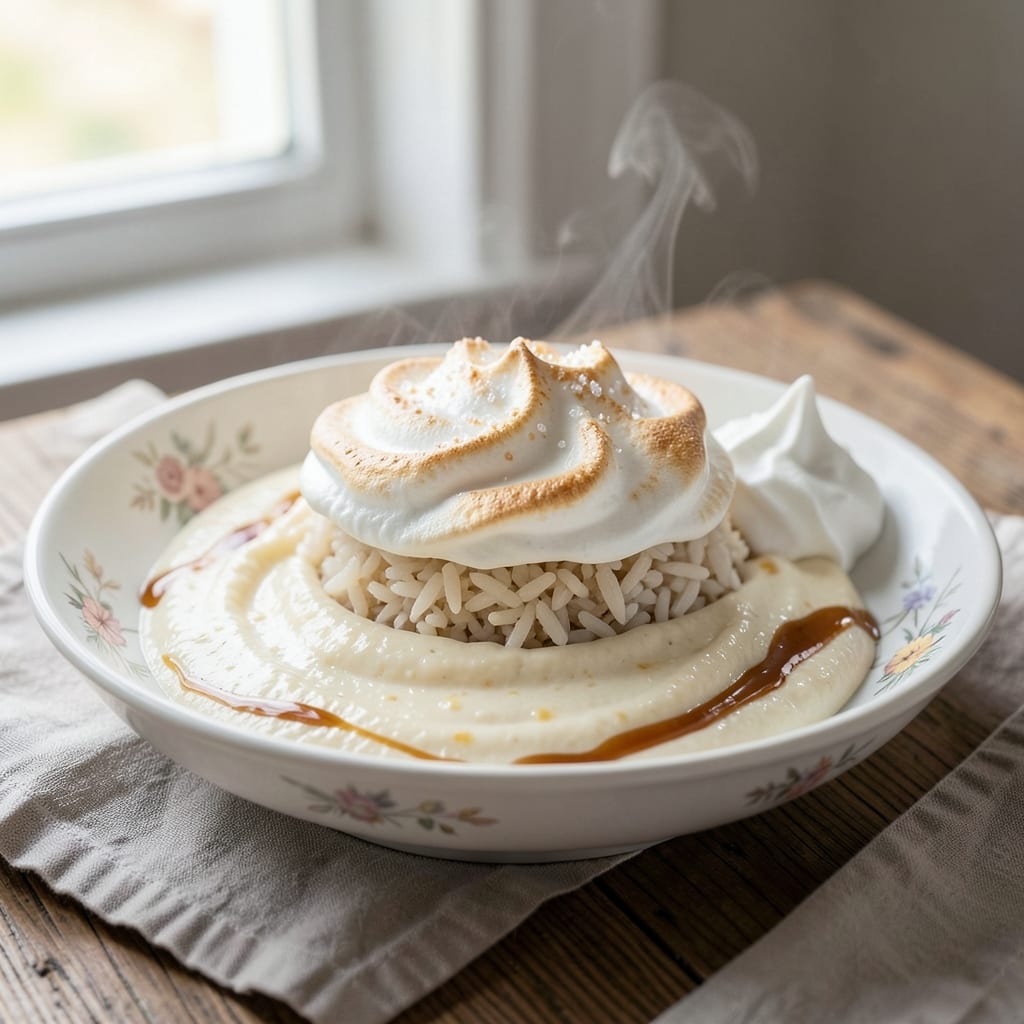
This cream of rice and egg white recipe transforms simple pantry staples into a silky, cloud-like custard that defies expectations. The secret lies in the perfect balance of rice's natural starch and egg whites' delicate structure, creating a dish that's both elegant and surprisingly easy to master. What makes this recipe special is its versatility—whether you're aiming for a light dessert or a savory side, the technique remains the same.
What you'll achieve is a luxuriously smooth custard with a texture that's impossibly tender yet sturdy enough to hold its shape. The process involves precise timing and gentle heat to ensure the egg whites incorporate without losing their airiness, resulting in a dish that's as impressive as it is delicious. This recipe is perfect for those who appreciate the art of simple ingredients elevated to something extraordinary.
Ingredients for cream of rice and egg white
Nine essential ingredients crafting an ethereal custard where rice and egg whites unite in perfect harmony.
| Ingredient | Amount | Notes |
|---|---|---|
| Long-Grain White Rice 🍚 | ¼ cup | Uncooked, rinsed thoroughly |
| Large Egg Whites 🥚 | 4 whole | Freshly separated, room temperature |
| Granulated Sugar 🍚 | ½ cup | Superfine preferred for smoothness |
| Unsalted Butter 🧈 | ½ cup | Cold, cubed for even melting |
| Whole Milk 🥛 | 1 ½ cups | Cold, full-fat for creaminess |
| Vanilla Extract 🌿 | 1 tsp | Pure Madagascar preferred |
| Kosher Salt 🧂 | ½ tsp | Diamond Crystal preferred |
| Lemon Juice 🍋 | 1 tbsp | Freshly squeezed, strained |
| Heavy Whipping Cream 🥛 | ¼ cup | Cold, for final texture |
| Cornstarch 🌾 | 1 tsp | For stabilizing texture |
| Ground Cinnamon 🌿 | ¼ tsp | Optional, for dessert variation |
The rice forms the custard's backbone, so choose long-grain white rice—its starch content creates that signature silky texture. Bob's Red Mill or Lundberg Family Farms brands excel due to their consistent grain size. For egg whites, freshness is non-negotiable; separate them just before use to avoid over-whipping. The butter should be cold and cubed—this prevents premature melting during the delicate cooking process. Milk and cream should be chilled to stabilize the custard's structure during heating. Vanilla extract matters here: Madagascar Bourbon adds depth without overpowering.
No superfine sugar? Pulse regular granulated sugar in a food processor until finely ground. Fresh lemon juice can be substituted with bottled, but strain out seeds and pulp for a cleaner texture. For a savory version, omit vanilla and cinnamon, adding 1 tsp fresh thyme instead. The custard's stability relies on cornstarch—don't skip it. If you're using a double boiler, ensure the water bath never touches the custard bowl. For a richer texture, replace half the milk with heavy cream (though this alters the light-as-air quality). The egg whites must be whipped to stiff peaks before folding—this creates the cloud-like structure.
This custard achieves peak texture when served immediately, but it reheats beautifully for up to 3 days in the fridge. Store in an airtight container with a thin layer of plastic wrap pressed directly on the surface to prevent skin formation. For longer storage, freeze in 1-cup portions—thaw overnight in the fridge. The custard's delicate nature means it's best enjoyed fresh, though reheating gently in a water bath restores its silky quality. Garnish with a sprinkle of toasted coconut flakes for dessert or fresh herbs for savory variations.
Why You'll Love This Recipe
- No-Fuss Base: I swear by this when I’m too tired to measure. Just rice, milk, and butter simmered together—no fancy steps, no watching the pot like a hawk. The egg whites? Whisked in at the end like a secret weapon for that silky finish.
- Sweet Creamy Magic: That sugar-butter-milk combo? It’s like dessert sneaking into your breakfast. The egg whites give it this light, almost mousse-like texture—rich but not heavy, sweet but not cloying. Honestly, I’ve had it plain and with fruit, but the first time I tasted it straight from the pan, I knew it was special.
- Breakfast or Dessert: Serve it warm with cinnamon for a brunch star or chill it overnight for a no-bake pudding. My kids ask for it after school snacks, and I’ve even used it as a filling for crepes. (Yes, even on a Tuesday night.)
- Budget Breakthrough: Rice and eggs are my pantry’s workhorses—this recipe stretches them into something luxurious without breaking the bank. A batch costs me less than takeout but feels like a treat. Plus, leftovers reheat beautifully, so I’m never scrambling for ideas.
Step-by-step instructions for cream of rice and egg white custard
Precision matters here—every ingredient plays a role in creating that signature cloud-like texture.
Prepare the Rice Mixture for Even Cooking
In a medium saucepan, combine the 0.25 cup long-grain white rice with 1.5 cups whole milk and bring to a gentle boil over medium heat. The moment it reaches a rolling boil, immediately reduce heat to low and let it simmer for exactly 15 minutes. Stir occasionally to prevent sticking, but don't over-agitate—the rice needs to break down gently.
After 15 minutes, the mixture should be thick and creamy with no visible rice granules. If you still see whole grains, simmer for another 2-3 minutes. This step is critical—overcooking turns the rice mushy, while undercooking leaves gritty texture. Strain through a fine-mesh sieve to remove any excess starch, pressing gently with a spoon to extract all the creamy liquid.
Whisk Egg Whites to Stiff Peaks
While the rice mixture cooks, prepare the egg whites in a separate, spotlessly clean bowl—any grease will prevent proper whipping. Using a stand mixer fitted with the whisk attachment, beat the 4 whole large egg whites on medium speed until soft peaks form. Gradually increase to high speed and continue whipping until the meringue is glossy and holds firm peaks when the whisk is lifted.
This process takes 4-5 minutes—don't rush it. The egg whites should be thick enough to hold their shape when the whisk is tilted. Fold them into the rice mixture later, but be gentle to maintain that airy structure. I like to add a pinch of kosher salt to the egg whites at this stage to enhance flavor and stabilize the meringue.
Temper the Mixture for Silky Texture
Place the strained rice mixture in a heatproof bowl and set it over a pot of simmering water (double boiler method). The water should be at a gentle simmer, not boiling—you're looking for 180°F steam. Gradually whisk in the 0.5 cup granulated sugar and 0.5 cup unsalted butter (cold, cubed) until fully melted and smooth.
Now, temper the mixture by slowly adding the egg whites in three equal parts, whisking vigorously after each addition. This gradual incorporation prevents the eggs from cooking too quickly and maintains that cloud-like texture. The mixture should be warm but not hot—test by dipping a spoon in; it should feel like warm bathwater, not scalding. Add 1 tsp vanilla extract and 1 tbsp lemon juice at this stage for brightness and depth.
Stabilize with Cornstarch and Bake to Perfection
Transfer the mixture to a greased 8-inch round baking dish (or similar size for 4 servings). Sprinkle 1 tsp cornstarch evenly over the surface—this creates a delicate barrier that prevents the custard from weeping during baking. Gently fold the cornstarch into the top layer using a spatula, being careful not to deflate the egg whites.
Bake in a preheated 325°F oven for 35-40 minutes until the center is just set. You'll know it's done when the top springs back when touched lightly and the edges pull away from the dish. For a cinnamon variation, dust the top with 0.25 tsp ground cinnamon during the last 5 minutes of baking. Let it cool for 10 minutes before serving—this resting period allows the texture to set properly.
Serve Warm with Whipped Cream
Remove the custard from the oven and let it sit for 10 minutes before slicing. The center should be light and jiggly, not fully set—this is the hallmark of a perfect cloud custard. Serve warm, topped with 0.25 cup heavy whipping cream lightly sweetened with a touch of sugar if desired.
Each bite should deliver that signature silky, airy texture with a delicate balance of sweetness from the sugar and brightness from the lemon. The cornstarch creates a subtle sheen, while the egg whites provide structure without heaviness. For an elegant presentation, dust with extra cinnamon or a light sprinkle of superfine sugar.
Pro Tips For Making Cream Of Rice And Egg White
- Cook Rice Al Dente: Cream of rice relies on perfectly cooked grains—no mushy centers, no crunch. Use a 1:2 rice-to-water ratio, bring to a boil, then simmer covered for exactly 12 minutes (not until all liquid is gone). The grains should still have a slight bite; overcooking turns them into glue.
- Whip Egg Whites Cold: Egg whites warm up fast, and that’s the enemy of stiff peaks. Chill your bowl and beaters in the fridge for 10 minutes before starting, then work in short bursts—stop every 30 seconds to scrape the sides. Cold tools = fluffier meringue, every time.
- Temper Milk Slowly: Dumping cold milk into hot rice-egg mixtures shocks the proteins and ruins the texture. Warm the milk first—heat it to 160°F (just below a simmer) before mixing, or stir in a thin stream while the rice-egg base is still off the heat. Patience here keeps the custard silky.
- Sweeten in Stages: Dumping all the sugar at once can make the egg whites grainy. Start with half the sugar in the rice mixture, then fold in the rest after the egg whites are incorporated. This prevents sugar crystals from interfering with the foam’s stability—trust me, your dessert will thank you.
Essential equipment for cream of rice and egg white
Double Boiler Setup
You'll need a heatproof mixing bowl that fits snugly over a saucepan—Pyrex measuring cups work perfectly for this. The key is maintaining gentle, even heat without direct contact. I use a stainless steel saucepan for stability, but avoid aluminum as it conducts heat too aggressively. Place the bowl over simmering water (not boiling) to create 180°F steam—this precise temperature prevents the egg whites from overcooking while melting the butter smoothly. 🌡️
Stand Mixer Essentials
A high-quality stand mixer with a whisk attachment is non-negotiable for achieving those stiff peaks in the egg whites. I recommend the KitchenAid Artisan Series for its torque and durability. For smaller batches, a hand mixer works, but you'll need to whip for 5-7 minutes instead of 4-5. Always use a spotlessly clean bowl—even a trace of fat will prevent proper whipping. A fine-mesh sieve is also essential for straining the rice mixture to remove excess starch. 🥚
Baking Dish Selection
Choose a greased 8-inch round baking dish for even heat distribution—Ceramic or stainless steel are ideal. Avoid dark-colored dishes as they absorb heat unevenly. For a savory variation, use a rectangular dish (like a 9x5-inch loaf pan) to create slices. Always grease with butter or baking spray to ensure easy release. I prefer Wilton non-stick baking pans for their consistent performance. 🍴
Temperature Control Tools
An instant-read thermometer is your best friend for monitoring the rice mixture and water bath. The Thermoworks ThermoPop is my go-to—it's affordable and accurate. For baking, a oven thermometer ensures your 325°F setting is precise. Egg whites should reach room temperature before whipping (place them in warm water for 5 minutes if cold). A digital kitchen scale helps measure ingredients like cornstarch with precision—1 tsp makes a noticeable difference in texture. ⚡
Optional Garnish Tools
For presentation, a fine-mesh sifter helps dust superfine sugar or ground cinnamon evenly over the custard. A microplane is perfect for zesting lemon or grating fresh ginger for savory variations. For serving, individual ramekins (like Corelle stoneware) elevate the dish beautifully. Keep a small offset spatula handy for gently folding cornstarch into the custard without deflating the egg whites. ✨
Nutrition facts
Frequently asked questions
Can I make this custard without a stand mixer?
Yes, but you'll need to whip the egg whites by hand for 5-7 minutes until stiff peaks form. Use a spotlessly clean bowl and a balloon whisk—move the whisk in quick, upward motions to incorporate air. For best results, work in a cool kitchen to prevent overheating the egg whites. Patience is key here!
What's the secret to getting that perfect cloud-like texture?
The magic happens in three key steps: straining the rice mixture removes excess starch, tempering the egg whites gradually prevents curdling, and baking at 325°F ensures gentle cooking. Never let the custard boil—it should be warm but not hot when folding in the egg whites. The cornstarch creates that signature sheen and stability.
Can I make this custard ahead of time?
You can prepare it up to 3 days in advance and store it refrigerated in an airtight container. For best texture, reheat gently in a water bath until warm through. The custard actually improves overnight as flavors meld! To serve, simply warm for 10-15 minutes at 300°F—this restores that silky quality.
What's the best way to make a savory version?
Omit the vanilla and cinnamon, then add 1 tsp fresh thyme, 1/2 tsp onion powder, and 1/4 tsp black pepper to the rice mixture. Replace half the sugar with 1/4 cup grated Parmesan cheese for depth. Use a rectangular dish and serve with a sprinkle of fresh herbs or a drizzle of olive oil. The texture remains the same—just the flavors transform!
Why did my custard turn out dense instead of light?
This usually happens from overmixing the egg whites (beyond stiff peaks) or overcooking the rice mixture.