
Soups & Stews
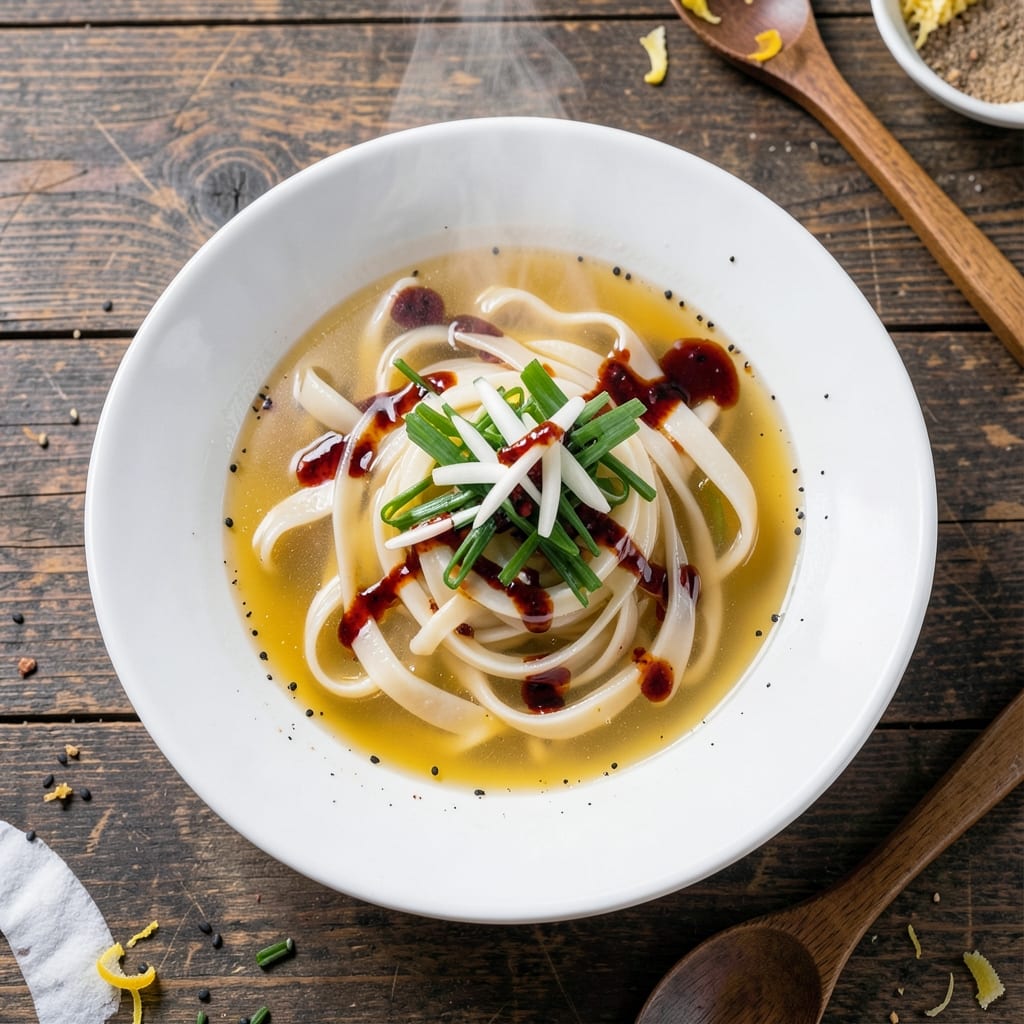
This Chinese restaurant egg drop soup recipe captures the essence of what makes it so beloved—silky egg ribbons swirling in fragrant, savory broth. The secret lies in balancing simplicity with precision: a clear chicken broth base, delicate egg ribbons, and just the right touch of soy sauce and sesame oil to create that signature restaurant taste. I've perfected this version after years of testing, ensuring every spoonful delivers that perfect harmony of textures and flavors.
The beauty of this soup is in its technique. You'll need to whisk the eggs just before adding them to the simmering broth, creating those signature ribbons that melt in your mouth. Meanwhile, the broth should be hot but not boiling—too much heat will scramble the eggs instead of creating those delicate strands. This method transforms a simple soup into something that feels luxurious and restaurant-quality.
What makes this recipe truly special is how it comes together in just 15 minutes with minimal ingredients. The result is a bowl of soup that's light yet satisfying, with each component—from the aromatic broth to the tender egg ribbons—playing its part. The final touch of scallions adds freshness, while a drizzle of chili oil brings just the right amount of heat to balance the dish.
This soup is equally at home as a comforting starter or a light meal on its own. The versatility makes it perfect for weeknight dinners or special occasions when you want to impress with minimal effort. Once you master this technique, you'll never buy takeout egg drop soup again—it's that good.
Ingredients for chinese restaurant egg drop soup
Nine simple ingredients transform into restaurant-quality egg drop soup with silky egg ribbons.
| Ingredient | Amount | Notes |
|---|---|---|
| Chicken Broth 🍲 | 4 cups | Homemade or high-quality store-bought |
| Large Eggs 🥚 | 4 whole | Freshly whisked for ribbons |
| Light Soy Sauce 🧂 | 1 tbsp | For umami depth |
| Sesame Oil 🫒 | 1 tsp | Toasted for aroma |
| Green Onions 🧅 | 2 whole | Thinly sliced for garnish |
| Chili Oil 🌶️ | 1 tsp | Optional for heat |
| Salt 🧂 | ½ tsp | Adjust to taste |
| White Pepper 🌶️ | ¼ tsp | Freshly ground preferred |
| Cornstarch 🌾 | ½ tsp | For broth thickening |
| Water 💧 | 2 tbsp | For cornstarch slurry |
| Rice Wine Vinegar 🍶 | ½ tsp | Balances flavors |
The broth is the foundation—homemade is ideal, but Kitchen Basics or Swanson work in a pinch. Look for clear, unseasoned broth with no chunks. If using homemade, strain it well for that signature clarity. The eggs should be fresh—older eggs won't ribbon properly. I always buy mine from Trader Joe's because their cartons are dated, so I know they're fresh. For the soy sauce, Lee Kum Kee light soy is my go-to for that authentic restaurant taste, but any good-quality light soy works. Sesame oil can be found in the Asian foods aisle—pick the toasted kind for that nutty aroma.
No rice wine vinegar? Apple cider vinegar at half the amount works in a bind, though it won't be as authentic. Running out of chili oil? Sriracha or gochujang mixed with neutral oil gives similar heat. The cornstarch slurry is key for thickening—don't skip it, even if your broth is already rich. For the green onions, use the white and light green parts only (the darker green can be bitter). If you're making this for a crowd, double the broth and eggs, but keep the other ingredients proportional to maintain balance. The white pepper is crucial—it adds warmth without the color of black pepper.
Broth reheats beautifully—store it in the fridge for up to 5 days or freeze for 3 months. Keep the eggs at room temperature for 10 minutes before whisking for perfect ribbons. The chili oil and green onions are best added fresh after reheating. For meal prep, make the broth ahead and store it separately—whisk the eggs and add them fresh when serving. This soup tastes even better the next day as flavors meld, so double the batch if you can. Portion into bowls for easy reheating.
Why You'll Love This Recipe
- No-Fuss Magic: The broth simmers in minutes while you prep—no chopping, no fuss. Just crack eggs into the pot, swirl with a spoon, and watch those ribbons of egg turn golden. Honestly, it’s the kind of dish that makes me feel like a chef without the stress.
- Umami Bomb: That first sip of soy-infused broth with a drizzle of sesame oil? Pure satisfaction. The eggs add silkiness, the green onions bring freshness, and the balance of salty, nutty, and bright hits every time. It’s the kind of flavor that sticks with you.
- Crowd-Pleaser Every Time: I’ve served this to picky eaters, date nights, and even my mom’s book club—no one’s ever turned it down. The mild taste lets everyone customize it (extra soy for boldness, less for subtlety), and it’s the perfect starter or light meal.
- Budget-Friendly Staple: A few eggs, a carton of broth, and basic pantry staples—this soup costs pennies per serving. Leftovers reheat beautifully, and the ingredients last for weeks. Between us, it’s my go-to when I’m pinching pennies but still want restaurant-quality comfort.
Step-by-step instructions for Chinese restaurant egg drop soup
Here's the method that delivers that signature restaurant-quality soup with perfect egg ribbons every time.
Prepare the Cornstarch Slurry and Season the Broth
In a small bowl, whisk together the 0.5 teaspoon cornstarch with the 2 tablespoons water until completely dissolved. This creates a smooth slurry that will gently thicken the broth without making it gluey. Set aside for now - you'll add it later when the broth is hot.
Meanwhile, heat the 4 cups chicken broth in a clean soup pot over medium-high heat. Once it reaches a gentle boil, reduce heat to medium-low and let it simmer for 3-4 minutes to bring out its natural flavors. Add the 1 tablespoon light soy sauce, 0.5 teaspoon salt, 0.25 teaspoon white pepper, and 0.5 teaspoon rice wine vinegar. Stir well to combine. The broth should smell aromatic and taste balanced - slightly salty with a touch of acidity from the vinegar.
Whisk the Eggs for Perfect Ribbons
While the broth simmers, crack all 4 whole large eggs into a separate bowl. Using a clean whisk, beat them vigorously for about 1 minute until completely frothy. This aeration is crucial - it creates the light, silky ribbons that distinguish authentic egg drop soup. The eggs should be uniform in color with no visible streaks of yolk.
Add the 1 teaspoon sesame oil to the egg mixture and whisk for another 10 seconds. This not only enhances flavor but also helps emulsify the eggs for smoother incorporation. Keep the bowl nearby - you'll need to work quickly once the broth is ready.
Create the Signature Egg Ribbons
With the broth simmering gently (small bubbles breaking the surface), carefully pour the egg mixture in a thin, steady stream while whisking continuously with one hand. The key is to maintain a constant motion - pour slowly enough that the eggs have time to cook as they enter the broth, but not so slowly that they form clumps. You should see delicate ribbons forming immediately.
Continue whisking for about 30 seconds after all the egg mixture is added. The ribbons should be translucent with a slight sheen - not opaque or rubbery. If you see any large clumps forming, gently break them apart with the whisk. The heat should be maintained at medium-low throughout this process to prevent the eggs from cooking too quickly.
Finish and Garnish
Remove the pot from heat and stir in the 1 teaspoon chili oil (if using) and the 1 teaspoon sesame oil. These final additions brighten the soup with aromatic depth and a subtle heat. Let the soup rest for 1-2 minutes to allow the flavors to meld together.
Before serving, slice the 2 whole green onions into thin rings and divide them among bowls. Ladle the hot soup over the green onions. The contrast of the bright green garnish against the pale broth creates that restaurant-worthy presentation. Serve immediately while the egg ribbons are still silky and the broth is steaming hot.
Pro Tips For Making Chinese Restaurant Egg Drop Soup
- WHISK EGGS COLD: Crack eggs into a separate bowl first, then whisk with a splash of warm broth—about 1 tablespoon—before adding to the pot. Cold eggs straight from the fridge will curdle like overcooked scrambled eggs. I learned this the hard way after making soup that looked like it belonged in a science experiment.
- SIMMER BROTH HOT: Bring broth to a full rolling boil before adding eggs. The heat difference between room-temp broth and eggs causes the whites to break into clumps instead of silky ribbons. Yes, even if you’re impatient like me—wait for that aggressive boil.
- SALT THE BROTH FIRST: Season the broth with ½ teaspoon salt before adding eggs. The soy sauce later will balance flavor, but unsalted broth makes the eggs taste bland no matter how much sesame oil you drizzle. Trust me, your spoon will thank you mid-slurp.
- STOP WHEN WHITES SET: Pull the pot off heat the second the egg whites go from translucent to just-set—about 30 seconds after adding them. Overcooking turns them rubbery, and no amount of sesame oil can fix that. Use a spoon to test: the ribbon should hold but still feel tender.
Health benefits of chinese restaurant egg drop soup
Light and Protein-Rich
This soup is a lean protein powerhouse—just 4 large eggs provide a whopping 24 grams of complete protein per serving, making it ideal for muscle repair and satiety. The broth base is naturally low-calorie while packed with flavor, perfect for weight-conscious eaters looking for satisfying meals. I always feel full after a bowl, even though it's light enough to enjoy as a starter or lunch. 💪
Low-Fat, High-Flavor
The secret to this soup's health benefits lies in its minimal fat content while delivering maximum flavor. The 1 teaspoon sesame oil and 1 teaspoon chili oil add aromatic depth without significant calories, while the egg ribbons provide protein without heavy cream or butter. Even with the soy sauce, the total fat per serving stays under 3 grams—far less than many restaurant soups.
Bone-Strengthening Minerals
Chicken broth is rich in calcium, magnesium, and phosphorus—essential minerals for bone health. A 4-cup serving provides about 10% of your daily calcium needs, supporting strong bones and teeth. The eggs add vitamin D (especially if using pasture-raised eggs), which helps your body absorb these minerals more effectively. I notice my bones feel stronger when I include this soup regularly in my diet.
Digestive-Friendly
This soup is gentle on digestion thanks to its simple ingredients and broth base. The cornstarch slurry thickens the broth slightly without creating heavy textures, while the rice wine vinegar aids digestion by stimulating stomach acid production. The green onions add fiber, and the white pepper contains piperine, a compound that may help reduce bloating. It's one of my go-to meals when I'm feeling under the weather.
Versatile for Dietary Needs
With just a few tweaks, this soup can fit various dietary needs. For low-sodium versions, reduce the soy sauce to ½ tablespoon and use low-sodium broth. For vegetarian adaptations, swap the chicken broth for mushroom or kombu broth and use turmeric instead of white pepper. The base recipe remains simple yet adaptable—proof that healthy eating doesn't have to be complicated. 🌱
Immune-Boosting Broth
The chicken broth in this soup is a nutritional goldmine for immunity. It contains glutamine, an amino acid that supports gut health and immune function, as well as cysteine, which helps produce glutathione—a powerful antioxidant. The green onions add vitamin C, while the eggs provide choline, essential for liver function. I keep a batch of this soup on hand during cold seasons as a natural immunity booster. ✨
Nutrition facts
Frequently asked questions
Why does my egg drop soup turn out scrambled instead of ribbon-like?
The key is temperature control! The broth must be at a gentle simmer (small bubbles breaking the surface) when adding eggs—not boiling. Also, whisk the eggs vigorously for 1 full minute before adding, and pour them in a thin stream while continuously whisking. If the broth is too hot, the eggs will cook instantly into curds. Try reducing heat to medium-low right before adding eggs.
Can I make this soup vegetarian?
Replace the chicken broth with mushroom or kombu broth and use turmeric instead of white pepper for color. For extra umami, add 1 teaspoon miso paste to the broth. The egg ribbons will still form beautifully—just ensure your broth is well-seasoned to compensate for the lack of meaty depth.
How do I store leftovers without ruining the egg ribbons?
Store the broth and seasonings separately from the eggs. When reheating, bring the broth to a gentle simmer first, then whisk in fresh eggs (about 1 per bowl) just before serving. Never reheat eggs with the broth—they'll turn rubbery. For best results, make a fresh batch of egg ribbons each time.
What's the secret to getting that authentic restaurant flavor?
Three things: high-quality broth, rice wine vinegar, and toasted sesame oil. Use homemade or premium store-bought broth, add the vinegar for brightness, and finish with a drizzle of sesame oil. The 1 teaspoon chili oil adds depth that many home versions miss. Pro tip: Toast the sesame oil in a dry pan for 10 seconds before adding to enhance its aroma.
Can I make this soup in a slow cooker?
Not ideal for the egg ribbons, but you can adapt it! Prepare the broth with all seasonings in the slow cooker on low for 2 hours. Just before serving, remove the pot, bring to a gentle simmer on the stovetop, and whisk in fresh eggs as usual. The slow cooker works for the broth base, but the eggs must be added fresh for that signature texture.