
Soups & Stews
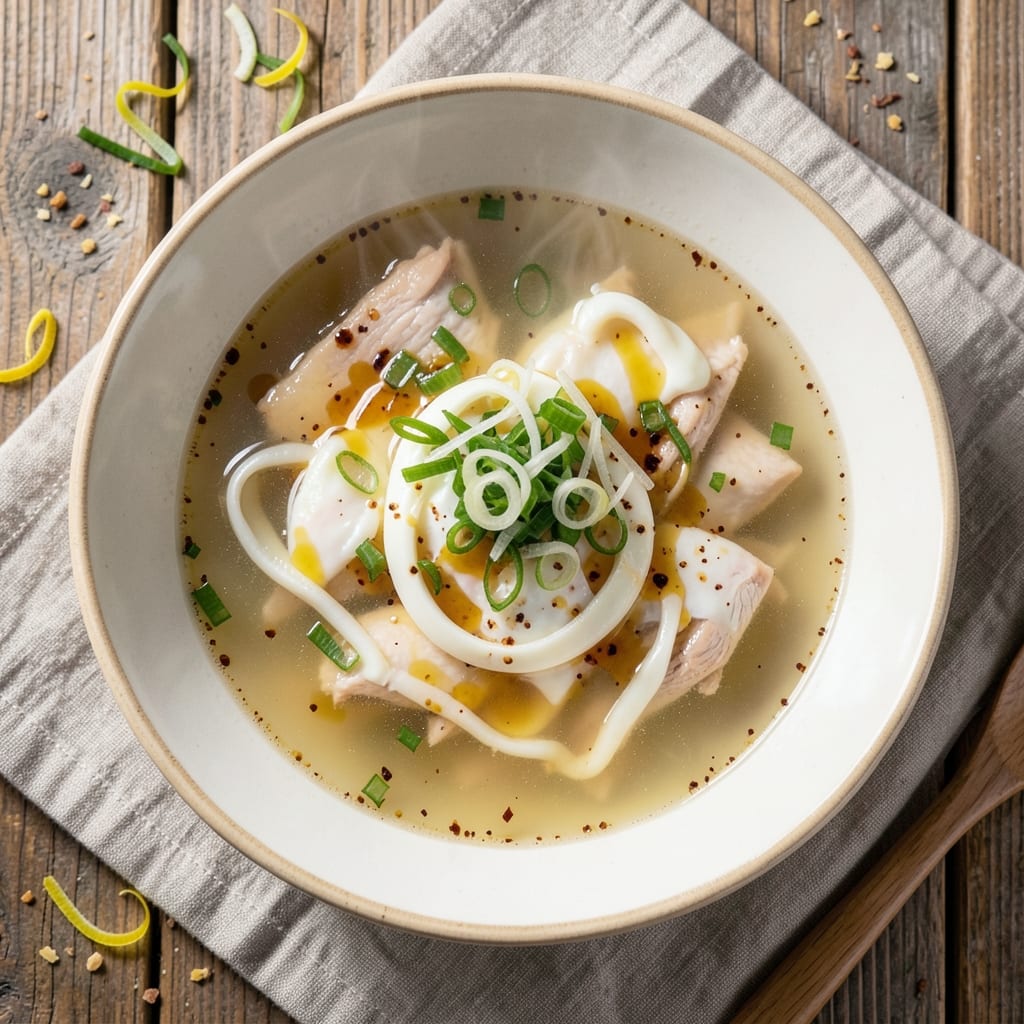
This Chinese takeout egg drop soup recipe brings that comforting, fragrant broth and signature silky egg ribbons right to your kitchen. The secret lies in a clear, ginger-scallion-infused broth that simmers just long enough to develop deep flavor without losing its delicate clarity. I've perfected the technique for achieving those classic egg strands—no overcooking, no breaking the emulsion—that make every spoonful irresistible.
What sets this recipe apart is the balance of simplicity and authenticity. You'll start with a light chicken broth base, then build layers of aromatic ginger, fresh scallions, and a touch of soy sauce for that unmistakable takeout taste. The egg mixture is whisked to perfection and added at the precise moment of boiling, creating those delicate ribbons that melt on your tongue. This method delivers restaurant-quality results in under 20 minutes.
The result is a soup that's both comforting and elegant—a fragrant, lightly seasoned broth with just the right amount of heat from a drizzle of chili oil. The egg ribbons float beautifully, neither overcooked nor rubbery, while the garnish of green onions adds a fresh contrast. It's the kind of soup that feels like a warm embrace on a chilly evening, yet it's simple enough to make regularly without fuss.
While this recipe stays true to the classic version, I'll share a few variations in the tips section—like adding shiitake mushrooms for extra umami or swapping chicken broth for a vegetarian version. The technique remains the same, but the flavor possibilities are endless. Let's get started on making this takeout favorite at home.
Ingredients for chinese takeout egg drop soup
Light broth, aromatic ginger, and silky eggs—this simple lineup delivers takeout-quality soup every time.
| Ingredient | Amount | Notes |
|---|---|---|
| Chicken Broth 🍲 | 4 cups | Low-sodium preferred, homemade or quality store-bought |
| Large Eggs 🥚 | 3 whole | Fresh, room temperature for best ribbon formation |
| Fresh Ginger 🧅 | 1 tbsp | Finely grated, aromatic variety preferred |
| Green Onions 🧅 | ½ cup | Thinly sliced, white and green parts separated |
| Low-Sodium Soy Sauce 🍶 | 1 tbsp | Kikkoman preferred for authentic flavor |
| Sesame Oil 🫒 | ½ tbsp | Toasted sesame oil for aroma |
| Cornstarch 🌾 | ½ tsp | For egg mixture clarity |
| White Pepper 🌶️ | ¼ tsp | Freshly ground for subtle heat |
| Chili Oil 🔥 | 1 tbsp | Optional, for restaurant-style heat |
| Salt 🧂 | ¼ tsp | Adjust to taste, low-sodium broth |
| Vegetable Oil 🫒 | 1 tbsp | For gentle simmering |
The broth is the foundation, so don't cut corners. Homemade chicken broth delivers the deepest flavor, but Swanson or Pacific Foods low-sodium varieties work in a pinch. Look for clear, golden broth with no cloudiness—signs of quality. Fresh ginger is non-negotiable here; organic ginger from the produce section (not the jarred kind) gives the brightest flavor. For the green onions, grab the longest, brightest stalks you can find at Whole Foods or your local Asian market—they'll hold their color better when sliced. The eggs should be fresh from the fridge but brought to room temperature before whisking, or you'll end up with tough ribbons.
No low-sodium soy sauce? Regular soy sauce at half the amount works, but you'll need to adjust the final salt. Sesame oil can be swapped for toasted peanut oil if you're avoiding sesame, though it'll lack the nutty depth. For the egg mixture, cornstarch is key—it creates that signature clarity. No cornstarch? 1/4 tsp arrowroot powder does the trick. The chili oil is optional but adds that signature takeout kick; Lao Gan Ma is the gold standard, but any quality chili oil will do. If you're making this vegetarian, vegetable broth plus a splash of miso paste builds umami without meat.
Broth keeps for 3 days in the fridge—make extra for lunches. The egg mixture should be used immediately, but you can prep the broth and aromatics ahead. Store them separately in airtight containers. For leftovers, reheat gently on the stove—never microwave, or the eggs will turn rubbery. This soup reheats beautifully, though the egg ribbons will be slightly thicker. Portion into thermos containers for cold-weather days; it stays hot for hours and tastes even better the next day as flavors meld.
Why You'll Love This Recipe
- Five-Ingredient Magic: I swear by this—just broth, eggs, ginger, green onions, and soy sauce. That’s it. No clutter, no fuss, and somehow it still tastes like a $12 takeout bowl.
- Silky Perfection: The way the eggs ribbon through hot broth? Pure satisfaction. Thin, wispy strands with that crispy edge when they hit the simmering liquid—it’s the little details that make this feel restaurant-worthy.
- Weeknight & Meal Prep Hero: I make a big batch on Sundays and reheat portions all week. The broth stays rich, the eggs stay tender when warmed gently, and it’s the perfect side for anything from dumplings to grilled chicken.
- Budget-Friendly Comfort: Honestly, this recipe costs me pennies per serving. Chicken broth is cheap, eggs are cheap, and a little ginger goes a long way. It’s the kind of dish that makes me feel like I’m feeding a crowd without breaking the bank.
Step-by-step instructions for Chinese takeout egg drop soup
Here's how to recreate that comforting takeout flavor with a silky broth and perfect egg ribbons.
Prepare the Ginger-Scallion Base
In a medium saucepan, combine the 4 cups chicken broth, 1 tablespoon finely grated fresh ginger, and 0.25 teaspoon salt. Bring to a gentle simmer over medium heat, then reduce heat to maintain a low bubble—this prevents the broth from boiling over while developing flavor. Let it simmer uncovered for 5 minutes to infuse the ginger aroma.
While the broth heats, separate the 0.5 cup green onions into white and green parts. Thinly slice the white portions (about 2 tablespoons) and set aside. Chop the green portions (about 3 tablespoons) into small pieces for garnish. The white parts will add subtle depth, while the greens provide freshness at the end.
Season and Clarify the Broth
Once the broth is simmering, stir in the 1 tablespoon low-sodium soy sauce and 0.25 teaspoon white pepper. Taste and adjust seasoning—you want a clean, savory base without saltiness overwhelming the dish. In a small bowl, whisk together the 3 whole large eggs, 0.5 teaspoon cornstarch, and a pinch of salt to create a smooth mixture.
I like to use fresh eggs at room temperature for this—they blend more smoothly and create those signature silky ribbons. The cornstarch acts as a natural clarifier, preventing the eggs from curdling and giving the broth that restaurant-quality clarity. Keep this mixture nearby but don't add it yet.
Build the Flavor Layers
Add the 1 tablespoon vegetable oil to the simmering broth. Swirl gently to distribute it—this creates a delicate sheen on the surface that helps emulsify the eggs later. Let the broth simmer for 2 minutes to allow the oil to infuse. Then stir in the sliced white green onion parts and cook for another 30 seconds until fragrant.
Here's where the magic happens: reduce heat to the lowest setting possible while maintaining a gentle simmer. The broth should barely move—this is crucial for creating those delicate egg ribbons. If it bubbles vigorously, the eggs will scramble instead of ribboning beautifully.
Create the Egg Ribbons
With the broth at its lowest simmer, slowly drizzle the egg mixture in a thin, steady stream while stirring continuously with chopsticks or a long spoon. Keep the motion gentle but constant—this creates those signature wispy strands. The cornstarch in the egg mixture helps it blend smoothly into the broth rather than clumping.
Work quickly but deliberately. You'll know you've done it right when the broth becomes cloudy with delicate egg strands suspended throughout. If you see any curdling, immediately remove the pan from heat and stir vigorously—this happens when the broth is too hot or the eggs are added too quickly.
Finish and Serve
Remove the pan from heat and stir in the 0.5 tablespoon sesame oil and 1 tablespoon chili oil (if using). The sesame oil adds nutty aroma, while the chili oil provides that signature restaurant-style heat. Let the soup sit for 1 minute to allow the oils to meld with the broth.
Ladle the soup into bowls, garnishing each serving with the chopped green onion tops. Serve immediately while the egg ribbons are at their most delicate. For extra authenticity, offer a small dish of extra chili oil on the side so each diner can adjust the heat to their preference.
Pro Tips For Making Chinese Takeout Egg Drop Soup
- Simmer Ginger First: Toss a 1-inch slice of fresh ginger into the broth before heating—peeled, sliced thin, and smashed with the flat of your knife. I learned this the hard way: letting it sit in cold broth means it’ll never infuse properly. The broth should smell like a spice market by the time you add the eggs.
- Use Room-Temp Eggs: Take your eggs out of the fridge 10 minutes before you need them. Cold eggs drop in clumps instead of silky ribbons, and that’s the opposite of takeout-style elegance. Crack them into a separate bowl first, then drizzle in slowly while stirring the broth with chopsticks—not a spoon.
- Salt the Broth Early: Add the soy sauce (and a pinch of salt if your broth is bland) right after the ginger starts simmering. Waiting until the end means the broth will taste flat, and you’ll end up dumping in too much soy sauce at the last second. Taste it at 10 minutes in—adjust now, not later.
- Stir Constantly, But Gently: Once you start drizzling the egg, keep the pot moving just enough to create ribbons—no aggressive stirring, or you’ll turn it into scrambled eggs. Use chopsticks for precision; they let you guide the egg into the broth without breaking it up. Stop stirring 30 seconds before the eggs set, then let them float.
Dietary considerations for this chinese takeout egg drop soup
Vegetarian Adaptations
Skip the chicken broth and use a rich vegetable broth base instead. For deeper flavor, add 1 tablespoon miso paste (white or red) to the simmering broth along with the ginger. This builds umami without meat. I like Hibiki miso for its clean, savory profile. 🌱
For extra protein, stir in ½ cup silken tofu (cubed) or shiitake mushrooms (sliced) during the final 2 minutes of simmering. The mushrooms add earthy depth that mimics the meaty texture of traditional versions. Just be sure to remove them before adding the egg mixture to prevent curdling.
Gluten-Free Options
The classic recipe contains soy sauce, which has gluten, but you can easily adapt it. Swap the 1 tablespoon low-sodium soy sauce for 1 tablespoon tamari (a gluten-free soy sauce alternative) or 1 teaspoon coconut aminos. Both provide the same savory depth without the gluten. 🥢
For an extra umami boost, add ½ teaspoon gluten-free fish sauce (like Red Boat) to the broth. It enhances the flavor profile while keeping the dish gluten-free. Always check labels on sesame oil and chili oil to ensure they’re certified gluten-free, as some brands process them in shared facilities.
Low-Sodium Adjustments
If you're watching your sodium intake, use homemade chicken broth or a no-salt-added store-bought version. For extra flavor without salt, add ½ teaspoon fish sauce or 1 teaspoon rice vinegar to the broth. These ingredients brighten the soup while keeping it light. 💡
When adding the egg mixture, taste the broth before seasoning it further. Since you’re avoiding added salt, the natural flavors of the ginger, scallions, and eggs will shine through. If needed, a pinch of white pepper (already in the recipe) can add subtle heat without sodium.
Dairy-Free Considerations
This recipe is naturally dairy-free, but if you're using store-bought broth, check the label to ensure no dairy additives were used. The egg mixture is also dairy-free, but if you're serving alongside other dishes, be mindful of cross-contamination. 🥚
For a creamier texture without dairy, stir in 1 tablespoon coconut milk (full-fat) at the very end. It adds a velvety finish that complements the silky egg ribbons beautifully. Just add it after removing the soup from heat to avoid curdling the eggs.
Nutrition facts
Frequently asked questions
Why does my egg drop soup turn out curdled instead of ribbon-like?
The most common causes are either adding eggs too quickly or having the broth boil too vigorously. For perfect ribbons, maintain a gentle simmer (almost no bubbles) and drizzle the egg mixture slowly while stirring constantly. The cornstarch in the egg mixture also helps prevent curdling—make sure it's fully dissolved before adding.
Can I make this soup ahead of time and reheat it?
Yes, but with a few key adjustments. Prepare the broth and aromatics up to 2 days ahead and store in the fridge. When ready to serve, reheat gently on the stove (never microwave) and add the egg mixture fresh. The egg ribbons won't reheat well, but you can make a small batch separately to add at serving time.
What's the best way to achieve that restaurant-style clarity in the broth?
The secret lies in three things: using low-sodium broth (homemade or high-quality store-bought), simmering uncovered for 5 minutes to develop flavor without boiling over, and adding the cornstarch to the egg mixture. This creates a natural clarifying effect when the eggs are added to the gently simmering broth.
How can I make this soup vegetarian without sacrificing flavor?
Replace the chicken broth with vegetable broth and add 1 tablespoon miso paste (white or red) when simmering the ginger. For extra umami, stir in shiitake mushrooms or silken tofu during the final 2 minutes of cooking. Just remove them before adding the egg mixture to prevent curdling.
Is it better to use fresh or frozen eggs for this recipe?
Always use fresh eggs at room temperature for the best results. Fresh eggs blend more smoothly and create those signature delicate ribbons. If you must use frozen eggs, thaw them completely first and whisk vigorously to ensure no lumps remain. Cold eggs will create tough, rubbery strands instead of silky ribbons.