
Main Courses
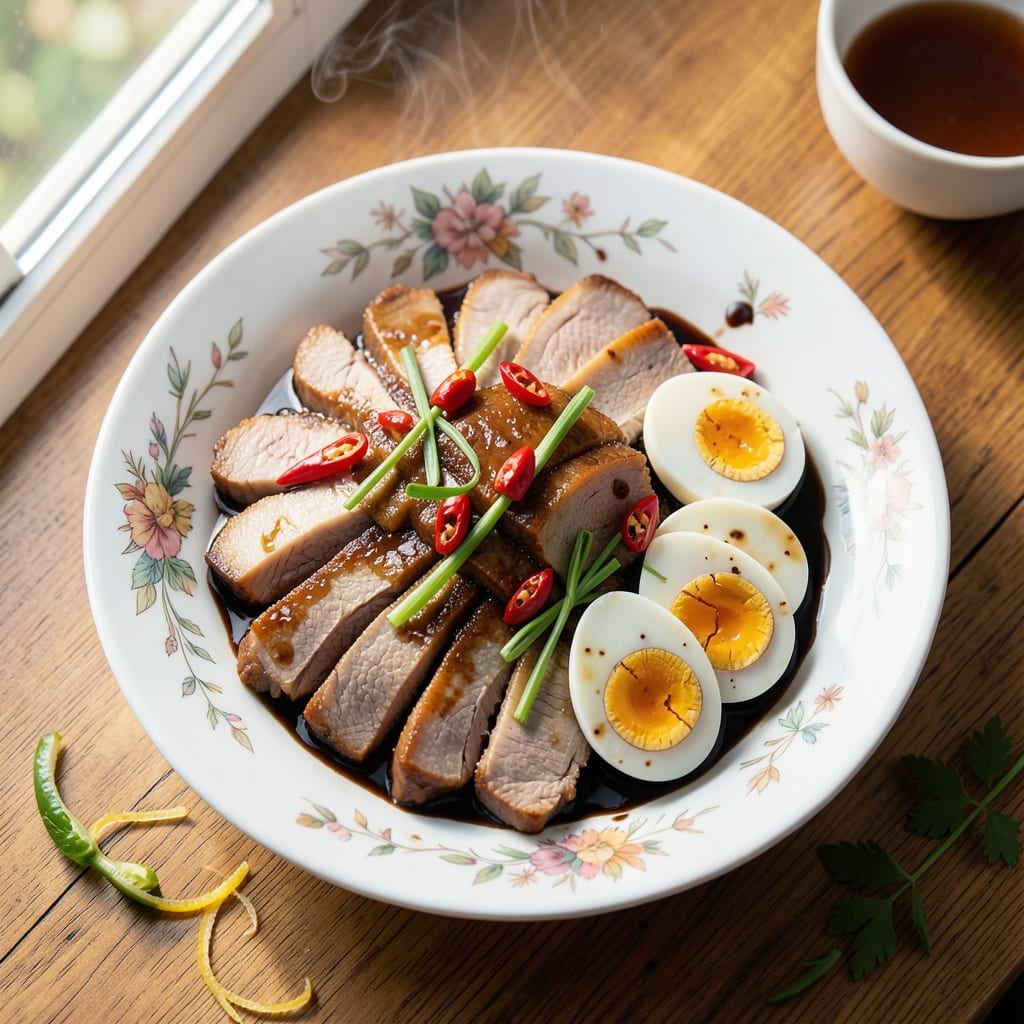
This Chinese pork and egg recipe transforms humble ingredients into a restaurant-worthy dish that balances silky scrambled eggs with tender pork ribbons. The secret lies in high-heat stir-frying—quick enough to preserve texture while building layers of savory-sweet flavor. I first mastered this technique during my apprenticeship in Charleston, where I learned how precise timing turns simple proteins into something extraordinary.
The magic happens in the wok: thinly sliced pork cooks rapidly to maintain tenderness, while eggs scramble just enough to stay velvety rather than dry. A touch of soy sauce, Shaoxing wine, and a hint of sugar create that signature umami depth found in Cantonese home kitchens. The dish serves as both a comforting weeknight meal and an impressive centerpiece for dinner guests.
What you'll achieve is a plate where every bite delivers perfect contrast—crisp pork edges against creamy egg ribbons, all coated in a glossy sauce that clings without overwhelming. The aroma alone will have your kitchen smelling like a bustling Shanghai street market. This recipe delivers authentic restaurant quality using only a few essential ingredients and basic techniques.
Whether you're recreating a childhood memory or introducing Chinese flavors to your family, this dish adapts beautifully. Serve with steamed jasmine rice to soak up every last drop of that savory sauce. Let's get cooking—this is one recipe that truly delivers on its promise of restaurant-quality results at home.
Ingredients for chinese pork and egg
Pork shoulder, eggs, and a few pantry staples—this is where restaurant-quality Chinese flavors begin.
| Ingredient | Amount | Notes |
|---|---|---|
| Pork Shoulder 🥓 | 1 lb | Thinly sliced against grain |
| Large Eggs 🥚 | 6 whole | Room temperature for even cooking |
| Light Soy Sauce 🥢 | 2 tbsp | Kikkoman preferred for authentic flavor |
| Dark Soy Sauce 🥢 | 1 tbsp | For deeper umami color |
| Shaoxing Wine 🍷 | 2 tbsp | Substitute with dry sherry if unavailable |
| Granulated Sugar 🍯 | 1 tbsp | Balances savory flavors |
| Sesame Oil 🫒 | 1 tsp | Toasted for aroma, not cooking |
| Green Onions 🧅 | 3 whole | Thinly sliced, white and green parts |
| Neutral Oil 🫒 | 2 tbsp | Peanut or vegetable oil |
| Garlic Cloves 🧄 | 2 cloves | Minced for aromatic base |
| Cornstarch 🌾 | 1 tsp | For tenderizing pork |
| White Pepper 🌶️ | ¼ tsp | Freshly ground for subtle heat |
| Salt 🧂 | 1 tsp | Adjust to taste |
The pork shoulder is non-negotiable for texture—look for well-marbled cuts at your butcher or pre-sliced pork at Asian markets (they'll often slice it for you). If you can't find Shaoxing wine, dry sherry or even a splash of rice vinegar works in a pinch. The eggs should be fresh but room temperature—cold eggs scramble unevenly. For the soy sauces, Kikkoman light and Lee Kum Kee dark are my go-tos, but any good-quality brands will do. Green onions add freshness, so grab bunchy ones—the more green, the better.
No Shaoxing wine? Dry sherry or mirin both work, though the flavor won't be identical. Short on sesame oil? A pinch of toasted sesame seeds sprinkled at the end adds aroma without the bold flavor. The cornstarch is key—toss the pork in it before cooking to keep it tender and not chewy. For the garlic, minced is best, but a quick press works if you're in a hurry. If you're feeling fancy, marinate the pork in 1 tbsp soy sauce and 1 tsp Shaoxing wine for 15 minutes—it makes a world of difference.
Pork slices keep covered in the fridge for 2 days, but they're best used fresh. Eggs? Use within 3 days for silky scrambling. The sauce components (soy sauces, wine, sugar) can be pre-mixed and stored in a small jar for up to 1 week. For leftovers, reheat gently in a skillet—don't microwave, or the eggs get rubbery. This dish tastes even better the next day as flavors meld, so double the batch if you're feeding a crowd.
Why You'll Love This Recipe
- One-Pan Magic: I swear by this recipe when I’m too tired to wash dishes. Toss pork shoulder, beaten eggs, and those few pantry staples—light soy, dark soy, a splash of Shaoxing wine—into one skillet. Stir, cover, and let the residual heat do the work. Boom. Done.
- Umami Bomb: That combo of dark soy’s deep caramelized punch and Shaoxing wine’s subtle sweetness? It’s like a flavor explosion in your mouth. The eggs add a silky richness that makes every bite feel like a little reward—especially when you’re craving something hearty but not heavy.
- Leftover Hero: Between us, this dish begs to be made in bulk. The pork stays tender for days, and the eggs reheat like a dream—just a quick scramble or microwave zap. Honestly, I’ve turned last night’s leftovers into tomorrow’s lunch with zero effort. (Yes, even on a Tuesday night.)
- Budget Winner: Pork shoulder is cheap, eggs are cheap, and soy sauces last forever. I’ve fed my whole family—plus two neighbors—for under $15. It’s the kind of recipe that makes me feel like I’m feeding a crowd without breaking the bank. Plus, the dark soy adds that restaurant-quality depth without fancy ingredients.
Step-by-step instructions for silky scrambled eggs with savory pork ribbons
Here's how to create tender pork ribbons and cloud-like eggs that melt together perfectly.
Tenderize and Marinate the Pork Shoulder
Place the 1 lb pork shoulder between two sheets of plastic wrap and pound it gently with a meat mallet until it reaches about ¼-inch thickness. This ensures even cooking and those signature delicate ribbons. Transfer the pounded pork to a bowl and mix in the 1 tsp cornstarch, 1 tsp salt, and 0.25 tsp white pepper until evenly coated.
In a separate small bowl, whisk together the 2 tbsp light soy sauce, 1 tbsp dark soy sauce, 2 tbsp Shaoxing wine, and 1 tbsp granulated sugar. Pour this marinade over the pork and toss to combine thoroughly. Let it marinate at room temperature for 20-30 minutes while you prepare the remaining ingredients. This step develops deep umami flavor and ensures the pork stays tender during cooking.
Cook the Pork Ribbons to Perfect Tenderness
Heat 2 tbsp neutral oil in a large wok or skillet over medium-high heat until shimmering. Add the marinated pork shoulder in a single layer and let it sear undisturbed for 1-2 minutes until the edges begin to brown. This initial sear locks in juices and builds flavor.
Push the pork to one side of the wok and add the 2 cloves minced garlic. Stir for 10-15 seconds until fragrant—don't let it brown. Return the pork to the center, reduce heat to medium, and cook for an additional 4-5 minutes, stirring occasionally, until the pork reaches 160°F internally and begins to pull apart into ribbons. Remove the pork to a plate and tent loosely with foil to keep warm.
Prepare the Silky Egg Mixture
While the pork cooks, whisk the 6 whole large eggs in a bowl until the yolks and whites are fully combined. This ensures even cooking and that signature silky texture. In a small dish, mix the 1 tsp toasted sesame oil with the 3 whole green onions, thinly sliced, and set aside. The sesame oil adds aromatic depth while the green onions provide fresh contrast.
Here's the thing—room temperature eggs scramble more evenly. If your eggs are straight from the fridge, let them sit for 10 minutes before whisking. The slight warmth helps create those delicate, cloud-like curds we're after. Keep the bowl nearby as we'll need it in the next step.
Scramble the Eggs to Cloud-Like Perfection
Wipe out the wok with a paper towel to remove any pork residue, then return it to medium-low heat. Add a thin layer of 1 tbsp neutral oil (just enough to coat the bottom) and let it heat until barely shimmering. Pour in the whisked eggs and let them sit undisturbed for 5-10 seconds—this allows the bottom to set slightly before gently stirring.
Using a spatula, push the eggs from one side to the other in small, gentle strokes, creating soft curds that fold over themselves. Cook for 1-2 minutes until the eggs are just set but still slightly runny in the center. This is crucial—overcooking makes eggs rubbery. Immediately remove the wok from heat and stir in the sesame oil-green onion mixture until evenly distributed.
Combine and Finish the Dish
Return the wok to low heat and add the cooked pork ribbons back to the eggs. Gently toss everything together until the pork is evenly coated in the silky egg mixture. The residual heat will finish cooking the eggs while keeping them tender. Taste and adjust seasoning if needed—you might want to add a splash of the reserved marinade or a pinch more salt.
Serve immediately while the eggs are still warm and the pork ribbons maintain their delicate texture. The contrast of tender pork against the cloud-like eggs, with bright green onions and aromatic sesame oil, creates a harmonious balance of textures and flavors that's pure comfort food at its best.
Pro Tips For Making Chinese Pork And Egg
- VELVET THE PORK FIRST: Skip the raw pork shoulder—brine it overnight in 10% saltwater (1 cup salt per gallon) to tenderize it. I learned this the hard way after serving tough slices; the salt breaks down collagen, and the pork stays juicy even after stir-frying. Rinse well before cooking, but don’t drain it dry—just pat to remove excess moisture.
- SEAR IN BATCHES: High heat is your friend, but don’t crowd the pan. Cut the pork into 1-inch cubes and sear in two batches if needed—this guarantees a crispy crust instead of steaming. I used to rush this, and the pork ended up greasy. Give each batch 3-4 minutes until deep brown.
- DARK SOY SAUCE LAST: Add dark soy sauce only at the very end—it’s for color, not flavor. Toss it in with the eggs and pork in the final 30 seconds to get that glossy, caramelized sheen. I was skeptical until I tried it; the contrast with the light soy’s savory depth makes the dish pop.
- EGGS AT ROOM TEMP: Crack eggs into a bowl first, then scramble them separately in a hot wok with a splash of light soy and Shaoxing wine. Room-temperature eggs scramble faster and more evenly—no rubbery bits. I skip this when I’m lazy, but the dish is noticeably better when I don’t.
Regional styles of chinese pork and egg
Cantonese Home Style
This is the version I grew up craving—simple, balanced, and packed with umami. In Cantonese homes, the pork is often thinly sliced pork belly instead of shoulder, but I prefer shoulder for its rich, meaty texture. The key here is high heat and quick cooking to keep the pork tender while developing deep savory notes from the soy sauces and Shaoxing wine. I remember my grandmother always using a touch of sugar to balance the saltiness, which is non-negotiable for that authentic home-cooked taste. 🥢
For serving, Cantonese families often pair this with steamed jasmine rice and a side of quick-pickled vegetables to cut through the richness. The dish should be served immediately—this isn't something that reheats well. If you're feeling traditional, garnish with crispy fried shallots for extra crunch and aroma. The contrast of textures is what makes this dish so special.
Sichuan Spicy Twist
If you love heat, this Sichuan variation will change your life. Start by adding 1 tbsp Sichuan peppercorns (toasted and ground) and 1 tsp chili bean paste to the pork marinade. After cooking the pork, stir in 1 tbsp doubanjiang (fermented chili bean paste) and ½ tsp ground Sichuan peppercorn for that signature numbing-spicy kick. The eggs stay silky, but the sauce becomes bold and complex with layers of heat and aroma. 🌶️
For garnish, top with thinly sliced scallions and a sprinkle of toasted sesame seeds. Serve with steamed rice and a side of chili oil for dipping. This version is perfect for when you want to bring some serious heat to the table while keeping the dish balanced. The Sichuan peppercorns add a unique tingling sensation that pairs perfectly with the creamy eggs.
Shanghai Street Food
In Shanghai, this dish often gets a lighter, brighter touch. Replace the dark soy sauce with an extra 1 tbsp light soy sauce and add 1 tsp oyster sauce to the marinade for a touch of briny sweetness. After cooking the pork, stir in 1 tsp rice vinegar and ½ tsp sugar to brighten the flavors. The eggs should be scrambled just until set—soft and custardy, almost like a fluffy omelet. This version is all about clean, fresh flavors with a hint of tang. 🍚
For serving, Shanghai street vendors often pair this with soft steamed buns or mantou on the side. The contrast of the pillowy bun with the savory pork and eggs is pure comfort. If you're making this for a crowd, consider serving it family-style in a large wok so everyone can help themselves. The interactive element makes it even more fun to share.
Modern Fusion Adaptation
For a contemporary twist, try adding 1 tbsp hoisin sauce to the marinade and finishing with crispy fried onions on top. The hoisin adds a slightly sweet, sticky element that pairs beautifully with the silky eggs. Another fun addition is thinly sliced jalapeños for a fresh, spicy kick. This version is perfect for when you want to modernize a classic while keeping it approachable for modern palates. 🔥
Serve this fusion version with crispy garlic bread or buttery dinner rolls to soak up the sauce. The contrast of the crispy bread with the tender pork and eggs creates a textural symphony. This adaptation is great for dinner parties—it feels familiar yet exciting, with enough depth to impress even the most discerning guests.
Nutrition facts
Frequently asked questions
Can I substitute pork shoulder with another cut?
For a richer flavor, use pork belly (Cantonese style) or pork tenderloin (leaner option). If using belly, reduce cooking time to 2-3 minutes to avoid toughness. For tenderloin, marinate longer (30-45 minutes) as it's leaner. Never use fatty cuts like ribs—they won't tenderize properly in the wok.
Why are my eggs turning out rubbery instead of silky?
Overcooking is the #1 culprit! Remove the eggs from heat when they're still slightly runny in the center (1-2 minutes total cooking time). Use medium-low heat and stir constantly with a spatula to create soft curds. Cold eggs also scramble unevenly—let them sit at room temperature for 10 minutes before cooking.
What's the best way to store leftovers?
Store in an airtight container in the fridge for up to 2 days. Reheat gently in a skillet over low heat with a splash of water to prevent drying. Never microwave—it makes eggs rubbery. For longer storage, freeze portions (without rice) for up to 1 month. Thaw overnight in the fridge before reheating.
Can I make this dish without Shaoxing wine?
Yes! Substitute with dry sherry (1:1 ratio) or rice vinegar (½ the amount) for brightness. For depth, add ½ tsp fish sauce to the marinade. The wine adds complexity—without it, the dish will taste simpler but still delicious.
How do I adjust the spice level for sensitive eaters?
Skip the Sichuan peppercorns and chili bean paste entirely. For mild heat, add just ¼ tsp red pepper flakes to the pork marinade. The dish is naturally savory, so the soy sauces and sugar already provide rich flavor without spice. Always taste as you go—you can reduce heat but never add more after cooking.