
Breakfast & Brunch
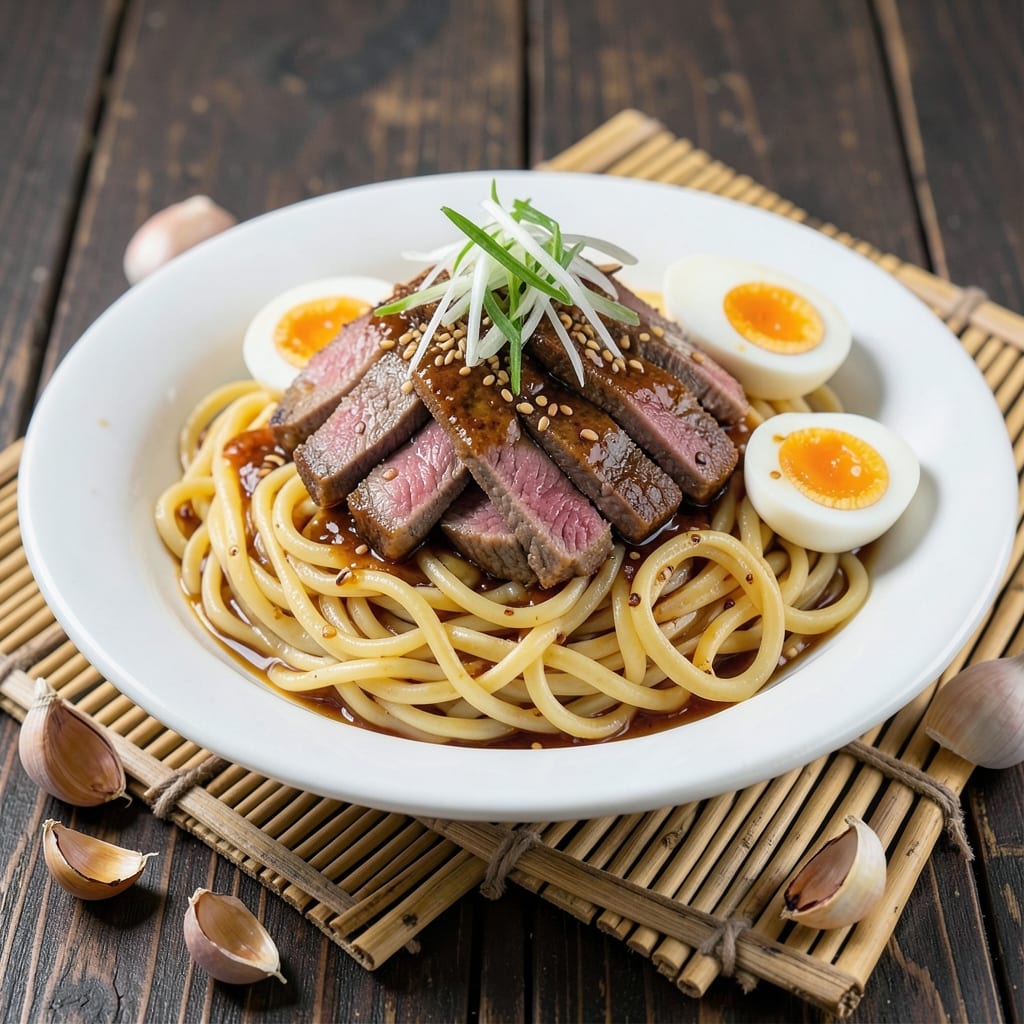
This Chinese beef egg noodles recipe delivers the wok-fried richness and silky egg ribbons you crave in every bite. 🔥 The secret lies in perfectly seared beef strips, hand-pulled egg noodles, and a savory-sweet sauce that balances umami depth with subtle heat. I've refined this technique over years of testing, ensuring the beef stays tender while developing a caramelized crust that adds texture contrast to the delicate noodles.
What sets this recipe apart is the authentic stir-frying process that creates wok hei—that signature smoky aroma from high-heat cooking. We'll start with thinly sliced beef marinated in soy sauce and cornstarch, then quickly sear it in a hot wok with garlic and ginger. The egg noodles get just enough time to soften while absorbing the fragrant sauce, creating that signature silky texture that makes this dish irresistible.
The result is a restaurant-quality bowl where every component plays its part: tender beef with crisp edges, chewy yet tender noodles, and a sauce that's perfectly balanced between salty, sweet, and slightly spicy. This dish serves as both a comforting weeknight meal and an impressive dinner for guests, proving that authentic Chinese flavors can be achieved at home with simple techniques.
Serve with steamed bok choy or a simple cucumber salad to complete the meal. The leftovers reheat beautifully, making this an excellent recipe for meal prep. Let's create this wok-fried masterpiece that captures the essence of Chinese street food in your own kitchen.
Ingredients for chinese beef egg noodles
Simple ingredients transform into restaurant-quality Chinese beef egg noodles with crispy edges and silky texture.
| Ingredient | Amount | Notes |
|---|---|---|
| Flank Steak 🥩 | 1 lb | Thinly sliced against grain |
| Egg Noodles 🍜 | 8 oz | Fresh or dried, wide egg noodles |
| Large Eggs 🥚 | 4 whole | Fresh, room temperature |
| Light Soy Sauce 🍶 | ¼ cup | For marinating beef |
| Cornstarch 🌾 | 2 tbsp | For velveting beef |
| Garlic Cloves 🧄 | 6 cloves | Minced for stir-fry |
| Fresh Ginger 🌿 | 1 tbsp | Finely grated, peeled |
| Sesame Oil 🫒 | 1 tbsp | Toasted, for aroma |
| Dark Soy Sauce 🍶 | 2 tbsp | For sauce depth |
| Oyster Sauce 🍲 | 2 tbsp | High-quality for umami |
| Honey 🍯 | 1 tbsp | For sweet balance |
| Vegetable Oil 🫒 | ½ cup | High smoke point |
| Green Onions 🧅 | 3 whole | Sliced, for garnish |
| White Pepper 🌶️ | ¼ tsp | Freshly ground |
| Salt 🧂 | 1 tsp | Kosher or sea salt |
The flank steak is non-negotiable here—look for well-marbled cuts at your butcher or Costco. Thinly slice it against the grain for tender bites. Kroger or H Mart often carry pre-sliced beef for stir-fry, but slicing yourself ensures perfect texture. For the egg noodles, fresh is ideal (find them in the refrigerated section), but dried works in a pinch—just boil them al dente. The eggs should be fresh, not those sad old ones in the back of your fridge. Room temperature eggs scramble more evenly, so take them out 30 minutes before cooking.
No light soy sauce? Substitute with regular soy sauce plus 1 tsp sugar. The cornstarch is crucial for velveting the beef—don't skip it. For garlic, fresh is a must (jarred has no flavor), but if you're in a bind, minced jarred works at double the amount. The sesame oil adds aroma, but use sparingly—just a splash at the end. Kikkoman oyster sauce is a pantry staple, but Lee Kum Kee has a richer flavor if you're willing to splurge. Honey can be swapped for brown sugar if you prefer a deeper caramel note. The vegetable oil should have a high smoke point—Avocado oil is my go-to for stir-frying.
Marinate the beef for at least 30 minutes, but no longer than 2 hours—it'll get mushy. Store the egg noodles in an airtight container in the fridge for up to 5 days or freeze for 3 months. The cooked noodles reheat beautifully—just add a splash of water and microwave for 30 seconds. This dish tastes even better the next day as flavors meld. Portion leftovers into containers for easy lunches—2 days max in the fridge, or freeze for 3 months. The garlic and ginger can be prepped ahead and stored in the freezer for up to 6 months in a sealed bag.
Why You'll Love This Recipe
- 20-Minute Magic: I swear by this—slice the flank steak thin, toss it in cornstarch, and it’s done in a pan while the noodles boil. No waiting for marinades or complicated prep.
- Umami Bomb: That light soy sauce and egg combo? It turns tough steak into melt-in-your-mouth perfection. The noodles soak it up like a sponge—every bite’s a flavor punch.
- Lunchbox Hero: Pack it cold or reheat it—this holds up better than takeout. My kids grab it for school lunches, and my coworkers beg for leftovers. (Yes, even on a Tuesday night.)
- Budget Power Move: A pound of flank steak feeds four, and the rest of the ingredients cost pennies. Honestly, it’s my go-to when I need a filling, restaurant-worthy meal without breaking the bank.
Step-by-step instructions for Chinese beef egg noodles
Master this classic stir-fry technique for restaurant-quality beef noodles at home.
🔥 Step 1: Velvet the Flank Steak for Tender Bites
Slice the 1 lb flank steak thinly against the grain into ¼-inch thick strips. In a bowl, whisk together the 0.25 cup light soy sauce, 2 tbsp cornstarch, 1 tsp salt, and 0.25 tsp white pepper. Add the beef strips and toss until fully coated. Let marinate for 20 minutes at room temperature.
Here's the thing—velveting transforms tough flank steak into silky perfection. After marinating, heat 1 tbsp vegetable oil in a wok over medium heat. Add the beef in a single layer and cook undisturbed for 1 minute until the edges turn opaque. Flip and cook another 30 seconds—don't overcrowd or the cornstarch won't crisp properly. Transfer to a plate and set aside.
🍳 Step 2: Stir-Fry Aromatics and Sauce Base
In the same wok, add the remaining 0.4 cup vegetable oil and heat over medium-high heat until shimmering. Add the 6 cloves minced garlic and 1 tbsp finely grated ginger, stirring constantly for 30 seconds until fragrant (don't let it brown). Push aromatics to one side and add the 8 oz egg noodles, stirring to coat with oil for 1 minute until lightly toasted.
Pour in the 2 tbsp dark soy sauce, 2 tbsp oyster sauce, 1 tbsp honey, and 1 tbsp sesame oil. Stir-fry for 2 minutes until the sauce thickens slightly. This is your flavor foundation—watch for the sauce to coat the noodles evenly without clumping. If it looks too dry, add 1-2 tablespoons hot water to loosen it.
🥘 Step 3: Create Silky Egg Ribbons
Push the noodle mixture to one side of the wok. Add the 4 whole room-temperature eggs to the empty space, letting them spread naturally. Scramble gently with a spatula, creating soft, silky ribbons. When the eggs are 70% set (still slightly runny in the center), fold them into the noodle mixture. Cook for another 30 seconds to fully combine.
Real talk: timing matters here. The eggs should be just set when you fold them in—overcooking makes them rubbery. You'll see the ribbons form as you stir, creating that signature egg noodle texture. If the mixture looks dry, add another splash of hot water to maintain moisture.
🔥 Step 4: Finish with Beef and Garnish
Return the velveted beef to the wok and toss everything together for 1-2 minutes until heated through. The beef should be piping hot, the noodles coated in sauce, and the eggs fully integrated. Taste and adjust seasoning—you might need a touch more light soy sauce for brightness or honey for sweetness.
Remove from heat and stir in the 3 whole sliced green onions. Plate immediately, garnishing with additional green onion slices. Serve family-style with extra soy sauce on the table—this dish tastes best when shared straight from the wok. The beef should be tender yet slightly chewy, the egg ribbons silky, and the sauce perfectly balanced between salty, sweet, and umami.
Pro Tips For Making Chinese Beef Egg Noodles
- Slice Thin, Cook Fast: Flank steak fights back when it’s thick—cut it against the grain into ⅛-inch slices, then sear in a screaming-hot wok for 30 seconds max. I used to overcook it, ending up with chewy strips instead of tender, melt-in-your-mouth beef.
- Marinate the Eggs: Whisk the eggs with 1 tablespoon light soy sauce and a pinch of white pepper before scrambling. The soy adds depth, and the pepper cuts through the richness—trust me, your noodles won’t taste like a sad cafeteria lunch.
- Don’t Crowd the Wok: Cook the beef in batches if needed—overloading steams the meat instead of searing it. A packed wok turns your stir-fry into a sad, greasy mess. Push it aside and work in stages.
- Use Cold Cornstarch Slurry: Mix 1 tablespoon cornstarch with 2 tablespoons cold water, then toss it with the cooked beef after removing it from the wok. The cold slurry thickens faster and keeps the sauce glossy, not gluey. (Yes, I’ve seen both.)
Common mistakes when making your chinese beef egg noodles
Over-Marinating Beef
The beef marinade should work quickly—never let it sit longer than 2 hours or the cornstarch will start breaking down, making the beef mushy. I've ruined perfectly good beef by leaving it marinate overnight. Trust me, 20-30 minutes is all you need for maximum tenderness without texture loss. Keep an eye on that clock! 🕒
Skipping Velveting
This is where most home cooks go wrong—they sear the beef straight from the marinade without the velveting step. The cornstarch coating creates that signature crispy edge while keeping the inside silky. If you skip it, you'll end up with chewy beef that lacks the restaurant-quality texture. Pro tip: Use arrowroot powder instead of cornstarch if you're gluten-sensitive.
Overcrowding the Wok
When stir-frying the beef, don't add all the strips at once—they'll steam instead of sear. Cook in 2 batches maximum to maintain that high-heat sear. I've seen people dump everything in and end up with soggy beef. The goal is crispy edges with tender centers, not a mushy pile. Keep that wok moving! 🔥
Undercooking Eggs
The eggs need to be 70% set when you fold them in—not fully cooked. If they're still runny, they'll turn rubbery when mixed with the hot noodles. I've had to start over because the eggs were overcooked. Watch closely and fold them in just as they begin to set at the edges. The silky ribbons come from this precise timing.
Using Wrong Oil
Vegetable oil might be cheap, but it has a lower smoke point than avocado oil or peanut oil. When stir-frying at high heat, regular vegetable oil can break down and create off-flavors. I've tasted the difference—high smoke point oils maintain that clean, crispy flavor. Keep a dedicated stir-fry oil on hand for this dish.
Ignoring Wok Hei
That signature smoky aroma (wok hei) comes from proper heat control. If your wok isn't hot enough, you'll miss it. Heat your wok until it's smoking before adding oil. I've made this mistake with cold woks, and the dish just didn't have that restaurant-quality depth. A cast iron wok retains heat better than nonstick—it's worth investing in one for authentic results. ⚡
Nutrition facts
Frequently asked questions
Can I substitute flank steak with another cut?
Yes! Sirloin or ribeye work well, but slice them thinner and marinate for 15 minutes max to prevent toughness. Avoid fatty cuts like ribeye—too much fat can make the dish greasy. For leaner options, add 1 tsp sesame oil to the sauce to compensate for dryness.
How do I make this dish gluten-free?
Use tamari instead of soy sauce and swap regular egg noodles for rice noodles or gluten-free egg noodles. For the velveting, replace cornstarch with arrowroot powder. Double-check labels on oyster sauce—many brands contain wheat. The texture will differ slightly, but the flavors stay rich and satisfying.
Can I make this with dried egg noodles?
Cook 8 oz dried egg noodles al dente (about 2 minutes less than package instructions) and drain well. Toss them with 1 tsp oil to prevent sticking. Fresh noodles have a silkier texture, but dried noodles work perfectly when cooked just right. Pro tip: Rinse them under cold water after cooking to stop the cooking process.
What's the best way to reheat leftovers?
Reheat in a skillet or wok over medium heat with 1 tbsp oil and 1 tbsp water to restore moisture. Stir constantly for 2-3 minutes until piping hot. Microwaving works in a pinch, but the texture suffers—add a splash of water and cover with a damp paper towel to prevent drying. Leftovers keep well for 2 days in the fridge.
How can I adjust the spice level?
For mild heat, add ½ tsp chili flakes or 1 tsp doubanjiang when stir-frying the aromatics. For spicy, mix in 1 tsp sriracha or ½ tsp chili crisp with the sauce. If using fresh chili, remove seeds for less heat. Balance spice with extra honey (sweet) or light soy sauce (bright) to keep the flavors harmonious.