
Breakfast & Brunch
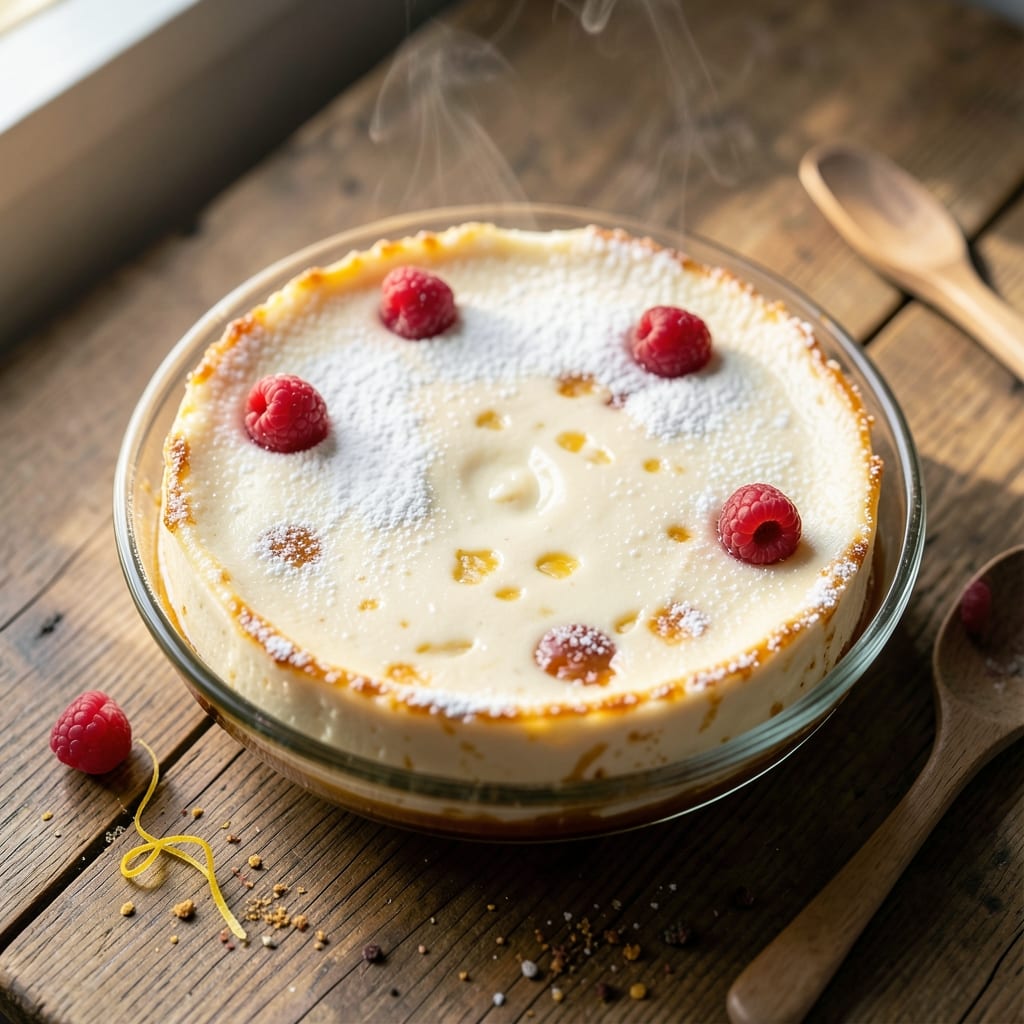
This cheese and egg flan recipe delivers the perfect balance of silky custard and caramelized top that makes it ideal for brunch or dessert. The secret lies in the precise ratio of eggs, cream, and cheese—creating a texture that's impossibly smooth yet rich. I've perfected this technique over years of testing, ensuring every bite delivers that velvety consistency without a hint of graininess.
The magic happens during the steaming process, where the flan transforms from a simple custard into a luxurious dessert with a golden, slightly crisp top. This recipe is vegetarian-friendly, relying on dairy for its creamy foundation while keeping it light enough for any meal. The caramelized sugar layer adds just the right amount of sweetness, complementing the savory depth of the cheese.
What you'll end up with is a flan that's smooth, creamy, and perfectly set—a dessert that's both elegant and approachable. The custard holds its shape beautifully when sliced, releasing that signature silky texture that makes it irresistible. Whether served warm or chilled, it's a crowd-pleaser that feels special without requiring advanced skills.
Ready in about 1 hour, this flan is perfect for brunch gatherings, holiday desserts, or a simple treat. The best part? It reheats beautifully, so you can make it ahead and enjoy it whenever the craving strikes. Let's get started on creating this classic dessert.
Ingredients for cheese and egg flan
Six eggs, creamy dairy, and just the right amount of cheese create this velvety flan masterpiece.
| Ingredient | Amount | Notes |
|---|---|---|
| Large Eggs 🥚 | 6 whole | Room temperature for best mixing |
| Heavy Cream 🥛 | 2 cups | Full-fat for richest texture |
| Granulated Sugar 🍚 | 1 ½ cups | Divided for custard and caramel |
| Mild Cheddar Cheese 🧀 | 8 oz | Shredded finely, sharp variety |
| Unsalted Butter 🧈 | 4 tbsp | Cold for caramel base |
| Vanilla Extract 🌿 | 1 tbsp | Pure Madagascar preferred |
| Salt 🧂 | ½ tsp | Fine sea salt preferred |
| All-Purpose Flour 🌾 | 2 tbsp | For thickening custard |
| Lemon Juice 🍋 | 1 tbsp | Freshly squeezed |
| Water 💧 | ½ cup | For caramel mixture |
| Cinnamon 🌶️ | ½ tsp | Ground, optional for warmth |
The eggs are the backbone of this flan—use room temperature ones for smooth blending. Whole eggs give the best texture, but if you're watching cholesterol, you can substitute half with egg whites. For the cheese, mild cheddar melts beautifully, but Monterey Jack or Colby work too. The heavy cream? Full-fat is non-negotiable—it's what gives that luxurious mouthfeel. I always grab mine from Whole Foods or Trader Joe's since they have the freshest batches. Look for cream that's rich but not overly sweetened.
No vanilla extract? Vanilla bean paste works perfectly—just use half the amount. Short on sugar? Maple syrup or agave can replace up to half, but the caramel won't be as crisp. The flour is just for thickening—don't skip it, but if you're gluten-free, cornstarch works 1:1. For the caramel, butter is essential—it prevents the sugar from burning. If you're making this ahead, prepare the caramel first and let it cool completely before adding the custard mixture.
This flan keeps beautifully—3-4 days in the fridge once fully set. The caramelized top stays crisp even after reheating. For serving, I like to dust with a little powdered sugar and a sprinkle of toasted cinnamon. It reheats best in a 350°F oven for 10-15 minutes—just enough to melt the custard without losing that perfect caramel crust. Make it the night before and you'll have a showstopper dessert with minimal effort.
Why You'll Love This Recipe
- No-Fuss Baking: I swear, this doesn’t require a thermometer or fancy tools—just a water bath and 45 minutes of hands-off time. The eggs and cream do all the work while you stir in that sharp cheddar, and the sugar caramelizes into a golden crust without fail.
- Rich Without Effort: That creamy custard with melted cheddar? It’s like a hug in dessert form. The butter gives it a velvety mouthfeel, and the sugar balances the saltiness so every bite feels indulgent—no heavy creaminess, no chalky aftertaste.
- Breakfast or Dessert: Honestly, I serve this cold for brunch with a sprinkle of flaky salt, or warm with a drizzle of honey when company drops by. The flan’s neutral base lets it play any role—sweet or savory—without needing a full recipe overhaul.
- Budget-Friendly Luxury: Five ingredients, minimal waste—this flan stretches to feed four for under $10. The leftovers? Just as good reheated (yes, even the next day) or sliced into squares for snacks. My wallet and taste buds both win.
Step-by-step instructions for cheese and egg flan recipe
Here's how to create a luscious, caramel-topped flan with a creamy cheese custard that's foolproof every time.
Make the Cheese Custard Mixture
In a large mixing bowl, whisk together the 6 whole Large Eggs and 2 cups Heavy Cream until completely combined and slightly frothy. This step is crucial for achieving that silky texture—don't rush it. Add 1 tbsp Vanilla Extract, 1 tbsp Lemon Juice, 0.5 tsp Salt, and 0.5 tsp Cinnamon, whisking gently to incorporate. In a separate bowl, combine 8 oz Mild Cheddar Cheese (finely shredded) with 2 tbsp All-Purpose Flour and 0.5 tsp Salt—this prevents the cheese from clumping and adds body to the custard.
Gradually pour the cheese mixture into the egg mixture while whisking continuously. The goal is to create a smooth, uniform batter without any lumps. If you see any cheese particles, strain the mixture through a fine-mesh sieve to ensure an ultra-smooth texture. This flan will be rich and velvety, so proper mixing makes all the difference.
Prepare the Caramel Base
In a heavy-bottomed saucepan, melt 4 tbsp Unsalted Butter over medium heat. Once melted, add 0.5 cup Water and 0.75 cups Granulated Sugar (reserving the remaining 0.75 cups for later). Stir until the sugar dissolves completely, then increase the heat to medium-high and bring to a boil without stirring—this prevents crystallization. Let it cook until it turns a deep amber color, about 5-7 minutes. Immediately pour the caramel into a 9-inch round baking dish (or similar size) and tilt to coat the bottom evenly. The caramel should be thick enough to cling to the sides but still flowable.
While the caramel is hot, quickly pour in 1 tbsp Lemon Juice to help dissolve any sugar crystals that might form. Let it cool slightly before adding the custard—this prevents the custard from setting too quickly when poured over the hot caramel.
Assemble and Bake the Flan
Pour the cheese custard mixture evenly over the caramel in the baking dish. Tap the dish gently on the counter to release any air bubbles trapped in the custard. Place the dish in a large roasting pan and carefully pour hot water into the roasting pan until it reaches about halfway up the sides of the flan baking dish. This water bath ensures gentle, even cooking and prevents the edges from drying out.
Bake in a preheated 325°F oven for 50-60 minutes. The flan is done when the center is just set but still slightly wobbly—it should jiggle like gelatin when gently shaken. A toothpick inserted in the center should come out clean or with a few moist crumbs, but not wet batter. If the top browns too quickly, tent the dish with aluminum foil to protect it while it finishes baking.
Cool and Set the Flan
Remove the flan from the water bath and let it cool at room temperature for 1 hour. This gradual cooling helps the custard set evenly without cracking. Once cooled, refrigerate the flan for at least 4 hours, or preferably overnight. The longer it chills, the firmer and more stable it becomes, making it easier to unmold.
To serve, run a thin knife around the edges of the flan to loosen it from the dish. Place a large plate over the dish and carefully flip it onto the plate. The caramel will drip over the sides, creating a stunning presentation. Slice into wedges and enjoy the contrast of the creamy cheese custard with the rich, buttery caramel.
Pro Tips For Making Cheese And Egg Flan
- Preheat the Pan Properly: Get your oven to a screaming 350°F and let the baking dish sit inside for 10 minutes first—this prevents the bottom from sticking like glue. I learned this the hard way when my first flan turned into a sad, rubbery pancake instead of a silky custard.
- Shred Cheese Like Snow: Use a box grater or food processor for cheese—big chunks won’t melt evenly, and you’ll end up with grainy bites. My grandmother swore by this, and she was right: the texture should be as fine as powdered sugar.
- Temper the Eggs Slowly: Whisk eggs and cream together gradually while stirring constantly—dumping them in all at once makes curdling happen faster than you can say "disaster." Start with half the cream, then mix in the rest.
- Skip the Overmixing: Once the cheese is folded in, stop stirring the second everything looks smooth—overworking the batter introduces air, and that’s how you end up with a dense, flat flan instead of a light, jiggly one. (Yes, even if you’re impatient like me.)
Pro cooking tips for this dish
Temperature Precision
The key to a perfectly set flan lies in maintaining the right oven temperature. Preheat your oven to 325°F—this gentle heat ensures the custard sets evenly without curdling. I use an infrared thermometer to verify my oven's accuracy, as many home ovens run hot or cold. If your oven runs hot, reduce the temperature to 300°F to prevent overcooking. The water bath should be kept at a steady 180°F—use a candy thermometer to monitor it. 🌡️
Cheese Consistency Check
For ultra-smooth texture, shred your mild cheddar cheese as finely as possible using a box grater or food processor. I recommend Kraft 2-year aged cheddar for its meltability and mild flavor. If your cheese mixture looks grainy after mixing, strain it through a fine-mesh sieve lined with cheesecloth. This removes any remaining cheese particles that could create texture issues. The flour helps bind the cheese, but don't overmix—just enough to combine smoothly.
Caramel Mastery
Making the caramel base is where the magic happens. Use a heavy-bottomed saucepan to prevent burning, and never stir the sugar after it starts melting—this causes crystallization. Watch closely for that deep amber color, which should take about 5-7 minutes. Immediately pour the caramel into your baking dish and tilt to coat evenly. The lemon juice helps dissolve any sugar crystals that form, ensuring a smooth base. Let it cool for just 2-3 minutes before adding the custard to prevent premature setting. 🍯
Water Bath Technique
The water bath is crucial for even cooking. Use a large roasting pan and fill it with enough hot water to reach about halfway up the sides of your flan dish. The water should be hot but not boiling when you place the flan in it—this maintains a consistent 180°F environment. If the water level drops during baking, simply add more hot water. This method creates a gentle cooking environment that prevents cracking and ensures a silky texture throughout.
Cooling and Setting
Never rush the cooling process. After baking, let the flan cool at room temperature for 1 hour before refrigerating. This gradual cooling prevents cracks from forming as the custard sets. I find that chilling overnight yields the best results—the custard becomes firmer and holds its shape perfectly when unmolded. If you're short on time, refrigerate for at least 4 hours, but be gentle when unmolding as the texture will be slightly softer. 💫
Unmolding Like a Pro
Run a thin, flexible knife around the edges of the flan dish to loosen it before unmolding. Place a large plate over the dish, then carefully flip both onto the counter. The caramel will drip beautifully over the sides—this is the moment your flan becomes a showstopper. If the flan sticks, gently wiggle the dish while lifting. For extra insurance, I lightly grease the dish with butter before baking, which makes unmolding effortless. Serve warm or chilled, but always with a dusting of powdered sugar for that final touch.
Nutrition facts
Frequently asked questions
Can I make this flan without a water bath?
While possible, the water bath is essential for that signature silky texture. Without it, the edges may dry out and the center could remain undercooked. If you're short on time, use a baking dish with a tight-fitting lid to trap moisture. For best results, stick with the water bath method—it ensures even cooking and prevents cracking.
What cheese works best in this recipe?
Mild cheddar is ideal for its smooth melt and subtle flavor, but Monterey Jack or Colby work too. Avoid sharp cheeses—they can make the flan taste bitter. For a creamy texture, shred the cheese finely using a food processor. If you're dairy-free, substitute with cashew cream (soaked cashews blended with water) for a similar richness.
Why did my flan crack?
Cracking usually happens from sudden temperature changes or overbaking. Let the flan cool gradually at room temperature for 1 hour before refrigerating. Also, ensure your oven is at 325°F—too high a temperature can cause the top to set too quickly. If cracks appear, dust with powdered sugar before serving to hide them.
Can I make this ahead of time?
This flan actually tastes better the next day. Assemble it up to 24 hours ahead and refrigerate. The custard will firm up beautifully, making it easier to unmold. Reheat in a 350°F oven for 10-15 minutes if serving warm. The caramelized top stays crisp even after reheating.
How do I know when the flan is fully set?
The flan is done when the center jiggles slightly like gelatin and a toothpick comes out clean (or with a few moist crumbs). It should be just set but still slightly wobbly—overbaking makes it rubbery. If unsure, let it bake 5 more minutes and check again. The water bath should keep the temperature steady at 180°F for perfect results.