
Breakfast & Brunch
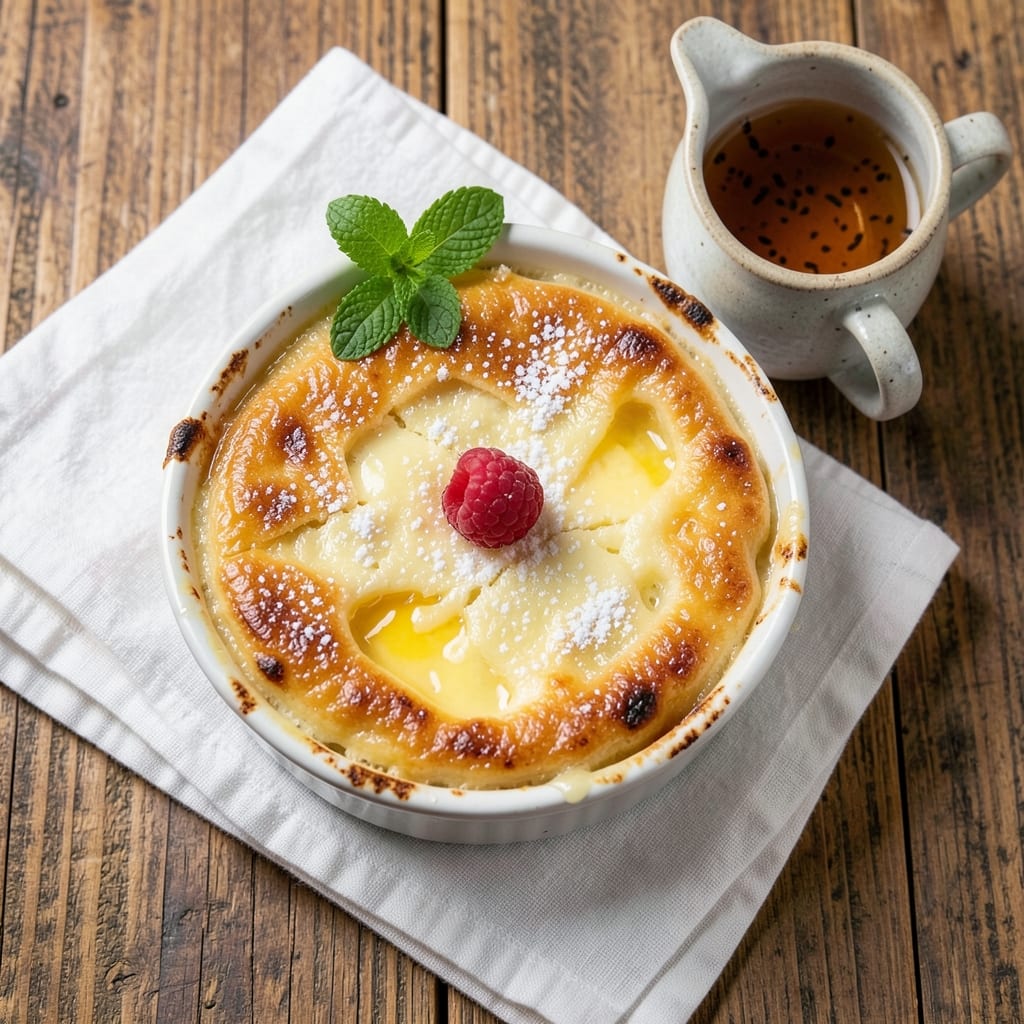
This baked egg pudding recipe delivers the perfect balance of silky vanilla custard with a golden, caramelized top—like a cross between crème brûlée and a custard tart. The secret lies in a water bath that ensures gentle, even baking while creating that signature crackly crust. I developed this version after years of experimenting with textures, and it never fails to impress.
The magic happens in the baking process: a gentle oven temperature prevents curdling, while the water bath maintains moisture for that signature custard-like consistency. You'll need just five simple ingredients—eggs, milk, sugar, vanilla, and a touch of cornstarch—but the technique transforms them into something extraordinary. The result? A dessert that's elegant enough for brunch but easy enough for a weeknight treat.
What makes this recipe stand out is the caramelized top, achieved by sprinkling sugar on the custard before baking. It creates a delicate, crackly crust that contrasts beautifully with the creamy interior. Serve it warm with fresh berries or a drizzle of honey for a dessert that feels indulgent yet balanced.
Perfect for breakfast, brunch, or even a light dessert, this pudding is foolproof and adaptable—add a pinch of cinnamon or a splash of citrus zest for variation. The instructions are straightforward, and the ingredients are likely already in your pantry. Let's get started on creating this silky, caramel-topped masterpiece.
Ingredients for baked egg pudding
Five essential ingredients transform into a luxurious custard with a crackly caramelized top.
| Ingredient | Amount | Notes |
|---|---|---|
| Large Eggs 🥚 | 4 whole | Room temperature for even baking |
| Whole Milk 🥛 | 1 ½ cups | Full-fat for optimal creaminess |
| Granulated Sugar 🍚 | ¾ cup | Superfine preferred for smooth texture |
| Pure Vanilla Extract 🌿 | 1 tbsp | Bottled or homemade preferred |
| Cornstarch 🌾 | 2 tbsp | For silky custard consistency |
| Unsalted Butter 🧈 | 2 tbsp | Cold, cubed for caramelized crust |
| Granulated Sugar (for topping) 🍚 | 2 tbsp | Fine grain for even caramelization |
| Pinch of Salt 🧂 | ⅛ tsp | Enhances flavor balance |
The quality of your eggs and milk makes all the difference here. Pasture-raised eggs from Peters Farm or your local farmers market yield richer results, but store-bought large eggs work perfectly fine. For milk, whole milk is non-negotiable—it provides the necessary fat for that signature custard texture. The sugar should be superfine if you can find it; otherwise, pulse regular granulated sugar in a food processor until it becomes ultra-fine. This ensures your pudding has that silky, smooth consistency without any grainy texture. Store your eggs in the coldest part of your fridge and bring them to room temperature before using for even baking.
No vanilla extract? Vanilla bean paste works beautifully, or you can scrape seeds from a vanilla bean. For a dairy-free option, substitute full-fat coconut milk for the milk, though the texture will be slightly lighter. If you're out of cornstarch, arrowroot powder at the same quantity works as a 1:1 substitute. The butter for the caramelized top should be unsalted and cold—this ensures proper browning without affecting the salt balance. For the topping sugar, turbinado sugar creates a more pronounced caramel flavor, but granulated sugar is perfectly fine. If you're feeling adventurous, add a pinch of cinnamon to the custard mixture for a warm spice note.
This pudding is best made fresh, but you can prepare it a day ahead and bake it when needed—just cover it tightly and refrigerate the custard mixture. The baked pudding keeps well in the fridge for 3-4 days, though it's best enjoyed within the first 24 hours for optimal texture. For make-ahead convenience, prepare the custard mixture up to 2 days in advance and store it in an airtight container. When ready to bake, simply assemble and follow the baking instructions. The caramelized top is best enjoyed warm, so plan to serve it immediately after baking for that perfect crackly contrast with the creamy interior.
Why You'll Love This Recipe
- No Whisk Wars: I swear by this recipe because it’s the only egg pudding I’ve ever made that doesn’t turn into scrambled eggs in disguise. The cornstarch and milk create this silky, custardy texture—no over-whisking, no lumps, just smooth magic. Honestly, I’ve burned custards before, but this one forgives mistakes.
- Vanilla Kiss: That first spoonful of warm pudding with vanilla extract swirling through it? It’s like dessert sneaking into breakfast. The sugar caramelizes just enough to give it a subtle depth, but it’s still bright and comforting—not too sweet, not too plain. My coffee tastes better after eating it.
- Breakfast or Dessert: Here’s what sold me—this works for both. Serve it chilled with berries for a fancy brunch, or warm it up with cinnamon for a quick after-dinner treat. My kids ask for it at 7 AM and again at 9 PM. (Yes, even on a Tuesday night.)
- Pantry Staple Power: Between us, this is my go-to when I’ve got eggs, milk, and sugar but nothing else. No fancy ingredients, no last-minute grocery runs—just five things you already own. And the leftovers? They stay perfect in the fridge for days, so I can make a big batch and not stress about wasting food.
Step-by-step instructions for silky vanilla custard with caramelized top
Master the art of baking egg custards with this precise method for a velvety texture and perfect caramelized crust.
Prepare the Custard Base
In a medium bowl, whisk together the 4 whole Large Eggs, 0.75 cup Granulated Sugar, and 0.125 tsp Pinch of Salt until fully combined and slightly thickened. This initial mixture should be smooth with no visible streaks of egg whites. I find using a wire whisk works best for achieving that silky consistency without incorporating excess air.
Next, add the 1.5 cups Whole Milk and 1 tbsp Pure Vanilla Extract, whisking continuously until the mixture is homogeneous. The vanilla should be evenly distributed throughout the custard base. At this stage, the mixture will appear pale yellow with a slightly thickened texture. This is your foundation—get it right here and your custard will be flawless.
Incorporate the Cornstarch and Butter
In a separate small bowl, combine the 2 tbsp Cornstarch with a tablespoon of the milk mixture to create a smooth slurry. This prevents clumping when added to the main mixture. Gradually whisk the cornstarch slurry back into the egg mixture, ensuring it's fully incorporated before proceeding.
Add the 2 tbsp Unsalted Butter, cut into small cubes, and whisk until completely melted and evenly distributed. The butter should disappear into the mixture, leaving no visible lumps. This step is crucial for achieving that rich, velvety texture that distinguishes a truly exceptional custard. The mixture should now be smooth, slightly thick, and ready for baking.
Assemble and Bake for Perfect Texture
Preheat your oven to 325°F and grease a 9-inch round baking dish generously with butter. This ensures easy release and prevents sticking. Pour the custard mixture into the prepared dish, spreading it evenly to create a uniform layer.
Sprinkle the 2 tbsp Granulated Sugar (for topping) evenly over the surface of the custard. The sugar will caramelize during baking, creating that beautiful golden crust we all love. Place the baking dish on a rimmed baking sheet to catch any potential spills, then bake for 45-50 minutes. The custard is done when the center is just set but still slightly jiggly—this ensures that silky texture we're after.
Finish with Caramelized Crust and Resting
Remove the custard from the oven and let it cool for 10 minutes before transferring it to the refrigerator to chill for at least 2 hours. This resting period is essential—it allows the custard to fully set and develop its characteristic silky texture. The top should have developed a beautiful caramelized crust with a slight crackle when touched.
Once chilled, run a knife around the edges to loosen it from the dish. Invert onto a serving plate for an impressive presentation. Serve immediately or store covered in the refrigerator for up to 3 days. The contrast between the creamy custard and the caramelized top is what makes this dessert truly special.
Pro Tips For Making Baked Egg Pudding
- Whisk Until Ribbons: Beat the eggs and milk until the mixture leaves clear streaks when your whisk is lifted—about 2-3 minutes. I learned this the hard way: under-whisked batches turn out dense and gluey, while over-whisking risks curdling, but this sweet spot guarantees that silky texture.
- Use Cold Milk: Chill the whole milk for 15 minutes before mixing—it blends smoother with the eggs and prevents premature thickening. Sounds weird, but it works: the pudding sets more evenly, and you avoid that dreaded "lumpy" finish.
- Skip the Overbaking: Pull the pudding out when the edges are set but the center still jiggles slightly—about 30-35 minutes at 325°F (165°C). After burning three batches, I finally figured out: the pudding firms up more as it cools, and overbaking turns it dry.
- Toast the Cornstarch: Dry-toast the cornstarch in a small pan over low heat for 1-2 minutes before mixing—it removes raw starch flavors and thickens better. I skip this when I'm lazy, but the dish is noticeably better when I don’t. (Yes, even if you’re impatient like me.)
Serving suggestions for this recipe
Brunch Centerpiece
This baked egg pudding is a brunch showstopper when presented in a 9-inch round baking dish with a golden caramelized top. Serve it warm or at room temperature with a dusting of powdered sugar and a few fresh raspberries scattered on top. The contrast between the creamy custard and the crackly sugar crust makes it irresistible. 🌟
Dessert After Dinner
For an elegant dessert, invert the pudding onto a chilled plate and drizzle with warm honey or vanilla bean sauce. A sprinkle of toasted coconut flakes adds texture and a tropical touch. Pair it with a cup of Earl Grey tea or espresso for a sophisticated finish. The warm custard feels indulgent yet light.
Make-Ahead Serving
Prepare the custard mixture up to 2 days ahead and refrigerate it in an airtight container. When ready to bake, follow the instructions and serve it warm for brunch or chilled for a dessert. Store leftovers in the fridge for up to 3 days—just reheat gently in a 350°F oven for 10-15 minutes to restore the caramelized top.
Fruit Pairings
Fresh strawberries, blueberries, or peaches complement the vanilla flavor beautifully. Arrange them in a circle around the pudding on the plate for a visually stunning presentation. A lemon zest sprinkle on the fruit adds a bright, citrusy contrast to the rich custard. 🍓
Coffee or Tea Pairings
A strong black coffee or spiced chai tea balances the sweetness of the pudding. For a non-alcoholic option, try sparkling apple cider with a cinnamon stick. If you prefer wine, a dry Riesling enhances the vanilla notes without overpowering the dessert.
Garnish Ideas
Add a pinch of cinnamon or cardamom on top for warmth, or a drizzle of caramel sauce for extra richness. A mint leaf or edible flower adds a touch of elegance. For a playful twist, top with crushed graham crackers or amaretti cookies for crunch. 💛
Nutrition facts
Frequently asked questions
Can I make this custard without cornstarch?
You can substitute the cornstarch with 2 tbsp arrowroot powder for a similar thickening effect. Without it, the custard will be thinner—consider adding 1 extra egg yolk to compensate. The texture will still be creamy but slightly less stable. For a dairy-free option, replace the milk with full-fat coconut milk and add 1 extra tbsp cornstarch to maintain consistency.
Why did my custard come out grainy?
Graininess usually happens when the eggs and sugar aren't properly whisked or if the mixture heats too quickly. Always whisk the eggs and sugar until fully combined and slightly thickened before adding milk. For a smoother texture, strain the custard through a fine-mesh sieve before baking. Also, ensure your oven isn't too hot—325°F is critical for gentle cooking.
How do I adjust the recipe for a smaller baking dish?
For a 6-inch dish, reduce all ingredients by about 50% (use 2 eggs, 0.75 cup milk, etc.). The baking time will be roughly 30-35 minutes instead of 45-50. For a 7-inch dish, scale down by 33%. Always use the same oven temperature (325°F) and adjust baking time based on the smaller volume.
Can I add chocolate or fruit to this custard?
For chocolate, melt 4 oz dark chocolate and whisk it into the custard base before adding milk. For fruit, fold in ½ cup chopped fresh berries or ½ cup diced peaches after baking but before chilling. To prevent sinking, toss fruit in 1 tsp cornstarch before adding. Avoid citrus zest in large amounts—it can curdle the eggs.
What's the best way to reheat leftover custard?
Gently reheat in a 350°F oven for 10-15 minutes covered with foil to restore the caramelized top. For a quick fix, microwave for 20-30 seconds (but the texture won't be as silky). To recreate the crackly crust, sprinkle 1 tbsp sugar on top and broil for 1-2 minutes until golden. Serve warm for the best texture!