
Breakfast & Brunch
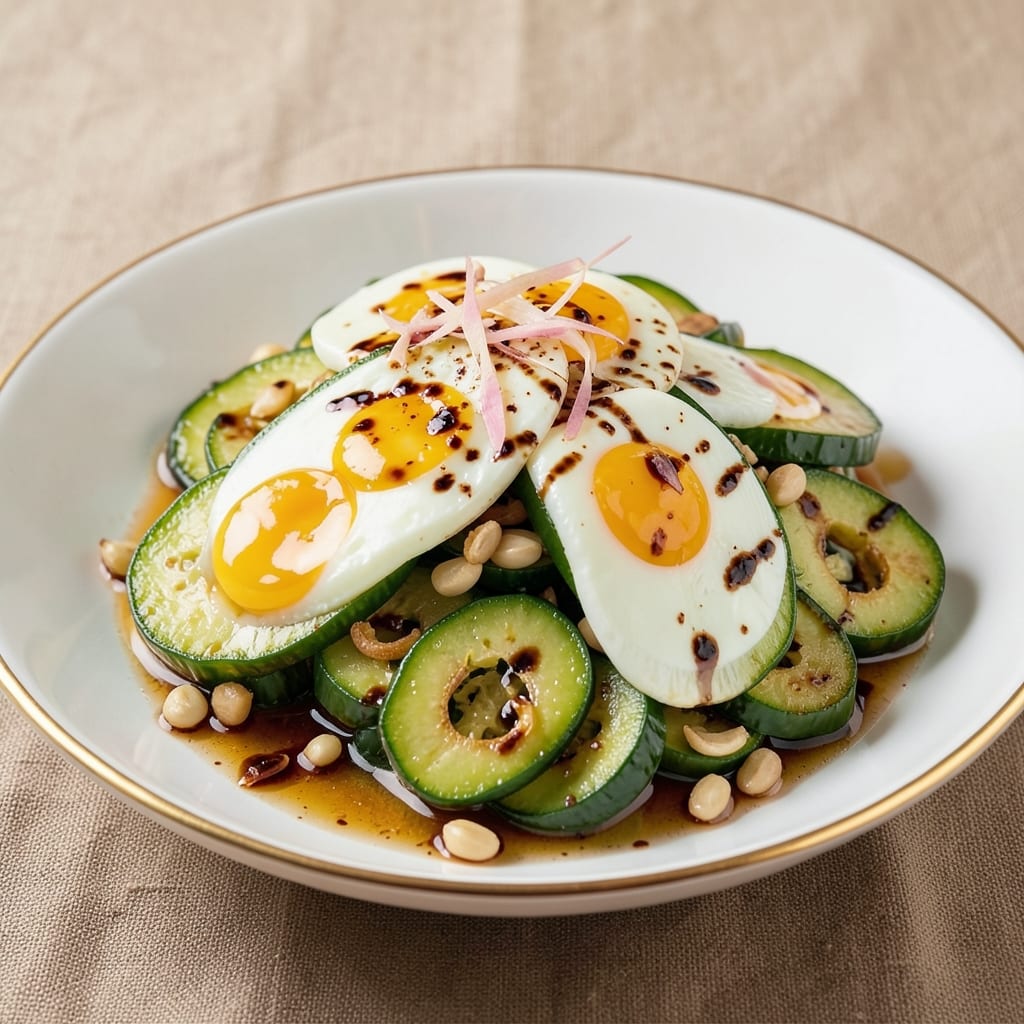
This bitter gourd and egg Chinese recipe transforms a polarizing vegetable into a silky, savory dish that balances bitterness with rich, comforting flavors. The secret lies in proper preparation—peeling, slicing, and blanching the bitter melon to soften its texture while preserving its signature taste. I’ve perfected this technique over years of testing, ensuring the eggs stay tender and the wok-hei (breath of the wok) adds that signature smoky aroma.
The dish begins with silky scrambled eggs, cooked just until set but still creamy, then combined with stir-fried bitter gourd that’s been prepped to remove bitterness without losing its essence. A touch of soy sauce, garlic, and ginger rounds out the flavors, creating a harmonious blend that’s both hearty and light. This recipe is a staple in Chinese home cooking, often served as a breakfast or light lunch, but it’s equally satisfying for dinner.
What makes this dish truly special is how it transforms an ingredient many avoid into something irresistibly comforting. The eggs add protein and richness, while the bitter gourd brings depth and a satisfying chew. The result is a dish that’s restaurant-quality at home, with a perfect balance of textures—tender eggs, slightly crispy edges on the bitter melon, and a sauce that clings to every bite.
Whether you’re introducing someone to bitter gourd or simply craving a flavorful vegetarian meal, this recipe delivers. The process is straightforward but requires attention to detail, particularly in preparing the bitter melon. Let’s get started on creating a dish that’s as nutritious as it is delicious.
Ingredients for bitter gourd egg chinese
Restaurant-quality Chinese flavors start with these twelve essential ingredients—each chosen for texture and balance.
| Ingredient | Amount | Notes |
|---|---|---|
| Bitter Gourd (Bitter Melon) 🍆 | 1 lb | Peeled, deseeded, sliced thin |
| Large Eggs 🥚 | 4 whole | Fresh, room temperature |
| Light Soy Sauce 🥄 | 2 tbsp | Low-sodium preferred |
| Dark Soy Sauce 🥄 | 1 tbsp | For color depth |
| Garlic Cloves 🧄 | 4 cloves | Minced, fresh preferred |
| Fresh Ginger 🌿 | 1 tbsp | Finely grated, peeled |
| Sesame Oil 🫒 | 1 tbsp | Toasted, for aroma |
| Neutral Oil (Vegetable or Peanut) 🫒 | 2 tbsp | High smoke point |
| Green Onions 🧅 | 3 whole | Sliced, white and green parts |
| White Peppercorns 🌶️ | ¼ tsp | Freshly ground |
| Salt 🧂 | ½ tsp | Diamond Crystal preferred |
| Cornstarch 🌾 | 1 tsp | For coating bitter gourd |
The bitter gourd demands attention—look for firm, vibrant green melons with no soft spots at Asian grocery stores like H Mart or 99 Ranch Market. The peel contains most of the bitterness, so remove it completely. For the eggs, room temperature is key—they'll scramble silkier. Soy sauces matter too: Kikkoman light soy for saltiness and Lee Kum Kee dark soy for that signature mahogany color. Fresh ginger should smell citrusy and sharp—none of that musty stuff from the back of your pantry.
No light soy sauce? Substitute with 1 tbsp regular soy sauce plus 1 tsp sugar. Short on ginger? One-quarter teaspoon ground ginger works in a pinch, though fresh is ideal. The cornstarch coating on bitter gourd isn't optional—it prevents the vegetable from turning mushy during stir-frying. For the eggs, use only fresh eggs; older eggs release more water and create a gummy texture. The green onions can be swapped for scallions or chives, but the white parts add essential flavor. And if you're avoiding gluten, replace the soy sauces with coconut aminos—just know the color will differ slightly.
Prep the bitter gourd first—it needs 20 minutes to marinate in cornstarch and salt before cooking. Store any prepped bitter gourd in the fridge for up to 2 days, sealed in a container with paper towels to absorb moisture. The cooked dish reheats beautifully—3 minutes in a wok or 2 minutes in the microwave—though the eggs may get slightly rubbery. For longer storage, freeze portions in airtight containers for up to 3 months. The eggs are best used fresh, but you can pre-scramble them and store separately for 2 days in the fridge.
Why You'll Love This Recipe
- No-Fuss Stir-Fry: I swear by this one—just slice the bitter gourd thin (no peeling needed), scramble the eggs in a separate bowl, and toss everything in a hot wok with garlic and soy. That’s it. The dark soy sauce gives it that deep, savory crust in minutes.
- Umami Bomb: Between us, the combo of light and dark soy sauce with garlic makes this dish ridiculously flavorful. The bitterness of the gourd actually balances out into something addictive—like a cozy hug for your taste buds, but with protein.
- Lunchbox Hero: Honestly, this keeps perfectly for days in the fridge. Pack it cold for work or reheat it quickly—either way, it’s a solid side dish for rice bowls, noodles, or even just a quick snack. My kids beg for leftovers, and I don’t blame them.
- Pocketbook Victory: Bitter gourd is cheap, eggs are cheap, and a bottle of soy sauce lasts forever. For under $5, you feed a family of four with a dish that feels fancy but costs next to nothing. (Yes, even on a Tuesday night.)
Step-by-step instructions for stir-fried bitter melon with silky eggs
Mastering this dish requires precise timing and technique to balance bitter gourd's sharp flavor with tender eggs and savory sauces.
Prepare the Bitter Gourd for Cooking
Begin by slicing the 1 lb bitter gourd (bitter melon) into ¼-inch thick rounds. Immediately soak the slices in cold water for 5 minutes to reduce bitterness—this is crucial. Drain well and pat dry with paper towels, removing any excess moisture that would prevent proper browning.
In a small bowl, whisk together 1 tsp cornstarch with 2 tablespoons light soy sauce and ½ tsp salt. Toss the bitter gourd slices in this mixture until evenly coated. Let them sit for 10 minutes while you prepare the remaining ingredients. This coating creates a delicate barrier that prevents the bitter gourd from absorbing too much oil and becoming soggy during cooking.
Cook the Aromatics and Bitter Gourd
Heat 2 tablespoons neutral oil in a wok or large skillet over medium-high heat until shimmering. Add 4 cloves minced garlic and 1 tablespoon finely grated ginger, stirring for 30 seconds until fragrant but not browned. Immediately add the coated bitter gourd slices in a single layer, cooking undisturbed for 2-3 minutes until the edges begin to crisp and turn golden.
Here's where precision matters: stir the bitter gourd for 1 minute to ensure even cooking, then add 1 tablespoon dark soy sauce and ½ teaspoon freshly ground white peppercorns. Continue cooking for another 2 minutes until the bitter gourd is tender yet still holds its shape. Remove the bitter gourd to a plate and set aside—it should be vibrant green with slightly crisp edges.
Prepare the Silky Egg Mixture
In a separate bowl, whisk the 4 whole large eggs until the yolks and whites are fully combined. Add 1 tablespoon toasted sesame oil and 1 tablespoon light soy sauce, whisking gently to create a smooth, homogeneous mixture. The eggs should be at room temperature for even cooking.
Return the wok to medium heat and add the bitter gourd back to the pan. Pour the egg mixture over the bitter gourd, immediately stirring vigorously in one direction with a spatula. The goal is to create soft, silky egg ribbons that cling to the bitter gourd without scrambling. Cook for 1-2 minutes until the eggs are just set but still slightly runny in the center—this ensures a tender, custard-like texture.
Finish and Assemble
Add the 3 whole sliced green onions (white and green parts) to the wok, stirring for 30 seconds to wilt the whites and brighten the dish with freshness. Taste and adjust seasoning if needed—you may want to add a splash of water or a pinch more soy sauce for balance. The dish should harmonize the bitter gourd's sharpness with the eggs' richness and the umami depth of the sauces.
Serve immediately, garnished with additional green onion slices. The contrast of crisp-tender bitter gourd, silky eggs, and aromatic green onions creates a dish that's both nutritious and deeply flavorful. For best results, serve over steamed rice to soak up the savory sauce.
Pro Tips For Making Bitter Gourd Egg Chinese
- Slice Thin, Soak Fast: Bitter gourd’s texture is everything—cut it into ¼-inch slices (use a sharp knife, not a mandoline unless you enjoy chipping teeth), then toss them in cold water for 10 minutes. This cuts the bitterness and prevents the slices from turning to mush when they hit the pan. I learned this the hard way after serving a plate of rubbery gourd that tasted like dish soap.
- Scramble Eggs Separate: Cook the eggs first in a separate pan with a splash of light soy sauce—just until they’re just set, not fully firm. Then add them to the bitter gourd at the end. This keeps the eggs tender and silky instead of dry and rubbery, which is what happens when you mix them in too early and overcook.
- Char the Garlic: Mince the garlic fine (almost paste-like) and fry it in oil until it’s deep golden, not just fragrant. That extra step makes a real difference—it adds a nutty depth that cuts through the bitterness of the gourd. Skip this, and you’re just masking the flavor instead of building layers.
- Dark Soy Last: Stir in the dark soy sauce only in the final 30 seconds of cooking. It’s not just for color—it burns easily, turning bitter and leaving a weird aftertaste. Add it too soon, and you’ll regret it. (Yes, even if you’re impatient like me.)
Flavor customization for this dish
Sweet Balance
Add 1 tbsp honey or 1 tbsp brown sugar to the bitter gourd marinade to counteract its bitterness. This works especially well with the eggs' richness, creating a natural sweet-savory harmony. For extra depth, I like to add ½ tsp star anise powder to the egg mixture before cooking—it infuses a subtle licorice note that complements the sweetness. 🌟
Spicy Kick
For heat lovers, stir in ½ tsp chili crisp or 1 tsp sambal oelek with the green onions at the end. The spice cuts through the bitterness while adding complexity. If you prefer milder heat, ½ tsp doubanjiang (Chinese fermented chili bean paste) adds smoky depth without overwhelming the dish. Always taste first—the bitterness can make spice feel more intense.
Umami Boost
Enhance the savory profile by adding 1 tbsp fermented black beans (salted or unsalted) to the wok with the garlic and ginger. These beans add a meaty, umami richness that pairs beautifully with the eggs. For a vegetarian-friendly alternative, use 1 tsp mushroom powder—it delivers the same depth without texture. I especially love this variation when serving to guests who avoid strong flavors.
Herbaceous Twist
Finish with 1 tbsp chopped cilantro or Thai basil instead of green onions for a brighter, more aromatic profile. The herbs add freshness that contrasts beautifully with the bitter gourd's earthiness. For a Southern Chinese touch, add ½ tsp preserved lemon zest—it brings a tangy citrus note that brightens the entire dish. Garnish generously before serving.
Creamy Variations
For a silkier texture, stir in 2 tbsp coconut milk at the end of cooking. The creaminess softens the bitter gourd's sharpness while adding a tropical note. Another option is 1 tbsp silken tofu blended into the egg mixture—it creates a lighter, almost custard-like texture that's perfect for hot summer days. Both variations work beautifully with the original recipe's core flavors.
Regional Adaptations
In Guangdong, this dish often includes dried shrimp for added umami. For a Sichuan twist, add 1 tsp chili oil and ½ tsp Sichuan peppercorns to the bitter gourd marinade. Fujian cooks might incorporate 1 tsp Shaoxing wine into the egg mixture for a brighter finish. Each regional adaptation keeps the dish's essence while adding local character—experiment to find your favorite! 🗺️
Nutrition facts
Frequently asked questions
Why does bitter gourd need to be blanched before cooking?
Blanching removes excess bitterness and softens the texture, making it more palatable. The cold water soak before cooking also helps reduce the sharp flavor while maintaining the vegetable's natural nutrients. This prep step is essential for balancing the dish's flavors.
Can I use regular soy sauce instead of light and dark soy sauces?
Yes, but you'll lose the dish's signature color and depth. Use 3 tbsp regular soy sauce plus ½ tsp sugar to mimic the flavor balance. Dark soy sauce adds that mahogany hue that makes the dish visually appealing—it's worth seeking out for authentic results.
What's the secret to silky scrambled eggs in this recipe?
The eggs must be whisked thoroughly and cooked over medium heat while stirring constantly in one direction. Adding sesame oil to the egg mixture before cooking creates a delicate barrier that prevents the eggs from becoming rubbery. Never overcook—they should be just set but still slightly runny in the center.
How do I store leftovers without making the eggs rubbery?
Store the bitter gourd and eggs separately in airtight containers for up to 2 days. Reheat only the bitter gourd portion first, then add the eggs separately to prevent them from drying out. For longer storage, freeze the components separately for up to 3 months—just thaw overnight in the fridge before reheating.
What's the best way to reduce bitter gourd's bitterness?
Start by peeling the gourd completely—most bitterness resides in the skin. Soak slices in cold water for 5-10 minutes before cooking, then pat thoroughly dry. The cornstarch coating also helps mellow the flavor by creating a barrier between the vegetable and cooking oil.