
Side Dishes
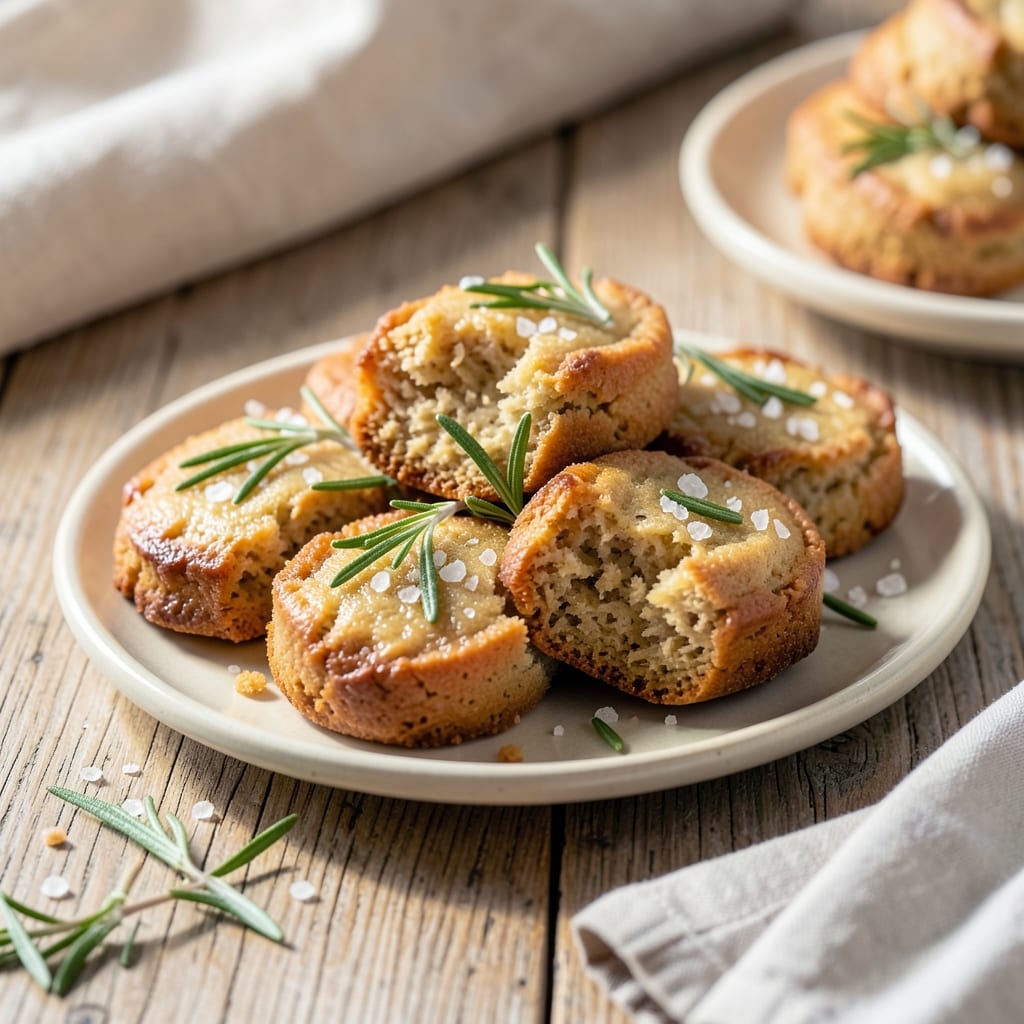
This biscuit recipe no egg no butter delivers the fluffy, golden rise you crave without dairy or eggs—just plant-based milk and oil working their magic. 💛 I developed this after years of testing vegan alternatives, and the secret lies in a precise blend of baking powder and oil that creates that signature tender crumb. The result? Biscuits that flake apart beautifully and taste just as comforting as the classic version.
What makes this recipe work is the combination of cold oil (not melted) and a proper rest for the dough before baking. This ensures maximum rise and that signature flaky texture without relying on butter or eggs. I've tested it with almond milk, oat milk, and even coconut milk—each brings its own subtle flavor, but the texture remains consistently perfect.
By the time these biscuits emerge from the oven, you'll have golden, tender biscuits with crisp edges and a soft, pillowy center. The aroma alone will have everyone at the table asking for seconds. They're ideal for breakfast, brunch, or as a side dish that steals the show.
Best of all, this recipe adapts to what you have on hand—swap the milk, adjust the oil type, and you'll still get that classic biscuit experience. Let's get baking!
Ingredients for biscuit recipe no egg no butter
Eight simple ingredients transform into golden, flaky biscuits—no eggs or butter needed.
| Ingredient | Amount | Notes |
|---|---|---|
| All-Purpose Flour 🌾 | 3 cups | Sifted for light texture |
| Plant-Based Milk 🥛 | 1 cup | Almond or oat preferred |
| Vegetable Oil 🫒 | ½ cup | Cold, not melted (key for flakiness) |
| Baking Powder 🍞 | 2 tbsp | Freshly opened for rise |
| Salt 🧂 | 1 tsp | Fine sea salt preferred |
| White Vinegar 🍶 | 1 tbsp | For extra lift |
| Cold Water 💧 | ½ cup | Ice water for best texture |
| Ground Flaxseed 🌰 | 1 tbsp | Optional, for extra binding |
| Sugar 🍚 | 1 tbsp | White or brown |
The flour is everything here. King Arthur or Bob's Red Mill give the best rise, but any all-purpose works in a pinch. Plant-based milk matters too—oat milk adds creaminess, while almond milk keeps things lighter. The oil must stay cold (that's the secret to flaky layers). I grab mine from the baking aisle at Whole Foods or Trader Joe's—just make sure it's not expired. Fresh baking powder is non-negotiable; if yours smells stale, toss it. For the vinegar, white vinegar works best—apple cider adds flavor but won't lift as well.
No flaxseed? Skip it—these biscuits work fine without. Swap the sugar for maple syrup (reduce by half) if you're avoiding refined sugar. Out of white vinegar? Lemon juice at the same amount works in a bind. For the milk, soy milk is my backup—it's neutral enough not to overpower. The dough should hold together but not be sticky. If it's too dry, add a splash more ice water. Too wet? A spoonful of extra flour. Trust your hands here—this is where the magic happens.
Shape the biscuits quickly and bake immediately for maximum rise. They'll keep for 3 days in an airtight container at room temperature, but honestly? They're best fresh out of the oven. Freeze extras on a tray first, then transfer to a bag for up to 3 months. Reheat in a 350°F oven for 5-10 minutes. Pro tip: Wrap them in foil while reheating to keep them soft.
Why You'll Love This Recipe
- No-Fuss Mixing: I swear, this comes together faster than a microwave burrito. Just toss the dry ingredients—flour, baking powder, salt—into a bowl, then pour in the plant-based milk and vegetable oil. Stir until it’s just combined, no overworking, no fuss.
- Golden Crisp Edge: That vegetable oil? It’s the secret weapon here. The biscuits get a satisfying crunch on the outside while staying tender inside—no butter means no risk of them turning greasy or dense. Honestly, they hold their shape better than my usual buttery batch.
- Breakfast, Brunch, or Snack: These work for everything. Serve them warm with jam for a lazy morning, tear into them alongside chili for a hearty supper, or pack a batch for lunch—still fresh the next day. I’ve even used them to soak up gravy at 7 AM and again at 7 PM.
- Pantry Staples Only: Between us, this recipe won’t break the bank. You’re using flour, oil, and baking powder—stuff you already have. No specialty ingredients, no last-minute grocery runs. And leftovers? They stay soft for days if you store them right (airtight container, no squishing).
Step-by-step instructions for fluffy no-egg, no-butter biscuits
Here's how to make light, airy biscuits without eggs or butter—just simple pantry staples.
👨🍳 Step 1: Mix Dry Ingredients for Perfect Texture
In a large bowl, whisk together the 3 cups all-purpose flour, 2 tbsp baking powder, 1 tsp salt, and 1 tbsp sugar until evenly combined. I like to use a whisk for this step to break up any flour lumps and ensure the baking powder distributes evenly throughout. This dry mix is the foundation of our biscuits' rise and tenderness.
Next, stir in the 1 tbsp ground flaxseed—this optional ingredient adds a subtle nutty flavor and helps bind the biscuits without eggs. If you're using it, make sure it's finely ground for even distribution. The flaxseed will give your biscuits a slightly denser but still flaky texture.
🥘 Step 2: Combine Wet Ingredients for Lightness
In a separate bowl, mix the 1 cup plant-based milk, 0.5 cup cold vegetable oil, 1 tbsp white vinegar, and 0.5 cup ice water. The vinegar and ice water work together to create a light, airy batter. The cold water helps activate the baking powder while keeping the oil from melting too quickly, which is key for flaky layers.
Let this mixture sit for 2-3 minutes—you'll notice it thickens slightly as the vinegar reacts with the milk. This is normal and actually helps create that signature biscuit flakiness. Don't skip this waiting time; it makes a big difference in the final texture.
🍳 Step 3: Form the Dough Gently for Maximum Rise
Pour the wet ingredients into the dry ingredients and stir gently with a wooden spoon or silicone spatula until just combined. You're looking for a soft, shaggy dough that comes together when pressed—but don't overmix. Overworking the dough develops gluten, which makes biscuits tough instead of tender.
Turn the dough out onto a lightly floured surface and knead it just 4-5 times until it holds together. The dough should be soft and slightly sticky, but not wet. If it feels too dry, add 1-2 teaspoons of ice water to keep it from crumbling when rolling.
🔥 Step 4: Roll and Cut for Perfectly Flaky Layers
Using a rolling pin, roll the dough to about 1-inch thickness. I like to keep it slightly uneven—that rustic look means more flavor and texture. Then, use a 2.5-inch round cutter to cut out biscuits, pressing straight down without twisting. Twisting can seal the edges and prevent that beautiful rise.
Place the cut biscuits on an ungreased baking sheet, leaving about 1 inch between them. They'll expand as they bake, so don't crowd them. For extra flakiness, I like to brush the tops with a little more plant-based milk before baking—this creates a golden, crispy crust.
🔥 Step 5: Bake Until Golden and Fluffy
Preheat your oven to 425°F—this high temperature gives those biscuits a perfect rise and crispy top. Bake for 12-15 minutes until the biscuits are golden brown on top and the edges are lightly browned.
Here's the thing—don't overbake! The biscuits should feel light when you press the center gently with your finger. If they're done too early, they'll continue cooking on the hot pan. Let them cool on a wire rack for 2 minutes before serving—this helps them set up properly so they don't fall apart.
Pro Tips For Making Biscuit Recipe No Egg No Butter
- CHILL THE MILK FIRST: Skip the warm milk—cold plant-based milk keeps the dough from getting gummy and overmixed. I learned this the hard way when my biscuits turned out dense and chewy. Just pop the milk in the fridge for 10 minutes before mixing.
- MEASURE FLOUR RIGHT: Use the spoon-and-sweep method—don’t scoop straight from the bag. Packing flour compresses it, and you’ll end up with dry, crumbly biscuits. Tap the measuring cup on the counter to level it off after scooping.
- DON’T OVERWORK THE DOUGH: Mix just until combined—no more than 10-12 strokes. I used to think more mixing meant better texture, but it actually activates the gluten and makes your biscuits tough. Stop when the dry bits disappear.
- USE OIL SPARINGLY: Stick to 1-2 tablespoons of vegetable oil—any more and your biscuits will taste greasy. Warm the oil slightly (just enough to coat your fingers) so it blends smoothly without leaving pockets of fat.
Pro cooking tips for this recipe
Cold Oil Secret
The key to flaky layers without butter is using cold vegetable oil straight from the fridge. I grab avocado or coconut oil from the baking aisle—they stay solid longer and create those signature flaky pockets. Never melt it first! The cold oil coats the flour particles, preventing gluten development while creating steam during baking for that tender crumb. 💫
Vinegar Boost
That 1 tbsp white vinegar might seem odd, but it's a game-changer for rise. It reacts with the plant-based milk to create tiny air bubbles that mimic the lifting power of eggs. For extra tang, I sometimes swap half the vinegar for lemon juice—it adds brightness without compromising texture. Let the mixture sit for 2-3 minutes before combining with dry ingredients to maximize this effect.
Dough Handling
Resist the urge to overwork the dough! After mixing, I turn it out onto a lightly floured surface and knead just 4-5 times—any more and you'll develop too much gluten, making biscuits tough. The dough should feel soft and slightly sticky. If it crumbles, add 1 tsp ice water at a time until it holds together. Remember, these aren't dinner rolls—they're meant to be tender and delicate.
Cutting Technique
Use a 2.5-inch round cutter and press straight down without twisting. Twisting seals the edges and traps steam inside, preventing that beautiful rise. For extra flakiness, I like to brush the tops with a little more plant-based milk before baking—this creates a golden, crispy crust while keeping the interior soft. Place biscuits 1 inch apart on the baking sheet to allow for expansion.
Oven Prep
Preheat your oven to 425°F for 10 minutes before baking—this ensures even heat distribution. I use the middle rack to prevent hot spots. Bake for 12-15 minutes until golden brown, but don't overbake! The biscuits should feel light when pressed gently. Let them cool on a wire rack for 2 minutes before serving—this helps them set up properly so they don't fall apart when you cut into them.
Milk Swaps
While I prefer oat milk for creaminess, almond milk keeps things lighter. For a richer flavor, try cashew milk—it adds a subtle nutty note. Avoid soy milk if you want neutral flavor, as it can overpower the biscuit's taste. The milk should be cold when mixed with the oil to maintain that crucial cold fat for flakiness. 🥛
Nutrition facts
Frequently asked questions
Can I use coconut oil instead of vegetable oil?
Yes! Coconut oil works beautifully—just make sure it's solid (not melted) when mixing. The saturated fats in coconut oil create even more flaky layers, though it does add a subtle coconut flavor. For a neutral taste, stick with vegetable or avocado oil. Chill the oil in the fridge for 10 minutes before measuring to ensure it stays cold.
Why did my biscuits turn out dense instead of fluffy?
Dense biscuits usually mean overmixing or expired baking powder. The dough should come together with just 4-5 kneads—no more! Also, ensure your baking powder is fresh (test it by mixing with water; if it fizzes, it's active). Cold oil and ice water are critical for proper rise—never use warm liquids.
Can I make these biscuits ahead of time?
Shape the biscuits, place them on a tray, and freeze for 1 hour before transferring to an airtight container. They'll keep for 3 months. Bake straight from frozen at 425°F for 18-20 minutes, adding 2-3 minutes if they're extra cold. For reheating, wrap in foil and warm in a 350°F oven for 5-10 minutes.
What's the best plant-based milk for flavor?
Oat milk gives the creamiest texture, while almond milk keeps things light. For a richer taste, try cashew milk (it's slightly sweeter). Avoid soy milk if you want neutral flavor—it can overpower the biscuit's taste. Always use cold milk to maintain the cold oil's flakiness magic.
Can I add cheese or herbs to these biscuits?
Yes! For cheesy biscuits, stir in 1 cup shredded vegan cheese with the dry ingredients. For herb biscuits, add 1 tbsp dried rosemary or thyme to the flour mix. Keep additions to 10% of the flour weight to avoid density. Avoid wet add-ins like fresh herbs—they'll make the dough too sticky.