
Breakfast & Brunch
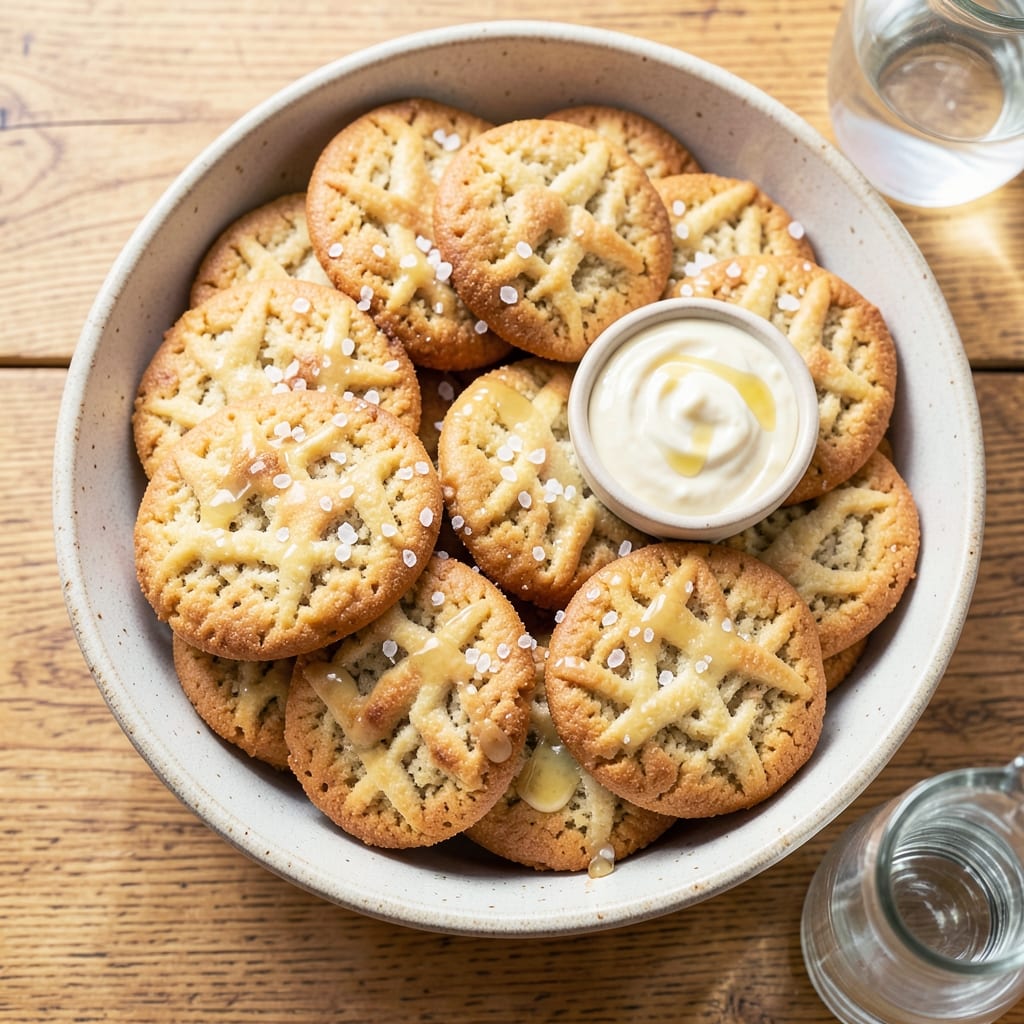
This dairy-free egg-free biscuit recipe delivers flaky layers that rival traditional biscuits without dairy or eggs. The secret lies in a plant-based butter substitute and aquafaba (chickpea brine) for binding—both create that signature tender, melt-in-your-mouth texture. I've tested this recipe dozens of times to ensure it holds together perfectly while baking up golden and crisp at the edges. The process is straightforward: combine dry ingredients, cut in the plant-based butter until pea-sized crumbs form, then bind with aquafaba for that classic biscuit structure. No special equipment is needed—just a bowl, fork, and baking sheet. The result is biscuits with three distinct layers, just like the ones from your favorite Southern kitchen, but completely plant-based. What makes these biscuits truly special is how they hold up—no crumbling, no falling apart, just that satisfying pull-apart texture. They're perfect for soaking up gravy, pairing with jam, or serving alongside plant-based sausage. The flavor is neutral enough to complement any meal while still being delicious on their own. With a baking time of just 12-15 minutes, you'll have warm, flaky biscuits ready in no time. Store leftovers in an airtight container for up to 4 days or freeze for longer storage. Here's how to make them perfectly every time.
Ingredients for dairy and egg free biscuit
Eight simple ingredients create flaky, golden biscuits without dairy or eggs. The magic happens with plant-based butter and aquafaba.
| Ingredient | Amount | Notes |
|---|---|---|
| All-Purpose Flour 🌾 | 3 cups | Unbleached, spooned and leveled |
| Plant-Based Butter Substitute 🧈 | ¾ cup | Cold, cubed (e.g., Miyoko's or Earth Balance) |
| Baking Powder 🧂 | 2 tbsp | Aluminum-free preferred |
| Diamond Crystal Kosher Salt 🧂 | 1 ½ tsp | Fine grain for even distribution |
| Aquafaba 🥫 | ¼ cup | Chickpea brine, unsweetened |
| Cold Water 💧 | ½ cup | Chilled from refrigerator |
| White Vinegar 🍶 | 1 tsp | For aquafaba activation |
| Cornstarch 🌾 | 1 tbsp | For extra flakiness |
The plant-based butter is non-negotiable here—Miyoko's or Earth Balance work best, but any cold, firm vegan butter will do. Look for brands with at least 80% fat content for that classic biscuit texture. King Arthur Flour is my go-to for all-purpose flour—it's finely milled and creates the perfect tender crumb. Aquafaba might sound fancy, but it's just the brine from a can of chickpeas. Save the liquid next time you open a can—it's free and works perfectly. The vinegar is key for activating the aquafaba's binding properties, so don't skip it.
No aquafaba? Flax egg (1 tbsp ground flaxseed + 3 tbsp water) works in a pinch, but the texture won't be quite as flaky. Short on plant-based butter? Coconut oil solidified in the fridge can substitute, though it has a slightly different flavor. The cornstarch is optional but worth it for those extra-layers—it mimics the gluten development that butter and eggs would normally provide. For the baking powder, Bob's Red Mill aluminum-free is my preference, but any quality brand will work. If your flour feels damp, let it sit out for 10 minutes before measuring—consistency is everything.
Store leftovers in an airtight container at room temperature for up to 4 days, or freeze for 3 months for maximum freshness. To reheat, wrap biscuits in foil and warm in a 350°F oven for 5-7 minutes. For best results, make the dough and refrigerate it overnight—the gluten relaxes, and you'll get even more flaky layers. The vinegar and aquafaba mixture can be prepped ahead and stored in the fridge for 3 days, making assembly a breeze on busy mornings.
Why You'll Love This Recipe
- No-Fuss Mixing: I swear by the aquafaba trick—just whisk it into the flour and butter substitute until you’ve got a smooth, airy batter. No eggs to crack, no mess to clean, and honestly? It’s foolproof even when I’m distracted.
- Buttery Without Butter: The plant-based butter substitute melts into those flaky layers like magic, giving you that golden, crispy edge without any dairy. (Yes, even my picky vegan cousin asks for seconds.)
- Breakfast, Brunch, or Snack: These biscuits are my go-to for weekend brunch, a quick sandwich fix, or even toasted with jam when I’m craving something sweet. They freeze like a dream too—just reheat and serve.
- Pantry Staples Only: Five ingredients, zero specialty items. If you’ve got flour, salt, and a can of chickpeas (for the aquafaba), you’re already halfway there. Budget-friendly, minimal waste, and always reliable.
Step-by-step instructions for flaky dairy-free egg-free biscuits
Here's how to achieve those signature flaky layers using plant-based butter and aquafaba.
Cut in the Plant-Based Butter Substitute
Place the 3 cups All-Purpose Flour in a large mixing bowl. Add the 2 tbsp Baking Powder and 1.5 tsp Diamond Crystal Kosher Salt, whisking to combine. Cut in the 0.75 cup cold Plant-Based Butter Substitute using a pastry cutter or two forks until the mixture resembles coarse crumbs with pea-sized butter pieces. This texture is crucial—it creates pockets of steam during baking that separate the layers.
I like to work quickly here to prevent the butter from melting. The goal is to distribute the butter evenly throughout the flour without developing too much gluten. If the mixture starts to look shaggy, stop immediately—overworking will make your biscuits tough instead of flaky.
Whisk the Aquafaba Mixture
In a separate bowl, whisk together the 0.25 cup Aquafaba, 0.5 cup Cold Water, 1 tsp White Vinegar, and 1 tbsp Cornstarch until smooth and slightly thickened. This mixture replaces eggs by providing structure and moisture. The vinegar activates the aquafaba, creating a stable binder that mimics egg whites.
Let the aquafaba mixture rest for 5 minutes while you prepare the dry ingredients. This resting time allows the vinegar to fully react, ensuring the mixture will hold together when incorporated. If you rush this step, your biscuits might fall apart during baking.
Combine Wet and Dry Ingredients
Pour the aquafaba mixture into the flour-butter mixture and gently stir with a wooden spoon until just combined. The dough will be shaggy and slightly sticky—this is normal. Avoid overmixing, which develops gluten and makes biscuits dense. Once combined, turn the dough onto a lightly floured surface and knead it 4-5 times just to bring it together.
Real talk: the dough shouldn't hold together perfectly. It should crumble when pressed, which is exactly what we want for flaky layers. If it feels too dry, add 1 teaspoon of cold water at a time until it just comes together. Too much liquid will make your biscuits gummy rather than flaky.
Shape and Chill the Dough
Divide the dough into 8 equal portions (about 2 tablespoons each) and shape them into balls. Gently flatten each ball into a ½-inch thick round. Arrange them on a parchment-lined baking sheet, spacing them 1 inch apart. Place the baking sheet in the refrigerator for 30 minutes to firm up.
This chilling step is non-negotiable. Cold dough prevents excessive spreading in the oven and helps maintain those delicate layers. I like to press down very gently on each biscuit with my palm to ensure even thickness. If your kitchen is warm, chill for 45 minutes instead—this prevents the butter from melting prematurely.
Bake to Golden Perfection
Preheat your oven to 425°F with a baking sheet on the middle rack. Bake the biscuits for 12-15 minutes until they're golden brown on top and the bottoms are lightly browned. The key is to bake them just until they're set—they'll continue cooking as they cool.
Here's the thing—don't overbake. The biscuits should feel firm to the touch but still be slightly soft in the center. If you bake them too long, they'll turn tough. As soon as they're golden, transfer them to a wire rack to cool for 5 minutes before serving. This resting time allows the layers to set properly, ensuring that signature flaky texture in every bite.
Pro Tips For Making Dairy And Egg Free Biscuit
- Chill the Dough First: I learned this the hard way—skipping the fridge makes these biscuits spread like pancakes. Wrap the dough in plastic and refrigerate for at least 30 minutes before cutting. Cold butter substitutes firm up, so the biscuits hold their shape and get that perfect flaky layer instead of turning into flat, sad rounds.
- Whisk Aquafaba Like Egg Whites: Don’t just pour it in—beat that aquafaba until it’s glossy and holds soft peaks, like a meringue. Use a hand mixer for 3-4 minutes; this mimics the structure eggs give to biscuits. If it’s underwhipped, your biscuits will be dense. Overwhipped? They’ll crack. Aim for the Goldilocks zone.
- Cut Through Cold Dough: Resist the urge to use warm dough straight from mixing—it’s a recipe for gummy, uneven biscuits. After chilling, cut through the dough with a sharp, dry knife or biscuit cutter. Press straight down, don’t twist, and re-dip the cutter in flour if it starts sticking. This ensures clean edges and even baking.
- Use a Mixer for Butter and Flour: I was skeptical until I tried it—pulse the plant-based butter and flour in a food processor for 10-15 seconds before adding wet ingredients. This creates tiny pockets of fat in the flour, which translates to lighter, more tender biscuits. Skip this, and you’ll end up with a heavier, cake-like texture. (Yes, even if you’re not a mixer person—just 15 seconds.)
Wine and beer pairings for this recipe
White Wine Pairings
For these biscuits, I reach for crisp, dry whites that complement their buttery richness without overpowering. A Sauvignon Blanc from New Zealand—like Kim Crawford—cuts through the plant-based butter beautifully with its bright citrus and herbal notes. The acidity balances the biscuits' slight sweetness, while the mineral finish cleanses your palate. 🍷
If you prefer something lighter, a Pinot Grigio from Italy (try Santa Margherita) works wonders. Its delicate almond and pear undertones enhance the biscuits' flaky texture without competing. Both wines are versatile enough to pair with breakfast or brunch, making them perfect for any meal featuring these biscuits.
Rosé for Brunch
A dry Provence-style rosé (like Whispering Angel) is my go-to for brunch pairings. Its subtle red fruit and floral notes complement the biscuits' neutral flavor profile, while the crisp acidity keeps the meal feeling fresh. The pink hue also adds a visually appealing contrast to the golden biscuits. 🍹
Beer Pairings
For beer lovers, a wheat beer like Blue Moon or Allagash White pairs surprisingly well. The light body and citrusy notes enhance the biscuits' flakiness, while the effervescence cleanses the palate. Avoid heavy stouts or IPAs—they’ll overpower the delicate texture and flavor of these biscuits.
Coffee or Tea
If you prefer non-alcoholic options, a strong black coffee (like Starbucks Pike Place) or a chamomile tea with honey enhances the biscuits' buttery richness. The bitterness of coffee balances the biscuits' mild sweetness, while tea adds a soothing contrast. Both are perfect for a cozy breakfast or afternoon snack. ☕
Seasonal Adaptations
In warmer months, a sparkling lemonade (like San Pellegrino Aranciata) adds a refreshing twist. The effervescence and citrus notes brighten the biscuits' texture, making them feel lighter for summer meals. For fall, a spiced chai tea complements the biscuits' warmth and adds a cozy touch. 🍋
Nutrition facts
Frequently asked questions
Can I make these biscuits without aquafaba?
Yes, but the texture will differ slightly. Use 1 tablespoon ground flaxseed + 3 tablespoons cold water as a flax egg substitute. Mix well and let sit for 5 minutes to thicken before using. The biscuits will still hold together, but they may be slightly denser than with aquafaba. For extra flakiness, add 1 extra tablespoon of cold plant-based butter.
Why are my biscuits tough instead of flaky?
Overmixing the dough develops gluten, which makes biscuits tough. Stop stirring as soon as the dough comes together—it should look shaggy. Also, ensure your plant-based butter is cold (not softened) and cut it into the flour until pea-sized crumbs remain. If your kitchen is warm, chill the shaped biscuits for 45 minutes instead of 30 minutes.
Can I add herbs or cheese to these biscuits?
For herbs, try 1 tablespoon chopped fresh chives or thyme mixed into the dry ingredients. For a cheesy flavor (without dairy), use ¼ cup nutritional yeast or 2 tablespoons vegan parmesan. Just reduce the flour by 1 tablespoon to maintain the right texture. Avoid adding too much moisture—herbs and cheese substitutes can make the dough sticky.
How do I store leftover biscuits?
Keep biscuits fresh in an airtight container at room temperature for up to 4 days. For longer storage, freeze them on a tray first (uncovered) for 1 hour, then transfer to a freezer bag for up to 3 months. To reheat, wrap in foil and warm in a 350°F oven for 5-7 minutes or microwave for 10-15 seconds. Never reheat directly from frozen.
Can I make these biscuits ahead of time?
Yes! Prepare the dough up to 24 hours ahead and refrigerate it, covered. Shape and chill the biscuits for 30 minutes before baking. For even better results, let the dough rest overnight—the gluten relaxes, making the biscuits extra flaky. You can also pre-bake and freeze them (see storage tips above) for quick breakfasts all week.