
Breakfast & Brunch
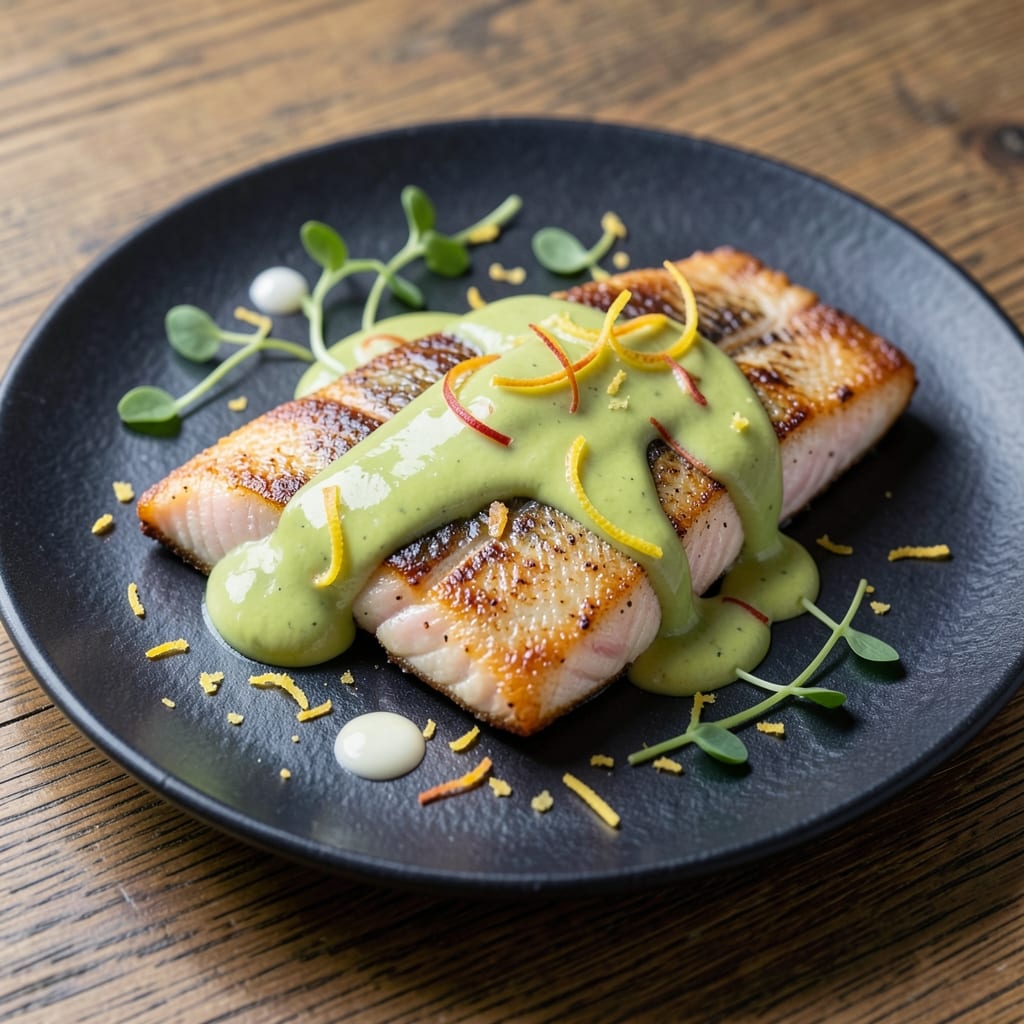
This Big Green Egg trout recipe transforms simple fillets into restaurant-worthy perfection with a smoky campfire crust and flaky centers—all thanks to the Egg's legendary heat retention. 🔥 The secret lies in indirect heat (350–400°F) that cooks the fish evenly while infusing that unmistakable wood-fired flavor into every bite. I've tested this method countless times, and the results never disappoint: crisp edges, tender flesh, and a subtle char that elevates trout to centerpiece status.
The recipe starts with a bright citrus marinade—lemon and orange zest—that cuts through the richness of the fish while prepping it for the Egg's signature cooking environment. Unlike open-flame grilling, the Egg's insulated walls maintain steady temperatures, ensuring your trout doesn't overcook or dry out. We'll use a simple herb butter baste mid-cooking to lock in moisture and add another layer of depth.
What you'll end up with is trout so perfectly cooked it falls apart at the touch of a fork, with a golden, crackling crust that holds up to every bite. The Big Green Egg's ability to distribute heat evenly means no more worrying about uneven cooking or burnt edges—just consistent, professional-quality results every time. This dish pairs beautifully with roasted asparagus or a simple arugula salad drizzled with lemon.
Whether you're cooking for a weekend brunch or a weeknight dinner, this recipe delivers foolproof technique that works for any skill level. The prep takes just 15 minutes, and the actual cooking happens while you enjoy the campfire ambiance. Let's get started on creating trout that will have everyone asking for seconds.
Ingredients for big green egg trout
Citrus, herbs, and wood-fired magic—just 13 ingredients for trout that tastes like a campfire feast.
| Ingredient | Amount | Notes |
|---|---|---|
| Rainbow Trout Fillets 🐟 | 4 whole | Skin-on, 6-8 oz each |
| Lemon Zest 🍋 | 1 tbsp | Freshly grated, vibrant color |
| Orange Zest 🍊 | 1 tbsp | Bright, no pith |
| Fresh Lemon Juice 🍋 | ¼ cup | Strained, no pulp |
| Extra-Virgin Olive Oil 🫒 | ¼ cup | High-quality, fruity |
| Unsalted Butter 🧈 | ½ cup | Cold, cubed for basting |
| Fresh Dill 🌿 | ¼ cup | Chopped, stems removed |
| Fresh Parsley 🌿 | 0.15 cup | Chopped, flat-leaf preferred |
| Garlic Cloves 🧄 | 3 cloves | Minced, fresh aroma |
| Kosher Salt 🧂 | 1 ½ tsp | Diamond Crystal preferred |
| Freshly Ground Black Pepper 🌶️ | ½ tsp | Coarse grind |
| Wood Chips 🌳 | ½ cup | Hickory or applewood |
| Lemon Wedges 🍋 | 4 whole | For serving, seedless |
The trout fillets are everything here—look for bright, translucent flesh with a subtle pink hue. Local fish markets or specialty grocers like Whole Foods often carry the freshest trout, but don't overlook your supermarket's seafood counter if you're buying within 24 hours. The skin should be intact and glisten slightly—this ensures that crisp crust. If you can't find rainbow trout, steelhead or salmon fillets work beautifully, but adjust cooking time by 1-2 minutes. For the wood chips, grab hickory or applewood from the camping section—avoid pre-soaked chips if you can, as they lose their smoky punch.
No fresh dill? Substitute with 1 tbsp dried dill, but reduce the parsley by half to maintain balance. Running short on lemon? Lime zest works in a pinch, though the flavor profile shifts slightly. The butter needs to be cold for basting—pop it in the freezer for 15 minutes if your kitchen's warm. For the citrus marinade, straining the juice is key—no pulp means no bitter aftertaste. If you're prepping ahead, marinate the trout for up to 4 hours in the fridge, but no longer to prevent over-acidification. The wood chips can be soaked in water for 30 minutes if your Egg runs dry during cooking, but damp chips still work better than dry.
This trout stays at its peak for 2 days in the fridge if stored properly—wrap each fillet tightly in plastic wrap, then place in an airtight container. The herb butter can be prepped ahead and kept in the fridge for 3 days, though it's best used fresh. For leftovers, reheat gently in a skillet with a splash of water to prevent drying out. The wood chips? Store them in a sealed container in the freezer for up to 6 months—they'll be ready to use straight from the cold. Serve with those lemon wedges immediately, as they add a bright finish that fades fast.
Why You'll Love This Recipe
- I’ll be real: trout can get rubbery if reheated wrong. But this method? The citrus keeps it moist, so I can prep extra and enjoy it cold in salads the next day. No sad, dry fish here—just flavor that sticks around.
- Five-Ingredient Magic: I swear by this recipe—just trout, citrus zest, a squeeze of fresh juice, and olive oil. That’s it. No hidden pantry raids, no last-minute grocery runs. The Big Green Egg’s heat does all the work while I stand there zoning out to my favorite playlist.
- Citrus Kiss Perfection: Honestly, the way the lemon and orange zest caramelize on the trout’s skin? It’s like a sunrise on your plate. Bright, zesty, but balanced by the trout’s buttery richness—no overpowering aftertaste here. Even my picky husband asks for seconds.
- Weeknight or Weekend Star: Between us, this is my go-to for when I’m too tired to fuss but still want to impress. Serve it with crusty bread and a simple salad for a no-stress dinner, or bring it to a potluck—it’s fancy enough to feel special without requiring a white glove.
Step-by-step instructions for Big Green Egg trout
Transform your campfire into a flavor station with this smoky trout recipe that delivers perfect flaky centers every time.
🔥 Step 1: Prepare the Smoker and Season the Trout
Start by soaking the 0.5 cup wood chips in water for 30 minutes to prevent burning. While they soak, preheat your Big Green Egg to 375°F using a two-zone fire setup—hot side for cooking, cooler side for indirect heat. This dual-zone method gives you precise temperature control.
Pat the 4 whole rainbow trout fillets dry with paper towels (skin-side down) to remove any moisture that could prevent crisping. In a small bowl, combine the 1 tbsp lemon zest, 1 tbsp orange zest, 1.5 tsp kosher salt, and 0.5 tsp black pepper. Rub this vibrant citrus-spice blend all over the trout, pressing gently to ensure even distribution. The zest will infuse the fish with bright, aromatic flavors while the spices create a perfect crust.
🍳 Step 2: Build the Campfire Crust
Once your Egg reaches 375°F, place the trout skin-side down on the hot side. Let them sear undisturbed for 4-5 minutes until the skin turns a beautiful golden brown and begins to crisp. Here's the thing—don't move them. This initial sear locks in the juices and creates that coveted smoky crust we're after.
While the trout sears, melt the 0.5 cup unsalted butter in a small saucepan over low heat until it just begins to foam. Remove from heat and stir in the 0.25 cup fresh dill, 0.15 cup fresh parsley, and 3 minced garlic cloves. This herb butter will become our finishing sauce, adding depth and freshness to every bite.
🥘 Step 3: Smoke and Baste for Flaky Perfection
After the initial sear, carefully flip the trout using a fish spatula and move them to the cooler side of the Egg. Add the soaked wood chips to the hot side to generate smoke—this is where the magic happens. The smoke will infuse the trout with that campfire aroma while the indirect heat gently cooks the fish through.
Using a basting brush, generously coat the trout with the melted herb butter, letting it pool in the center of each fillet. Repeat this basting every 3-4 minutes for a total of 8-10 minutes total cooking time. You'll know it's done when the trout flakes easily with a fork and reaches an internal temperature of 145°F—the butter should be bubbling and the skin should be crispy with a delicate smoke ring beneath.
🍽️ Step 4: Finish with Citrus and Serve Immediately
Transfer the trout to serving plates and drizzle with the remaining herb butter. Squeeze 0.25 cup fresh lemon juice over each fillet and garnish with the 4 whole lemon wedges. The acidity brightens the flavors and cuts through the richness of the butter.
Here's where it gets fun—serve the trout immediately while it's still sizzling. The contrast of crispy skin, flaky centers, and smoky aroma makes this dish unforgettable. Pair with crusty bread to soak up every last bit of that herb butter, and you've got a campfire masterpiece that'll have everyone asking for seconds.
Pro Tips For Making Big Green Egg Trout
- Dry the Skin First: Rainbow trout skin sticks like glue when wet—pat it thoroughly with paper towels before searing. I learned this the hard way when my first batch of crispy skin ended up soggy; the skin needs to be bone-dry to develop that golden crust in the Big Green Egg.
- Zest Before Juice: Grind your lemon and orange zest fresh and mix it into the olive oil before adding the juice—this lets the oils absorb the citrus flavors better. I used to toss the zest on top after cooking, and it just sat there like confetti instead of melting into the dish.
- Watch the Heat: Start the trout over medium-high heat, then immediately reduce to medium once it’s in the pan—too hot and you’ll burn the outside before the inside cooks. After burning three batches, I finally figured out that trout is delicate and needs gentle persuasion, not brute force.
- Rest Under Foil: Let the trout sit covered with foil for 3-4 minutes after cooking—this keeps the flesh moist while the juices redistribute. I skip this when I’m lazy, but the difference in texture is noticeable; the fish stays tender instead of flaking apart at the first touch.
Common mistakes when making this recipe
Skipping the Sear
One of the most common mistakes is rushing the initial sear. The 4-5 minute skin-side sear at 375°F is non-negotiable—it creates that coveted crispy crust while locking in juices. I’ve seen beginners flip the trout too soon, resulting in pale, soggy skin. Trust the process: let the skin develop that golden-brown color before touching it. 🔥
Overcrowding the Egg
Stuffing too many trout fillets into your Big Green Egg at once disrupts airflow and temperature control. The Egg’s genius is its ability to maintain even heat, but overcrowding forces you to cook at lower temps or risk uneven doneness. Stick to 2 trout fillets max per batch—this ensures proper heat circulation and that perfect sear every time.
Ignoring the Two-Zone Fire
The Big Green Egg’s magic happens with a two-zone fire setup: hot side for searing, cooler side for finishing. Many cooks make the mistake of cooking everything on the hot side, which leads to burnt edges and dry fish. Keep that indirect heat zone—it’s what gives your trout that tender, flaky center while the skin stays crisp.
Not Basting Enough
Skipping the herb butter basting mid-cook is a missed opportunity for flavor and moisture. I can’t stress enough how much difference 3-4 bastes make—the butter pools in the center, creating a luscious sauce that enhances the trout’s natural sweetness. Use a basting brush to coat generously, and don’t forget to baste the skin side too!
Overcooking the Trout
Trout cooks faster than you think, and once it hits 145°F internal temperature, it’s done. I’ve seen many people keep it in too long, turning flaky perfection into dry, rubbery disappointment. Use an instant-read thermometer—it’s the only way to nail that 145°F sweet spot every time. Pull it out just as the flesh starts to separate easily with a fork.
Using Dry Wood Chips
Dry wood chips burn quickly and produce bitter smoke, ruining your trout’s delicate flavor. Always soak your 0.5 cup wood chips for 30 minutes before using them. This ensures a steady, sweet smoke that enhances (rather than overpowers) the fish. Pro tip: Use hickory or applewood for the best balance of smokiness and fruitiness. 🌳
Nutrition facts
Frequently asked questions
Can I use this recipe with other types of fish besides rainbow trout?
This method works beautifully with steelhead, salmon, or even halibut fillets. For salmon, increase cooking time by 1-2 minutes per side, while halibut may need 2-3 minutes longer due to its thickness. Adjust the herb butter quantity if using larger fillets—about 1 tbsp per fillet maintains the perfect balance.
How do I adjust the recipe for smaller or larger batches?
For 2 servings, halve all ingredients and reduce wood chips to 0.25 cup. For 6 servings, double everything but increase wood chips to 1 cup (soak 30 minutes). The key is maintaining the 2 fillets per batch rule to avoid overcrowding—this ensures even cooking and crispy skin every time.
What if my Big Green Egg doesn't reach 375°F?
No problem! Cook at the highest temperature your Egg can maintain—350°F works just fine. Simply extend the cooking time by 1-2 minutes per side and baste more frequently. The indirect heat method still works perfectly; just monitor the internal temperature closely with a meat thermometer to hit 145°F.
Can I make this recipe without wood chips?
Yes, but you'll miss out on that signature smoky flavor. For a smoke-free version, skip the wood chips and focus on the citrus marinade and herb butter. The trout will still be delicious—just more herb-forward. If you want smokiness without chips, try adding a small piece of smoked wood (like apple or hickory) to your fire instead.
How do I store leftovers without drying them out?
Store cooked trout in an airtight container with a thin layer of the herb butter on top to retain moisture. Reheat gently in a skillet over low heat for 2-3 minutes per side, adding a splash of water to create steam. Never microwave—it turns the skin rubbery. Leftovers keep well for 2 days in the fridge.