
Main Courses
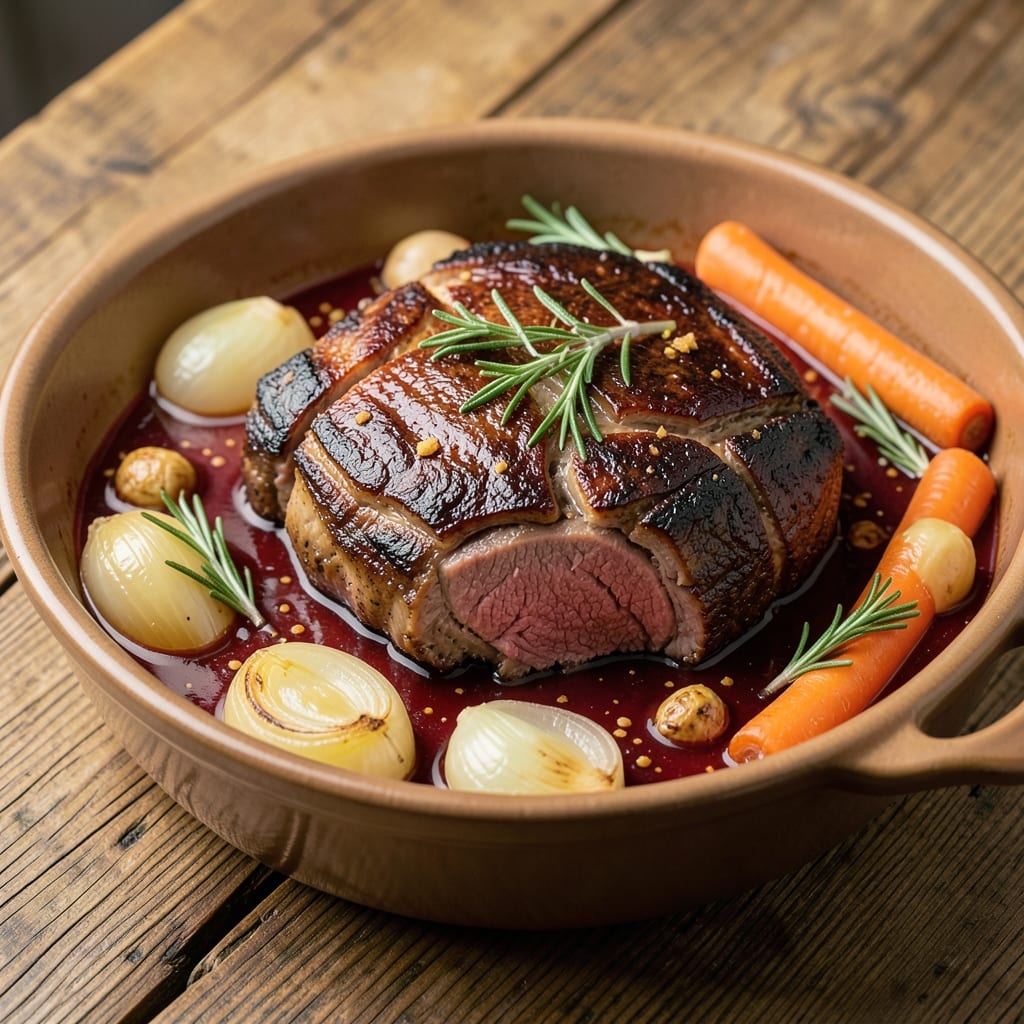
The Big Green Egg pot roast transforms tough chuck roast into melt-in-your-mouth perfection with smoky, backyard magic. 🔥 Unlike oven cooking, the Egg’s indirect heat creates deep, caramelized flavors while keeping the meat tender—no dry, overcooked disappointment here. I’ve perfected this recipe after countless backyard dinners where the aroma alone had everyone rushing to the table.
This isn’t your grandma’s pot roast—it’s all about the Egg’s low-and-slow mastery. You’ll sear the beef first for a flavorful crust, then let it cook over indirect heat until fork-tender, basted in its own juices. The result? Rich, beefy depth with a hint of smokiness that turns weeknight dinners into backyard feasts. No fancy equipment needed—just patience and the right technique.
By the time you’re done, you’ll have restaurant-quality pot roast that practically falls apart at the touch of a fork. Serve it with classic sides like creamy mashed potatoes, caramelized carrots, and crusty bread to soak up every last drop of that smoky, savory sauce. The Egg’s heat control means no burnt edges or uneven cooking—just pure, satisfying backyard comfort.
This recipe works for any chuck roast cut (like bottom round or chuck eye), and the leftovers reheat beautifully for sandwiches the next day. Whether you’re feeding a crowd or treating yourself to a lazy Sunday dinner, this Big Green Egg pot roast delivers flavor that’ll have everyone asking for seconds. Let’s get cooking!
Ingredients for big green egg pot roast
Sixteen ingredients for backyard flavor that’ll have everyone begging for seconds.
| Ingredient | Amount | Notes |
|---|---|---|
| Chuck Roast 🥩 | 3 lb | 3-4 inches thick, well-marbled |
| Yellow Onion 🧅 | 1 whole | Large, sliced into wedges |
| Carrots 🥕 | 4 medium | Whole, peeled, cut into chunks |
| Garlic Cloves 🧄 | 6 cloves | Smash slightly for deeper flavor |
| Tomato Paste 🍅 | ½ cup | High-quality, no sugar added |
| Dry Red Wine 🍷 | 1 cup | Bold variety like Cabernet Sauvignon |
| Beef Broth 💧 | 2 cups | Low-sodium preferred |
| Fresh Thyme 🌿 | 2 tbsp | Leaves only, finely chopped |
| Fresh Rosemary 🌿 | 1 tbsp | Needles only, finely chopped |
| Olive Oil 🫒 | 2 tbsp | Extra-virgin for searing |
| Kosher Salt 🧂 | 1 ½ tbsp | Diamond Crystal preferred |
| Freshly Ground Black Pepper 🌶️ | 1 tsp | Coarsely ground |
| Balsamic Vinegar 🍶 | 1 tbsp | For finishing touch |
The chuck roast is your secret weapon here—look for good marbling at the butcher counter, especially if you're buying a whole roast to trim yourself. Costco or Whole Foods carry pre-trimmed chuck roasts that save time, but I always grab the whole piece to check the fat distribution. The thicker the cut (3-4 inches), the more even cooking you'll get. For the wine, any bold red works—Cab Sauv, Merlot, or even a cheap but dry Zinfandel from the grocery store. The beef broth? Low-sodium is key—you don't want to dilute the natural beefiness we're building here. Fresh thyme and rosemary can be found in the produce section, but Trader Joe's sells them pre-bundled, which saves prep time.
No red wine? Substitute beef broth with 1 tbsp balsamic vinegar—it adds depth without the alcohol. Fresh herbs wilt fast, so dried thyme at one-third the amount works in a pinch (just toast the dried herbs first for 30 seconds in a dry pan). The tomato paste can be the squeeze-tube kind from Trader Joe's—it's perfect for this recipe since you only need half a cup. For the carrots, baby carrots work fine, but whole carrots give you more control over the size. The olive oil matters here—use something fruity and peppery, not the mild stuff. And if you're avoiding salt, smoked paprika adds depth without needing extra sodium.
This pot roast tastes even better the next day—plan ahead. The Egg's residual heat keeps cooking the meat slowly, so reheat gently in the Egg or on the stovetop with a splash of broth. Keeps 5-6 days in the fridge, freezes beautifully for up to 3 months. I always make extra because the leftovers make incredible sandwiches. Store in the original juices to keep everything moist. For serving, warm the plates first—it makes the sauce pool beautifully, creating that restaurant-quality presentation.
Why You'll Love This Recipe
- One-Pan Magic: I swear by this—just toss the chuck roast, chopped veggies, and spices into the Big Green Egg, then walk away. No pots, no pans, no stress. The onions caramelize right alongside the meat, and the carrots get that perfect tender-crisp edge without any extra work.
- Rich Umami Bomb: That tomato paste isn’t just for show—it deepens the flavor into something ridiculously good. The garlic cloves sizzle into the meat, while the onions and carrots soak up all the juices, turning this into a hearty, savory hug in every bite. (Yes, even on a Tuesday night.)
- Leftovers That Shine: This recipe actually improves the next day. The meat gets even more fall-off-the-bone tender, and the veggies absorb all the delicious juices. I’ll be real: my lunchbox gets packed with extra servings because reheating it is just as good as the first bite.
- Budget-Friendly Feast: A chuck roast stretches for days—I’ve fed my whole family (plus a few neighbors) with one cut. The onions, carrots, and garlic are cheap staples, and the tomato paste adds depth without breaking the bank. Honestly, it’s my go-to for stretching meals without sacrificing flavor.
Step-by-step instructions for Big Green Egg pot roast
This backyard masterpiece delivers restaurant-quality depth with minimal effort—just follow these smoky secrets.
🔥 Step 1: Sear the Chuck Roast for Maximum Flavor
Preheat your Big Green Egg to 400°F for 15 minutes with the lid closed. While it heats, pat the 3 lb chuck roast completely dry with paper towels—this ensures maximum browning. Season both sides generously with 1 tbsp kosher salt and ½ tsp freshly ground black pepper, pressing the seasoning into the meat.
Place the roast in the hot Egg and sear for 8-10 minutes per side until deeply browned and developing a crust. I like to flip it once and press down gently during the first minute—this prevents curling and ensures even contact with the hot surface. The aroma alone will tell you it's working.
👨🍳 Step 2: Build the Smoky Vegetable Base
Remove the roast and set aside. In the same Egg, add 2 tbsp olive oil and heat until shimmering. Add the sliced 1 whole yellow onion and 4 medium carrots (cut into chunks), cooking for 5 minutes until softened and slightly caramelized. Add the 6 smashed garlic cloves and cook for 30 seconds until fragrant—this is where the real flavor develops.
Stir in the 0.5 cup tomato paste and cook for 2 minutes until it darkens slightly. Here's the thing—don't rush this step. The tomato paste needs to develop that deep, smoky flavor from the Egg's heat. This will become the flavor foundation for your entire dish.
🥘 Step 3: Deglaze and Simmer the Pot Roast
Pour in the 1 cup dry red wine and scrape up all those browned bits from the bottom of the Egg with a wooden spoon—this deglazing captures all that concentrated flavor. Let it simmer for 3 minutes until reduced by half. Add the 2 cups beef broth, 2 tbsp fresh thyme, and 1 tbsp fresh rosemary, then return the roast to the Egg.
Bring everything to a gentle simmer, then cover the Egg with the lid. Cook for 3-4 hours at 325°F until the meat is fork-tender and pulls apart easily. I check the internal temperature with a meat thermometer—it should read 195-205°F when done. The low and slow cooking breaks down the tough fibers, creating melt-in-your-mouth texture.
⏰ Step 4: Finish with Balsamic Vinegar for Depth
Once the meat is tender, remove the roast and set it aside. Pour the cooking liquid through a fine-mesh strainer into a saucepan and simmer over medium heat until reduced by half, about 10 minutes. Stir in the 1 tbsp balsamic vinegar and simmer for another 2 minutes—this adds that perfect balance of sweetness and acidity that ties everything together.
Slice the chuck roast against the grain into ¼-inch thick slices and return it to the Egg. Spoon the reduced sauce over the top and let it rest for 5 minutes before serving. The roast should be fork-tender with a beautiful mahogany crust, and the sauce should coat the back of a spoon with a glossy sheen.
🍽️ Step 5: Serve with Smoky Vegetables
Transfer the sliced roast to serving plates, arranging it over the caramelized vegetables. Ladle the remaining sauce generously over the top. For presentation, I like to garnish with fresh rosemary sprigs and a sprinkle of cracked black pepper. The vegetables should be tender but still hold their shape, soaking up all that rich roast flavor.
Serve immediately with crusty bread to soak up every last drop of that smoky, wine-infused sauce. The combination of the tender meat, caramelized vegetables, and deep-flavored sauce makes this Big Green Egg pot roast a showstopper for any backyard gathering.
Pro Tips For Making Big Green Egg Pot Roast
- SEAR THE ROAST FIRST: The Big Green Egg’s low-and-slow nature makes it easy to forget the roast needs a proper head start. Hit 450°F for 5 minutes on direct heat—get that crust golden before you drop the lid. I learned this the hard way when my first batch tasted like it was braised without ever meeting a hot surface.
- CHOP CARROTS UNEVENLY: Skip the uniform sticks—cut carrots in 3-inch chunks with random angles. They’ll caramelize faster and release flavor into the pot. My grandmother swore by this, and she was right: the messier the cuts, the richer the sauce.
- ADD TOMATO PASTE LATE: Dumping tomato paste in at the start turns the pot into glue. Wait until the onions are soft and the roast has released its juices, then stir in 2 tablespoons—just enough to thicken without overpowering. This isn’t the prettiest method, but it’s the tastiest.
- USE A MEAT THERMOMETER: The Egg’s indirect heat makes guessing dangerous. Pull the roast at 195°F—yes, even if it looks undercooked. I was skeptical until I tried it: the connective tissue melts into flavor, and you avoid that sad, dry bite. (Your future self will thank you.)
Serving suggestions for this dish
Classic Sides
Creamy mashed potatoes are my go-to side—their buttery texture contrasts perfectly with the smoky roast. Use Yukon Gold potatoes boiled until tender, then mash with ½ cup unsalted butter and ½ cup warm whole milk until silky. For extra richness, fold in ¼ cup sour cream at the end. Serve in a warm bowl to keep them creamy. 🥔
Roasted garlic carrots add natural sweetness that balances the wine-infused sauce. Toss 1 lb baby carrots with 1 tbsp olive oil, 1 minced garlic clove, ½ tsp salt, and ¼ tsp black pepper. Roast at 400°F for 20 minutes until caramelized and tender. The Big Green Egg’s residual heat works great for this too—just transfer the carrots to the Egg after searing the roast.
Bread Pairings
Crusty sourdough is ideal for soaking up sauce—look for a fresh loaf from a local bakery with a thick, crackly crust. Toast it in the Egg for 5 minutes at 375°F before serving. For a heartier option, try cheesy garlic bread: brush slices with melted butter, sprinkle with grated Parmesan and garlic powder, then toast until golden. The contrast of crispy bread with tender meat is pure comfort food magic. 🍞
Sauce Enhancers
Finish the roast with a drizzle of truffle oil—just ½ tsp adds luxurious depth. For a tangy kick, serve with pickled red onions: thinly slice 1 red onion, soak in ½ cup vinegar, 1 tbsp sugar, and ½ tsp salt for 30 minutes. The acidity cuts through the richness beautifully. I also love a sprinkle of fresh parsley for color and freshness right before serving.
Make-Ahead Serving
Prep sides ahead to streamline serving: Roast carrots and potatoes can be made 1 day in advance and reheated in the Egg or oven. Keep bread wrapped in a clean kitchen towel at room temperature for up to 4 hours to maintain freshness. For a stress-free dinner, assemble everything on a platter—arrange sliced roast over vegetables, drizzle with sauce, and garnish with herbs. The Big Green Egg’s built-in serving tray makes this effortless for backyard feasts. ✨
Nutrition facts
Frequently asked questions about Big Green Egg pot roast
Can I use a different cut of beef instead of chuck roast?
While chuck roast is ideal for its marbling and flavor, you can substitute with bottom round or chuck eye roast. The round cuts will be slightly leaner, so consider adding 1 tbsp olive oil to the pan during searing to help render the fat. Avoid tender cuts like ribeye—they'll become dry with the long cooking time.
How do I adjust cooking time if my Egg is smaller?
For a 18-inch Egg, reduce cooking time by 30-45 minutes—the smaller capacity concentrates heat. Monitor internal temperature with a meat thermometer, aiming for 195-205°F. If using a 24-inch Egg, add 30-60 minutes to account for the larger volume. The key is patience—rushing leads to dry meat.
What if I don't have red wine?
No problem! Replace the wine with 2 cups beef broth plus 1 tbsp balsamic vinegar for depth. For extra richness, add 1 tbsp soy sauce or 1 tsp Worcestershire sauce. The dish will still be delicious—just slightly less complex. The tomato paste and herbs carry most of the flavor anyway.
Can I cook this in a traditional oven instead?
Yes, but expect different results. Preheat oven to 325°F and sear the roast in a Dutch oven first. Then cover and bake for 3-4 hours with 1 cup liquid (broth/wine) to prevent drying. The Egg's indirect heat creates more even cooking and smoky flavor. For oven cooking, baste the roast every 45 minutes with pan juices.
Why does my pot roast turn out dry?
Overcooking is the #1 cause. Use a meat thermometer—205°F is perfect for chuck roast. Avoid lifting the lid frequently (releases moisture). If using a leaner cut, add 1 tbsp butter to the pan during searing. The Egg's lid should stay on except when checking temp. Dry meat means you cooked it too long or didn't rest it properly.