
Breakfast & Brunch
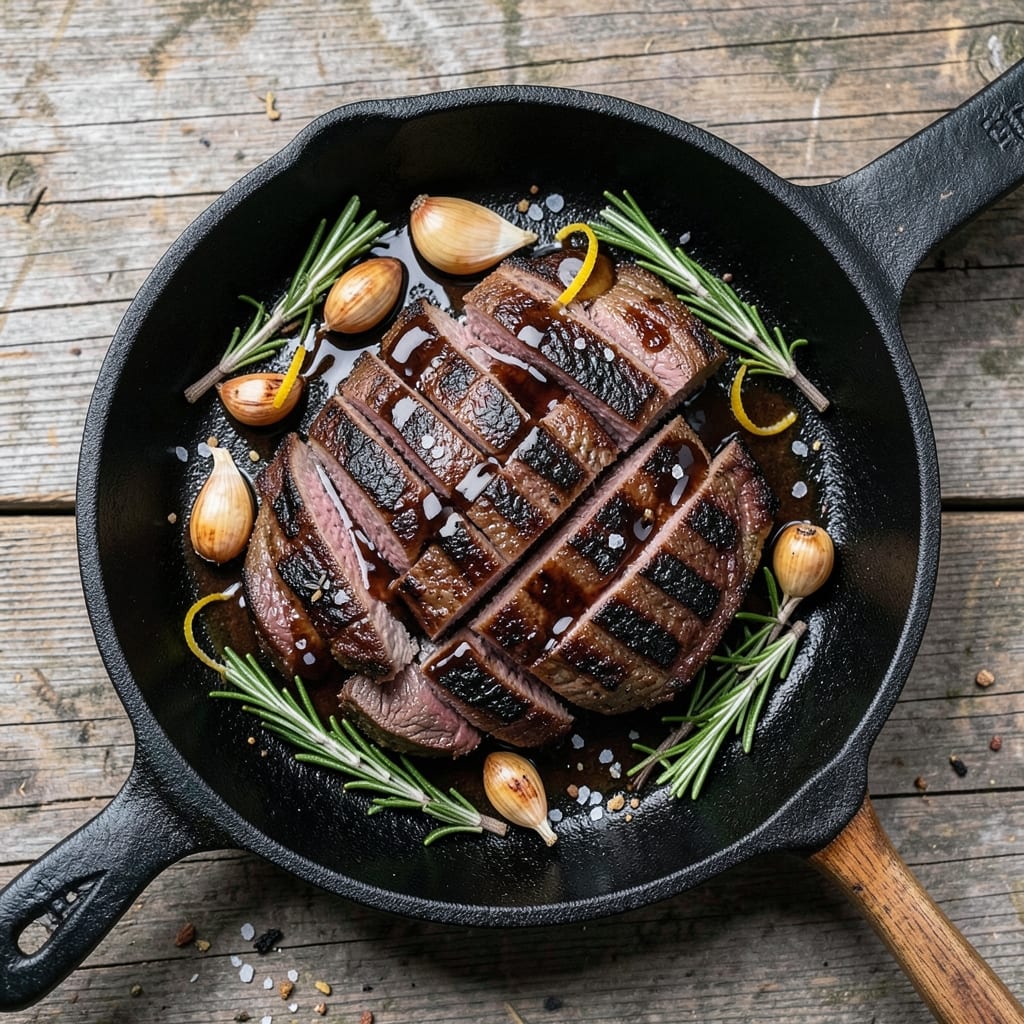
This Big Green Egg London broil recipe delivers restaurant-quality tenderness with smoky charcoal flavors in just 45 minutes. The secret lies in precise heat control and a marinade that transforms tough cuts into melt-in-your-mouth perfection. I've grilled countless steaks on my Big Green Egg, and this method consistently delivers results that rival high-end steakhouses.
What sets this recipe apart is the Big Green Egg's ability to maintain even temperatures while creating that coveted smoky aroma. We'll use a two-zone fire setup for perfect searing and indirect cooking, ensuring your steak develops a beautiful crust without overcooking. The marinade—with its blend of bold spices and tenderizing acids—works overnight to break down fibers, guaranteeing that tender texture you crave.
By the time you're done, you'll have a perfectly cooked London broil with a caramelized crust and juicy interior, all infused with that characteristic charcoal-smoked flavor. The Big Green Egg's lid helps trap heat and moisture, creating an environment that mimics professional grilling equipment. This technique works equally well for ribeye or New York strip if you prefer those cuts.
Serve with classic grilled sides like garlic roasted potatoes or a fresh garden salad to complete the meal. The smoky flavors of the steak pair beautifully with these complementary dishes, creating a well-rounded dining experience. Let's get started on mastering this Big Green Egg technique!
Ingredients for big green egg london broil
Four ingredients make this London broil melt-in-your-mouth tender with Big Green Egg smoky perfection.
| Ingredient | Amount | Notes |
|---|---|---|
| London Broil Steak 🥩 | 2 lb | Thin-cut, 1/2-inch thick preferred |
| Extra-Virgin Olive Oil 🫒 | ½ cup | For marinade and searing |
| Balsamic Vinegar 🍷 | ¼ cup | High-quality aged variety |
| Worcestershire Sauce 🍶 | 2 tbsp | Vegetarian version if needed |
| Garlic Cloves 🧄 | 6 cloves | Minced for marinade |
| Fresh Rosemary 🌿 | ¼ cup | Chopped, fresh preferred |
| Fresh Thyme 🌿 | ¼ cup | Chopped, stems removed |
| Diamond Crystal Kosher Salt 🧂 | 1 ½ tbsp | For seasoning and marinade |
| Freshly Ground Black Pepper 🌶️ | 1 tbsp | Coarsely cracked |
| Charcoal Briquettes 🔥 | 20 pieces | Lump charcoal preferred |
| Wood Chips 🌳 | ½ cup | Hickory or applewood |
| Heavy-Duty Aluminum Foil 📄 | 1 sheet | For indirect heat setup |
The steak cut is everything here. London broil should be thin-cut (1/2-inch thick) for even cooking—thicker cuts risk overcooking. I always grab mine from Costco or Whole Foods where they pre-cut it for grilling. Look for good marbling; that's where the flavor hides. Fresh herbs matter too—Trader Joe's has great pre-chopped rosemary and thyme if you're short on time, but fresh is ideal. For the charcoal, Kingsford lump charcoal gives the best heat control, but any lump charcoal works. The wood chips add that signature smoky aroma—hickory for bold flavor, applewood for subtle sweetness.
No Worcestershire sauce? Substitute soy sauce plus a dash of vinegar—it mimics the umami kick. Short on fresh herbs? Dried thyme at one-third the amount works in a pinch. The balsamic vinegar should be aged—Italian or French varieties from the grocery store's specialty section add depth. For the olive oil, California Extra Virgin or Colavita brands are my go-to for high smoke points. If you're using a marinade for longer than 4 hours, add 1 tbsp lemon juice to prevent the meat from absorbing too much acid. The wood chips can be soaked in water for 30 minutes before grilling to create more smoke—worth it for that authentic flavor.
Marinate the steak overnight for maximum tenderness, but if you're short on time, 2 hours minimum works too. Store the marinade in a sealed container in the fridge. The charcoal should be lit 30 minutes before grilling to reach optimal temperature—450°F for searing, 375°F for indirect heat. The steak reheats beautifully—10 minutes on the grill or 350°F oven for 15 minutes. For leftovers, slice against the grain and store in an airtight container for 3 days. Freeze for 3 months in a sealed bag, thawing overnight in the fridge.
Why You'll Love This Recipe
- Two-Pan Magic: I swear by this recipe because it’s actually simple—just the steak, a drizzle of olive oil, and a quick sear in the Big Green Egg. No fancy marinades, no stressing over timers. The balsamic and Worcestershire do all the heavy lifting while I sip my wine.
- Crispy-Creamy Perfection: That first bite? Chef’s kiss. The Big Green Egg’s cast iron sears the steak to a caramelized crust while the garlic-infused olive oil keeps the inside juicy. The balsamic glaze ties it all together—sweet, tangy, and impossible to resist.
- Weeknight or BBQ Star: Honestly, this steak works everywhere. Toss it on the Egg for a weekend feed, or prep it ahead for a busy week—it reheats like a dream. My kids (yes, even the picky ones) ask for it at tailgates, too.
- Leftovers That Don’t Suck: Between us, most steak leftovers are sad. Not this one. The Big Green Egg’s high heat locks in flavor, so even day-old slices taste like they just came off the grill. I meal prep it all the time—no one complains.
Step-by-step instructions for Big Green Egg London broil
Here's how to transform your London broil into restaurant-quality tenderness using charcoal heat.
Prepare the Marinade and Season the Steak
In a medium bowl, whisk together the 0.5 cup extra-virgin olive oil, 0.25 cup balsamic vinegar, 2 tbsp Worcestershire sauce, 6 minced garlic cloves, 0.25 cup chopped fresh rosemary, 0.25 cup chopped fresh thyme, 1.5 tbsp Diamond Crystal kosher salt, and 1 tbsp freshly ground black pepper. This marinade is the flavor foundation—don't skip the balsamic, as it adds depth that cuts through the richness of the meat.
Pat the 2 lb London broil steak dry with paper towels, then rub the marinade evenly over all surfaces, pressing it into the meat. Place the steak in a resealable plastic bag and refrigerate for at least 2 hours, or up to 8 hours for maximum flavor penetration. The longer it marinates, the more tender and flavorful your result will be.
Set Up the Big Green Egg for Indirect Heat
Arrange the 20 charcoal briquettes in a ring around the edge of the Big Green Egg, leaving the center empty. Add the 0.5 cup wood chips to the charcoal before lighting—this ensures consistent smoke throughout the cook. Close the lid and let the charcoal heat up for 15 minutes until you see clean, blue smoke with no visible flames.
Once the briquettes are fully lit and smoking steadily, create a foil packet by placing a piece of the heavy-duty aluminum foil on a flat surface. Fold the edges to form a small pouch—this will help protect the steak from direct heat while allowing smoke to penetrate. The indirect heat setup is crucial for even cooking without burning the exterior.
Smoke the Steak to Medium Rare Perfection
Remove the steak from the marinade (reserve the marinade for basting) and place it in the foil packet. Position the packet in the center of the Big Green Egg, away from direct heat. Smoke the steak for 25-30 minutes, maintaining a temperature of 250-275°F inside the grill. The internal temperature should reach 125-130°F when measured with a meat thermometer—this ensures medium rare doneness.
Every 10 minutes, open the lid slightly and spoon the reserved marinade over the steak. This basting step keeps the meat moist and builds layers of flavor. You'll know it's ready when the internal temperature hits your target range and the steak develops a beautiful dark mahogany crust on the edges.
Sear for Crispy Edges and Rest for Juiciness
Transfer the steak to a clean cutting board and let it rest for 10-15 minutes before slicing. This resting period is critical—it allows the juices to redistribute throughout the meat, preventing them from pooling on the surface and running out when you cut. The steak will continue to rise 5-10°F during this time, so don't worry if it doesn't reach your exact target temperature immediately.
While the steak rests, preheat a skillet over high heat and sear the edges for 1-2 minutes per side to create crispy borders. This final step adds texture contrast and enhances the smoky flavor. Slice the steak against the grain into ¼-inch thick pieces and serve immediately with any accumulated juices from the cutting board.
Pro Tips For Making Big Green Egg London Broil
- Trim the Fat First: London broil’s thick fat layer can make it greasy in the Green Egg—slice through it with a sharp knife and pat it dry with paper towels before seasoning. I learned this the hard way when my first batch turned into a soggy mess from all that rendered fat pooling at the bottom.
- Sear in Two Batches: The Green Egg’s lid traps steam, and overcrowding the grill will steam the meat instead of searing it. Cook half the steak first, then move it to a plate while you finish the second batch—this guarantees a proper crust. (Yes, it’s an extra minute of work, but the difference is night and day.)
- Baste with Balsamic: Don’t just pour the balsamic glaze at the end—brush it on while the steak cooks, especially in the last 5 minutes. The acid cuts through the fat and caramelizes into a glossy finish. I used to skip this, and the dish always tasted flat until I tried it.
- Rest Under Foil: The Green Egg’s heat lingers, so tent the cooked steak with foil for 5–10 minutes before slicing—this keeps it juicy instead of letting it dry out on the counter. (Your future self will thank you when the slices don’t turn to shoe leather.)
Common mistakes when making your big green egg london broil
Overcooking the Steak
London broil is a lean cut that cooks quickly—pushing it past 135°F internal temperature turns it tough and dry. I've ruined many a steak by checking it too often with a thermometer that wasn't calibrated. Invest in a ThermoWorks Smoke thermometer for accuracy. The Big Green Egg's lid traps heat, so monitor closely after 25 minutes of cooking. 🌡️
Uneven Charcoal Heat
Hot spots on the grill create uneven cooking, especially with thick cuts. The fix? Spread 20 briquettes evenly in a ring around the edge, leaving the center empty. If you notice one side cooking faster, rotate the steak 90 degrees every 10 minutes. I've learned this the hard way—once, I ended up with a perfectly cooked side and a charred middle.
Skipping the Resting Time
Cutting into your steak too soon causes juices to escape, leaving you with a dry result. The 10-15 minute rest is non-negotiable—it lets the meat fibers relax and redistribute moisture. I once served a steak immediately after grilling and got the classic "Where's the juice?" complaint from my guests. Trust the process! ⏰
Using the Wrong Charcoal
Regular briquettes burn unevenly and produce more ash, which can flavor your food. Always use lump charcoal—it burns hotter and cleaner. I started with Kingsford lump charcoal and noticed a dramatic improvement in heat control and smoke production. The Big Green Egg performs best with lump charcoal's consistent burn rate.
Ignoring the Two-Zone Fire
Direct heat sears, but indirect heat cooks through. Many beginners pile all the charcoal in one spot, creating a searing zone without a safe cooking area. Divide your charcoal into two zones: hot zone for searing and cool zone for indirect cooking. This setup gives you control over both crust development and internal temperature.
Overcrowding the Grill
Stuffing too much on the grill raises internal temperatures too quickly. For a 2 lb London broil, you need space to maneuver. If you're cooking multiple steaks, work in batches or upgrade to a larger Big Green Egg model. I've had to pull steaks off the grill before they were done just to make room for others—never a good look. 🔥
Nutrition facts
Frequently asked questions
Can I use a different cut of steak instead of London broil?
This recipe works beautifully with ribeye or New York strip steaks—just adjust the thickness to 1-inch for even cooking. For leaner cuts like flank steak, marinate for 4-6 hours to ensure maximum tenderness. The Big Green Egg's consistent heat makes it perfect for experimenting with different cuts.
How do I know when the Big Green Egg is ready for cooking?
Your grill is ready when you see clean, blue smoke with no visible flames and the internal temperature reaches 450°F for searing or 375°F for indirect cooking. Use a grill thermometer to check—this ensures perfect heat control. The lid should stay closed for 15 minutes before adding food to stabilize the temperature.
What's the best way to slice London broil for maximum tenderness?
Always slice against the grain (perpendicular to the muscle fibers) into ¼-inch thick pieces. This shortens the muscle fibers, making each bite more tender. Use a sharp knife and let the steak rest 10-15 minutes first—this prevents the meat from tearing. The grain runs horizontally on most steaks, so look for the direction of the fibers before slicing.
Can I make this recipe without a meat thermometer?
While challenging, you can estimate doneness by touch: medium rare feels slightly soft (like pressing your thumb on your palm). For London broil, this means 25-30 minutes of cooking. Press gently with your fingers—if it's still cool in the center, it needs more time. A thermometer gives precise results, but experience helps too!
What sides pair best with this Big Green Egg London broil?
Classic choices include garlic roasted potatoes, grilled asparagus, or a fresh garden salad with balsamic vinaigrette. For extra smoky flavor, try charcoal-grilled corn on the cob or smoked brussels sprouts. The Big Green Egg can handle all of these sides simultaneously using the two-zone fire technique!