
Breakfast & Brunch
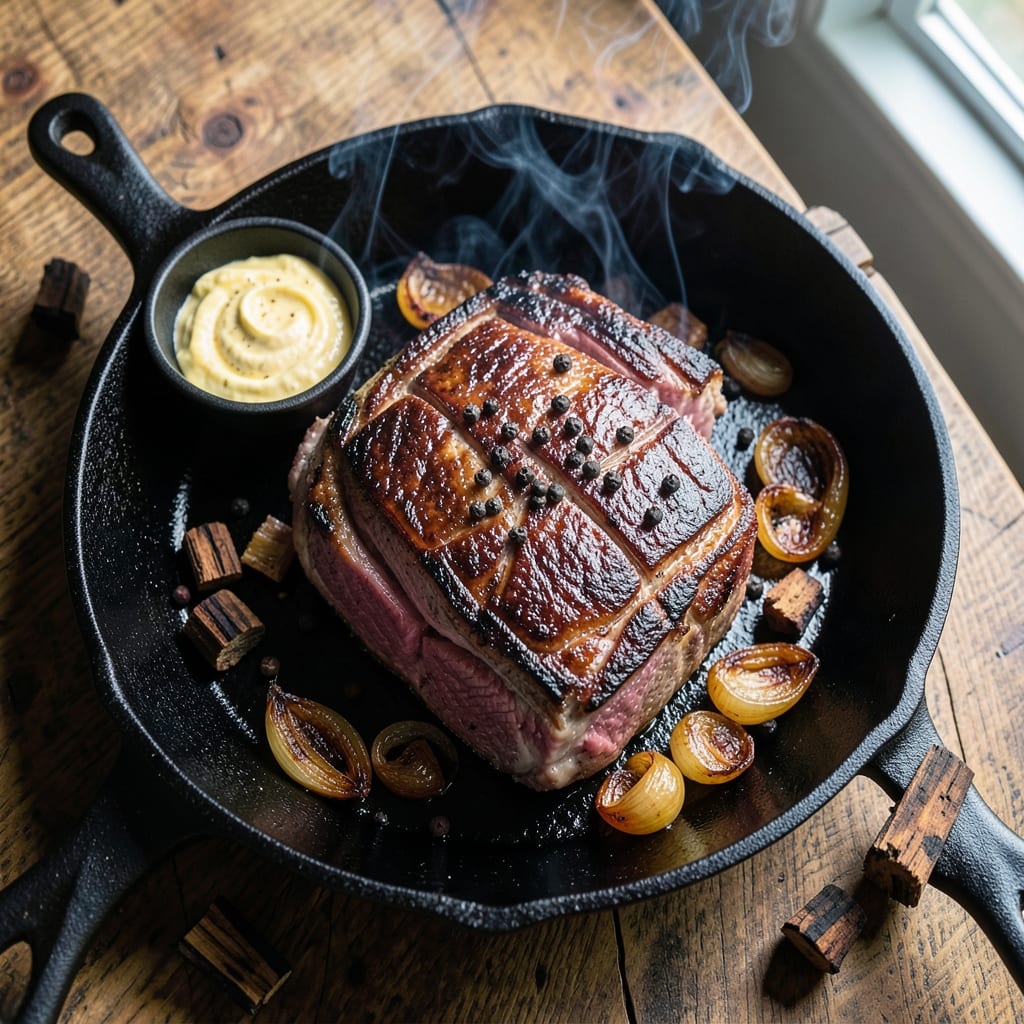
This Big Green Egg ribeye roast recipe transforms tough beef into melt-in-your-mouth perfection using the smoker’s magic of low-and-slow cooking. The key lies in indirect heat, precise temperature control, and letting the wood’s aroma infuse every bite—no dry, overcooked steak here. I’ve perfected this method after countless experiments, ensuring your roast emerges with a buttery interior and a crust that crackles with smoky depth.
The Big Green Egg’s cast-iron design retains heat beautifully, making it ideal for this technique. You’ll start with a dry brine to enhance tenderness, sear the roast to lock in juices, then smoke it at 225°F until the internal temperature hits 105°F—just shy of medium-rare. A meat probe is your best friend here, guaranteeing no guesswork. The slow cook ensures the connective tissue breaks down, leaving you with meat so tender it practically falls apart.
Pair this roast with grilled asparagus or a red wine reduction to elevate the meal further. The Big Green Egg’s versatility means you can swap wood flavors—hickory for boldness, cherry for sweetness—tailoring the smoke to your taste. What you’ll end up with is a centerpiece dish that’s restaurant-quality but made in your backyard, proving slow-cooked beef is the ultimate comfort food.
Ready in about 6 hours (including resting time), this recipe delivers a showstopping main course with minimal active effort. The secret? Patience and precision—two things the Big Green Egg makes effortless. Let’s get smoking.
Ingredients for big green egg ribeye roast
Six ingredients transform a tough roast into backyard restaurant perfection.
| Ingredient | Amount | Notes |
|---|---|---|
| Ribeye Roast 🥩 | 4 lb | Bone-in, 1.5-2 inch thick |
| Kosher Salt 🧂 | ½ cup | Diamond Crystal preferred |
| Freshly Ground Black Pepper 🌶️ | 2 tbsp | For dry brine |
| Unsalted Butter 🧈 | ¼ cup | Cold, cubed for searing |
| Hickory Wood Chips 🌳 | 2 cups | Or cherry for sweeter smoke |
| Smoking Wood Chunks 🌳 | 4 whole | For long smoker duration |
| Fresh Rosemary 🌿 | ¼ cup | Chopped, sprigs for smoking |
| Fresh Thyme 🌿 | ¼ cup | Chopped, stems removed |
| Garlic Cloves 🧄 | 6 cloves | Smashed, for sear |
| Extra-Virgin Olive Oil 🫒 | 2 tbsp | For sear and basting |
| Red Wine 🍷 | ½ cup | Bold, dry variety |
| Beef Tallow 🧈 | 2 tbsp | For crust enhancement |
| Meat Probe Thermometer 🌡️ | 1 whole | For precise doneness |
The ribeye is non-negotiable here—look for a bone-in cut with good marbling at your local butcher shop or Costco. Thickness matters too: 1.5-2 inches ensures even cooking. I always ask for it to be trimmed of excess fat but left with a thick fat cap—that’s where the flavor hides. If your butcher can’t source it fresh, freeze it overnight to firm up before smoking. The wood chips? Hickory delivers that classic BBQ punch, but cherry adds sweetness if you’re serving with fruit-based sides.
No hickory wood chips? Mesquite or pecan work in a pinch, though the flavor profile shifts. Fresh herbs are ideal, but dried rosemary and thyme at half the amount will do if you’re in a hurry. The red wine can be swapped for beef broth if you’re avoiding alcohol, though it’ll lack depth. For the butter, European-style (like Plugrá) has higher fat content—trust me on this. And that tallow? Render your own or grab it from specialty butchers; it’s a game-changer for that smoky crust. Pro tip: Chill your meat probe before inserting to avoid false readings.
This roast tastes even better the next day—plan ahead. Wrap leftovers tightly in butcher paper (not foil) and store in the fridge for up to 5 days. For longer storage, vacuum-seal portions and freeze for 3 months. The Big Green Egg’s residual heat keeps things warm for hours, so you can smoke it early and finish cooking indoors if needed. Resting time is sacred: let it sit 20 minutes before slicing, or all that juicy goodness will run out. I like to tent it with foil and place it on a cutting board—no rush here
Why You'll Love This Recipe
- Smoke in Minutes: The Big Green Egg does all the heavy lifting—just toss in the ribeye, sprinkle salt and pepper, and let the hickory chips work their magic. No babysitting, no stress, just hands-off perfection while you sip a beer or flip through a magazine.
- Butter-Basted Magic: That first crack of crust on the outside? Pure reward. Slathered with butter while it smokes, the ribeye becomes tender yet bold, with a caramelized edge that makes every bite worth the wait. (Honestly, I’ve skipped dinner to eat this cold.)
- Weeknight Crowd-Pleaser: Whether it’s game day, a last-minute dinner, or feeding hungry teenagers, this roast delivers. Slice it thick for sandwiches, thin for tacos, or serve it whole with mashed potatoes—it’s the kind of meal that disappears fast.
- Leftovers That Don’t Suck: Most roasts turn to shoe leather the next day, but not this one. The smoky butter keeps it juicy for days, and I’ve turned cold slices into breakfast hash, nachos, or even a quick stir-fry. (Yes, even on a Tuesday night.)
Step-by-step instructions for smoked ribeye roast on Big Green Egg
Transform your ribeye roast into melt-in-your-mouth perfection with this low-and-slow method.
Prepare the Dry Brine and Season the Roast
In a large bowl, combine the 0.5 cup kosher salt and 2 tablespoons freshly ground black pepper. This dry brine is essential for deep flavor penetration and moisture retention. Pat the 4 lb ribeye roast completely dry with paper towels—this step can't be skipped, as moisture prevents proper bark formation.
Generously coat the roast with the salt-pepper mixture, pressing it into every crevice and crease. Pay special attention to the fat cap and any exposed meat surfaces. Place the seasoned roast on a wire rack set over a baking sheet and refrigerate uncovered for 12-24 hours. This extended dry brine transforms the meat's texture and flavor profile, ensuring maximum tenderness when smoked.
Set Up and Smoke the Roast Low and Slow
Fill the Big Green Egg's water pan with 1 cup water and add the 2 cups hickory wood chips along with the 4 whole smoking wood chunks to the smoker box. Light the wood chips and let the smoker preheat to 225°F while maintaining clean, blue smoke—this indicates proper combustion without excess moisture.
Once the smoker reaches temperature, place the brined roast fat-side up on the grill grate. Insert the meat probe thermometer into the thickest part of the roast, avoiding bone contact. Smoke undisturbed for 6-8 hours, maintaining 225-250°F throughout. The bark will develop a deep mahogany crust as the fat renders and smoke penetrates. I recommend using a two-zone fire technique to maintain consistent temperature without opening the lid frequently.
Sear and Baste with Herb-Infused Compounds
When the internal temperature reaches 165°F, remove the roast from the smoker and let it rest for 10 minutes. Meanwhile, prepare the searing compound by combining 0.25 cup chopped fresh rosemary, 0.25 cup chopped fresh thyme, 6 smashed garlic cloves, 2 tablespoons extra-virgin olive oil, 0.5 cup red wine, and 2 tablespoons beef tallow in a saucepan. Simmer over medium heat for 5 minutes until reduced by half.
Return the roast to the smoker and increase heat to 325°F. Brush the herb-wine compound generously over the roast, focusing on the bark. Continue smoking until the internal temperature reaches 203°F (medium-rare) or 210°F (medium), which typically takes 1-2 additional hours. The compound will create a glossy, aromatic crust while enhancing the meat's natural flavors.
Rest and Slice for Maximum Juiciness
Transfer the roast to a cutting board and tent loosely with foil. Let it rest for at least 30 minutes—this crucial step allows juices to redistribute throughout the meat. The internal temperature will rise 5-10°F during resting, so don't be alarmed if your thermometer shows 210°F after resting.
Slice the roast against the grain into ½-inch thick portions. Each slice should reveal a pink smoke ring beneath the dark bark, indicating perfect doneness. Serve immediately with the remaining herb-wine compound spooned over the top. The contrast of tender, buttery meat with the smoky, herby crust makes this roast unforgettable.
Pro Tips For Making Big Green Egg Ribeye Roast
- Preheat the Egg with Wood: Load the smoker box with hickory chips before turning on the Big Green Egg—give them 15 minutes to smoke hot and steady. I used to toss them in halfway through and spent the whole cook chasing that deep, consistent flavor instead of enjoying the process.
- Salt the Roast 24 Hours Early: Generously coat the ribeye with kosher salt a full day ahead—it seasons deeper and keeps the meat juicy. I skipped this once and ended up with a crust that flaked off like dry wallboard. Trust me, the extra time pays off.
- Butter the Meat, Not the Egg: Melt 2 tablespoons of unsalted butter and brush it directly on the roast while it rests—this locks in moisture better than tossing it in the Egg. I tried dumping butter in the smoker box once; it just turned into a greasy mess.
- Wait 5 Minutes After Target Temp: Pull the roast when it hits your desired internal temp, then let it sit covered for 5 minutes—this guarantees carryover cooking without overdoing it. I learned this the hard way when a well-done roast turned into shoe leather because I rushed it.
Pro cooking tips for big green egg ribeye roast
Temperature Control Secrets
The Big Green Egg’s cast-iron design excels at maintaining 225-250°F for low-and-slow smoking, but consistency is key. I use a two-zone fire setup: place charcoal on one side and leave the other side empty. Position the roast over the empty side to avoid direct heat. A meat probe thermometer (like the ThermoWorks Smoke) is non-negotiable—insert it into the thickest part of the roast, avoiding bone contact. 🌡️
If the temperature fluctuates, adjust the vents: open the top vent to increase airflow if temps drop, or close it slightly if it’s too hot. The goal is steady, blue smoke—white smoke means too much moisture, and yellow flames mean you’re burning fuel. I’ve learned the hard way that opening the lid too often causes temperature drops, so limit checks to every 30-45 minutes.
Wood Selection Matters
Hickory delivers that classic bold, smoky flavor, but don’t be afraid to experiment. Cherry wood adds sweetness that pairs beautifully with the beef’s richness, while mesquite brings an earthy intensity. I recommend using 2 cups of wood chips to start, then adding 4 whole wood chunks (like hickory or oak) for sustained smoke. Soak the chips in water for 30 minutes before use to prevent flare-ups. 🌳
Pro tip: Mix wood types for complexity. I often combine hickory chunks with fruitwood chips (like apple or peach) for a balanced, aromatic profile. Avoid softwoods like pine—they create bitter smoke. The Big Green Egg’s dome shape helps contain smoke flavor, so you’ll get maximum infusion without overpowering the meat.
Dry Brine Like a Pro
The 12-24 hour dry brine is where the magic happens. Pat the roast completely dry before applying the salt-pepper mix—moisture is the enemy of bark formation. I use Diamond Crystal kosher salt because it dissolves more easily than table salt. Spread the roast on a wire rack in the fridge to allow airflow, which helps the salt penetrate evenly. 🧂
Don’t skip this step! The brine breaks down proteins and tenderizes the meat, ensuring a juicy, buttery interior. After brining, let the roast sit at room temperature for 30 minutes before smoking to ensure even cooking. I’ve found that longer brining (24 hours) yields even better results, but 12 hours works in a pinch. Trust the process—your taste buds will thank you.
Searing for Crust Perfection
The herb-wine compound is your secret weapon for a glossy, aromatic crust. Simmer the rosemary, thyme, garlic, olive oil, red wine, and beef tallow until reduced by half—this concentrates the flavors. Brush it on the roast generously during the final hour of smoking at 325°F. The tallow adds fat for a rich, crackling bark, while the wine deepens the sauce. 🍷
For an extra boost, sear the roast directly over hot coals for 2-3 minutes per side after basting. This creates a Maillard reaction that locks in juices and adds depth. I like to finish with a sprinkle of freshly cracked black pepper right before serving—it adds a bright, piquant finish that cuts through the richness.
Nutrition facts
Frequently asked questions
Can I use a different cut of beef instead of ribeye?
While ribeye is ideal for its marbling and flavor, you can substitute with tri-tip or top round roast (though it lacks marbling). For best results, choose a cut with some fat—like chuck roast—as it benefits from the long smoke. Just adjust cooking time: leaner cuts may need 10-15°F lower internal temp to avoid drying out.
How do I adjust the recipe for a smaller Big Green Egg?
Scale down the roast to 2-3 lbs max for a Big Green Egg Jr. or Ceramic Egg. Reduce wood chips to 1 cup and chunks to 2-3, then smoke at 250°F for 4-5 hours until 165°F internal. The smaller dome loses heat faster, so monitor temps closely and avoid opening the lid.
What if my Big Green Egg won’t stay at 225°F?
Fluctuating temps usually mean poor airflow or too much moisture. Try these fixes: Reduce water in the pan to ½ cup, use larger charcoal chunks (they burn slower), or preheat longer (30+ minutes) to stabilize heat. If it’s still unstable, switch to 300°F and smoke 10% faster—just watch the bark closely.
Can I make this roast without red wine?
Replace the wine with ½ cup beef broth + 1 tbsp balsamic vinegar for depth, or use dry sherry for a similar profile. For a non-alcoholic option, try ½ cup apple cider + 1 tbsp soy sauce. The key is acidity—it tenderizes the meat and balances the fat. Just reduce the liquid by half before basting.
How do I fix a roast that’s too dry?
Overcooking is the usual culprit. Next time, pull it at 195°F internal (medium-rare) and rest longer (45 minutes). For a dry roast now, try this: Slice thinly, layer with beef consommé or red wine, cover, and steam in a 300°F oven for 20 minutes. The moisture will revive the texture—just serve with extra sauce.