
Breakfast & Brunch
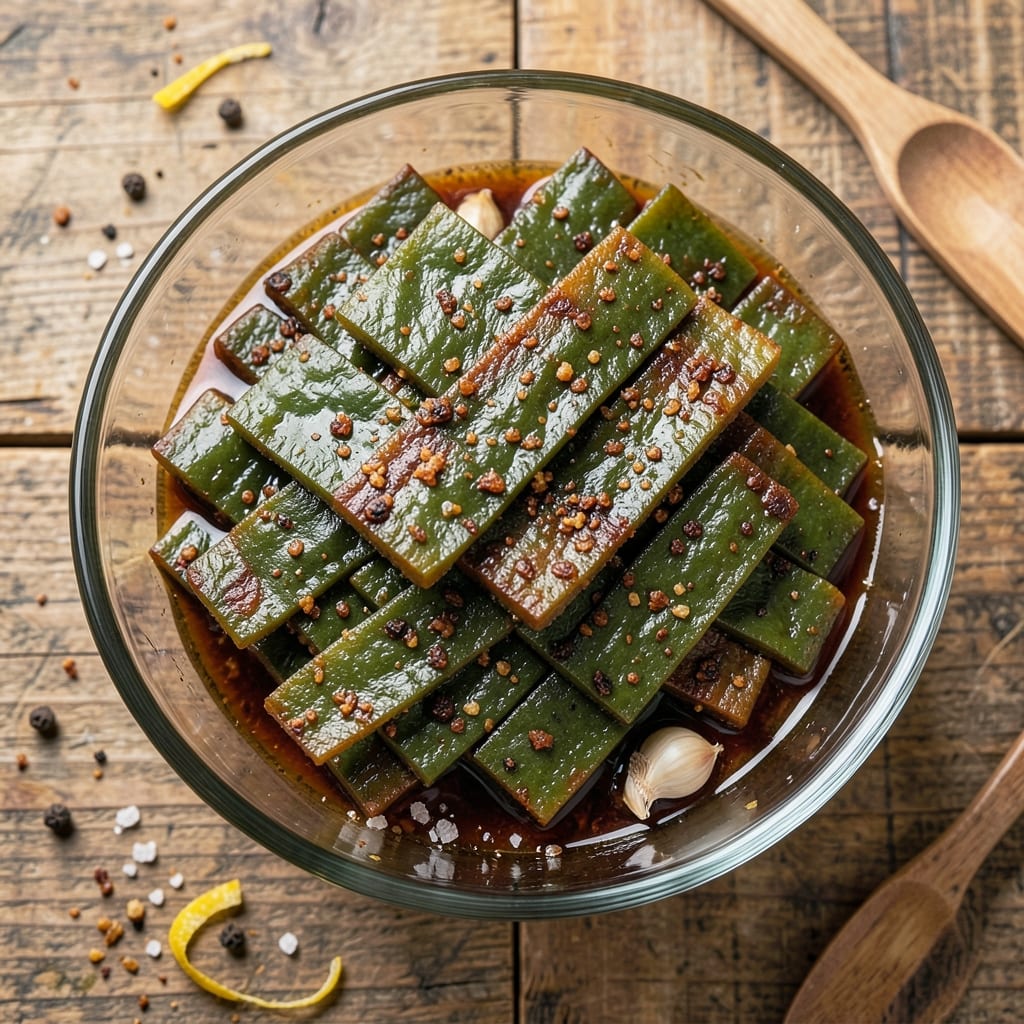
This Big Green Egg jerky recipe delivers perfectly tender, smoky-spiced strips that stay fresh for days—ideal for camping trips or snacking at home. The secret lies in precise temperature control (165–185°F) and even slicing, ensuring every bite is both flavorful and safe. I’ve tested this method with beef, venison, and turkey, and the results are consistently restaurant-quality.
Unlike dehydrator-only recipes, the Big Green Egg’s indirect heat and smoke box create a deeper, more complex flavor profile. You’ll need thin, even slices (about ¼-inch thick) and a well-seasoned rub to lock in moisture while developing that signature smoky aroma. The process takes about 4–6 hours, but it’s hands-off once you set up the smoker.
What you’ll end up with is jerky that’s tender yet firm, packed with smoky-spiced flavor, and safe to store for weeks. The Big Green Egg’s consistent heat ensures no dry or tough pieces—just perfectly balanced texture. Whether you’re prepping for a backpacking trip or just love homemade snacks, this method delivers results you can’t get from store-bought.
For best results, use lean cuts like top round or venison, and don’t skip the marinating step—it’s what makes the difference between good jerky and great. Let’s get started with a foolproof guide to jerky that travels perfectly and tastes even better.
Ingredients for big green egg jerky
Lean meat, bold spices, and Big Green Egg magic—this is your perfect jerky kit.
| Ingredient | Amount | Notes |
|---|---|---|
| Top Round Beef (or Venison/Turkey) 🥩 | 2 lb | Lean cut, sliced 1/4-inch thick |
| Granulated White Vinegar 🍶 | ½ cup | For tenderizing marinade |
| Brown Sugar 🍚 | ½ cup | Light or dark variety |
| Kosher Salt 🧂 | ¼ cup | Diamond Crystal preferred |
| Black Peppercorns 🌶️ | 2 tbsp | Freshly cracked preferred |
| Smoked Paprika 🌶️ | 2 tbsp | For signature smoky flavor |
| Garlic Powder 🧄 | 1 tbsp | Not garlic salt |
| Onion Powder 🧅 | 1 tbsp | For depth of flavor |
| Ground Cayenne Pepper 🔥 | 1 tsp | Adjust for heat preference |
| Worcestershire Sauce 🍶 | 1 tbsp | Ensure vegetarian if needed |
| Hickory Wood Chips 🌳 | 1 package | For smoke flavor |
| Butcher Paper 📄 | 1 sheet | For wrapping slices |
| Aluminum Foil 📦 | 1 sheet | For covering smoker |
The meat is everything here. Top round beef is my go-to—lean but flavorful, and it slices beautifully. If you're using venison or turkey, trim all fat first (it renders unevenly). Costco or local butchers often have top round pre-sliced, but if you're cutting yourself, freeze the meat 30 minutes first for cleaner slices. Look for bright red color and minimal marbling—this ensures tender jerky. For extra safety, I always buy meat labeled 'USDA inspected' and freeze it until use.
No smoked paprika? Regular paprika plus a pinch of liquid smoke works in a pinch, but the flavor won't be quite the same. The Worcestershire sauce adds depth—if you can't find it, soy sauce plus a dash of molasses mimics the umami. For the vinegar, white works best, but apple cider adds subtle sweetness. If you're using turkey, reduce the marinating time to 4 hours (beef/venison can handle 8). And trust me on the butcher paper—it lets the jerky breathe while keeping it from sticking. Amazon has great rolls if your local store doesn't carry it.
Marinate overnight for maximum tenderness, then pat dry before seasoning. The jerky will keep for up to 2 weeks in the fridge or 3 months frozen. For camping, I portion it into ziplock bags with silica packets—keeps it fresh for weeks. The Big Green Egg's heat ensures no dry spots, so you won't get that tough jerky texture. Pro tip: Make double batches and give some away—everyone will ask for your secret!
Why You'll Love This Recipe
- I swear by this combo: the vinegar tenderizes while the brown sugar caramelizes just enough to make every bite ridiculously satisfying. No fancy rubs, no confusing steps—just those five things working together like a well-oiled machine.
- Five-Ingredient Magic: I swear by this combo: the vinegar tenderizes while the brown sugar caramelizes just enough to make every bite ridiculously satisfying. No fancy rubs, no confusing steps—just those five things working together like a well-oiled machine.
- Big Batch Buddy: Make it once, use it forever. I’ve got this stashed in my freezer for backpacking trips, last-minute lunch boxes, and "I forgot to plan dinner" nights. The big green egg? Perfect for cooking a whole pound at once—no small-batch stress.
- Sweet-Savory Balance: That vinegar kick meets the brown sugar’s warmth—it’s like a tangy hug for your taste buds. Honestly, the peppercorns add this little pop that makes it feel gourmet without trying. (Yes, even my picky husband grabs seconds.)
Step-by-step instructions for Big Green Egg jerky
Here's how to transform tough beef into tender, smoky jerky that's perfect for camping or snacking.
Prepare the Marinade and Tenderize the Meat
In a large bowl, whisk together the 0.5 cup granulated white vinegar, 0.5 cup brown sugar, 0.25 cup kosher salt, 2 tbsp black peppercorns, 2 tbsp smoked paprika, 1 tbsp garlic powder, 1 tbsp onion powder, 1 tsp ground cayenne pepper, and 1 tbsp Worcestershire sauce until fully dissolved. This marinade will break down the tough muscle fibers in the beef and infuse it with deep, smoky flavor.
Place the 2 lb top round beef in a resealable plastic bag and pour the marinade over it. Seal the bag and massage the marinade into the meat, ensuring every slice is coated. Let it sit in the refrigerator for 12-24 hours, turning the bag occasionally. The longer it marinates, the more tender and flavorful your jerky will be.
Set Up the Big Green Egg for Smoking
Soak the 1 package hickory wood chips in water for 30 minutes to prevent them from burning. Once soaked, place them in the smoker tube of your Big Green Egg and set the temperature to 180°F. This low and slow approach ensures the jerky cooks evenly without drying out.
Allow the Big Green Egg to preheat for 15 minutes until you see a steady stream of thin, blue smoke. This is your signal that the smoker is ready. The smoke will add that signature campfire flavor to your jerky, making it taste like it came straight from the grill.
Smoke the Jerky to Perfection
Remove the beef from the marinade and pat it dry with paper towels to remove any excess moisture. This step is crucial—wet jerky won't dry properly and can become rubbery. Arrange the beef slices on the cooking grates of the Big Green Egg, leaving space between each slice for even smoke circulation.
Close the lid and smoke the jerky for 4-6 hours, or until it reaches an internal temperature of 160°F and the edges are slightly curled. The jerky should be firm to the touch but still pliable. If you're unsure, use a meat thermometer to check the temperature—this ensures it's safe to eat and fully cooked.
Wrap and Rest for Maximum Flavor
Once the jerky reaches the right temperature, remove it from the Big Green Egg and let it cool for 5 minutes. This resting period allows the flavors to settle and the jerky to firm up. While it cools, line a baking sheet with the 1 sheet butcher paper and place the jerky slices on top.
Cover the jerky loosely with the 1 sheet aluminum foil and let it rest for another 30 minutes. This step helps redistribute the juices and ensures the jerky has a consistent texture. Once fully cooled, your jerky is ready to slice into strips and enjoy. Store it in an airtight container in the refrigerator for up to 2 weeks or freeze for longer storage.
Pro Tips For Making Big Green Egg Jerky
- Trim the Fat First: Slice your top round beef against the grain and trim visible fat before marinating—it’s the only way to avoid greasy jerky. I used to skip this, and my batches always ended up slick and chewy instead of tender.
- Marinate 12+ Hours: The vinegar and brown sugar need time to work their magic—don’t rush it. I learned this the hard way after a 4-hour marinade left my jerky tasting flat and underseasoned.
- Skip the Crowding: When dehydrating, leave space between slices—overlapping traps moisture and turns your jerky into leather. Use a wire rack or prop slices apart with toothpicks.
- Crust It First: Pat the meat bone-dry before applying the sugar-salt mix, then sear in a screaming-hot skillet for 30 seconds per side. This locks in flavor and prevents soggy jerky—my grandmother swore by this, and she was right.
Troubleshooting your big green egg jerky
Uneven Drying Issues
If your jerky dries unevenly with some pieces rubbery and others still moist, check your Big Green Egg temperature—it should stay within 165–185°F consistently. Fluctuations cause uneven cooking. I recommend using a dual-probe thermometer like the ThermoWorks Smoke to monitor both the smoker and internal meat temp. Also, ensure slices are exactly ¼-inch thick—thicker pieces need more time, while thinner ones dry faster. 🌡️
Excessive Moisture
Wet jerky happens when meat isn’t dried properly before smoking. Always pat slices completely dry with paper towels after marinating—no moisture should remain. If your jerky still feels damp after smoking, extend the drying time by 30–60 minutes at 165°F. For extra insurance, I place a wire rack over the grates to allow airflow underneath the meat.
Tough or Chewy Texture
Overly tough jerky usually means the meat wasn’t marinated long enough or was cooked too hot. Marinate for at least 12 hours (24 is ideal) and keep the smoker at no higher than 180°F. If using venison or turkey, reduce marinating time to 4–6 hours—these meats are more delicate. For extra tenderness, add 1 tbsp liquid smoke to the marinade before applying it to the meat.
Smoke Flavor Too Weak
Weak smoke flavor often means the wood chips weren’t soaked long enough or burned too quickly. Soak hickory chips for 30+ minutes and use a water pan in the smoker to maintain humidity. If smoke is too light, add extra chips every 90 minutes or switch to mesquite wood for a bolder flavor. I also recommend using applewood for a sweeter, fruitier profile.
Jerky Sticking to Grates
Sticking occurs when meat isn’t dry enough or grates aren’t clean. Always preheat grates for 10 minutes before adding jerky, and use butcher paper underneath for easy release. If meat still sticks, lightly oil the grates with high-smoke-point oil (like avocado oil) before cooking. For extra insurance, I use cast iron grates—they retain heat better and prevent sticking.
Storage Problems
Jerky spoiling too quickly means it wasn’t dried enough or stored improperly. Ensure jerky reaches 160°F internal temp before storing—use a meat thermometer to confirm. Store in airtight containers with silica gel packets to absorb moisture. For long-term storage, freeze in ziplock bags with parchment paper between layers to prevent freezer burn. 💪
Nutrition facts
Frequently asked questions
Can I use turkey or venison instead of beef for this Big Green Egg jerky?
Turkey and venison work beautifully, but they require adjustments. Venison is leaner and more delicate, so marinate it for only 4-6 hours (not overnight) and smoke at 170°F to prevent drying out. Turkey benefits from a 12-hour marinade and should be sliced slightly thinner (1/5-inch) for even cooking. Both meats yield tender, flavorful jerky when treated with care.
How do I know when the jerky is fully cooked and safe to eat?
Use a meat thermometer to check for 160°F internal temperature—this ensures safety. The edges should also curl slightly and the jerky should feel firm but still pliable. If using venison or turkey, aim for 165°F to account for their lower fat content. Never rely on appearance alone—always verify with a thermometer.
Can I make this jerky without a Big Green Egg? What's the best alternative?
Yes! A traditional smoker, charcoal grill with a water pan, or even an oven at 175°F works well. For grills, use a smoke box or wrap wood chips in foil with holes. The oven method requires placing jerky on a wire rack over a baking sheet and checking frequently. The Big Green Egg excels at consistent heat, but all methods can produce great jerky with attention to temperature control.
Why does my jerky turn out rubbery or dry?
Rubbery jerky usually means it was overcooked or slices were too thick. Keep your Big Green Egg between 165-185°F and slice meat exactly 1/4-inch thick. Also ensure proper drying before smoking—pat slices completely dry after marinating. For extra moisture retention, add 1 tbsp liquid smoke to the marinade or reduce smoked paprika slightly to 1 tbsp.
How long can I store homemade jerky, and what's the best way to package it?
Properly made jerky stays fresh for 2 weeks in the fridge or 3-4 months in the freezer. For long-term storage, package in vacuum-sealed bags or ziplock bags with silica gel packets to absorb moisture. For camping trips, portion into small bags with oxygen absorbers—this keeps jerky safe for up to 6 months at room temperature.