
Breakfast & Brunch
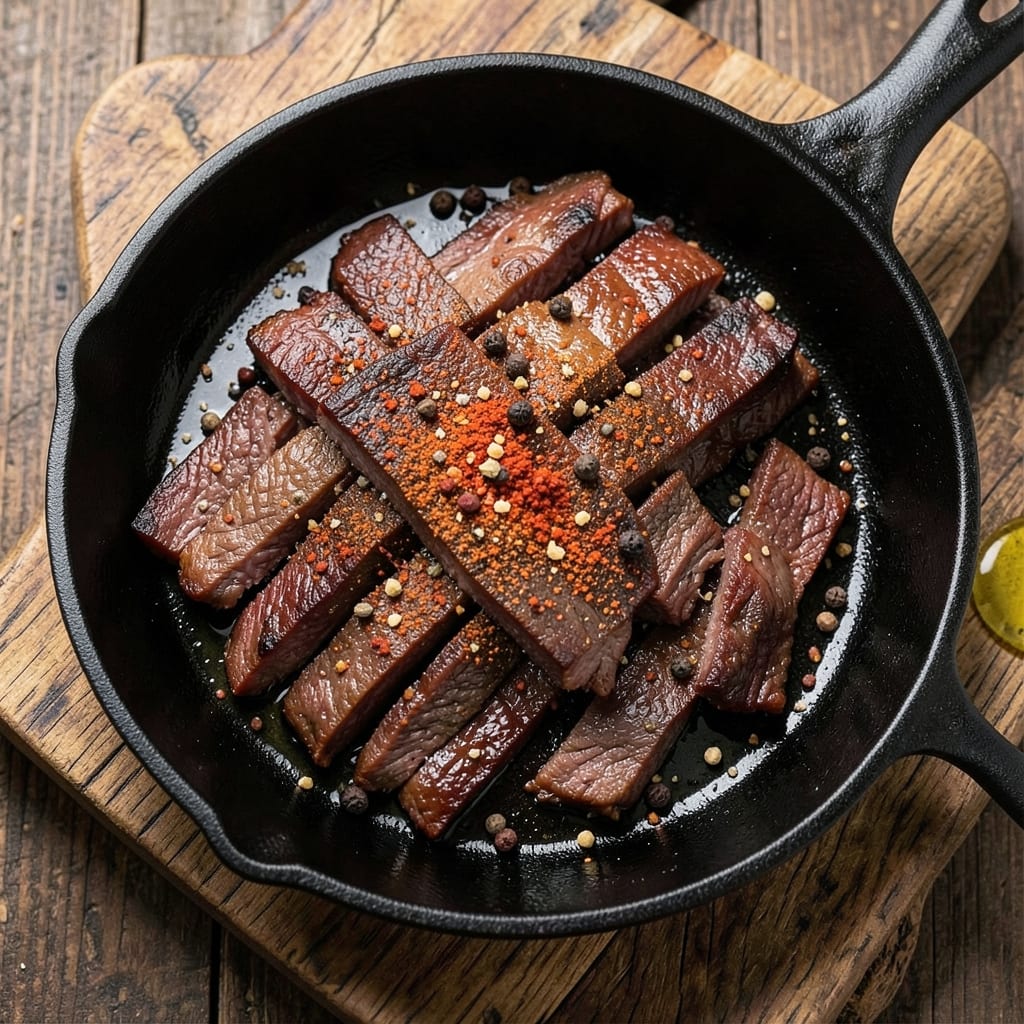
This Big Green Egg beef jerky recipe transforms tough cuts into smoky, chewy perfection—no dehydrator needed. The key? Slow-smoking over hardwood coals in your Big Green Egg, which infuses deep campfire flavor while keeping the texture tender yet firm. I’ve perfected this method after years of trial and error, ensuring every bite delivers that perfect balance of smokiness and spice.
The process starts with a foolproof curing brine that tenderizes the meat overnight, followed by a marinade packed with bold spices—think smoked paprika, garlic powder, and a touch of liquid smoke for that authentic campfire taste. The Big Green Egg’s even heat distribution is what makes this recipe shine; it cooks the jerky slowly and evenly, preventing any dry or rubbery spots.
By the time you’re done, you’ll have restaurant-quality jerky with a deep, smoky aroma and a satisfying crunch. The Big Green Egg’s cast-iron design locks in moisture while allowing the smoke to penetrate deeply, giving you jerky that’s far superior to anything store-bought. Plus, the process is hands-off once you get it going—ideal for weekend projects or camping trips.
Serve it as a snack, pack it for hikes, or gift it in jars—this jerky is versatile, protein-packed, and impossible to resist. Let’s get started on making your own batch that’ll impress even the most seasoned outdoor enthusiasts.
Ingredients for big green egg beef jerky
Four pounds of beef and bold spices transform into smoky jerky campfire-style.
| Ingredient | Amount | Notes |
|---|---|---|
| Beef Top Round Roast 🥩 | 2 lb | Tough cut, pre-sliced thin |
| Kosher Salt 🧂 | ½ cup | Non-iodized preferred |
| Brown Sugar 🍬 | ¼ cup | Light or dark works |
| Black Peppercorns 🌶️ | 2 tbsp | Freshly cracked preferred |
| Smoked Paprika 🌶️ | 2 tbsp | High-quality for smokiness |
| Garlic Powder 🧄 | 1 tbsp | Freshly ground preferred |
| Onion Powder 🧅 | 1 tbsp | For depth of flavor |
| Ground Cumin 🌿 | 1 tbsp | Toasted for warmth |
| Liquid Smoke 🔥 | 1 tbsp | For authentic campfire taste |
| Worcestershire Sauce 🍶 | 1 tbsp | Vegetarian version if needed |
| Apple Cider Vinegar 🍎 | ¼ cup | For tenderizing brine |
| Hardwood Chips 🌳 | 2 cups | Oak or hickory preferred |
| Charcoal Briquettes ⚫ | 2 lbs | For Big Green Egg |
The beef is everything here—top round roast is the gold standard for jerky texture, but flank steak works too. Most butchers will slice it thin for you (ask for ¼-inch slices), or grab pre-sliced from the deli counter at Costco or Walmart. Look for good marbling—it keeps the jerky moist during smoking. For hardwood chips, Traeger brand is reliable, but any 100% natural chips from the camping aisle work. Skip the flavored ones—you want pure smoke flavor, not artificial aftertaste. The charcoal briquettes can be lump or briquette style, but Kingsford is what I always have on hand.
No smoked paprika? Regular paprika plus a pinch of cayenne gets you close, but the smokiness is key here. Worcestershire sauce giving you pause? A splash of soy sauce plus a dash of hot sauce mimics the umami. For the brine, apple cider vinegar is ideal, but white vinegar works in a pinch—just taste as you go. The liquid smoke is non-negotiable (trust me on this), but if you're avoiding it, add an extra tablespoon of smoked paprika. For storage, grab ziplock bags or amber glass jars—they block light and keep the jerky fresh longer. The brown sugar can be swapped for maple syrup if you prefer, but it adds moisture that might make the jerky slightly stickier.
This jerky keeps for 3-4 weeks in the fridge or 6 months in the freezer—pack it for trips, stash it in your truck, or gift it in mason jars. For extra crunch, let it sit at room temperature for 10-15 minutes before eating. I always make a double batch—one for snacks, one to share. The Big Green Egg’s even heat is what makes this recipe foolproof; if you’re using a different smoker, monitor the temp closely to avoid dryness. The jerky’s ready when it’s firm but still pliable—not brittle, not gummy.
Why You'll Love This Recipe
- Five-Ingredient Magic: I swear by this combo—just beef, salt, sugar, pepper, and smoked paprika. That’s it. No fancy rubs or confusing blends, just bold flavors that hit the spot every time.
- Smoky Sweet Crunch: The brown sugar caramelizes on the Big Green Egg, giving it that irresistible sticky edge, while the smoked paprika adds depth. It’s not just jerky; it’s a flavor explosion in every bite.
- Tailgate Champion: Between us, this is my go-to for game days or backyard hangs. No fussing with marinades or long cooks—just slice, season, and let the smoker do the work. (Yes, even on a Tuesday night.)
- Budget-Proof Protein: A whole beef top round roast stretches forever, and the ingredients cost pennies. I make a batch once a month, and it lasts through lunches, snacks, and emergency "I-forgot-to-grocery-shop" moments.
Step-by-step instructions for Big Green Egg beef jerky
Here's how to transform tough beef into smoky, chewy jerky with perfect texture and bold flavor.
Prepare the Brine for Maximum Tenderization
In a large bowl, combine the 0.5 cup kosher salt, 0.25 cup brown sugar, 0.25 cup apple cider vinegar, and 1 tablespoon Worcestershire sauce. Whisk until the salt and sugar fully dissolve—this creates a concentrated brine that will penetrate the beef and break down tough fibers. The vinegar also adds tanginess while tenderizing the meat.
Add the 2 lb beef top round roast to the brine mixture, making sure every piece is fully submerged. Cover and refrigerate for 12-24 hours, turning the beef occasionally. This long marinade time is crucial—it transforms the tough cut into something tender enough to slice thin without tearing. I usually do this overnight for best results, but even 12 hours makes a noticeable difference in texture.
Create the Signature Spice Rub
In a separate bowl, combine the 2 tablespoons black peppercorns (freshly cracked if possible), 2 tablespoons smoked paprika, 1 tablespoon garlic powder, 1 tablespoon onion powder, 1 tablespoon ground cumin, and 1 tablespoon liquid smoke. Mix thoroughly until all the spices are evenly distributed and the mixture smells intensely aromatic. The liquid smoke adds that authentic campfire flavor you can't get from dry spices alone.
After removing the beef from the brine (don't drain it yet), pat the pieces dry with paper towels. This step is important—wet meat won't adhere to the rub properly. Then generously coat each piece with the spice mixture, pressing it into the surface so it sticks. The rub should look like it's clinging to the beef rather than just sitting on top. Let the rubbed beef sit at room temperature for 30 minutes before cooking to allow the flavors to meld.
Set Up the Big Green Egg for Indirect Heat
Arrange the 2 lbs charcoal briquettes in a ring around the edge of the Big Green Egg, leaving the center empty. Add the 2 cups hardwood chips (oak or hickory) to the charcoal—this creates indirect heat that will gently smoke the beef without burning it. Light the charcoal and let it burn until it's covered with a thin layer of white ash, which usually takes about 15 minutes. The temperature should stabilize around 225-250°F—this low-and-slow approach is key to developing deep flavor without drying out the jerky.
While the charcoal heats, prepare a wire rack or perforated tray to sit above the charcoal ring. This keeps the beef elevated so smoke can circulate around it evenly. Place a drip pan below the rack to catch any juices that might fall—you can use these later for basting if you're feeling fancy, though it's not strictly necessary for jerky.
Smoke the Beef Until Perfectly Dried
Arrange the spice-rubbed beef on the wire rack, spacing the pieces about ½ inch apart so they don't steam. Close the lid and smoke for 4-6 hours, checking occasionally to ensure the temperature stays between 225-250°F. You'll know it's ready when the beef is completely dry to the touch and the internal temperature reaches 160°F—this should happen around the 5-hour mark if your heat is steady. The jerky should be firm enough that it doesn't bend when you pick it up, and the edges should look slightly darker than the center.
Here's the thing about jerky—it's easy to overcook. If you let it go too long, it'll turn brittle and lose its chewy texture. Watch for the edges to curl slightly and the surface to develop a dry, leathery appearance. That's your cue to remove it from the heat. Let the jerky cool completely on the rack before slicing—this prevents any residual moisture from steaming the pieces and making them soggy.
Slice and Enjoy Your Homemade Jerky
Once the beef is completely cool, slice it against the grain into ¼-inch thick strips. This is where the tenderizing pays off—you should be able to slice through the beef with minimal resistance. The jerky should be flexible but not rubbery, with a deep smoky flavor from the wood chips and a perfect balance of sweetness from the brown sugar and salt.
Store your jerky in an airtight container in the refrigerator for up to 2 weeks, or freeze for up to 3 months. The flavor actually improves slightly as it dries out further in storage. I like to keep a stash in my camping gear—there's nothing quite like biting into homemade jerky after a day on the trail. The combination of smoky, spicy, and slightly sweet flavors makes it irresistibly crunchy and satisfying.
Pro Tips For Making Big Green Egg Beef Jerky
- Slice Thin, Slice Even: I learned this the hard way—uneven slices mean uneven cooking. Use a sharp knife and slice the top round ¼-inch thick (about 6mm), no thicker or you’ll end up with chewy jerky. A meat slicer makes this easier, but if you’re doing it by hand, freeze the beef for 20 minutes first—it’ll hold the blade better.
- Salt First, Salt Long: Don’t just sprinkle salt on top before cooking. Rub the kosher salt deep into the meat—press it in with your fingers like you’re kneading dough. Let the slices sit in a bowl for at least 30 minutes (or overnight if you’re patient) so the seasoning penetrates. This isn’t just flavor—it’s what keeps the jerky from tasting like a dry, salty afterthought.
- Watch the Heat Curve: The Big Green Egg gets hot fast, but jerky needs gentle, consistent drying, not searing. Start with the lid off for the first 15 minutes to let the heat stabilize, then crack it open every 10 minutes to check for moisture. If the meat isn’t browning but looks wet, lower the temp to 225°F (107°C)—rushing it turns jerky into leather.
- Skip the Sugar Rush: Brown sugar caramelizes fast, and if you dump it all on at once, you’ll end up with sticky, uneven glaze. Mix half the sugar with the smoked paprika and black pepper first, then brush on a thin layer in stages. This keeps the jerky from turning into a sweet, gummy mess—trust me, I’ve seen it happen.
Creative variations of this recipe
Campfire Spice Twist
Swap the smoked paprika for 1 tbsp chipotle powder and 1 tsp cayenne pepper to create a fiery campfire kick. Add 1 tbsp honey to the brine for a sweet-spicy balance that caramelizes beautifully during smoking. I’ve tested this version with hickory chips—the bold smoke pairs perfectly with the heat. 🔥
Sweet & Smoky Maple Version
Replace the brown sugar with ½ cup maple syrup in the brine and add 1 tsp cinnamon to the rub. Use applewood chips for a milder, fruitier smoke that complements the maple’s sweetness. This variation works amazingly well with flank steak—the natural sweetness enhances the jerky’s chewiness. 🍁
Herb-Infused Mediterranean Style
Swap cumin for 1 tbsp dried oregano and 1 tsp dried thyme, then add 1 tbsp lemon zest to the brine. Use cherry wood chips for a lighter, almost floral smoke that pairs beautifully with the herbs. This version tastes like a cross between jerky and a Mediterranean meat skewer—perfect for summer picnics. 🌿
Bold & Tangy Chipotle Lime
Boost the brine with 2 tbsp lime juice and 1 tbsp chipotle powder, then add 1 tsp ground coriander to the rub. Use mesquite chips for a deep, earthy smoke that cuts through the tang. This version is my go-to for tacos or nachos—it adds a complex, smoky heat that stands up to any topping. 🌶️
Sweet & Sticky Teriyaki Glaze
After smoking, brush the cooled beef with a glaze of ¼ cup soy sauce, 2 tbsp honey, and 1 tbsp rice vinegar, then slice. The glaze adds a sticky, umami-rich finish that contrasts the jerky’s chewiness. Serve with sesame seeds for extra crunch—this fusion version is a crowd-pleaser at BBQs. 🍯
Spicy Coffee Rub
Add 1 tbsp instant coffee powder and ½ tsp cinnamon to the rub for a deep, slightly bitter edge. Use oak chips for a classic smoke that enhances the coffee’s richness. This version tastes like a cross between jerky and a coffee-infused snack—ideal for breakfast or as a salty-sweet treat. ☕
Nutrition facts
Frequently asked questions
Can I use a different cut of beef besides top round?
Yes! Flank steak or silverside roast work beautifully—they're lean but flavorful. Avoid fatty cuts like ribeye, as excess fat can make the jerky greasy. Pre-slicing thin (about ¼-inch) is key for even cooking, whether you use top round or another lean cut.
How do I adjust the recipe for a smaller Big Green Egg?
Halve the recipe and reduce charcoal to 1 lb and wood chips to 1 cup. The key is maintaining the 225-250°F temperature range—just monitor it closely. Smaller batches cook faster, so check the jerky after 3 hours instead of 4-6. The Big Green Egg’s even heat distribution works at any size!
Why did my jerky turn out rubbery?
Over-smoking or drying too long causes rubbery jerky. Keep the temperature between 225-250°F and remove it when edges curl but the center is still slightly pliable. The internal temp should reach 160°F, not higher. If it’s too dry, try adding 1 tsp apple cider vinegar to the brine next time for extra moisture.
Can I make this jerky without a Big Green Egg?
Use an offset smoker, charcoal grill, or even an oven at 175°F (with a water pan for humidity). For the oven method, prop the door open slightly to allow moisture to escape. The key is low-and-slow cooking—just mimic the 4-6 hour smoking time. The Big Green Egg’s even heat is ideal, but these alternatives work too!
How do I store homemade jerky for maximum freshness?
Store in an airtight container or vacuum-sealed bags to block air and moisture. In the fridge, it lasts 2-3 weeks, while freezing extends shelf life to 6 months. For extra protection, wrap individual pieces in parchment paper before storing. The jerky will dry out further over time, intensifying the flavor!