
Breakfast & Brunch
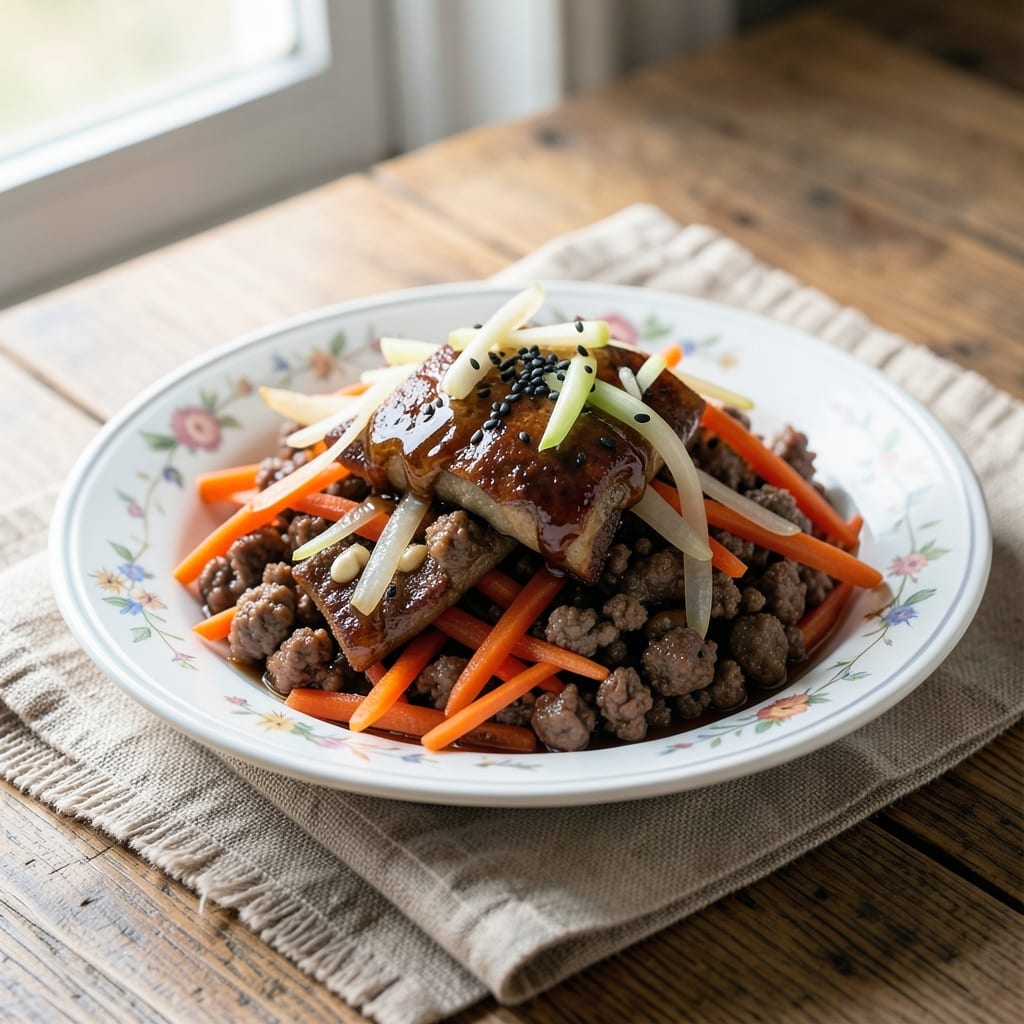
This beef egg roll filling recipe delivers the perfect balance of tender ground beef, crisp vegetables, and aromatic seasonings that transform ordinary egg rolls into restaurant-quality bites. The secret lies in proper meat cooking techniques—searing the beef until fully browned develops deep flavor, while finely chopping the vegetables ensures even distribution in every roll. I've perfected this filling over years of testing, and it never fails to impress, whether you're making traditional egg rolls or crispy potstickers.
The foundation of great egg roll filling is texture—you want a mixture that holds together when rolled but remains tender when cooked. We achieve this by cooking the beef until it's fully broken down, then combining it with finely diced vegetables that release their juices during cooking. The seasoning blend of soy sauce, ginger, and garlic creates that signature savory depth that makes every bite irresistible. This recipe uses simple pantry staples but delivers professional results.
What sets this filling apart is its versatility—it works equally well for pan-fried egg rolls, air-fried versions, or even as a filling for dumplings. The combination of ground beef and vegetables creates a hearty bite that's packed with flavor in every mouthful. Once you try this recipe, you'll never go back to store-bought egg roll wrappers or bland fillings again. The filling stays fresh in the refrigerator for up to 2 days, making it perfect for meal prep.
For best results, use a high-quality ground beef (80/20 fat ratio works perfectly) and chop all ingredients uniformly for even cooking. The filling should be slightly sticky to help it adhere to the wrappers during rolling. Whether you're serving these as appetizers or a main dish, this beef egg roll filling will elevate your cooking to the next level. Let's get started on creating your perfect egg roll filling.
Ingredients for beef egg roll filling
Restaurant-quality egg roll filling starts with these flavor-packed ingredients.
| Ingredient | Amount | Notes |
|---|---|---|
| Ground Beef 🥩 | 1 ½ lb | 80/20 fat ratio preferred |
| White Onion 🧅 | 1 whole | Finely diced, about 1.5 cups |
| Carrot 🥕 | 2 whole | Finely diced, about 1 cup |
| Garlic Cloves 🧄 | 4 cloves | Minced, about 1 tbsp |
| Fresh Ginger 🌿 | 1 tbsp | Finely grated |
| Soy Sauce 🥢 | 3 tbsp | Light or dark preferred |
| Oyster Sauce 🍜 | 2 tbsp | For umami depth |
| Sesame Oil 🫒 | 1 tbsp | Toasted for aroma |
| Green Onion 🧅 | 2 whole | Chopped, white and green parts |
| Cornstarch 🌾 | 1 tbsp | For binding texture |
| Salt 🧂 | ½ tsp | Kosher or sea salt |
| Black Pepper 🌶️ | ¼ tsp | Freshly ground preferred |
The ground beef makes or breaks this filling. 80/20 fat ratio is key—it stays juicy while cooking. Costco or Trader Joe's often have the best quality at reasonable prices. Look for packages labeled 'ground chuck' if you want to be extra precise. The onions and carrots need to be uniformly diced—about 1/4-inch pieces—so they cook evenly and don't turn mushy. I always chop them first before cooking the beef to save time. Fresh ginger and garlic? Don't skip the zest—it adds that bright, restaurant-quality flavor.
No oyster sauce? Hoisin sauce or extra soy sauce works in a pinch, though you'll lose some depth. Sesame oil giving you sticker shock? Skip it entirely—the filling will still taste amazing. The cornstarch is non-negotiable for texture though—it's what makes the filling hold together when rolled. If you're prepping ahead, chop all veggies first and store them separately until ready to cook. The green onions can wait until the very end if you're worried about wilting.
This filling keeps for 2 days in the fridge, sealed tightly in an airtight container. For longer storage, portion into 1-cup servings and freeze for up to 3 months. The texture changes slightly when frozen, but it reheats beautifully. I always make extra—it's perfect for meal prep or gifting. Just thaw overnight in the fridge before using.
Why You'll Love This Recipe
- Pantry-Friendly Staples: I swear by this recipe because it uses things I always have on hand—no fancy shopping required. The onion and carrot add that perfect crunch without needing specialty ingredients, and the ginger? Even a tiny piece packs enough punch to make it unforgettable.
- Umami Bomb Combo: That garlic and ginger sizzle in the beef until the kitchen smells like a wok house, and honestly? It’s the secret weapon. The carrot shreds soak up all the savory goodness, so every bite has that rich, layered flavor that makes you go back for more.
- Double-Duty Filling: Between us, this stuff is amazing in egg rolls, but I also toss it into stir-fries or even stuff it into lettuce wraps when I’m lazy. It’s the one filling that works for takeout nights, potlucks, or just reheating for lunch—no excuses.
- Budget Meal Maker: A pound of ground beef and a couple of veggies stretch this into enough filling for a dozen egg rolls, and leftovers? They freeze like a dream. I’ve pulled this from the freezer months later, and it still tastes fresh—no sad, dry texture here.
Step-by-step instructions for beef egg roll filling
This filling delivers perfect texture and bold flavor every time—no clumping, no dryness, just restaurant-quality bites.
Prep All Ingredients for Even Cooking
Start by finely dicing the 1 whole white onion into small, even pieces—about 1.5 cups total. I use a sharp chef's knife and cut through the root end first for cleaner slices. Next, peel and finely dice the 2 whole carrots—you want pieces no bigger than ¼ inch so they cook through completely. The smaller the veggies, the more evenly they'll cook alongside the beef.
While the veggies chop, mince the 4 cloves garlic into a fine paste using the flat side of your knife. Then, grate the 1 tbsp fresh ginger using a microplane or fine grater—this releases the ginger's aromatic oils. Chop the 2 whole green onions into ½-inch pieces and set aside. Having everything prepped ensures nothing burns while you cook, and the filling stays uniformly textured.
Cook the Beef Until Fully Browned
Heat a large skillet or wok over medium-high heat with no oil—you'll use the beef's fat for cooking. Add the 1.5 lb ground beef and break it up with a wooden spoon, stirring constantly. Cook for 5-7 minutes until the beef loses its raw color and turns deep brown in spots. This browning develops rich, meaty flavors that carry through the egg rolls.
Here's the thing—don't drain the fat. That rendered beef fat is what creates the savory base for your filling. If the pan gets too dry, add 1 tablespoon water to deglaze, but avoid adding too much liquid. Once the beef is fully browned, remove it from the pan and set it aside on a plate.
Sauté the Aromatics and Veggies
In the same skillet, add 1 tablespoon sesame oil and swirl to coat the pan. Add the diced white onion and cook for 3-4 minutes until softened and translucent. Then add the carrots, minced garlic, and grated ginger, stirring constantly. Cook for another 4-5 minutes until the carrots are tender but still hold their shape—you want them to stay slightly crisp in the egg rolls.
Season with 0.5 tsp salt and 0.25 tsp black pepper, then pour in 3 tbsp soy sauce and 2 tbsp oyster sauce. Stir well and let the mixture simmer for 2-3 minutes until the liquid reduces slightly and the flavors meld. The sauce should coat the back of a spoon but not be overly wet—this ensures the filling stays cohesive when rolled.
Combine and Thicken the Filling
Return the cooked beef to the skillet and stir everything together. Add the chopped green onions and mix well. In a small bowl, whisk the 1 tbsp cornstarch with 2 tablespoons water to make a slurry. Pour this into the skillet and stir vigorously for 1-2 minutes until the filling thickens and becomes sticky.
This step is crucial—it binds the filling so it holds together when rolled. The mixture should be moist but not soupy, and it should coat the back of a spoon with a slight sheen. If it's too dry, add 1 teaspoon water at a time until you reach the perfect consistency. Let the filling cool slightly before using—it's best rolled when just warm, not piping hot.
Chill and Roll for Perfect Texture
Transfer the filling to a bowl and let it cool to room temperature, about 15-20 minutes. Chilling firms up the filling, making it easier to roll and preventing it from sticking to your hands or the egg roll wrapper. Once cooled, it should be moist but not greasy, and the flavors should be fully developed.
Now you're ready to roll! The filling should be sticky enough to cling to the wrapper but not so wet that it leaks. If it's too sticky, pat it gently with a paper towel to absorb excess moisture. This is the moment that matters—properly chilled filling makes all the difference in how your egg rolls turn out.
Pro Tips For Making Beef Egg Roll Filling
- Sear the Beef First: I learned this the hard way—skip the pre-cooking, and your filling will taste bland and mushy. Break the ground beef into tiny pieces (pea-sized), then sear it in a hot pan with a splash of oil until it loses its raw color. That initial burst of heat builds flavor before you even add the veggies.
- Shred the Carrot: Yes, even if it looks weird, shredding the carrot instead of dicing it makes a real difference. Use a box grater or food processor for thin, even strands—they soften just enough to hold shape in the egg roll without turning to mush. (Your future self will thank you when the filling stays cohesive.)
- Cook the Onion Low: After burning three batches, I finally figured out: onions need patience. Once you add the onion to the beef, drop the heat to medium-low and let it sweat for 5-7 minutes. This draws out the moisture and sweetness without turning it to paste—critical for filling texture.
- Pulse the Ginger: My grandmother swore by this, and she was right: finely mince the ginger with the garlic instead of grating it. Pulse both in a food processor for 3-4 seconds—just until the ginger is tiny specks, not paste. This way, it infuses flavor without gumming up the filling. (I know, I know, but trust the process.)
Best sauces and condiments for these flavors
Classic Dipping Sauces
Start with duck sauce—a sweet and tangy blend of ketchup, vinegar, sugar, and spices. I mix ¼ cup ketchup, 2 tbsp apple cider vinegar, 1 tbsp brown sugar, and a pinch of ground cloves for that signature flavor. For a spicier kick, add ½ tsp cayenne pepper or a dash of Sriracha. This sauce balances the savory filling perfectly and is a must for traditional egg rolls. 🍶
Sweet and Tangy Glaze
For a sticky, caramelized finish, try a honey-garlic glaze. Simmer 3 tbsp honey, 2 tbsp soy sauce, 1 tbsp rice vinegar, and 1 minced garlic clove for 5 minutes until thickened. Brush this glaze on egg rolls before frying or baking for a glossy, sweet contrast to the umami filling. I love adding 1 tsp toasted sesame oil at the end for extra aroma.
Spicy Chili Oil
Elevate your egg rolls with chili oil, a Chinese pantry staple. Heat ½ cup neutral oil (like avocado or peanut) with 2 tbsp dried red chilies (or 1 tbsp chili flakes for convenience) and 1 tsp Sichuan peppercorns (optional, for numbing heat). Simmer for 3-4 minutes until fragrant, then strain. Drizzle over finished egg rolls or serve on the side for those who crave heat. This oil adds depth and a smoky finish that pairs beautifully with the beef filling. 🌶️
Creamy Sesame Sauce
For a richer option, blend ½ cup Greek yogurt (or sour cream), 2 tbsp tahini, 1 tbsp soy sauce, 1 tbsp rice vinegar, and 1 tsp grated ginger until smooth. Thin with 1-2 tbsp water if needed. This sauce adds a creamy texture that contrasts the crispy exterior of egg rolls while complementing the savory filling. Garnish with toasted sesame seeds for extra crunch.
Umami-Packed Hoisin
No egg roll spread is complete without hoisin sauce. Use it straight from the bottle for a quick dip, or enhance it by mixing 2 tbsp hoisin with 1 tbsp black vinegar and a pinch of white pepper. The deep, fermented flavors of hoisin cut through the richness of the beef filling and add a glossy sheen. I like to drizzle it lightly over egg rolls before serving for an extra layer of flavor. For a smoky twist, add ½ tsp smoked paprika.
Nutrition facts
Frequently asked questions
Can I use lean ground beef instead of 80/20?
While you can use 90/10 lean ground beef, the filling may turn out drier and less flavorful. The fat in 80/20 renders out during cooking, creating a moist, savory base. If you must use lean beef, add 1 extra tablespoon sesame oil and reduce cooking time by 1-2 minutes to prevent dryness. For best results, stick with 80/20—it's worth the difference!
How do I prevent the filling from leaking when rolling?
Chill the filling for 15-20 minutes before rolling to firm it up. If it's still too wet, pat it gently with a paper towel to absorb excess moisture. For extra insurance, add ½ teaspoon extra cornstarch and mix well. Avoid overfilling the wrappers—use about 1.5 tablespoons per egg roll to prevent leaks. Seal the edges tightly with a tiny dab of water.
Can I make this filling ahead of time?
Yes! Store the filling in an airtight container in the fridge for up to 2 days. For longer storage, portion into 1-cup servings and freeze for 3 months. Thaw overnight in the fridge before using. The texture may change slightly after freezing, but it reheats beautifully. Pro tip: Reheat gently in a skillet over low heat with 1 teaspoon water to restore moisture.
What if I don't have oyster sauce?
No problem! Replace 2 tablespoons oyster sauce with a mix of 1 tablespoon soy sauce and 1 tablespoon hoisin sauce for umami depth. In a pinch, use 1 tablespoon fish sauce or even 1 tablespoon extra soy sauce—just reduce the soy sauce in the recipe by 1 tablespoon to balance flavors. The filling will still taste delicious!
Can I use this filling for potstickers instead?
This filling works perfectly for potstickers. The slightly sticky texture is ideal for pan-frying. For best results, add ½ teaspoon extra cornstarch to help the filling hold its shape when pan-fried. Press the filling into the wrappers firmly and pleat the edges tightly. Pan-fry in ½ inch of oil over medium heat until golden brown on both sides.