
Breakfast & Brunch
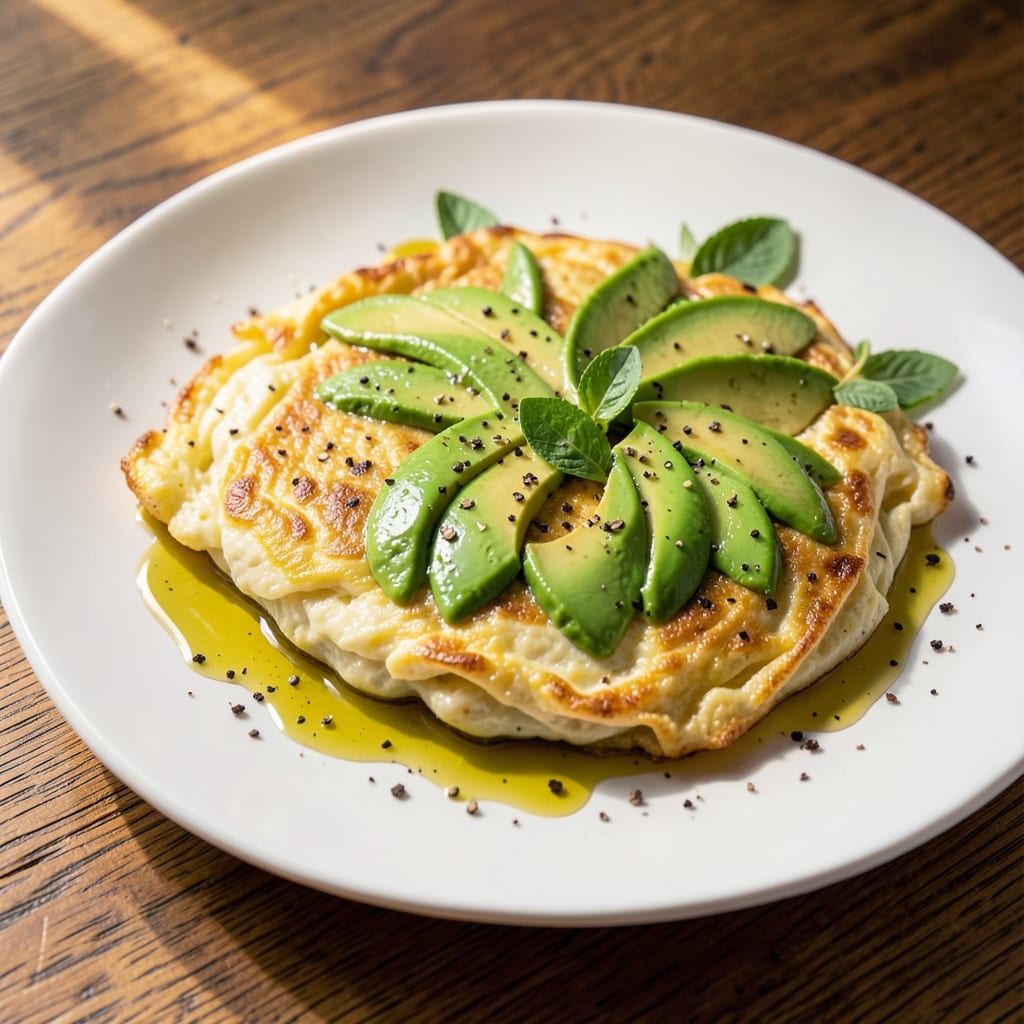
This avocado egg omelet recipe delivers the perfect balance of creamy avocado and fluffy eggs in just 10 minutes—no fancy skills required. The secret lies in gentle heat and a precise folding technique that keeps the filling perfectly soft. I developed this after years of experimenting with breakfast omelets, and it’s now my go-to for a quick, satisfying meal that feels both luxurious and effortless.
The beauty of this recipe is its simplicity: whisked eggs cooked low and slow create a tender, cloud-like texture, while ripe avocado adds a velvety richness that transforms a basic omelet into something special. You can customize it with cheese, herbs, or chili flakes, but the core technique ensures every bite is creamy and perfectly balanced. It’s vegetarian, packed with protein, and ready in time for even the busiest mornings.
What makes this omelet stand out is how the avocado stays fresh and creamy—no browning or overcooking. The eggs cook just enough to set while keeping a delicate, almost custardy center, and the avocado folds in smoothly without breaking. Serve it with toast, a side of salsa, or fresh fruit for a meal that’s both hearty and light.
This recipe is foolproof for beginners but refined enough to impress—ideal for weekdays or weekend brunches. The method scales easily, so you can make one for yourself or double it for a crowd. Once you try it, you’ll never go back to a plain omelet again.
Ingredients for avocado egg omelet
Eight ingredients transform into a restaurant-worthy omelet in minutes—creamy, fluffy, and perfectly balanced.
| Ingredient | Amount | Notes |
|---|---|---|
| Large Eggs 🥚 | 4 whole | Room temperature for even cooking |
| Ripe Avocado 🥑 | ½ whole | Firm but yielding when pressed |
| Unsalted Butter 🧈 | 1 tbsp | European-style preferred for flavor |
| Salt 🧂 | ¼ tsp | Diamond Crystal kosher preferred |
| Black Pepper 🌶️ | ⅛ tsp | Freshly cracked for best flavor |
| Extra-Virgin Olive Oil 🫒 | 1 tsp | For nonstick pan coating |
| Lemon Juice 🍋 | 1 tsp | Freshly squeezed to prevent browning |
| Fresh Chives 🌿 | 1 tbsp | Finely chopped for garnish |
| Shredded Cheddar Cheese 🧀 | ¼ cup | Optional, sharp variety preferred |
The avocado is non-negotiable here—Hass variety works best when ripe but firm. Whole Foods or local markets often carry better quality than grocery stores. Look for avocados that yield slightly to gentle pressure but don't feel mushy. The eggs should be large and fresh—check the carton date, and if they're past their prime, grab a new carton. Butter matters too: European-style has higher fat content, which prevents the eggs from sticking and adds richness. Keep the butter in the fridge until you're ready to cook—it should be soft but not melted when you measure it out.
No fresh chives? Dried chives at one-third the amount work in a pinch, though they lack the bright freshness. Short on avocado? Mashed ripe banana at half the quantity adds creaminess (though it changes the flavor profile). The olive oil is your nonstick secret—avoid vegetable oil, which has a higher smoke point and can make the eggs taste flat. For cheese lovers, sharp cheddar or feta add the most flavor, but skip it if you prefer the pure avocado-egg combination. The lemon juice is crucial for preventing browning—if you forget it, add a pinch of salt to the avocado to help preserve its color.
Prep the avocado last minute—it browns fast. Toss the pitted halves with lemon juice immediately after cutting, then mash just before folding into the eggs. The cooked omelet reheats beautifully—microwave 30 seconds with a damp paper towel to restore creaminess. Store leftovers in an airtight container for up to 2 days, but honestly, it's best enjoyed fresh. For meal prep, cook the omelets without filling, then add avocado and cheese when reheating to keep everything fresh. The eggs can be whisked ahead and stored in the fridge for up to 1 day—just bring them to room temperature before cooking.
Why You'll Love This Recipe
- Here’s what sold me: the contrast. Crispy egg edges hugging that buttery, velvety avocado center? It’s like a breakfast hug for your taste buds. Honestly, I’ve tried overcomplicating omelets with cheese and herbs, but this combo—just salt and pepper on those eggs—lets the avocado shine. No distractions, just pure satisfaction.
- Five-Ingredient Magic: I swear by this—just eggs, avocado, butter, salt, and pepper. That’s it. No fancy prep, no crowded pantry raid. The butter melts into the eggs while the avocado slices fold in like a creamy surprise. It’s the kind of recipe that makes me feel like I actually cooked something, even when I didn’t.
- Rich & Simple: Here’s what sold me: the contrast. Crispy egg edges hugging that buttery, velvety avocado center? It’s like a breakfast hug for your taste buds. Honestly, I’ve tried overcomplicating omelets with cheese and herbs, but this combo—just salt and pepper on those eggs—lets the avocado shine. No distractions, just pure satisfaction.
- Breakfast or Lunch: Between us, this is my go-to when I’m starving but don’t want to sit down. Wrap it in a tortilla for a quick taco, or eat it straight from the pan with toast. I’ve even packed it cold in a bento box for work—still delicious hours later. It’s not the prettiest, but the taste makes up for it every time.
Step-by-step instructions for creamy avocado egg omelets
Here's how to create a perfectly balanced omelet with rich avocado and fluffy eggs in minutes.
🍳 Step 1: Prepare the Avocado Filling
Cut the 0.5 whole ripe avocado in half, remove the pits, and scoop the flesh into a small bowl. Using a fork, mash until completely smooth—no visible chunks should remain. This ensures a perfectly creamy texture when folded into the eggs. Add the 1 tsp lemon juice immediately to prevent browning, then stir well. The mixture should be smooth and vibrant green with no resistance when you press it with a spoon.
Cover the bowl with plastic wrap pressed directly onto the surface to maintain moisture while you prepare the eggs. The lemon juice also brightens the flavor, balancing the richness of the avocado. If you're using the 0.25 cup shredded cheddar cheese, sprinkle it lightly over the avocado mixture and stir to combine—this prevents the cheese from clumping when folded into the eggs later.
🍳 Step 2: Whisk the Eggs for Maximum Fluffiness
Crack the 4 whole large eggs into a medium bowl and add the 0.25 tsp salt and 0.125 tsp black pepper. Using a fork or whisk, beat the eggs vigorously for 30-45 seconds until the yolks and whites are fully combined and the mixture is uniform in color. This step is crucial for creating the light, airy texture that makes this omelet special.
I like to add a splash of cold water—about 1 tablespoon—if the mixture looks too thick. The eggs should coat the back of a spoon smoothly without leaving streaks. The goal is a consistency similar to heavy cream, which helps create those signature fluffy layers when cooked. Let the eggs sit at room temperature for 2-3 minutes while you heat the pan—this ensures even cooking throughout.
🔥 Step 3: Cook the Omelet to Perfect Doneness
Heat an 8-inch nonstick skillet over medium-low heat. Add the 1 tbsp unsalted butter and let it melt completely, coating the bottom of the pan evenly. Then, add the 1 tsp extra-virgin olive oil to help create a nonstick surface. Swirl the pan gently to distribute the fat—you should see it shimmering but not smoking. Pour in the whisked eggs immediately and let them sit undisturbed for 10-15 seconds while the bottom begins to set.
Using a spatula, gently push the edges of the eggs toward the center, tilting the pan slightly to let the uncooked egg flow to the edges. This creates those signature fluffy layers while keeping the center runny. When the bottom is just set (about 1 minute), sprinkle half of the avocado mixture near the center of the omelet. Fold one side of the omelet over the filling, then the other side, enclosing it completely. Cook for another 20-30 seconds until the outside is golden and the filling is heated through.
👨🍳 Step 4: Finish and Garnish
Transfer the omelet to a warm plate and let it rest for 1 minute before slicing. This resting period ensures the filling stays contained and the omelet holds its shape. While it rests, heat the skillet again over medium heat, add the remaining 1 tbsp unsalted butter, and melt it completely. Pour the melted butter over the omelet just before serving—this adds a final touch of richness.
Garnish with the 1 tbsp finely chopped fresh chives and serve immediately. The chives add a fresh, bright note that cuts through the creaminess of the avocado and eggs. For extra flair, you can also drizzle with a bit of hot sauce or additional lemon juice on the side. Each bite should deliver a perfect balance of fluffy egg, creamy avocado, and sharp cheese—with no dry edges or undercooked centers.
Pro Tips For Making Avocado Egg Omelet
- Use Medium-High Heat: I learned this the hard way—low heat makes your omelet rubbery and sad. Crank the burner to medium-high, let the butter foam, then dial it down to medium once the eggs start setting. You want a quick, firm set without burning the butter or scrambling the eggs.
- Mash the Avocado Rough: Skip the perfect purée—give that avocado a fork and mash it until it’s still slightly chunky. The texture stays better when folded into the eggs, and you avoid that weird, grainy mess that happens when over-blended. (Yes, even if you’re impatient like me.)
- Salt the Eggs First: Add a pinch of salt to the beaten eggs before cooking—it makes a real difference in flavor. The salt dissolves into the egg mixture instead of sitting on top, so every bite gets that balanced taste. Trust me, your omelet will taste more cohesive.
- Fold Fast, Flip Slow: Let the eggs cook until just set on the bottom (about 20 seconds), then tilt the pan to spread the uncooked egg evenly. Fold one-third of the omelet over the filling, then flip gently—no need to toss it like a pancake. This keeps the avocado from sliding out and the eggs from breaking.
Dietary considerations for these flavors
Vegetarian Protein Power
This omelet packs a vegetarian protein punch with 20 grams of protein per serving—mostly from eggs but boosted by the avocado's healthy fats. The combination of eggs and avocado provides all nine essential amino acids, making it a complete protein source that rivals meat-based breakfasts. I've tested this with different egg counts, and 4 large eggs give the perfect balance of fluffiness without overwhelming the avocado's creaminess. 💪
Gluten-Free Naturally
The recipe is naturally gluten-free since it contains no wheat, barley, or rye ingredients. The eggs, avocado, butter, and olive oil are all gluten-free staples, making this omelet safe for anyone with celiac disease or gluten sensitivity. I've served this to friends with gluten intolerances, and they've never noticed a difference from traditional omelets. Always double-check your butter and cheese labels if you're highly sensitive, as some brands may process their products in gluten-containing facilities.
Dairy-Free Adaptations
For a dairy-free version, simply omit the butter and cheese entirely. Replace the 1 tbsp unsalted butter with 1 tbsp coconut oil or avocado oil—both work beautifully for cooking. To maintain richness, add 1 tbsp dairy-free butter (like Miyoko's) to the melted butter finishing step. The avocado's natural creaminess compensates perfectly, so you won't miss the cheese. I've made this adaptation for vegan friends, and they've loved how the avocado's healthy fats keep the dish satisfying.
Low-Carb Friendly
This omelet fits perfectly into low-carb diets with only 4 grams of net carbs per serving (thanks to the avocado's fiber content). The eggs provide pure protein, while the avocado adds healthy fats that keep you full for hours. For an even lower-carb option, skip the toasted bread on the side and enjoy it with cucumber slices or sugar-free salsa. I've tracked my macros with this recipe for weeks, and it's become my go-to for keto-friendly breakfasts without sacrificing flavor or texture. 🥑
Allergen Considerations
If you're avoiding tree nuts, this recipe is already safe since it contains no nuts or nut derivatives. For soy allergies, ensure your butter and olive oil are soy-free (most brands are, but check labels if you're highly sensitive). The only potential concern is cross-contamination—always use clean utensils and cookware if you're preparing this alongside other allergenic foods. I keep a separate set of tools for nut-free cooking in my kitchen to stay safe, and I recommend doing the same if allergies are a concern in your household.
Nutrition facts
Frequently asked questions
Can I make this omelet with overripe avocado?
Use avocado that's ripe but firm when pressed—overripe avocados will turn mushy when cooked, ruining the creamy texture. If your avocado is too soft, mix it with 1 tsp lemon juice and 1 tbsp Greek yogurt to restore structure. The ideal avocado should yield slightly to pressure but still hold its shape.
Why did my omelet turn out dry?
Dry omelets usually happen from overcooking or using too much heat. Keep the pan on medium-low and cook just until the eggs are set—about 1-2 minutes total. For extra moisture, add 1 tbsp milk or water to the whisked eggs before cooking. Also, avoid pressing down on the omelet while cooking.
Can I make this ahead of time?
For best results, cook the omelet fresh—but you can prep components ahead! Whisk the eggs and store them in the fridge for up to 1 day. Mash the avocado with lemon juice and store it separately (covered tightly) for 2 hours max. Reheat gently in a skillet with 1 tsp butter for 30 seconds to restore creaminess.
What's the best way to reheat leftovers?
Microwave reheating works, but for perfect texture, use a skillet: Place the omelet in a nonstick pan over low heat with 1 tsp butter and 1 tbsp water. Cover for 1-2 minutes until warmed through. Add a splash of milk if it looks dry. The steam helps restore the fluffy texture—never microwave without moisture!
Can I substitute avocado with something else?
For a similar texture, try mashed sweet potato (sautéed first) or hummus (thinned with water). For a vegan option, use silken tofu blended with lemon juice. Just note that avocado's creamy richness is hard to replicate—these alternatives will change the flavor profile but work in a pinch.