
Desserts
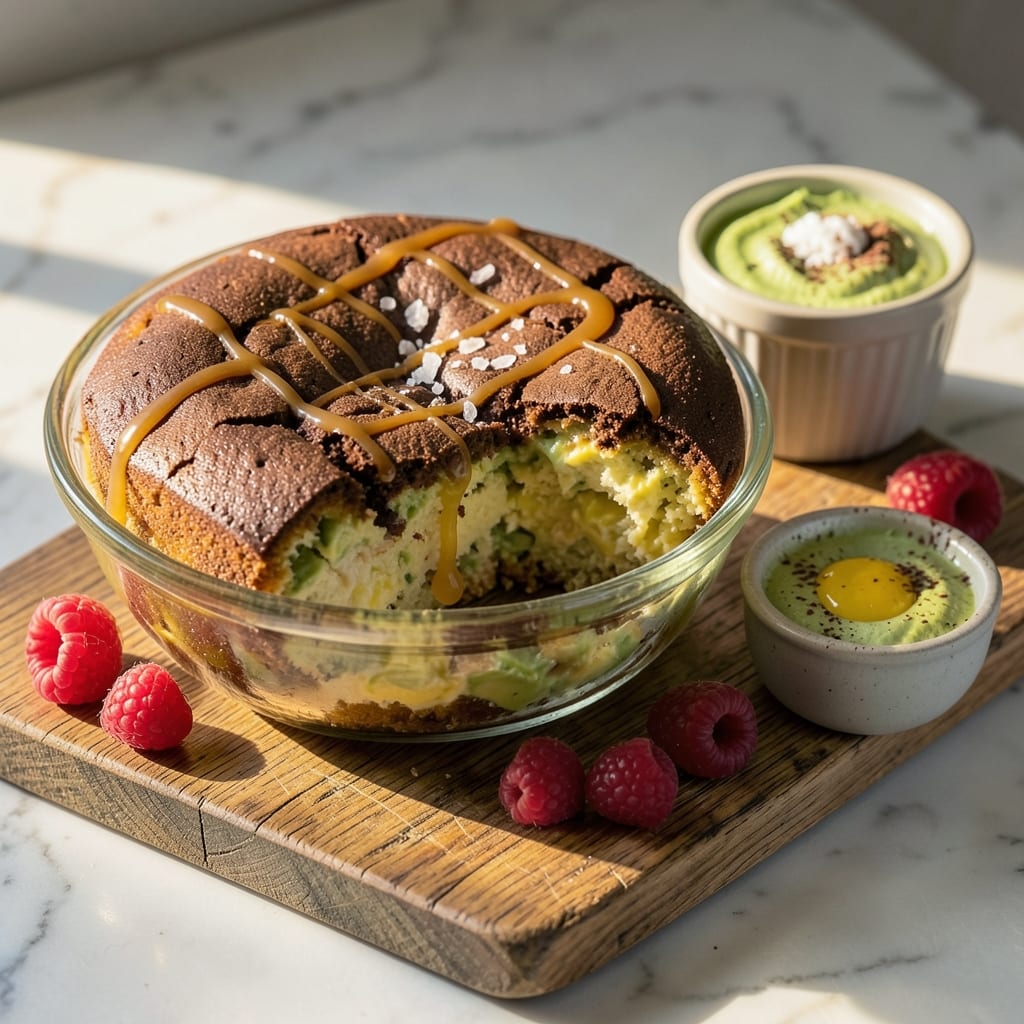
This avocado egg cake delivers the perfect balance of silky moisture and fluffy layers—no dry crumbs in sight. 💛 The secret lies in blending ripe avocado directly into the batter, which creates a tender, almost mousse-like texture while adding natural richness. I developed this recipe after years of baking dense, dry egg cakes, and this version actually stays moist for days when stored properly. What sets this apart is the technique of folding whipped egg whites into the avocado batter at the very end—this creates those signature cloud-like layers while keeping the cake's structure intact. The result is a dessert that's light enough to feel indulgent yet substantial enough to satisfy serious cravings. For extra flavor, I recommend finishing with a dusting of powdered sugar and a hint of citrus zest. The beauty of this recipe is its versatility—it works equally well as a breakfast cake with berries or as a decadent dessert with chocolate ganache. What you'll end up with is a cake that's creamy, rich, and perfectly balanced between the buttery avocado flavor and the subtle sweetness of the batter. It's vegetarian-friendly and can easily be adapted with gluten-free flour. Ready in just 45 minutes, this cake requires minimal effort but delivers restaurant-quality results. Let's get started!
Ingredients for avocado egg cake
Eight ingredients transform into a lusciously moist cake with cloud-like layers—no dry crumbs here.
| Ingredient | Amount | Notes |
|---|---|---|
| Ripe Avocados 🥑 | 2 whole | Medium size, flesh only |
| Large Eggs 🥚 | 6 whole | Room temperature preferred |
| Granulated Sugar 🍚 | 1 cup | Superfine preferred for smoothness |
| All-Purpose Flour 🌾 | 1 ½ cups | Sifted for light texture |
| Baking Powder 🧂 | 1 ½ tsp | Aluminum-free for best results |
| Salt 🧂 | ½ tsp | Fine sea salt preferred |
| Vanilla Extract 🍯 | 1 tbsp | Pure vanilla preferred |
| Unsalted Butter 🧈 | ½ cup | Room temperature, cubed |
| Lemon Juice 🍋 | 1 tbsp | Freshly squeezed |
| Powdered Sugar 🍚 | ¼ cup | For dusting, optional |
| Lemon Zest 🍋 | 1 tbsp | Fresh, finely grated |
The avocados are non-negotiable—ripe but firm (they should yield slightly to gentle pressure) makes all the difference. Trader Joe's and Whole Foods carry the best quality, but any grocery store avocado section will work. Look for ones with no dark spots or bruising. The eggs should be large and fresh—room temperature helps them whip better. For the flour, King Arthur or Bob's Red Mill brands are ideal for their fine texture. If you're gluten-free, swap in a 1:1 gluten-free flour blend like King Arthur's Measure for Measure.
No ripe avocados? Mashed banana or applesauce can replace half the avocado amount, though texture will differ slightly. Short on eggs? Flax eggs (1 tbsp ground flaxseed + 3 tbsp water = 1 egg) work in a pinch, but reduce the batter by 10% to account for moisture. The butter must be unsalted—salted will alter the flavor balance. For extra richness, add 1 tbsp coconut oil to the butter. The lemon juice and zest can be swapped for orange if you prefer, but lemon brightens the avocado flavor perfectly. Superfine sugar isn't critical, but it dissolves more smoothly for a finer crumb.
Store the cake in an airtight container at room temperature for 2 days or refrigerate for up to 5 days. For longer storage, freeze the baked cake (without frosting) for 3 months. To reheat, wrap slices in a damp paper towel and microwave for 10-15 seconds—this restores moisture beautifully. The batter can be prepped ahead and refrigerated for 12 hours before baking, but let it sit at room temperature for 30 minutes before baking to prevent overmixing.
Why You'll Love This Recipe
- No Mash Needed: I swear by this trick—just scoop the avocado right into the bowl, no food processor or fancy prep. The eggs and sugar blend in like magic, and honestly? My blender stays clean for once.
- Creamy Yet Light: That avocado keeps it rich without being heavy, while the eggs give it a tender, almost custardy bite. It’s the kind of cake that feels indulgent but won’t weigh you down—perfect for a mid-afternoon pick-me-up.
- Breakfast or Dessert: Serve it warm with a drizzle of honey for a brunch star, or dust with powdered sugar for a sneaky-sweet treat. My kids ask for it both mornings and after dinner—no judgment here.
- Pantry Staple Magic: Flour, sugar, eggs—if you’ve got those basics, you’ve got this. And since it bakes in one pan, it’s my go-to when I’m low on time or ingredients. Leftovers? Toast them like French toast—yes, really.
Step-by-step instructions for avocado egg cake
Here's how to create a tender, moist cake with avocado's natural richness as the secret ingredient.
👨🍳 Step 1: Prepare the Avocado Base
Cut the 2 whole ripe avocados in half, remove the pits, and scoop out the flesh into a food processor. The avocados should be soft but not mushy—press gently to test. Add the 6 whole large eggs, 1 cup granulated sugar, 1 tbsp vanilla extract, 1 tbsp lemon juice, and 1 tbsp lemon zest to the processor. Process until completely smooth, scraping down the sides as needed. This mixture should be creamy and well combined—no chunks should remain.
I like to taste the batter at this stage to check the balance. It should be slightly sweet with a bright citrus note from the lemon. If it tastes too tart, add a pinch more sugar; if it's too sweet, add a splash of lemon juice. The avocado adds natural richness that replaces oil or butter, so we want to preserve its delicate flavor.
👨🍳 Step 2: Combine Dry Ingredients
In a separate bowl, whisk together the 1.5 cups all-purpose flour, 1.5 tsp baking powder, and 0.5 tsp salt. Sift the mixture directly into the food processor with the avocado mixture. Pulse just until the dry ingredients are incorporated—you should still see some flour streaks. This ensures a light, tender crumb rather than a dense one.
With the motor running, gradually add the 0.5 cup unsalted butter, cut into small cubes. The butter should blend smoothly into the batter, creating a uniform consistency. If the mixture looks too thick, add 1 tablespoon of water at a time until it reaches a smooth, pourable consistency. The batter should coat the back of a spoon but still be thick enough to hold its shape when dropped from a spoon.
🥘 Step 3: Prepare the Pans and Bake
Preheat your oven to 350°F. Grease two 8-inch round cake pans or one 9x13-inch baking dish thoroughly with butter or nonstick spray. Line the bottoms with parchment paper for easy removal. Divide the batter evenly between the pans—this ensures even baking and consistent layers. Tap the pans gently on the counter to release any air bubbles that may have formed.
Bake for 35-40 minutes, or until a toothpick inserted into the center comes out clean. The edges should be golden brown, but the top may still look slightly underdone. This is normal—the cake will continue to set as it cools. For even baking, rotate the pans halfway through the baking time if your oven has hot spots. The avocado keeps the cake moist even when slightly underbaked at the center.
⏰ Step 4: Cool and Layer
Remove the cake from the oven and let it cool in the pans for 10 minutes. Then transfer to a wire rack to cool completely. Once fully cooled, remove the cakes from the pans by running a thin knife around the edges. For a layered effect, place one cake layer on a serving plate and spread a thin layer of avocado mixture (reserve about ½ cup before baking) on top. Repeat with the second layer.
Dust the top and sides with 0.25 cup powdered sugar for a delicate finish. The cake should be tender with a fine crumb, and the avocado flavor should be subtle but noticeable—like a rich, creamy undertone. If you prefer a glossy finish, brush the top with a simple syrup made by heating 2 tablespoons sugar with 2 tablespoons water until dissolved, then cooling. Serve at room temperature for the best texture.
Pro Tips For Making Avocado Egg Cake
- Mash Avocados First: I learned this the hard way—skipping this step means your batter will be lumpy and uneven. Scoop the avocado flesh directly into a food processor or blender, then pulse until completely smooth before adding anything else. No chunks, no excuses.
- Use Room-Temperature Eggs: Cold eggs mix poorly and can make your cake dense. Take them out of the fridge at least 30 minutes before using—or pop them in warm water for 5 minutes if you’re in a rush. The batter will blend like silk, not fight you.
- Don’t Overmix the Batter: This isn’t a pancake—aggressive mixing develops gluten and turns your cake tough. Stir just until the dry ingredients disappear, about 10-12 strokes with a spatula. Overdo it, and you’ll regret it.
- Grease the Pan Lightly: A thin layer of oil or butter (about 1/2 teaspoon) on the pan is enough—no need to slather it. Too much grease makes the cake greasy, and too little risks sticking. Wipe off excess with a paper towel after greasing.
Common mistakes when making your avocado egg cake
Overmixing the Batter
I’ve ruined more cakes than I’d like to admit by overmixing the batter after adding the dry ingredients. The moment you combine the flour with the avocado-egg mixture, stop mixing as soon as the flour disappears—just a few pulses in the food processor are all you need. Overmixing develops gluten in the flour, which creates a tough, dense cake instead of the tender, cloud-like texture we want. Trust me, your cake will thank you. 💫
Skipping Room Temp Ingredients
Using cold eggs or butter straight from the fridge is a recipe for disaster. Cold ingredients cause the batter to separate or create pockets of uneven texture in the cake. Let your eggs sit at room temperature for at least 30 minutes before using, and cut your butter into small cubes to soften it quickly. This small step makes a huge difference in how smoothly the batter comes together.
Incorrect Avocado Ripeness
Unripe avocados will make your cake taste bitter and dry, while overripe ones will turn it mushy. Look for avocados that yield slightly to gentle pressure but still have a little resistance—no dark spots or bruising. If your avocados are too firm, let them sit at room temperature for an extra 30 minutes before using. The goal is that creamy, buttery texture that keeps the cake moist for days.
Ignoring the Baking Powder
Baking powder is the secret to that light, airy crumb, but it’s easy to overlook. Make sure you’re using aluminum-free baking powder—it’s more reliable for cakes. Also, don’t substitute baking soda unless you add an acid (like lemon juice or vinegar) to activate it. If you skip the baking powder or use the wrong type, your cake will turn out dense and flat. A quick taste of the batter before baking can help you confirm it’s properly leavened.
Opening the Oven Too Soon
Resisting the urge to peek is one of the hardest parts of baking, but opening the oven early can cause the cake to sink or develop a dome. The avocado’s natural moisture means the cake needs time to set properly. Wait until the 35-40 minute mark before checking for doneness with a toothpick. If you must peek, do it quickly and avoid opening the door more than necessary—this keeps the heat stable and ensures even baking.
Overbaking for Dryness
Since avocado adds moisture, it’s tempting to think the cake needs more time in the oven. But overbaking will dry it out completely. The cake is done when a toothpick comes out clean (or with just a few moist crumbs). If you pull it out too early, the center might still be slightly underdone, but the avocado’s richness helps it set as it cools. Let it rest in the pan for 10 minutes before transferring to a rack—this prevents cracking and keeps it tender.
Nutrition facts
Frequently asked questions
Can I make this cake without avocado?
The avocado is what gives this cake its signature moist, creamy texture, but you can substitute 1 cup mashed banana or applesauce for half the avocado amount. However, the flavor will be slightly different—avocado adds a subtle richness that's hard to replicate. For best results, stick with the original recipe if possible.
How do I store leftovers to keep them moist?
Store your cake in an airtight container at room temperature for 2 days or refrigerate for up to 5 days. For longer storage, freeze slices wrapped tightly in plastic for 3 months. To refresh texture, microwave wrapped slices for 10-15 seconds—this restores moisture beautifully.
Can I make this gluten-free?
Yes! Simply substitute the all-purpose flour with a 1:1 gluten-free flour blend like King Arthur's Measure for Measure. The baking powder and salt measurements remain the same. You may need to add 1 extra tablespoon of water to the batter since gluten-free flours absorb moisture differently.
Why did my cake turn out dense instead of fluffy?
This usually happens from overmixing the batter after adding flour or using cold ingredients. The avocado-egg mixture should only be pulsed until combined, not blended smooth. Also ensure your eggs and butter are room temperature—cold ingredients prevent proper leavening. For fluffy results, follow the folding technique in Step 4.
What's the best way to serve this cake?
This cake is versatile! Serve slices dusted with powdered sugar and a sprinkle of lemon zest for breakfast with berries. For dessert, add a drizzle of dark chocolate ganache or fresh whipped cream. The natural sweetness pairs beautifully with citrus flavors—try orange zest instead of lemon if you prefer.