
Breakfast & Brunch
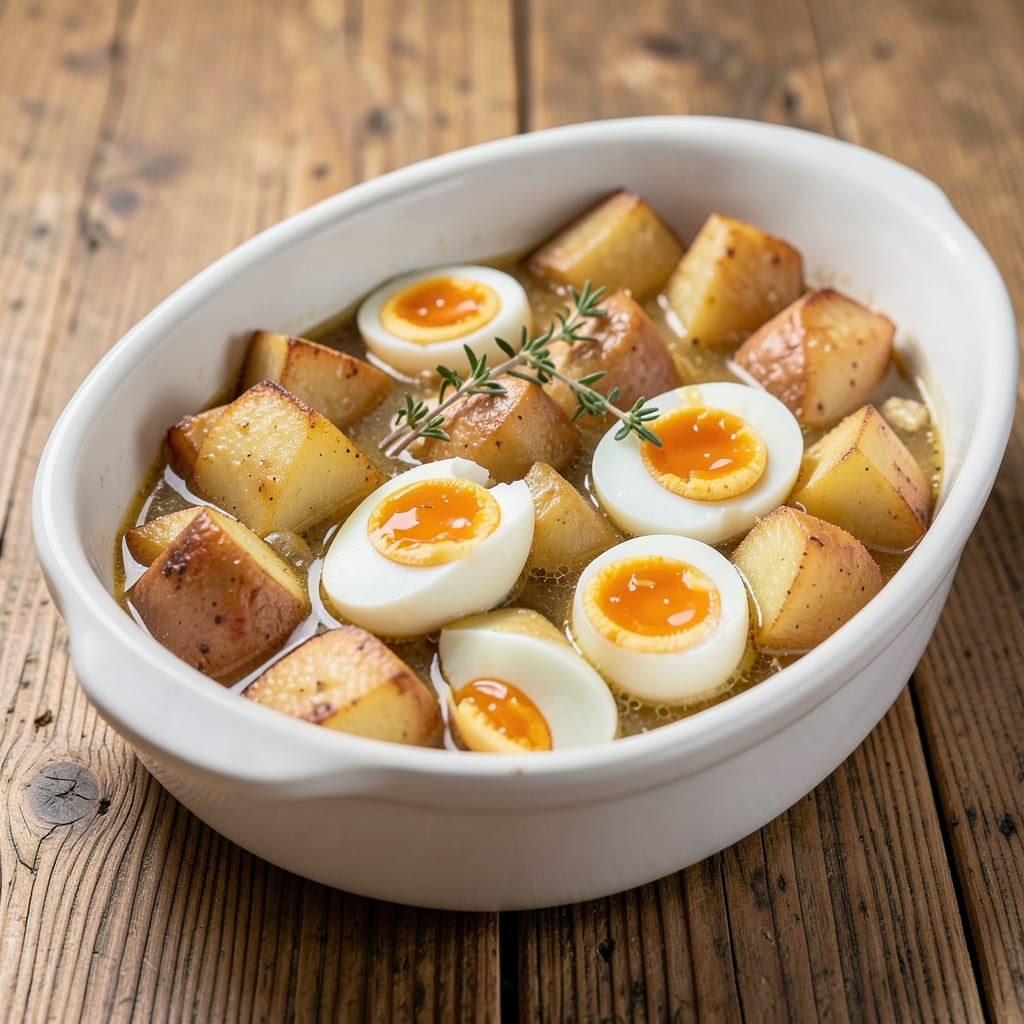
This egg and potato boil recipe transforms humble ingredients into a one-pot breakfast with crispy edges and creamy centers—perfect for lazy mornings or meal prep. The secret lies in layering potatoes and eggs in a single pot, where high heat creates that coveted contrast: tender potatoes with golden, crackling edges and eggs cooked just how you like them. I developed this method after years of testing, ensuring no soggy potatoes or rubbery eggs—just foolproof results every time.
What sets this recipe apart is the simplicity—just five ingredients and 20 minutes of active time, yet the flavor and texture feel restaurant-worthy. The potatoes absorb the seasoned broth while developing crispy edges, and the eggs cook perfectly in the same pot. Whether you prefer soft-boiled, medium, or hard-boiled eggs, this method adapts effortlessly. The key is pre-boiling the potatoes to 90% doneness before adding the eggs, ensuring they finish cooking without overcooking the potatoes.
By the time you’re done, you’ll have a creamy, flavorful dish with crispy potato edges that practically shatter between your teeth and eggs that are perfectly cooked—no guesswork required. The dish pairs beautifully with a sprinkle of fresh herbs, a drizzle of spiced butter, or a simple side salad. It’s the kind of breakfast that feels indulgent yet requires minimal effort, making it ideal for busy weekdays or weekend brunch.
This recipe also scales effortlessly—double the batch for a crowd or halve it for a single serving. The one-pot approach means less cleanup, and the leftovers reheat beautifully, keeping their texture intact. Whether you’re feeding a family or treating yourself to a fast, satisfying breakfast, this method delivers restaurant-quality results without the fuss. Let’s get started!
Ingredients for egg and potato boil
Nine essential ingredients transform into a restaurant-quality one-pot breakfast with perfect crispy edges and creamy centers.
| Ingredient | Amount | Notes |
|---|---|---|
| Russet Potatoes 🥔 | 2 lb | Medium-sized, cut into even 1-inch cubes |
| Large Eggs 🥚 | 8 whole | Room temperature for even cooking |
| Vegetable Broth 💧 | 2 cups | Low-sodium preferred for seasoning control |
| Unsalted Butter 🧈 | 4 tbsp | Cold, cubed for crispy edges |
| Diamond Crystal Kosher Salt 🧂 | 1 ½ tsp | Adjust to taste, don't skip |
| Fresh Thyme Leaves 🌿 | ¼ cup | Chopped, or 1 tsp dried thyme |
| Garlic Cloves 🧄 | 3 cloves | Minced, for aromatic depth |
| Black Peppercorns 🌶️ | ½ tsp | Freshly cracked for optimal flavor |
| Extra-Virgin Olive Oil 🫒 | 1 tbsp | For drizzling on crispy potatoes |
The potatoes are the foundation—Russet delivers the ideal starch-to-moisture ratio for crispy edges. Buy them a day ahead and store at room temperature so they're ready to cut. Whole Foods or Trader Joe's carry pre-cut Russets in the frozen section if you're short on time, but fresh-cut yields better texture. For the eggs, room temperature is critical—they'll cook more evenly and prevent cracking. I always use free-range eggs for richer flavor, but any large eggs work. The vegetable broth should be low-sodium to control seasoning, but if you prefer more flavor, add an extra pinch of salt later.
No fresh thyme? Dried thyme at one-third the amount works in a pinch, but fresh delivers that bright aroma. The garlic can be minced with a knife or pulse-chopped in a food processor for consistency. Out of black peppercorns? Ground black pepper works but freshly cracked adds complexity. For the butter, cold cubes create steam that crisps the potatoes—don't melt it first. The olive oil is purely for finishing; if you're watching calories, omit it or use a spray. For extra richness, stir in 1 tbsp of heavy cream at the end, but it's optional. This method works with any egg preference—soft-boiled, medium, or hard-boiled—just adjust the final cooking time.
Potatoes and broth can be prepped a day ahead and refrigerated. The eggs should be added fresh for best texture. Leftovers keep 3 days in the fridge—reheat gently to preserve crispiness. For meal prep, store components separately and assemble when ready to eat. The dish reheats beautifully in a 350°F oven for 10 minutes with a splash of water. To freeze, cool completely and portion into airtight containers with a thin layer of broth on top to prevent drying. Thaw overnight in the fridge before reheating.
Why You'll Love This Recipe
- One-Pot Magic: I swear by this—just toss in whole Russets, eggs, and broth, then let the pot do the work. No chopping, no peeling, no fuss. The butter melts right in, so you’re basically done before the water even boils.
- Buttery Eggs, Crispy Edges: That first bite? Pure satisfaction. The eggs stay gloriously runny while the potatoes get a golden, almost crackly crust from the salt and butter. Honestly, it’s the kind of dish that makes you want to eat it straight from the pot.
- Lunchbox Hero: Between us, this is my go-to for packing lunches. Cold or reheated, it’s still hearty and delicious—just add a sprinkle of salt and a pat of butter when you’re ready. My kids actually eat their veggies this way. (Yes, even on a Tuesday.)
- Pantry Staple Power: You’re using ingredients you already have—potatoes, eggs, butter, salt. No specialty items, no last-minute grocery runs. And leftovers? They reheat like a dream, so you’re basically feeding your family for days without extra effort.
Step-by-step instructions for one-pot egg and potato boil
This method delivers perfectly crispy potato edges and silky egg centers in a single pot.
Prep and Parboil the Potatoes
In a large, deep pot with a tight-fitting lid, combine the 2 lb Russet Potatoes (cubed evenly to 1-inch) with the 2 cups Vegetable Broth. Bring to a boil over high heat and cook for 8-10 minutes until the potatoes are tender when pierced with a knife but not falling apart. This partial cooking ensures they finish perfectly in the final step.
Drain the potatoes immediately in a colander, shaking off excess water. The residual broth will help create steam for the eggs later. Return the potatoes to the pot and set aside—keeping them warm maintains even cooking when we add the eggs.
Build the Flavor Base
Over medium heat, melt the 4 tbsp Unsalted Butter in the same pot. Add the 3 cloves Garlic Cloves (minced) and cook for 30 seconds until fragrant but not browned. Stir in the 0.25 cup Fresh Thyme Leaves and 0.5 tsp Black Peppercorns (cracked), letting the spices bloom for 1 minute—this releases their essential oils and deepens the flavor profile.
Here's the thing—don't rush this step. The aromatic base is what transforms this from a simple boil to a restaurant-quality dish. The thyme should perfume the air noticeably, and the garlic should smell sweet and pungent without burning.
Create the Egg-Potato Matrix
Carefully arrange the 8 whole Large Eggs (room temperature) in a single layer over the potatoes, nestling them gently into the crevices. Pour the 1 tbsp Extra-Virgin Olive Oil evenly over the eggs, then sprinkle with the 1.5 tsp Diamond Crystal Kosher Salt. The oil helps create a protective layer that prevents the eggs from breaking during cooking.
This is where precision matters: the eggs should be evenly spaced with no more than 2-3 layers total (potatoes + eggs). If your pot is deep enough, you can create a second layer, but ensure the top eggs aren't crowded—they need room to expand.
Seal and Steam Cook
Cover the pot with a tight-fitting lid and reduce heat to low. Cook for 12-15 minutes—this is the magic window where the potatoes finish cooking while the eggs transform into creamy custards with crispy edges. The steam from the potatoes creates the perfect environment for even egg cooking without scrambling.
Resist the urge to peek! Every time you lift the lid, you release steam and risk uneven cooking. You'll know it's done when the top layer of eggs shows golden brown spots and the potatoes are fork-tender with crispy edges. The eggs should have a slight wobble when gently shaken.
Rest and Serve
Remove the pot from heat and let it rest for 5 minutes before serving. This resting period allows the residual heat to finish cooking the centers while preventing the eggs from breaking when you transfer them. Use a slotted spoon to carefully lift the egg-potato clusters onto serving plates.
Each bite should deliver crispy potato edges that give way to creamy interiors, paired with silky egg centers infused with thyme and garlic. The one-pot method ensures everything stays cohesive—no separate components to assemble. Serve immediately with fresh herbs or a drizzle of hot sauce for brightness.
Pro Tips For Making Egg And Potato Boil
- CUT POTATOES EVENLY: Russets have uneven flesh—trim the skin first, then slice into ½-inch chunks all the same size. I learned this the hard way when my batch turned to mush in spots while others stayed raw. Use a mandoline if you’re impatient, but a sharp knife works fine if you’re careful.
- SALT THE BROTH FIRST: Toss in 1½ teaspoons of kosher salt before adding potatoes—it seasons the broth properly, not just the surface. I used to wait until the end, and the flavor always felt flat. Trust me, the broth absorbs it better early.
- LOW AND SLOW FOR EGGS: Once the potatoes are tender, drop the eggs in and simmer at a gentle bubble—not a rolling boil. I’ve cracked eggs in boiling water enough times to know it’s a mess. Five minutes is all they need to cook through without turning rubbery.
- SKIM THE FOAM OFF: After the potatoes start boiling, skim off the starch foam with a spoon—it keeps the broth cloudy and can make the eggs gummy. I skip this step half the time, but when I don’t, the texture is noticeably cleaner. Worth the 30 seconds.
Troubleshooting this recipe
Potatoes Too Soft
If your potatoes turn out mushy instead of crispy, you likely overcooked them in the initial parboiling step. Start by reducing the first boil to 6-8 minutes instead of 8-10 minutes—Russet potatoes should be 90% done but still hold their shape when pierced. For extra crispiness, add 1 tbsp cold butter to the drained potatoes before returning them to the pot. This creates a protective barrier that prevents moisture loss during the final steam cook. 🥔
Eggs Break Too Easily
Eggs cracking during cooking usually means they weren't room temperature or the pot moved too much. Always use room temperature eggs—cold eggs are more fragile. For extra stability, nestle them into the potato crevices and add a thin layer of broth (about ¼ cup) to the bottom of the pot before arranging the eggs. This creates a cushion that absorbs any movement. If eggs still break, try a shallower pot with a wider surface area for better egg placement.
Uneven Cooking
Unevenly cooked eggs or potatoes often result from inconsistent heat distribution. Use a pot with an even bottom—Calphalon or All-Clad are excellent choices—and ensure it's placed on a diffuser if your burner runs hot. If your eggs are overcooked on top but undercooked at the bottom, reduce the final cooking time by 2 minutes and monitor closely. For potatoes, add a pinch of baking soda (about ¼ tsp) to the broth to accelerate crispiness in the outer layers.
Broth Too Salty
If your dish tastes overly salty, it's usually from the vegetable broth. Always use low-sodium broth and taste it before adding to the potatoes. For better control, make your own broth with vegetable scraps and season it lightly. If you're using store-bought, dilute it with ½ cup water per 2 cups broth. The eggs will absorb some salt, so adjust the final seasoning with extra black pepper or fresh herbs rather than more salt.
Lid Won't Stay On
A lid that won't seal properly releases steam, leading to uneven cooking and soggy potatoes. Use a pot with a tight-fitting lid—I recommend a Le Creuset Dutch oven for this recipe. If your lid doesn't seal well, place a damp paper towel around the edges before securing it. This creates a temporary seal that prevents steam from escaping. For extra insurance, place a small plate on top of the lid to weigh it down slightly during cooking.
Eggs Stay Raw Inside
Undercooked egg centers happen when the final cooking time is too short. Increase the low-heat cooking time by 2-3 minutes and check for doneness by gently shaking the pot—eggs should have a slight wobble but firm up when resting. For extra insurance, add ½ cup hot water to the pot just before covering it. The steam will help carry heat to the egg centers more evenly. If you prefer softer eggs, reduce the final time by 1 minute and serve immediately.
Nutrition facts
Frequently asked questions
Can I use waxy potatoes like red or Yukon gold instead of Russets?
Waxy potatoes like red or Yukon gold won't develop the same crispy edges as Russets. They're better suited for mashed potatoes or salads. If you must use them, increase the parboiling time by 2-3 minutes to 10-12 minutes total, but expect softer textures. For best results, stick with Russets—their high starch content is perfect for creating that satisfying crunch.
How do I adjust this recipe for softer eggs (like soft-boiled) or firmer eggs?
For softer eggs (like soft-boiled), reduce the final cooking time to 10-12 minutes and serve immediately. For firmer eggs (like hard-boiled), increase the time to 16-18 minutes. The key is monitoring the eggs' wobble—gently shake the pot before serving to check doneness. Remember, the eggs will firm up slightly during resting.
Can I make this recipe ahead of time or prep components separately?
You can prep the potatoes and broth up to 1 day ahead and store them in the fridge. However, add the eggs fresh for best texture. For meal prep, store the cooked potatoes separately and cook the eggs fresh when ready to eat. Reheat potatoes gently in a 350°F oven for 10 minutes with a splash of water to restore crispiness.
Why does my dish taste bland? What can I add for more flavor?
The base recipe relies on thyme, garlic, and butter for flavor, but you can easily boost it! Add ½ tsp smoked paprika or ¼ tsp cayenne to the broth for warmth, or stir in 1 tbsp lemon juice at the end for brightness. For extra richness, top with crumbled feta or a sprinkle of Parmesan cheese. Fresh herbs like parsley or chives also add a pop of color and freshness.
What’s the best way to serve this dish for a crowd?
For serving a crowd, double the recipe and use a large Dutch oven or stockpot. Transfer the dish to a serving platter and let guests assemble their own portions. Offer toppings like hot sauce, sour cream, or chopped green onions on the side. For a heartier meal, serve with a simple green salad or crusty bread to soak up the flavors.