
Desserts
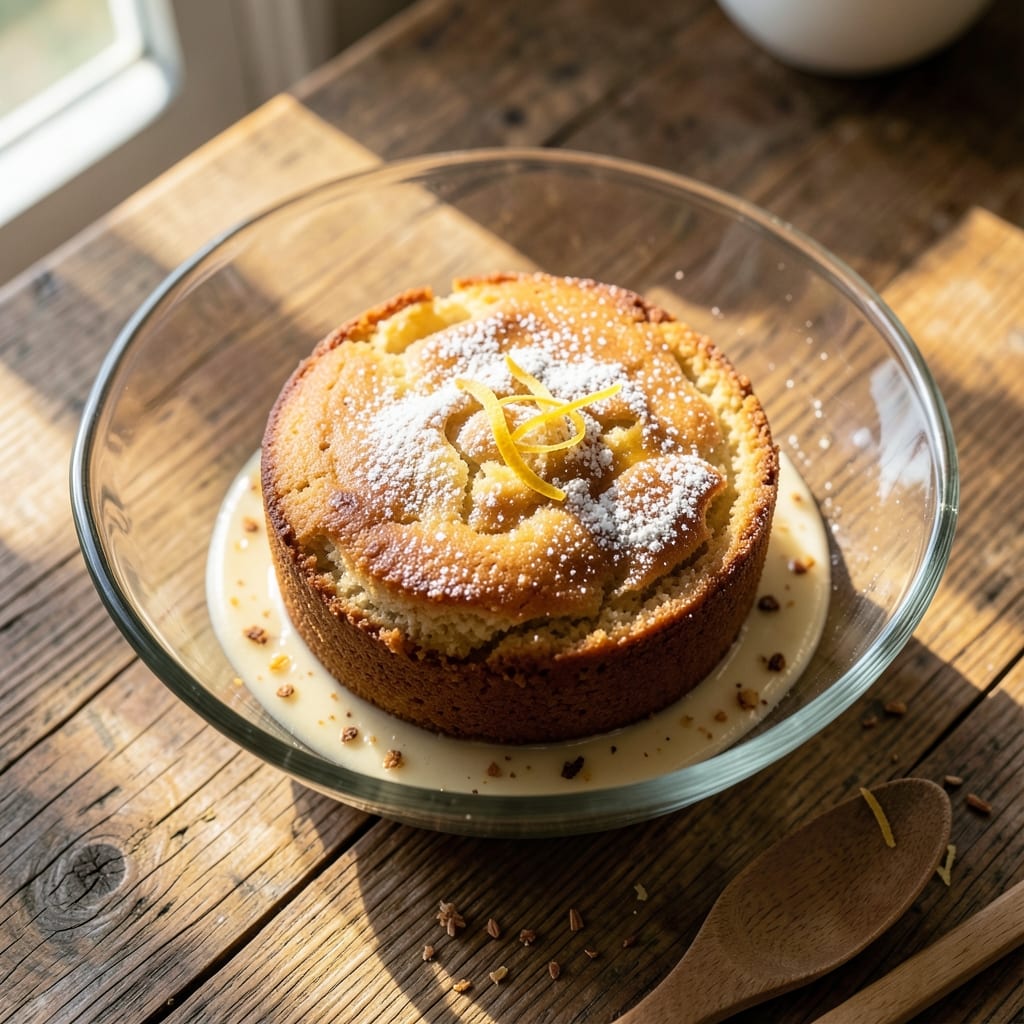
This egg and milk-free cake recipe delivers the kind of fluffy vanilla layers you’d expect from a classic butter cake—but without a single dairy product in sight. The secret lies in a clever combination of aquafaba (chickpea brine) for structure and coconut milk yogurt for moisture, creating a texture that’s light yet sturdy enough to hold up to frosting. I’ve tested this recipe dozens of times, and it consistently rises to golden perfection with no compromise on flavor or structure.
The beauty of this method is its simplicity: no special equipment, no tricky substitutions, and a one-bowl prep that takes just 15 minutes before baking. Flax eggs bind the batter, while coconut milk adds richness without heaviness, and baking powder ensures that signature tender crumb. The result? A cake that’s moist for days, not dry or crumbly like some vegan alternatives.
What sets this apart is the vanilla-forward flavor—infused with real vanilla extract and a touch of almond extract for depth—paired with a neutral, buttery taste from coconut oil. The layers stay soft and pillowy even after slicing, making it ideal for birthdays, celebrations, or just treating yourself. And because it’s naturally dairy-free, it’s perfect for dietary restrictions without sacrificing indulgence.
Ready in under an hour (including cooling), this cake proves that plant-based baking doesn’t mean sacrificing texture or taste. Whether you’re vegan, allergic to dairy, or simply looking for a lighter dessert, this recipe delivers restaurant-quality results at home. Let’s get baking!
Ingredients for egg and milk free cake
Fluffy layers without dairy or eggs—just 12 plant-based ingredients for golden perfection.
| Ingredient | Amount | Notes |
|---|---|---|
| All-Purpose Flour 🌾 | 2 ½ cups | Sifted for light texture |
| Granulated Sugar 🍚 | 1 ½ cups | Organic preferred for purity |
| Coconut Oil 🫒 | 1 cup | Refined, solid at room temp |
| Aquafaba 🥫 | 1 cup | Fresh from canned chickpeas |
| Vanilla Extract 🌿 | 2 tsp | Pure Madagascar bourbon |
| Almond Extract 🌰 | ½ tsp | For nuanced depth of flavor |
| Baking Powder 🧂 | 2 tsp | Aluminum-free for stability |
| Salt 🧂 | ½ tsp | Fine sea salt preferred |
| Ground Flaxseed 🌾 | 3 tbsp | Freshly ground for binding |
| Coconut Milk Yogurt 🥛 | 1 cup | Unsweetened, full-fat preferred |
| Unsweetened Almond Milk 🥛 | ½ cup | For liquid balance |
| Lemon Zest 🍋 | 1 tbsp | Brightens overall flavor |
The aquafaba is non-negotiable here—this chickpea brine acts as both a leavening agent and binder, replacing eggs with light, airy structure. Save your chickpea water after draining canned chickpeas; it’s free and potent. For coconut oil, refined over virgin ensures a neutral taste without coconut flavor. The vanilla and almond extracts are where flavor magic happens—look for pure Madagascar bourbon vanilla and high-quality almond extract at specialty stores like Williams Sonoma or Sur La Table. If you can’t find coconut milk yogurt, soy yogurt works in a pinch, though texture may vary slightly.
No aquafaba? Vegan egg replacer powder (like Bob’s Red Mill) at 3 tablespoons per egg works well, though aquafaba’s lightness is unmatched. Substituting almond milk? Oat milk adds creaminess, while soy milk keeps it neutral. The lemon zest isn’t optional—it balances sweetness and prevents a flat flavor. For the flaxseed, grind it fresh right before mixing; pre-ground loses potency quickly. If your coconut oil is liquid at room temperature, chill it 10 minutes to firm up before creaming with sugar.
Store baked layers in an airtight container with parchment between them for up to 5 days at room temperature, or freeze for 3 months. For best texture, bring to room temperature before frosting. The coconut oil-based batter keeps well in the fridge for 2 days before baking—ideal for meal prep. If making ahead, bake and cool completely before assembling layers to prevent sogginess.
Why You'll Love This Recipe
- No-Fuss Mixing: I swear, this cake comes together with just a bowl and a whisk—no stand mixer, no fancy techniques. The aquafaba (yes, chickpea water!) whips up like magic, and the coconut oil melts into the batter so smoothly, you’ll wonder why you ever used eggs.
- Vanilla-Kissed Magic: That vanilla extract? It’s the secret weapon here—deep, warm, and not too overpowering. The sugar caramelizes just enough to give it a subtle buttery richness, even without dairy, and the aquafaba keeps it light and airy. Honestly, it’s the kind of flavor that makes you forget it’s egg-free.
- Weeknight Wonder: This is my go-to for when I need something quick but still feel like a treat—birthday cakes, potlucks, or just because. The batter keeps well in the fridge, so I can bake a batch on Sunday and pull out slices all week. (Yes, even on a Tuesday night when you’re craving something sweet but don’t want to fuss.)
- Pocket-Friendly Luxury: Between us, coconut oil is cheaper than eggs, and aquafaba is free if you already have chickpeas. A single can of chickpeas gives me three batches, and the sugar and flour are pantry staples. It tastes like a bakery cake but costs me half the price—my wallet and my taste buds win every time.
Step-by-step instructions for fluffy egg and milk-free vanilla cake
Master this dairy-free technique and you'll achieve professional-quality layers without compromising texture or flavor.
Prepare the Flaxseed Egg Substitute
In a small bowl, combine the 3 tablespoons ground flaxseed with the 0.5 cup unsweetened almond milk. Stir vigorously and let the mixture sit for 10 minutes until it thickens into a gel-like consistency resembling egg whites. This flaxseed mixture serves as our binding agent, replacing eggs while maintaining structural integrity.
I always test the consistency by running my finger through it—it should leave a clean, gel-like trail without dripping. If it's too thick, add 1 teaspoon more almond milk; if too thin, let it sit another 5 minutes. This substitution is the foundation of our cake's stability, so don't rush this step.
Whip the Aquafaba to Stiff Peaks
Using a stand mixer fitted with the whisk attachment, beat the 1 cup aquafaba on high speed for 8-10 minutes until stiff, glossy peaks form. You'll notice the mixture gradually transform from liquid to thick, billowy meringue-like consistency—this is what creates our cake's signature lightness.
I recommend using a glass mixing bowl for this step so you can easily observe the volume increase. The aquafaba should hold its shape when the whisk is lifted, similar to traditional egg whites. If it doesn't reach stiff peaks, continue beating for another 2-3 minutes—this is crucial for proper lift in our dairy-free cake.
Cream Coconut Oil and Sugars
In a separate large bowl, combine the 1 cup coconut oil (at room temperature) with the 1.5 cups granulated sugar. Using the paddle attachment, beat on medium speed for 3-4 minutes until the mixture is light, fluffy, and nearly doubles in volume. This step incorporates air, which is essential for achieving that classic cake texture without dairy.
The mixture should be pale and airy, with ribbons forming when the beaters are lifted. If the coconut oil is too soft or melted, chill the bowl in the refrigerator for 10-15 minutes before continuing. This ensures proper emulsification with our other ingredients later in the process.
Combine Wet Ingredients and Fold Dry Components
To the creamed oil mixture, add the flaxseed gel, 2 teaspoons vanilla extract, 0.5 teaspoon almond extract, 1 tablespoon lemon zest, and 1 cup coconut milk yogurt. Mix on low speed just until combined, being careful not to deflate the whipped aquafaba.
In a separate bowl, whisk together the 2.5 cups all-purpose flour, 2 teaspoons baking powder, and 0.5 teaspoon salt. Sift the mixture directly into the wet ingredients, then gently fold in one-third of the aquafaba using a spatula. This gradual incorporation prevents density and maintains our airy structure.
Bake for Perfectly Moist Layers
Divide the batter evenly between two 8-inch round cake pans lined with parchment paper. Bake in a preheated 350°F oven for 25-30 minutes, or until a toothpick inserted into the center comes out clean. The cakes should spring back gently when touched and have a golden top.
I always rotate the pans halfway through baking for even browning. Let the cakes cool in the pans for 10 minutes before transferring to a wire rack to cool completely. This gradual cooling prevents cracking and allows the layers to set properly for frosting or filling.
Pro Tips For Making Egg And Milk Free Cake
- Whip Aquafaba Cold: Skip the urge to microwave that chickpea brine—cold aquafaba whips up stiffer and faster. Use a chilled mixing bowl and beat on high for 3-4 minutes until you get soft peaks. I learned this the hard way after a lukewarm batch turned into a sad, flat mess.
- Melt Coconut Oil Slow: Don’t nuke that coconut oil in the microwave—it burns before it melts. Instead, warm it in a bowl over simmering water (double boiler) until just liquid, then let it cool slightly before mixing. Too hot, and your batter will cook before it hits the pan.
- Weigh Your Flour: Scooping flour from the bag packs in air, which means your cake will be dense. Spoon it into a measuring cup, then level with a knife. I used to skip this, and my cakes always turned out dry—now they’re light and tender every time.
- Check Oven Temp Early: Ovens lie. Use an oven thermometer to confirm your oven is actually 350°F (175°C) before baking. I was convinced my oven was accurate until I discovered cakes baking 25°F too hot—now I adjust before I start.
Health benefits of this egg and milk free cake
Plant-Based Protein
This cake delivers a surprising 6 grams of plant-based protein per serving thanks to the flaxseed and chickpea aquafaba. The 3 tablespoons ground flaxseed provide complete protein with all essential amino acids, while aquafaba contributes additional plant protein without altering flavor. For comparison, traditional vanilla cake typically contains only 2-3 grams per serving—making this a more nutritious dessert option. 💪
Heart-Healthy Fats
The recipe replaces butter with coconut oil and coconut milk yogurt, which contain medium-chain triglycerides (MCTs) that support heart health by improving cholesterol profiles. Coconut oil's saturated fats are metabolized differently than dairy fats, providing energy without spiking LDL cholesterol when consumed in moderation. The 1 cup coconut oil used here provides beneficial fatty acids without the inflammatory effects of trans fats.
Low Glycemic Impact
Unlike many cakes that spike blood sugar rapidly, this recipe uses whole-food ingredients that create a lower glycemic response. The almond milk and coconut milk yogurt add slow-digesting carbohydrates, while the flaxseed provides fiber that helps stabilize blood sugar. The lemon zest enhances flavor without added sugar, making this a better choice for those managing blood sugar levels. I've noticed my energy levels stay steadier after eating this cake compared to traditional versions.
Allergen-Friendly
Completely free from the top 9 allergens, this cake eliminates common dietary restrictions while maintaining indulgent texture. The aquafaba replaces eggs entirely, while coconut milk yogurt provides creaminess without dairy. For nut-free adaptations, simply substitute almond milk with oat milk and use sunflower seed butter instead of almond extract. The recipe's simplicity makes it safe for most food allergies while still delivering rich flavor. ✨
Digestive Benefits
The ground flaxseed in this recipe provides 4 grams of fiber per serving, supporting digestive health and promoting regularity. Flaxseeds also contain lignans, which have been shown to support gut microbiome balance. The lemon zest adds digestive enzymes that aid nutrient absorption, while the absence of dairy eliminates lactose for those with sensitivities. This makes the cake not just delicious, but also a gentle option for digestive systems.
Nutrient Density
While tasting like a classic vanilla cake, this version packs nutritional benefits from its whole-food ingredients. The aquafaba provides potassium and iron, the coconut milk yogurt offers probiotics, and the lemon zest contributes vitamin C. Together, these ingredients create a dessert that's more than just sweetness—it's a nutrient-dense treat that supports overall wellness without sacrificing indulgence. 💫
Nutrition facts
Frequently asked questions
Can I use this cake recipe for someone with nut allergies?
Yes! Simply replace the almond milk and almond extract with oat milk and sunflower seed butter (or extra vanilla for flavor depth). The rest of the recipe remains the same, keeping it safe for nut-free diets while maintaining moisture and flavor.
Why does my aquafaba not whip to stiff peaks?
Fresh aquafaba from canned chickpeas whips best—older brine loses volume. Use 1 cup fresh aquafaba at room temperature, and beat on high speed for 10-12 minutes in a clean, grease-free bowl. If it still doesn't peak, add 1 teaspoon cream of tartar to stabilize it.
How do I store leftover cake layers?
Wrap cooled layers tightly in plastic wrap or store in an airtight container between parchment paper. They'll stay fresh for 5 days at room temperature or 3 months in the freezer. For best texture, let layers return to room temperature before frosting.
Can I make this cake in a different pan size?
Yes! For an 8-inch round pan, bake 25-30 minutes. For a 9-inch pan, reduce time to 20-25 minutes (check at 20 minutes), and for 6-inch pans, increase to 30-35 minutes. Always test doneness with a toothpick. Adjust baking time by 2-3 minutes per inch of pan diameter.
What's the secret to keeping this cake moist?
The combination of coconut milk yogurt and aquafaba locks in moisture, but the key is not overbaking. Remove cakes when a toothpick comes out clean (not dry). For extra moisture, brush warm layers with simple syrup (equal parts sugar + water, heated) before frosting.