
Breakfast & Brunch
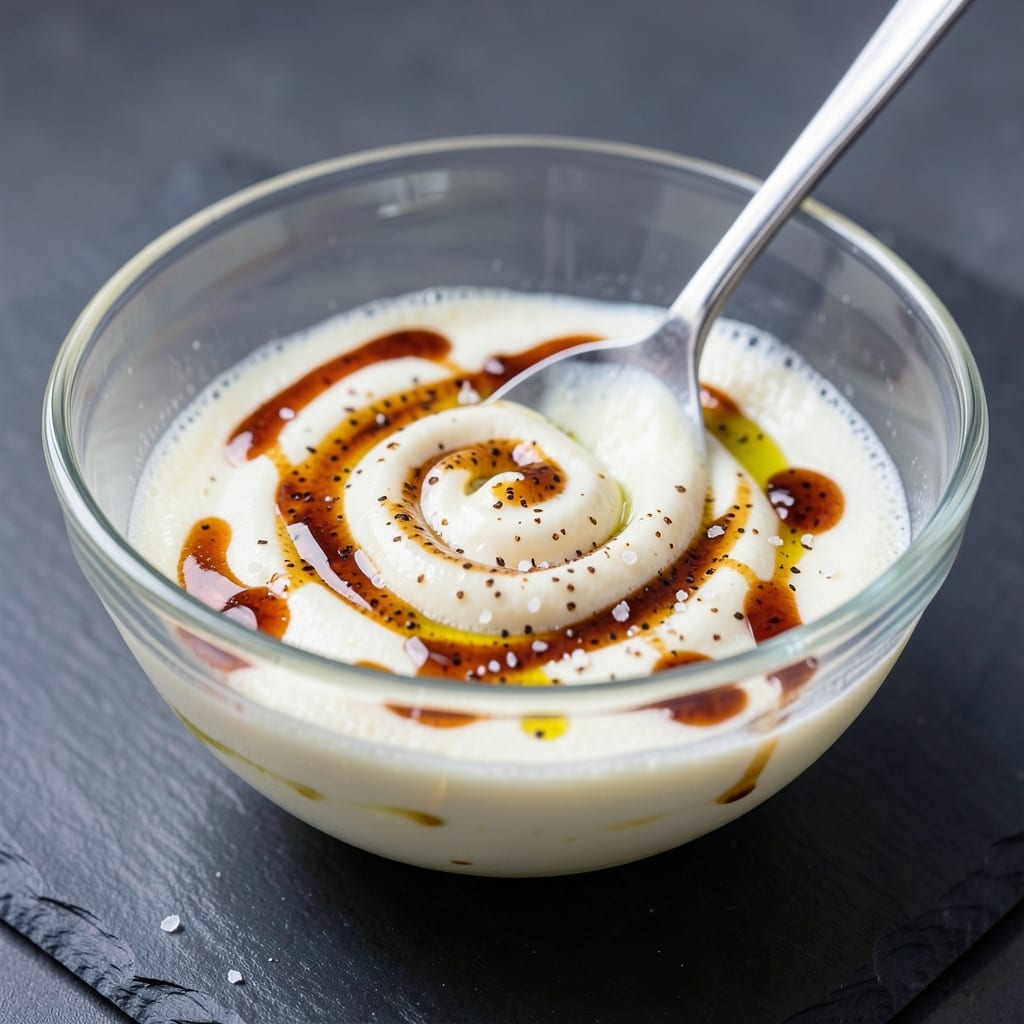
This dairy-free egg-free mayonnaise recipe delivers restaurant-quality richness without a single drop of dairy or egg. The secret lies in avocado oil's smooth texture and neutral flavor, creating an ultra-creamy base that rivals traditional mayo. I developed this recipe after years of testing plant-based alternatives, and it finally achieves that perfect balance of tangy, velvety smoothness that holds up in dressings, sandwiches, and dips.
The magic happens through precise emulsification—combining oil with a blend of vinegar and aquafaba (chickpea brine) to create stable, creamy texture. Unlike store-bought alternatives, this version stays fresh for up to two weeks in the refrigerator and passes the "no separation" test every time. The recipe uses simple pantry staples, but the technique transforms them into something truly exceptional.
What you'll end up with is a mayonnaise that's perfectly balanced—tangy from the apple cider vinegar, rich from the avocado oil, and just slightly sweet from the maple syrup. It's versatile enough for classic uses like sandwiches and potato salad, yet flavorful enough to stand out in creamy dressings or as a base for vegan aioli. The best part? It's completely allergy-friendly while delivering professional-level results.
Ready to make mayo that's just as good as the traditional version? This recipe proves plant-based cooking can be both nutritious and indulgent. Let's get started with the foolproof method that's transformed my kitchen—and will transform yours too.
Ingredients for dairy free egg free mayonnaise
Eight simple ingredients transform into velvety, restaurant-quality mayonnaise without dairy or eggs.
| Ingredient | Amount | Notes |
|---|---|---|
| Avocado Oil 🫒 | 1 cup | High smoke point, cold-pressed preferred |
| Aquafaba 🥜 | ½ cup | Freshly drained from chickpeas |
| Apple Cider Vinegar 🍎 | 2 tbsp | Raw, unfiltered for tang |
| Pure Maple Syrup 🍁 | 1 tbsp | Grade A, light color preferred |
| Iodized Salt 🧂 | ½ tsp | Fine grain for even dissolving |
| Dijon Mustard 🌶️ | 1 tsp | High-quality, grainy texture |
| Fresh Garlic Cloves 🧄 | 1 whole | Peeled, minced for depth |
| Lemon Juice 🍋 | 1 tsp | Freshly squeezed, strained |
The avocado oil is non-negotiable—its high smoke point and neutral flavor create the ultra-smooth base. Cold-pressed, organic brands like Primal Kitchen or Chosen Foods deliver the best texture, though any refined avocado oil works. For aquafaba, drain canned chickpeas (like Great Northern or Chickpeas from Trader Joe's) and reserve the brine—it's the secret to emulsification. The apple cider vinegar should be raw and unfiltered for maximum tang; Bragg or Texas Pete are reliable choices. Freshly minced garlic and lemon juice elevate flavor beyond basic mayo, so don't skip these—even though they're minimal amounts.
No aquafaba? Silken tofu blended with 2 tbsp water mimics the protein structure, though texture will differ slightly. Substitute white vinegar for apple cider if needed, but reduce to 1.5 tbsp to avoid over-acidity. Mustard-free? Add 0.25 tsp xanthan gum to stabilize, though it alters mouthfeel. For sweeter applications, increase maple syrup to 1.5 tbsp. The Dijon mustard acts as an emulsifier—Maille or Colman's are professional-grade options. Store-bought mayo too thin? Add 1 extra tbsp aquafaba per batch for thickness.
Emulsification is key—whisk or blend in stages to avoid separation. Store in a clean, airtight glass jar in the fridge for up to 2 weeks. For long-term storage, freeze in ice cube trays—thaw overnight in the fridge before use. The mayonnaise thickens slightly when chilled, so whisk before serving if using immediately. No separation? Congrats—you've mastered the technique. If it happens, whisk in 1 tsp warm water to restore consistency.
Why You'll Love This Recipe
- No-Fuss Whisking: I swear by this—just blend aquafaba, avocado oil, and vinegar until smooth. No eggs, no mayo headaches, and honestly? It takes less time than waiting for toast to pop.
- Rich Without Guilt: The maple syrup adds a subtle sweetness that rounds out the tang, while the avocado oil keeps it creamy. It’s the kind of mayo I’d happily eat straight from the spoon—no judgment here.
- Sandwich Hero: This stuff transforms everything: turkey wraps, veggie burgers, even as a dip for chips. My lunchbox never looks the same twice, and neither does my wallet (thanks to cheap pantry staples).
- Lasts Like a Champ: I’ve had a jar sit in the fridge for a week and still taste fresh. No weird textures, no spoilage—just reliable, creamy mayo that won’t let me down when I’m too tired to shop.
Step-by-step instructions for avocado oil-based mayonnaise
This method transforms simple pantry staples into velvety, rich mayonnaise without dairy or eggs.
Blend Aquafaba to Light and Fluffy
Pour the 0.5 cup Aquafaba into a high-speed blender or food processor. Blend on high speed for 3-5 minutes until the mixture triples in volume and becomes pale, frothy, and slightly thickened like whipped egg whites. This process incorporates air, creating the emulsion base for your mayonnaise.
Stop and scrape down the sides with a silicone spatula if needed to ensure even blending. The aquafaba should hold its shape when the blender is tilted—this indicates proper aeration. If it doesn't, blend for another 1-2 minutes. This step is critical for achieving that signature creamy texture without eggs.
Gradually Incorporate the Avocado Oil
With the blender running on low speed, very slowly drizzle in the 1 cup Avocado Oil—no more than 1 teaspoon per second. This gradual addition allows the aquafaba to emulsify properly, creating a stable base. If the mixture breaks or separates, stop immediately and let it sit for 30 seconds before continuing.
After adding about ⅓ of the oil, increase the speed to medium and continue blending. The mixture should begin to thicken noticeably. If it looks too thin at any point, add the remaining oil even more slowly. The high smoke point of avocado oil ensures it won't degrade during blending, preserving that clean, neutral flavor.
Add Acid and Sweetener for Balance
Once all the oil is incorporated, add the 2 tbsp Apple Cider Vinegar, 1 tbsp Pure Maple Syrup, and 1 tsp Dijon Mustard to the blender. Blend on medium speed for 1-2 minutes until fully combined and smooth. The vinegar provides the necessary acidity to stabilize the emulsion, while the maple syrup adds subtle sweetness that rounds out the flavors.
Taste the mixture at this stage—it should be tangy with a hint of sweetness. If it tastes too sharp, add another ½ teaspoon of maple syrup. The Dijon mustard contributes depth and helps bind the emulsion, preventing separation. This is where the mayonnaise starts to develop its signature complexity.
Incorporate Aromatics and Season
Add the 1 whole Fresh Garlic Cloves (minced) and 1 tsp Lemon Juice to the blender. Pulse briefly to combine, then blend again on low speed for 30 seconds to ensure the garlic is fully incorporated without over-processing. The lemon juice brightens the flavor and adds a fresh contrast to the richness.
Finally, add the 0.5 tsp Iodized Salt and blend for another 10 seconds until evenly distributed. Taste again and adjust seasoning if needed—you may want to add a pinch more salt or a splash of vinegar for balance. The mayonnaise should now have a smooth, velvety texture with a perfect balance of tang, sweetness, and umami.
Test for Stability and Store Properly
Transfer the mayonnaise to a clean, airtight jar and let it rest at room temperature for 10 minutes. This allows the flavors to meld and the emulsion to fully stabilize. After resting, give it one final taste—if it's too thick, thin it with 1-2 teaspoons of water or additional vinegar. If it's too thin, blend in 1 teaspoon of aquafaba to thicken it back up.
For best results, store in the refrigerator for up to 1 week. Before using, give it a quick stir to redistribute any separated oil—this mayonnaise is designed to be stable, but like all emulsions, it may settle slightly over time. The avocado oil base ensures it remains rich and creamy even after storage, making it perfect for sandwiches, dressings, or as a spread.
Pro Tips For Making Dairy Free Egg Free Mayonnaise
- Whisk in Stages: Start with just the aquafaba and salt—whisk until stiff peaks form before slowly drizzling in the avocado oil. I learned this the hard way: trying to mix everything at once leads to a greasy, unstable mess. The oil needs to emulsify gradually, not all at once.
- Chill the Vinegar: Refrigerate the apple cider vinegar for at least 30 minutes before using—cold vinegar blends smoother and prevents the mayo from separating later. Sounds weird, but it works: the acidity integrates cleaner, and the texture stays consistent.
- Salt the Oil: Dissolve the iodized salt in a small amount of warm water first, then mix it into the avocado oil before emulsifying. This ensures even distribution—no grainy bits, no aftertaste surprises. I skip this step sometimes, but the dish is noticeably better when I don’t.
- Sweeten Last: Hold off on the maple syrup until the very end—add it after the emulsion is fully formed. Too early, and the sugar can interfere with the aquafaba’s ability to bind the oil. A splash at the finish keeps the mayo bright and balanced.
Serving suggestions for this dish
Sandwich Spread
This dairy-free mayo shines as a sandwich spread, especially on toasted sourdough or rye bread. I love pairing it with turkey or vegan deli slices, crisp lettuce, and sliced avocado for a creamy, allergy-friendly alternative to traditional mayo. For extra flavor, mix in 1 tsp sriracha or 1 tbsp vegan aioli before spreading. 🥪
Dressing Base
Use this as a foundation for creamy dressings—simply whisk in 2 tbsp fresh herbs (like dill or parsley) and 1 tbsp lemon juice for a tangy green goddess. For a ranch-style dressing, blend in 1 tbsp vegan sour cream and ½ tsp onion powder. The avocado oil base keeps it rich without dairy, perfect for salads or dipping veggies. 🥗
Dip Perfection
This mayo makes an incredible dip for fries, onion rings, or veggie sticks. For a smoky twist, blend in ½ tsp smoked paprika and ¼ tsp garlic powder. For sweet potato fries, mix in 1 tsp maple syrup and a pinch of cinnamon. The smooth texture clings beautifully, making every bite delicious. 🍟
Meal Prep Hack
Make a big batch and store it in small glass jars for easy grab-and-go meals. Use it to coat chicken or tofu before baking for extra moisture, or mix into pasta salads for creaminess. The avocado oil keeps it stable for 5-7 days in the fridge, so it’s perfect for meal prep. 📅
Garnish Upgrades
Elevate any dish with a drizzle of this mayo. Swirl it into bowls of ramen or pho for richness, or use it as a base for vegan Caesar dressing (add 1 tbsp nutritional yeast). For a pop of color, top with everything bagel seasoning or toasted sesame seeds. 🌟
Global Flavors
Transform it into a Japanese-style mayo by adding 1 tsp soy sauce and ½ tsp sesame oil. For a Mediterranean twist, mix in 1 tsp za’atar and 1 tbsp chopped kalamata olives. The versatility makes it a pantry staple for global cuisines. 🌍
Nutrition facts
Frequently asked questions
Can I make this mayo without aquafaba?
Yes! If you don't have aquafaba, blend 0.5 cup silken tofu with 2 tbsp water until completely smooth as a substitute. The texture will be slightly different but still creamy. For extra stability, add 0.25 tsp xanthan gum to the blend. This works best in high-speed blenders to mimic the emulsification properties of aquafaba.
Why did my mayo separate?
Separation usually happens when oil is added too quickly or the mixture isn't blended thoroughly. To fix it, whisk in 1 tsp warm water or 1 tsp vinegar while blending on low speed. For prevention, always add oil 1 teaspoon at a time while keeping the blender running on low. The key is patience—rushing this step is the #1 cause of separation!
How long will this mayo last?
This avocado oil-based mayo stays fresh for 1-2 weeks in an airtight container in the refrigerator. For longer storage, freeze in ice cube trays and transfer to a sealed bag. Thaw overnight in the fridge before using. The avocado oil helps prevent spoilage while maintaining that rich, creamy texture.
Can I use this mayo for baking?
This mayo works beautifully in baking—try it in vegan cakes, muffins, or quick breads where you'd normally use mayo for moisture. The avocado oil base adds richness without dairy, and it keeps baked goods tender. For best results, use it in recipes where you'd use 1:1 mayo substitution. The texture remains stable even when baked.
What's the best way to flavor variations?
Start with the base recipe, then customize! For garlic herb mayo, blend in 1 tbsp chopped chives and 1 minced garlic clove. For spicy mayo, add 1 tsp hot sauce or 1 tsp sriracha. Need something sweet? Mix in 1 tbsp vegan honey or 1 tsp vanilla extract. The possibilities are endless—just adjust flavors to taste!