
Desserts
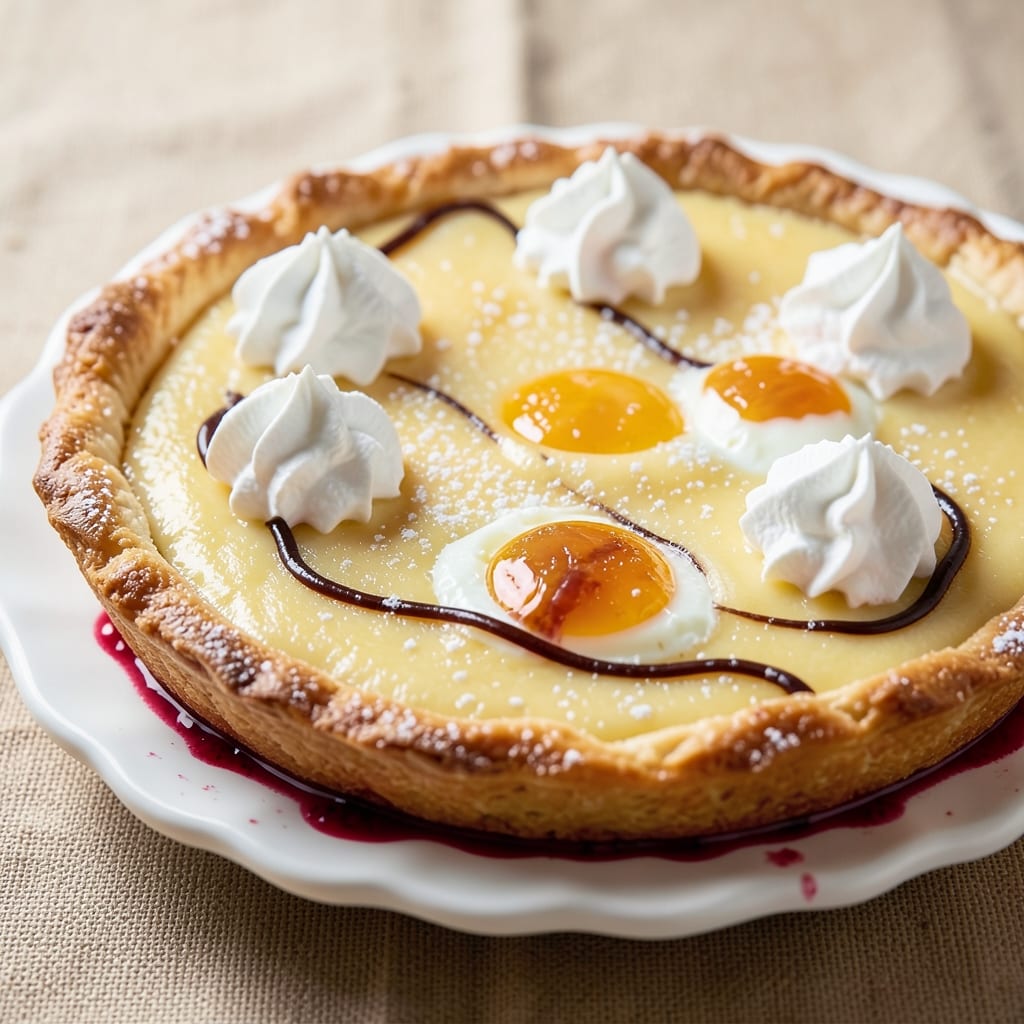
This creamy egg custard pie delivers the velvety texture and vanilla essence you crave without the fuss of professional techniques. The secret lies in tempering eggs properly to prevent curdling while creating a silky, golden custard that sets perfectly in a buttery crust. I've perfected this recipe over years of testing, ensuring every slice delivers that signature creamy bite with just a hint of caramelized sweetness.
The foundation is a simple yet precise custard mixture—eggs, cream, sugar, and vanilla—whisked together before being gently heated to create that signature smooth texture. Baking it in a water bath ensures even cooking and a silky finish, while a pre-baked crust provides the perfect structure. This method transforms basic ingredients into a dessert that feels indulgent yet remains approachable for home bakers.
What you'll achieve is a pie with a golden, flaky crust and a custard so creamy it practically melts in your mouth. The vanilla infusion adds depth without overpowering, creating a balance that's both comforting and elegant. Each slice offers that perfect contrast of firm yet tender custard, making it ideal for gatherings or a special treat.
Whether you stick with classic vanilla or experiment with flavors like caramel or citrus, this recipe adapts beautifully. The key is patience—allowing the custard to set properly ensures that first bite lives up to the promise. Let's get started on creating your perfect custard pie.
Ingredients for creamy egg custard pie
Six simple ingredients transform into a restaurant-worthy custard pie with that signature velvety bite.
| Ingredient | Amount | Notes |
|---|---|---|
| Large Eggs 🥚 | 4 whole | Room temperature for blending |
| Heavy Whipping Cream 🥛 | 1 ½ cups | Full-fat for best texture |
| Granulated Sugar 🍚 | 1 cup | White or light brown |
| Pure Vanilla Extract 🌿 | 1 tbsp | High-quality, not imitation |
| Unsalted Butter 🧈 | ½ cup | Cold, cubed for crust |
| All-Purpose Flour 🌾 | 1 ½ cups | Plus 1 tsp for dusting |
| Salt 🧂 | ½ tsp | Fine sea salt preferred |
| Milk 🥛 | ½ cup | Whole milk for richness |
| Lemon Juice 🍋 | 1 tbsp | Freshly squeezed |
| Cornstarch 🌾 | 2 tbsp | For silky texture |
| Granulated Sugar (for sprinkling) 🍚 | 2 tbsp | Optional caramelized topping |
The eggs are the heart of this custard, so freshness matters. Grab them from the back of the fridge—room temperature blends better. The heavy cream? Full-fat is non-negotiable here—anything lighter will give you a watery custard. For the vanilla, Heinz or Nielsen-Massey are my go-tos, but anything labeled 'pure' will do. The butter should be cold when you cube it—Trader Joe's sells blocks that stay firm longer. Flour? King Arthur is my brand of choice for a tender crust, but any all-purpose will work. And that lemon juice? Fresh is ideal, but bottled works in a pinch—just make sure it's real lemon, not 'lemon-flavored'.
No heavy cream? Full-fat coconut milk works beautifully—just whisk it well to avoid separation. Short on eggs? Replace one with 2 tbsp cornstarch to help thicken. The vanilla extract can be swapped for 1 tsp vanilla bean paste if you're feeling fancy. For a nutty twist, add 1/4 cup toasted hazelnuts to the crust. The cornstarch is your secret weapon—it keeps the custard silky even if you overmix. And that optional sugar topping? Caramelize it in a dry pan first for extra decadence. The crust can be store-bought if you're short on time, but homemade makes all the difference.
This custard sets beautifully—let it cool completely before slicing for clean pieces. Keeps 3-4 days in the fridge, fully covered. Freezes for up to 2 months if you wrap it tightly. I like to portion it into individual slices for easy serving. The crust stays crisp if you store it in an airtight container. And if you bake extra? It reheats perfectly—just 10 seconds in the microwave or 5 minutes at 350°F to warm through.
Why You'll Love This Recipe
- No Whisk Fuss: This recipe only needs a whisk and a bowl—no food processor, no blender, no fancy gadgets. Just crack those eggs, stir in the cream and sugar until smooth, and let the vanilla and butter work their magic. Honestly, I’ve made it while chatting on the phone because it’s that simple.
- Velvet-Smooth Payoff: The moment the custard sets—silky, rich, with that perfect balance of sweetness from the sugar and depth from the vanilla—you’ll understand why this pie feels like a hug. The butter adds a subtle richness that makes every bite feel indulgent without being heavy.
- Breakfast or Dessert: Serve it warm for brunch with a sprinkle of cinnamon, or chill it overnight for a creamy dessert that’s lighter than cheesecake. My kids ask for it after dinner, and I’ve even packed slices for lunch—it’s that versatile.
- Leftovers That Taste Better: The flavor actually improves after a day or two in the fridge, if you can believe it. I’ve reheated slices in the microwave for 10 seconds and they’re just as good as fresh. Plus, it’s budget-friendly—eggs and cream stretch far, and you won’t regret buying that extra vanilla extract.
Step-by-step instructions for creamy egg custard pie
Here's how to create that signature velvety texture—smooth, rich, and perfectly set every time.
Prepare the Crust with Cold Butter
In a food processor, pulse the 1.5 cups all-purpose flour and 0.5 tsp salt until combined. Add the 0.5 cup cold, cubed unsalted butter and pulse until the mixture resembles coarse crumbs with pea-sized butter pieces remaining. This ensures flaky layers in your crust.
Drizzle in 0.5 cup ice water, one tablespoon at a time, pulsing after each addition until the dough just comes together. Avoid overmixing—just until it holds when pressed. Divide the dough in half, flatten into discs, wrap in plastic, and chill for 30 minutes. Cold dough prevents shrinking during baking.
Blind-Bake the Crust
Preheat your oven to 375°F. Roll out one dough disc on a floured surface to fit a 9-inch pie dish, pressing gently into the bottom and up the sides. Trim excess dough, leaving a ½-inch overhang. Chill the crust while you prepare the filling.
Line the chilled crust with parchment paper, fill with pie weights or dried beans, and bake for 15 minutes. Remove the weights and bake 5-7 more minutes until the edges are lightly golden. This prevents a soggy bottom when you add the custard. Let cool slightly before filling.
Whisk the Custard Mixture
In a medium bowl, whisk together the 4 whole large eggs, 1 cup granulated sugar, 1 tbsp pure vanilla extract, and 2 tbsp cornstarch until smooth. The cornstarch is key—it creates that signature silky texture by stabilizing the custard.
In a separate bowl, gently whisk the 1.5 cups heavy whipping cream, 0.5 cup milk, and 1 tbsp lemon juice to combine. Slowly pour the cream mixture into the egg mixture while whisking constantly to prevent curdling. The lemon juice brightens the flavor and balances the richness.
Assemble and Bake the Custard
Pour the custard mixture into the pre-baked crust, spreading evenly. Sprinkle the 2 tbsp granulated sugar (for sprinkling) evenly over the top—this creates a beautiful caramelized crust during baking. Bake at 350°F for 45-50 minutes until the custard is set but still slightly jiggly in the center.
Here's the pro tip: The custard should look just about done when the edges pull away slightly from the pie dish, but the center should still wobble like gelatin. If the top browns too quickly, tent loosely with foil after 30 minutes. Let cool completely before slicing—this prevents a runny filling.
Chill and Serve
Transfer the pie to a wire rack and let it cool at room temperature for 1 hour, then refrigerate for at least 4 hours (overnight is best). Chilling firms up the custard while allowing flavors to meld. The contrast between the warm crust and cool filling makes every bite perfect.
Slice with a hot knife for clean cuts, and serve with whipped cream or fresh berries. The result? A creamy, vanilla-infused custard that's rich, smooth, and effortlessly elegant—just like you imagined. Trust the process, and you'll get it right every time!
Pro Tips For Making Creamy Egg Custard Pie
- Whisk Eggs Cold: Crack eggs straight into your chilled mixing bowl—no warm hands, no warm bowls. I learned this the hard way after scrambling custard that never set properly; cold eggs blend smoother and prevent curdling when you add the hot cream later.
- Temper Cream Slowly: Warm the heavy cream over low heat until steaming, but don’t boil it—just until tiny bubbles form at the edges. Then, pour it into the egg mixture gradually while whisking like your life depends on it. Dump it all at once? Say hello to scrambled eggs in a pie.
- Skip the Overmixing: Once the custard thickens enough to coat the back of a spoon, stop stirring. Overmixing turns it gummy, and no one wants a pie that fights back when you cut it. Trust the whisk—it’s done when it looks like pudding, not glue.
- Butter the Dish Right: Use melted butter (not just greased) to coat the pie dish—about 2 tablespoons spread thin. Cold butter won’t release properly, and you’ll end up with a custard that clings like a stubborn guest. Wipe off the excess so it doesn’t make the filling greasy.
Serving suggestions for this dish
Classic Pairings
Serve your creamy egg custard pie with a dollop of homemade whipped cream—lightly sweetened with 1 tbsp powdered sugar and a pinch of vanilla extract. The cool, airy texture contrasts beautifully with the warm custard. For an extra touch, garnish with a sprinkle of toasted coconut flakes or crushed pistachios—both add a delightful crunch and visual appeal. 🥥
Fruit Companions
Fresh berries are a perfect match for balancing the richness of the custard. I love serving slices with warm raspberries or chilled strawberries—their natural acidity cuts through the sweetness. For a more elegant presentation, arrange thinly sliced peaches or blackberries in a circular pattern around the pie. A drizzle of honey or chocolate sauce elevates the dish further.
Coffee & Tea Pairings
A cup of strong brewed coffee—preferably a dark roast—complements the vanilla notes beautifully. The bitterness of the coffee enhances the custard's sweetness. For tea lovers, Earl Grey or chamomile are excellent choices. The floral notes of Earl Grey harmonize with the vanilla, while chamomile adds a soothing contrast. Serve the tea slightly warm to avoid melting the custard too quickly.
Seasonal Adaptations
In summer, pair your pie with cooling mint sorbet or lemon bars to refresh the palate. For fall, a sprinkle of cinnamon or caramelized apples on top adds warmth and depth. During holiday seasons, consider serving with spiced whipped cream or cranberry compote for a festive twist. Each season offers a unique way to enhance the classic dessert.
Dessert Plating Tips
For a restaurant-worthy presentation, serve slices on chilled glass plates to keep the custard firm. Add a gold leaf or edible flower for an elegant finish. If serving at a gathering, arrange small slices on a tiered stand with complementary desserts like macarons or shortbread cookies. The visual contrast of the golden crust against the creamy filling makes it irresistible.
Make-Ahead Serving
This custard pie actually tastes better the next day, so prepare it ahead of time for gatherings. Store leftovers in an airtight container in the fridge for up to 4 days. When ready to serve, let slices sit at room temperature for 5-10 minutes to soften slightly. Reheat individual portions in the microwave for 10-15 seconds if desired—just enough to warm through without making the custard runny. 💫
Nutrition facts
Frequently asked questions
Why does my custard look curdled?
Curdling happens when eggs cook too quickly or the mixture isn't tempered properly. Always whisk the egg mixture into the warm cream gradually, not the other way around. For extra insurance, strain the custard through a fine-mesh sieve before pouring into the crust. Heat should be gentle—350°F is ideal, and never exceed 180°F internal temperature.
Can I make this custard without a water bath?
Yes, but the texture may be slightly less stable. If skipping the water bath, bake at 325°F instead of 350°F for 50-55 minutes and check frequently. The custard should jiggle slightly in the center when done. For best results, use the water bath method—it creates that signature silky finish by distributing heat evenly.
How do I prevent a soggy crust?
Always blind-bake your crust for 15-20 minutes before adding custard. Cool it completely before filling to prevent steam from forming. For extra protection, sprinkle a thin layer of crushed cornflakes or breadcrumbs on the crust bottom before adding custard—this creates a barrier against moisture.
What can I substitute if I don't have cornstarch?
Use 2 tbsp all-purpose flour as a 1:1 substitute, but whisk it thoroughly with the eggs first to prevent lumps. For a richer texture, try 1 tbsp arrowroot powder, which thickens better at lower temperatures. Just remember—cornstarch gives the smoothest, most stable custard. The flour substitute works but may yield slightly grainier results.
How do I reheat leftover custard pie?
Slice individual portions and warm in the microwave for 10-15 seconds on medium power, or at 350°F for 5-7 minutes until just heated through. Never microwave covered—it creates steam that can make the custard watery. For a restaurant-style finish, dust with powdered sugar or add a dollop of whipped cream after reheating.