
Sauces & Condiments
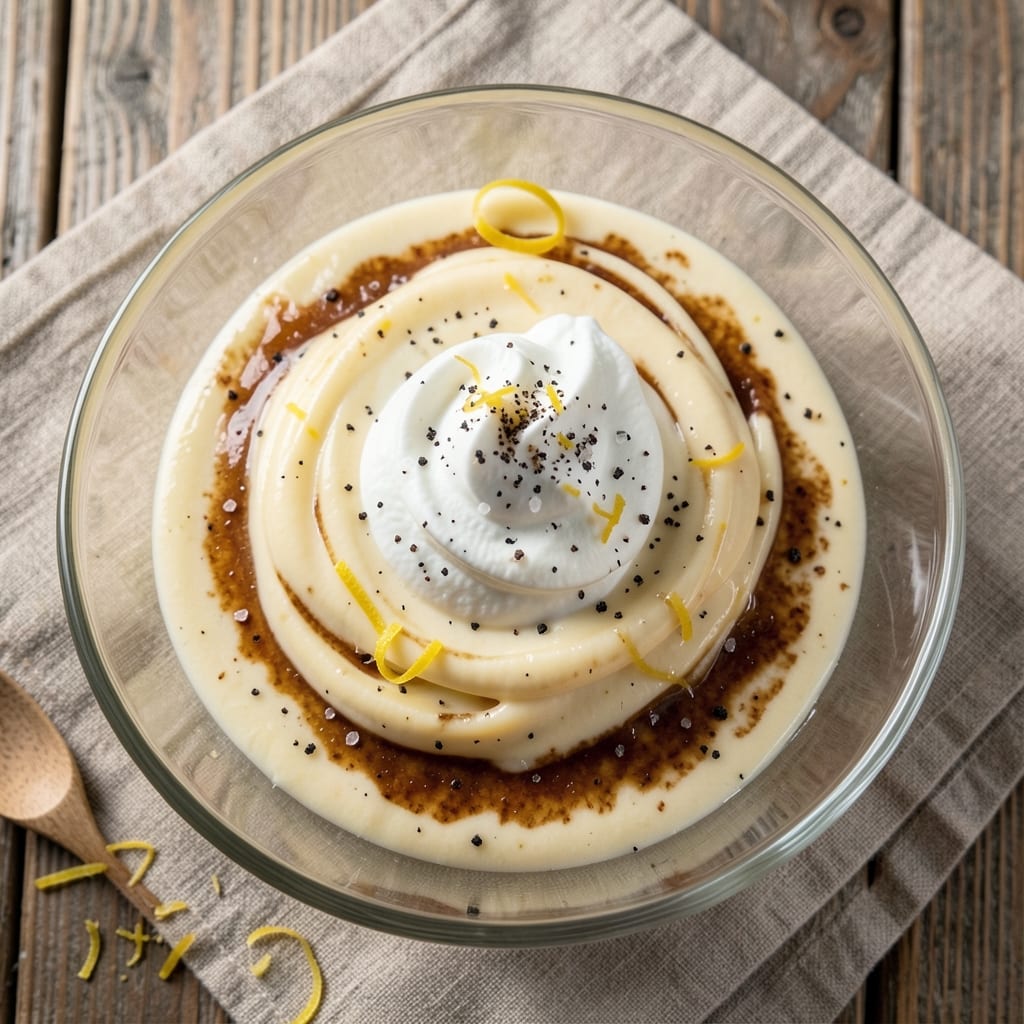
This cream egg sauce recipe transforms simple ingredients into a velvety, restaurant-quality sauce that elevates everything from pasta to roasted vegetables. The secret lies in tempering eggs with warm liquid—a technique that creates a smooth, rich consistency without curdling. I developed this version after years of testing, and it never fails to impress with its creamy texture and mild, buttery flavor.
What makes this sauce special is its versatility and foolproof method. With just five ingredients—eggs, butter, cream, a splash of milk, and a pinch of salt—you can achieve professional results in under 10 minutes. The key is patience: slowly whisking the eggs into the warm liquid ensures a silky finish that’s far superior to store-bought alternatives.
Once you’ve mastered the base, you can customize it with herbs like chives or parsley, a sprinkle of cheese, or a dash of lemon juice for brightness. The sauce keeps well in the refrigerator for up to 5 days, making it perfect for meal prep. Simply reheat gently on the stove, stirring constantly, and you’re ready to drizzle or dip.
Whether you’re serving it over pasta, using it as a dip for crusty bread, or drizzling it over roasted vegetables, this sauce adds a luxurious touch to any dish. The best part? It’s so simple, even beginners can achieve perfect results every time.
Ingredients for cream egg sauce
Five simple ingredients create this restaurant-quality sauce that's perfect for dipping or drizzling.
| Ingredient | Amount | Notes |
|---|---|---|
| Large Eggs 🥚 | 4 whole | Room temperature for best results |
| Unsalted Butter 🧈 | ½ cup | Cold, cubed for even melting |
| Heavy Whipping Cream 🥛 | 1 cup | Full-fat for maximum creaminess |
| Whole Milk 🥛 | ¼ cup | Warmed slightly before using |
| Diamond Crystal Kosher Salt 🧂 | ¼ tsp | Adjust to taste after blending |
| Fresh Lemon Juice 🍋 | 1 tbsp | Optional for brightness |
| Fresh Chives 🌿 | 2 tbsp | Chopped, for garnish |
| Parmesan Cheese 🧀 | ¼ cup | Freshly grated, optional |
The eggs are the star here—room temperature makes all the difference (no cold eggs, trust me). Butter matters too: European-style like Plugrá or Kerrygold melts smoother than regular brands. Heavy cream is non-negotiable for that luscious texture, but if you're watching calories, half-and-half works in a pinch. I grab my kosher salt from Trader Joe's—it's fine grain and dissolves perfectly. The key is patience: let everything warm gradually so the eggs don't scramble.
No heavy cream? Full-fat coconut milk or extra milk works (though texture will be lighter). Short on butter? Olive oil or vegan butter keeps it dairy-friendly without sacrificing richness. The lemon juice and chives are totally optional but take this from good to chef's kiss—I always keep a bottle of fresh lemon juice in the fridge for this exact purpose. For the Parmesan, grate it yourself from a wedge if you can—pre-shredded gets clumpy. Need it vegan? Swap the butter for vegan butter and use plant-based cream.
This sauce is a meal prep dream—stores perfectly for 5 days in the fridge, or 3 months frozen. For freezing, portion into ice cube trays first, then transfer to a bag. Reheat gently over low heat, stirring constantly (it thickens as it cools). I make double batches because it disappears faster than you'd think—perfect for pasta nights, roasted veggie dips, or even as a fancy egg dip at parties.
Why You'll Love This Recipe
- Five-Ingredient Magic: I swear by this—just eggs, butter, cream, milk, and salt. No fancy gadgets, no complicated steps. The butter melts into the eggs while the cream simmers low and slow, and honestly? That’s all it takes to make something feel like a restaurant dish.
- Rich Without Effort: The moment that creamy, velvety sauce coats your tongue—it’s pure satisfaction. The heavy cream and milk blend into something so smooth, yet the eggs add just enough body to make it feel substantial. Not too heavy, not too thin—just right.
- Dips Everything Better: Between us, this sauce turns ordinary meals into something special. Drizzle it over roasted veggies, toss it with pasta, or serve it alongside grilled chicken. My kids even ask for it on their plain toast—yes, really.
- Budget-Friendly Luxury: A single batch stretches across multiple meals without breaking the bank. The ingredients are pantry staples, and leftovers reheat beautifully. I’ve made this for date nights, lazy Sundays, and even as a quick dinner when I’m too tired to think. It’s my secret weapon.
Step-by-step instructions for cream egg sauce
This velvety sauce comes together faster than you'd think—just a few simple steps separate you from restaurant-quality richness.
Warm and Whisk the Eggs
Place the 4 whole Large Eggs in a heatproof bowl and set it over a pot of simmering water—this creates a gentle double boiler. Warm the eggs for 3-4 minutes until they reach 100°F, stirring constantly with a whisk. You want them just warm enough to blend smoothly but not hot enough to scramble.
Here's the thing—warming the eggs prevents them from curdling when you add the hot cream and butter. Keep the heat low and whisk vigorously as you go. Once the eggs are warmed, remove the bowl from the heat and let them cool slightly for 1 minute before proceeding.
Melt the Butter and Milk
In a separate saucepan, melt the ½ cup Unsalted Butter over medium-low heat until it's completely liquid but not browned. Remove from heat and stir in the ¼ cup Whole Milk—this helps temper the mixture and prevents lumps. Keep this warm but not simmering while you prepare the next component.
I like to use medium-low heat here because butter burns easily. If you see any brown spots developing, immediately reduce the heat or remove the pan. The butter should be smooth and fully melted, with no visible solids remaining.
Combine Gradually for Silky Smoothness
With the eggs still in their warm bowl, begin adding the melted butter and milk mixture very slowly—about 1 tablespoon at a time—while whisking constantly. This gradual approach is crucial; it ensures the eggs emulsify properly without curdling. The mixture should thicken slightly as you go.
After adding about half the butter-milk mixture, you'll notice the eggs begin to lighten in color. Keep whisking steadily—don't rush this step. The key is patience; if you add too much too quickly, you'll end up with scrambled eggs instead of sauce.
Add Cream and Finish Cooking
Now pour in the 1 cup Heavy Whipping Cream while whisking continuously over low heat. Cook the mixture for 3-4 minutes until it thickens enough to coat the back of a spoon. You're looking for a velvety consistency—not too thin, but not so thick it becomes gluey.
Taste and adjust seasoning with the ¼ teaspoon Diamond Crystal Kosher Salt. If using, stir in the 1 tablespoon Fresh Lemon Juice now for a bright finish. The sauce should be rich, smooth, and perfectly balanced in flavor. Remove from heat immediately once it reaches the desired thickness.
Finish with Garnish and Serve
Stir in the ¼ cup Parmesan Cheese (if using) and the 2 tablespoons Fresh Chives, reserving a few for garnish. The cheese adds depth while the chives bring freshness. For the best presentation, strain the sauce through a fine-mesh sieve to remove any potential lumps before serving.
This sauce is incredibly versatile—drizzle it over toasted bread, use it as a dip for crusty baguettes, or serve it alongside your favorite proteins. The secret to its success lies in the careful temperature control and constant whisking throughout the process.
Pro Tips For Making Cream Egg Sauce
- Whisk Eggs Cold: Crack eggs straight into the cold heavy cream and milk—no pre-whisking in a separate bowl. The cold liquid tempers the eggs and prevents curdling when you add the hot butter later. I learned this the hard way after watching a batch turn into scrambled eggs instead of silky sauce.
- Use Cold Butter: Cut unsalted butter into small cubes and add them one at a time to the simmering egg-cream mix. Cold butter melts slower, giving you time to whisk it into the sauce smoothly—hot butter dumps in all at once will separate your sauce faster than you can say "disaster." (Yes, I’ve done it.)
- Salt in Stages: Taste the sauce before adding the full salt measurement—Diamond Crystal runs stronger than table salt. Start with half, let it simmer 30 seconds, then adjust. Over-salting isn’t fixable, but under-salting is just a missed opportunity for flavor. (And no, "more cream" won’t save it.)
- Low and Slow Heat: Keep the sauce at a gentle simmer—tiny bubbles breaking the surface, not a rolling boil. High heat turns the cream grainy and the eggs rubbery. If it looks like it’s fighting you, lower the heat and whisk like your life depends on it. (It won’t, but your sauce will thank you.)
Pro cooking tips for perfect results
Temperature Control
This sauce relies on precise temperature management—the eggs must warm to 100°F but never exceed 120°F to avoid curdling. I use a thermometer (like the Thermoworks Thermapen) to monitor the eggs' temperature. If they get too hot, they'll scramble instead of emulsify. Keep the heat at low and whisk constantly to maintain even warmth throughout. 🌡️
Whisking Technique
Your whisk is your best friend here—constant, vigorous whisking prevents lumps and ensures a silky texture. Use a balloon whisk or French whisk for maximum aeration. Start whisking the eggs before adding the hot liquid, and keep it moving as you combine everything. If you stop whisking, the sauce will thicken unevenly or separate. I like to whisk in circular motions for about 10 seconds between each addition of liquid.
Butter Matters
Not all butter melts the same! For the smoothest sauce, use European-style butter like Plugrá or Kerrygold—they have higher fat content and melt more evenly. Avoid salted butter here since we're controlling the seasoning. Melt the butter gradually over medium-low heat and remove it from heat just before adding it to the eggs. If you see any brown spots, immediately reduce the heat to prevent burning. 🧈
Cream Consistency
The heavy whipping cream is non-negotiable for that luxurious texture, but if you're watching calories, half-and-half works in a pinch (though the sauce will be slightly lighter). Warm the cream to room temperature before adding it to the eggs—cold cream can cause the sauce to curdle. Pour it in a slow, steady stream while whisking continuously. If the sauce starts to thicken too quickly, add a splash of warm milk to loosen it up.
Acid Balance
A touch of lemon juice (or white wine vinegar) brightens the sauce and balances the richness. Start with 1 tablespoon and adjust to taste—too much can make the sauce curdle. If you're using dairy-free alternatives, add 1 extra tablespoon of lemon juice to compensate for the lack of natural acidity in plant-based creams. Taste as you go! The sauce should be rich but not heavy, with a clean finish. 🍋
Straining for Perfection
For the smoothest sauce, strain it through a fine-mesh sieve before serving. This removes any potential lumps or cooked egg bits, giving you that restaurant-quality finish. I use a stainless steel sieve because it won't retain flavors like plastic might. If you're in a hurry, a cheesecloth works too—just make sure it's dampened first to prevent sticking. This step is especially important if you're using pre-shredded cheese, which can get clumpy. ✨
Nutrition facts
Frequently asked questions
Can I make this sauce without heavy cream?
Yes, but the texture will be lighter. Use half-and-half (equal parts milk and cream) or full-fat coconut milk for a dairy-free option. For best results, warm the substitute to room temperature before adding it to the eggs. The sauce will still be creamy but slightly less rich.
Why did my sauce curdle?
Curdling happens when eggs get too hot too fast. Always warm eggs over a double boiler (never direct heat) to 100°F max, and add hot liquids 1 tablespoon at a time while whisking constantly. If it curdles, immediately remove from heat, whisk in 1 tablespoon cold milk, and strain through a fine-mesh sieve.
How can I use this sauce beyond dipping?
This versatile sauce elevates countless dishes! Drizzle over pasta, roasted vegetables, or mashed potatoes. Use it as a creamy base for egg dishes (like shakshuka or frittatas) or as a glaze for grilled meats. For extra richness, fold it into soups or mac and cheese. The possibilities are endless!
Can I make this sauce ahead of time?
This sauce keeps well in the fridge for 5 days in an airtight container. For longer storage, freeze it in ice cube trays, then transfer to a bag for up to 3 months. To reheat, warm over low heat, stirring constantly until smooth. Avoid microwaving—it can cause separation.
What’s the best whisk for this recipe?
A balloon whisk or French whisk works best for maximum aeration and smoothness. Avoid flat whisks—they won’t incorporate air as well. If you don’t have one, a hand mixer on low speed will work in a pinch, but whisking by hand gives you more control over the temperature and texture.