
Breakfast & Brunch
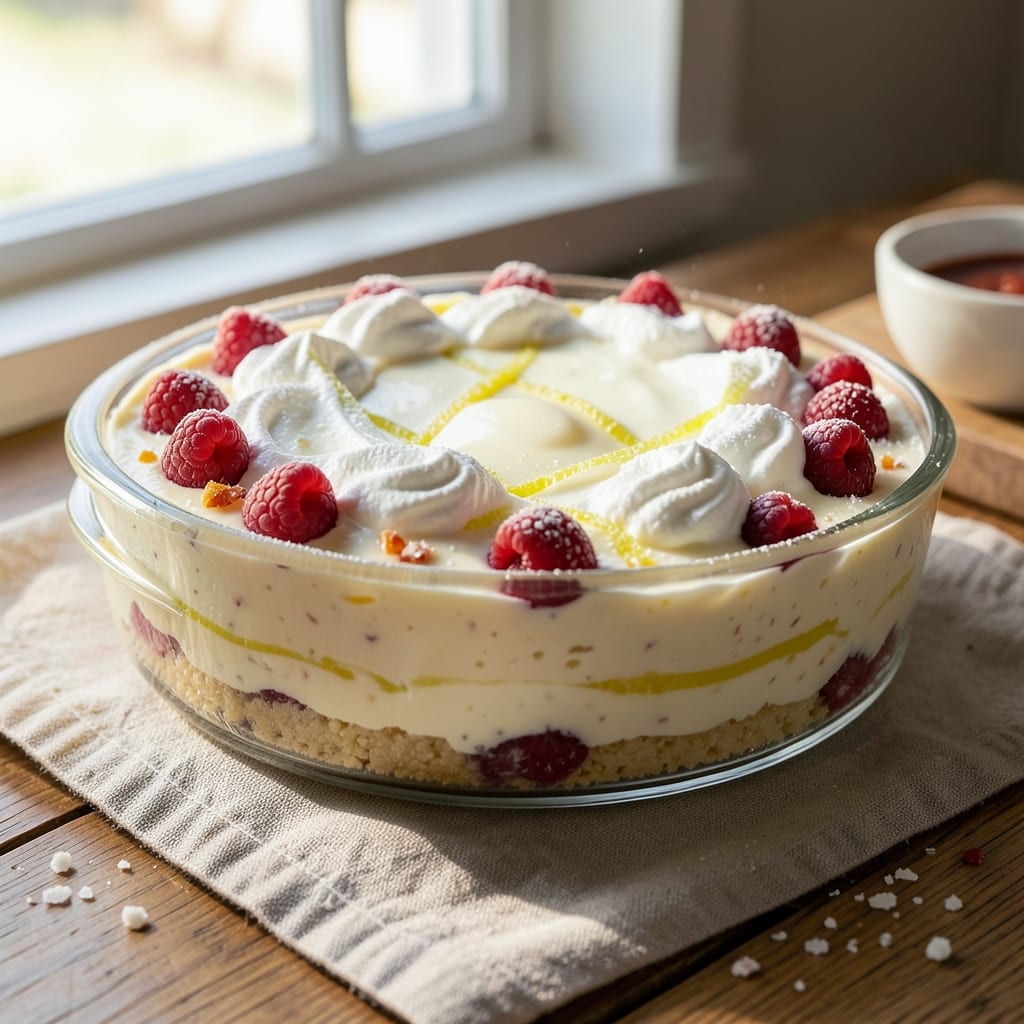
This cottage cheese Greek yogurt egg cheesecake delivers all the creamy richness of classic cheesecake with a protein-packed twist that keeps it light yet satisfying. 💛 The secret lies in blending cottage cheese and Greek yogurt for a texture that's impossibly smooth yet sturdy enough to hold its shape—no heavy cream or butter required. I developed this recipe after realizing traditional cheesecakes were too dense for my morning routine, and the result is a dessert that's equally perfect for breakfast or a guilt-free treat.
The beauty of this recipe is its no-bake approach, which eliminates the risk of cracking while still delivering that signature creamy center. A simple graham cracker crust provides structure, and the filling comes together in just 10 minutes of mixing before chilling overnight. The combination of cottage cheese and Greek yogurt creates a tangy-sweet flavor profile that's far more complex than you'd expect from a protein-focused dessert. Plus, it's naturally lower in sugar than traditional cheesecakes.
What you'll end up with is a cheesecake that's creamy yet firm, with a velvety texture that melts in your mouth rather than feeling heavy. The crust stays crisp at the edges while holding together perfectly, and the filling maintains its shape even when sliced. This isn't your grandmother's cheesecake—it's a modern, protein-rich version that proves healthy eating can still be indulgent. The best part? It requires no special equipment beyond a mixing bowl and refrigerator space.
Serve it plain for a clean-slate dessert, or top with fresh berries, a drizzle of honey, or a sprinkle of cinnamon for added flavor. The possibilities are endless, but the base recipe delivers consistently impressive results. Let's get started on creating this protein-packed twist on a classic favorite.
Ingredients for cottage cheese greek yogurt egg cheesecake
Protein-packed layers with no baking needed—just blend, chill, and enjoy.
| Ingredient | Amount | Notes |
|---|---|---|
| Large Eggs 🥚 | 4 whole | Room temperature for blending |
| Full-Fat Greek Yogurt 🥛 | 1 ½ cups | Plain, unsweetened, full-fat preferred |
| Small-Curd Cottage Cheese 🧀 | 1 ½ cups | 2% or full-fat for creaminess |
| Granulated Sweetener 🍯 | ½ cup | Sucralose blend or monk fruit |
| Vanilla Extract 🌿 | 1 tbsp | Pure, high-quality vanilla |
| Lemon Juice 🍋 | 2 tbsp | Freshly squeezed, for tang |
| Graham Cracker Crumbs 🍞 | 1 ½ cups | Honey or original flavor preferred |
| Melted Butter 🧈 | ½ cup | Unsalted, cooled slightly |
| Light Cream Cheese 🧀 | 8 oz | Softened for smooth blending |
| Powdered Sugar 🍚 | ¼ cup | For dusting graham crust |
| Unsalted Butter 🧈 | ¼ cup | Cold, for crust texture |
| Ground Cinnamon 🌿 | ½ tsp | Optional, for crust flavor |
| Pinch 🧂 | 1 pinch | Salt to balance sweetness |
The Greek yogurt and cottage cheese are the stars here. Full-fat versions create that signature creamy texture without heaviness, while the 2% cottage cheese keeps it light. I always grab Fage Greek yogurt from the refrigerated section—it's consistently thick and tangy. For cottage cheese, Organic Valley or Kroger brand work perfectly, but avoid the low-fat versions. The lemon juice is key for brightness, so use freshly squeezed. If you're watching sugar, Lakanto or Swerve blends mimic granulated perfectly without aftertaste.
No Greek yogurt? Plain vegan yogurt works too—just add an extra tablespoon of lemon juice for tang. Cottage cheese too thick? Blend it briefly with a splash of milk to smooth it out. The vanilla extract should be pure—none of that imitation stuff. For a quicker crust, pulse graham crackers in a food processor instead of crushing by hand. Trader Joe's honey graham crackers add subtle sweetness, but original flavor works fine. The light cream cheese is non-negotiable for structure—full-fat versions can be too rich for this delicate balance.
This cheesecake needs 8 hours minimum to set properly, but overnight is ideal. Wrap tightly in plastic and store for up to 5 days in the fridge. For make-ahead prep, assemble the crust 24 hours ahead and keep it in the freezer. The filling can be prepped a day in advance—just don't add the lemon juice until right before baking. Serving suggestions? Fresh berries or a drizzle of honey elevate it instantly. Leftovers? It reheats beautifully in the microwave for 10-second bursts—though honestly, it's best straight from the fridge.
Why You'll Love This Recipe
- Here’s what sold me: that first bite where the vanilla extract sings through the sweetener, but it’s not cloying—it’s balanced. The full-fat Greek yogurt keeps it tangy enough to cut through the richness, while the eggs add this subtle, custardy depth. Honestly? It tastes like a bakery cheesecake, but with half the guilt.
- I’ll be real: this recipe turns my fridge into a treasure chest. Cottage cheese and Greek yogurt are cheap, eggs are always on hand, and you can adjust the sweetener to taste. Plus, leftovers? They’re even better the next day—if there are any. My freezer’s seen this baked in a springform pan and reheated for breakfast, and it’s still spot-on.
Step-by-step instructions for cottage cheese Greek yogurt egg cheesecake
Here's how to create layers of protein-rich bliss without turning on the oven.
👨🍳 Step 1: Prepare the Graham Cracker Crust
In a medium bowl, combine the 1.5 cups graham cracker crumbs with the 0.25 cup cold unsalted butter and 0.5 tsp ground cinnamon. Use your fingers or a fork to work the mixture until it resembles wet sand—you want the butter evenly distributed but not melted. Press this firmly into an 8-inch springform pan, tapping the bottom gently to eliminate air pockets. Chill in the refrigerator while you prepare the filling.
I like to use a glass measuring cup to press the crust evenly. The key here is firm, even compression—this prevents crumbling later. If you notice any gaps, sprinkle extra crumbs and press again. This crust is your foundation, so take your time.
🥘 Step 2: Blend the Protein-Packed Filling
In a separate large bowl, combine the 4 whole large eggs, 1.5 cups full-fat Greek yogurt, 1.5 cups small-curd cottage cheese, 0.5 cup granulated sweetener, 1 tbsp vanilla extract, and 2 tbsp lemon juice. Use an electric mixer on medium speed for 2-3 minutes until completely smooth and homogeneous. The mixture should be thick but pourable—this is your signature protein blend that keeps this cheesecake light yet rich.
Here's the thing—don't skip blending the cottage cheese completely. Those little curds can make your cheesecake grainy if left unblended. If you notice any lumps after mixing, strain the batter through a fine-mesh sieve into a clean bowl to ensure absolute smoothness.
🍳 Step 3: Incorporate the Cream Cheese
Add the 8 oz light cream cheese to the egg mixture and blend on low speed until just combined. Be gentle here—you don't want to incorporate air bubbles that could cause cracks later. The mixture should be thick and smooth, resembling heavy pudding. Taste and adjust sweetness if needed, adding more sweetener if desired, but remember this is a protein-focused dessert.
I always use room-temperature cream cheese for this step. If yours is too cold, let it sit at room temperature for 15-20 minutes first. The cream cheese should blend in completely without any streaks. This is where the texture magic happens—the cream cheese adds that signature cheesecake richness while keeping it light thanks to the yogurt and cottage cheese.
⏰ Step 4: Assemble and Chill
Pour the filling over the chilled graham crust, spreading it evenly with a spatula. Dust the top with 0.25 cup powdered sugar for a beautiful finish. Cover the pan with plastic wrap and refrigerate for at least 6 hours, preferably overnight. This chilling time is crucial—it allows the proteins to fully set while maintaining that creamy texture we love.
Don't be tempted to rush this step. The longer it chills, the firmer it gets, which makes slicing much easier. I like to set a timer for the minimum 6 hours so I don't forget. The cheesecake should be firm but still slightly jiggly in the center when you remove it from the fridge—this indicates perfect doneness.
🍽️ Step 5: Serve and Enjoy
Run a knife around the edge of the springform pan to loosen the cheesecake. Release the sides gently and slide it onto a serving plate. Slice into 8 equal portions—this protein-packed dessert serves perfectly for a crowd or meal prep. The texture should be silky smooth with a perfect balance of tangy Greek yogurt, creamy cottage cheese, and rich cream cheese.
Here's where it gets fun—top with fresh berries or a dollop of whipped cream if you're feeling indulgent. The lemon juice in the filling gives it a subtle brightness that pairs beautifully with any fruit topping. Store leftovers in the fridge for up to 5 days, though I doubt they'll last that long!
Pro Tips For Making Cottage Cheese Greek Yogurt Egg Cheesecake
- Drain the Cottage Cheese: The small-curd kind holds more liquid than you’d think—skip draining, and your batter will be watery. Use a fine-mesh sieve or clean kitchen towel to press it for 10 minutes before mixing, and you’ll end up with a thicker, creamier texture that actually sets right.
- Whisk Eggs Until Ribbon-Thin: Overmixed? Under-mixed? Neither. Beat the eggs until they hold a slow ribbon when the whisk is lifted—about 2-3 minutes by hand. Too little air means a dense cake; too much introduces pockets that collapse during baking.
- Preheat Pan and Oven: Cold pans and lukewarm ovens are the silent killers of this recipe. Heat your springform pan in the oven for 5 minutes first, then crank the oven to 325°F (160°C) before adding the batter. That 10-minute head start guarantees even rising instead of a sunken center.
- Strain the Yogurt Mix: Greek yogurt’s tang can overpower the sweetness if you don’t tame it first. Line a sieve with cheesecloth, pour in the yogurt, and let it drain for 15 minutes. The result? A smoother, milder base that lets the vanilla and sweetener shine without fighting for flavor.
Wine and beer pairings for this dish
Sweet White Wine
For this protein-packed cheesecake, a crisp Sauvignon Blanc from New Zealand or Loire Valley is my go-to choice. The bright acidity and citrus notes cut through the richness of the Greek yogurt and cottage cheese, while floral undertones complement the vanilla beautifully. Look for wines with 12-13% ABV—this range balances the dessert's sweetness without overpowering it. 🍷
Light Red Options
If you prefer red wine, a Pinot Noir from Oregon or Burgundy offers an elegant pairing. The red fruit flavors and silky tannins harmonize with the cheesecake's tangy-sweet profile, while the wine's acidity keeps your palate refreshed. Opt for a 12.5% ABV or lower to avoid clashing with the dessert's delicate texture. The lighter body prevents the wine from feeling heavy alongside the protein-rich layers.
Sparkling Pairings
A dry Prosecco or Cava adds a festive touch while cleansing your palate between bites. The bubbles and citrus notes create a refreshing contrast to the creamy cheesecake, making it perfect for special occasions. I especially love pairing this with a chilled Brut Nature—the minimal sweetness lets the cheesecake's flavors shine. Sparkling wine also works beautifully when served as a dessert course after a meal.
Beer Recommendations
For beer lovers, a Belgian Witbier like Hoegaarden or St. Bernardus Wit is an unexpected but brilliant match. The coriander and orange peel notes in these beers complement the cheesecake's vanilla and lemon flavors beautifully. Alternatively, a light lager such as Corona or Heineken provides a crisp, clean contrast that highlights the dessert's tangy-sweet profile. Avoid heavy ales or stouts—they can overpower the delicate balance of this protein-packed treat.
Non-Alcoholic Options
Don't overlook non-alcoholic pairings! A sparkling apple cider with a hint of tartness mirrors the cheesecake's lemon brightness. For something more tropical, try a ginger beer—the spicy kick enhances the vanilla and yogurt flavors. Even a well-chilled green tea with a touch of honey can be surprisingly refreshing alongside this dessert. The key is balancing the cheesecake's tangy-sweetness with complementary acidity or effervescence. 💫
Nutrition facts
Frequently asked questions
Can I make this cheesecake without a springform pan?
Yes! Use an 8-inch round cake pan instead—just grease it thoroughly with butter or oil and line the bottom with parchment paper. After chilling, run a knife around the edges to loosen, then invert onto a plate. The crust may be slightly more delicate, so handle gently when releasing from the pan.
Why is my cheesecake too soft after chilling?
This usually happens from either under-chilling (less than 6 hours) or using room-temperature cream cheese that didn't set properly. For firmer texture, chill for 8+ hours and ensure your cream cheese is cold (not room temp) when mixing. The Greek yogurt and cottage cheese combo needs time to fully coagulate.
Can I substitute Greek yogurt with sour cream?
You can try, but the texture will differ significantly. Sour cream is thicker and less tangy, which may make your cheesecake denser. Use 1:1 ratio but add an extra 1 tbsp lemon juice to mimic the yogurt's brightness. For best results, stick with Greek yogurt—it's what creates that signature light, creamy texture.
How do I prevent cracks in the top?
Cracks happen when air bubbles form during mixing or the cheesecake bakes too quickly (even though this is no-bake). To avoid them:
- Don't overmix after adding cream cheese—just blend until combined.
- Dust the top with powdered sugar before chilling to create a barrier.
- Chill in the fridge (not freezer) for even setting. If cracks appear, cover with whipped cream or fruit topping!
Is this cheesecake safe for meal prep?
This recipe is perfect for meal prep—it holds up well for 5 days in the fridge. Portion into single servings and store in airtight containers. The texture remains creamy but firm, making it ideal for breakfast or post-workout snacks. Just