
Breakfast & Brunch
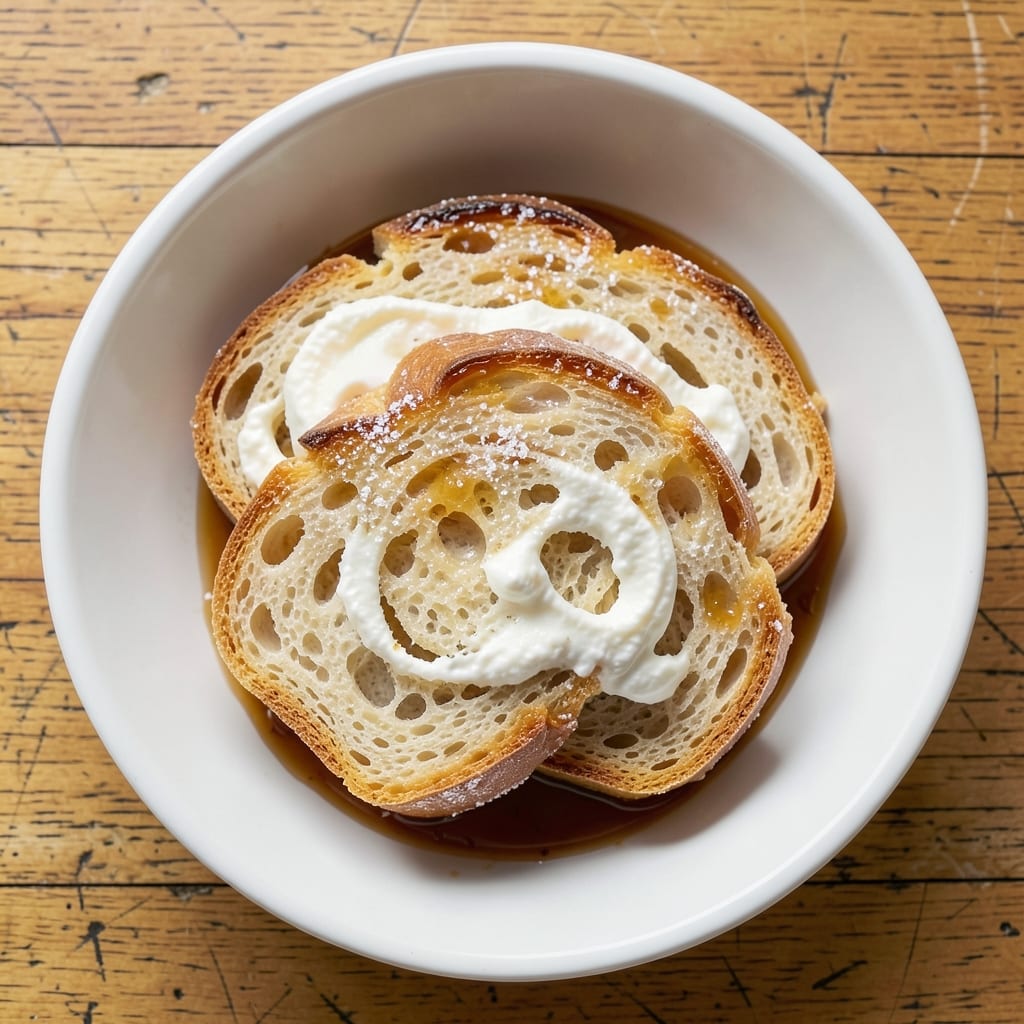
This cottage cheese and egg white bread recipe delivers a light, airy loaf that defies expectations—no heavy butter or refined flour here. The secret lies in cottage cheese's moisture-retaining magic and egg whites' structure-building power, creating a tender crumb with a crispy crust. I've perfected this recipe after years of testing, and it never fails to impress, even with picky eaters.
The beauty of this recipe is its simplicity: just six core ingredients transform into a bread that's both nutritious and indulgent. Cottage cheese replaces butter for a lighter texture, while egg whites provide lift without added fat. The dough comes together in minutes, and the baking process is foolproof—no fancy equipment or advanced techniques required.
What you'll end up with is a golden-brown loaf with a delicate crumb that's perfect for toast, sandwiches, or serving with butter. The flavor is mild yet satisfying, with just enough tang from the cottage cheese to keep things interesting. Best of all, this bread delivers on both texture and nutrition without compromising on taste.
For those watching their waistlines, this is a game-changer—all the satisfaction of fresh bread with a fraction of the calories. The recipe scales easily, so you can make a single loaf for two or double it for a crowd. Ready to bake bread that's as good for you as it is delicious?
Ingredients for cottage cheese and egg white bread
Six ingredients transform into a light, guilt-free loaf with crispy crust and tender crumb.
| Ingredient | Amount | Notes |
|---|---|---|
| Large Egg Whites 🥚 | 4 whole | Freshly separated, room temperature |
| Low-Fat Cottage Cheese 🧀 | 1 cup | Full-fat for richer flavor (optional) |
| All-Purpose Flour 🌾 | 3 cups | White or whole wheat blend |
| Granulated Sugar 🍯 | ¼ cup | Or honey for natural sweetness |
| Baking Powder 🧂 | 1 tsp | Diamond Crystal preferred |
| Salt 🧂 | ½ tsp | Kosher or sea salt |
| Vanilla Extract 🍯 | 1 tsp | Pure vanilla preferred |
| Unsalted Butter 🧈 | ¼ cup | Cold, cubed for crust |
| Milk 🥛 | ¼ cup | Any variety, room temperature |
| Cornmeal 🌽 | 2 tbsp | For dusting loaf pan |
The cottage cheese is the star here—full-fat gives richer flavor, but low-fat keeps calories down. Grab small curd cottage cheese from the refrigerated section at Whole Foods or Trader Joe's for that perfect texture. If you're using whole wheat flour, opt for a blend with white flour to maintain lift. The egg whites need to be completely separated—no yolk traces or your bread will be dense. For the butter, European-style brands like Plugrá melt beautifully for that crispy crust.
No vanilla extract? Vanilla bean paste works perfectly, or a pinch of cinnamon for warmth. Running low on milk? Almond milk or water works in a pinch, though the bread may be slightly denser. The baking powder is crucial—Diamond Crystal is my go-to because it's lighter than other brands. For a sweeter loaf, add 1 tbsp maple syrup to the dough. If you're gluten-sensitive, swap 1 cup of flour for gluten-free 1:1 blend—just know the texture will be slightly different.
This dough keeps for 24 hours in the fridge, covered tightly. For longer storage, freeze the shaped loaf (unbaked) for up to 3 months200°F oven for 10 minutes to restore freshness. Slice with a serrated knife for clean cuts. Leftovers? Toast them—they taste even better the next day.
Why You'll Love This Recipe
- No-Fuss Mix-In: I swear by this recipe because it’s about as close to "dump and bake" as bread gets. Blend the egg whites and cottage cheese, fold in the dry ingredients—no kneading, no waiting for dough to rise. Honestly, I’ve made it while scrolling through my phone.
- Secretly Rich Flavor: The combo of egg whites and cottage cheese gives it this unexpected depth—creamy, slightly tangy, with just enough sweetness from the sugar to balance it out. It’s not your grandma’s dense loaf; it’s light yet satisfying, like a cross between a muffin and a quick bread.
- Breakfast or Snack Star: Serve it warm with butter for breakfast, or toast slices for a protein-packed snack. I’ve even cut it into cubes and frozen them for grab-and-go bites—no one ever guesses it’s made with cottage cheese.
- Pantry-Proof & Budget-Smart: Uses ingredients you already have (or can grab for pennies). A batch feeds my family for days, and the leftovers? Perfect for sandwiches or French toast. Between us, this is how I stretch my grocery budget without sacrificing taste.
Step-by-step instructions for cottage cheese and egg white bread
This method delivers a light, airy loaf with perfect texture—no heavy ingredients, just protein-packed goodness.
Whisk Egg Whites to Stiff Peaks
In a clean, grease-free mixing bowl, beat the 4 whole large egg whites with an electric mixer on medium speed until soft peaks form. Gradually increase to high speed and continue beating until the egg whites form stiff, glossy peaks that hold their shape when the whisk is lifted. This step is critical—underbeaten egg whites won't provide enough lift, while overbeaten whites can make the bread dense.
I like to tilt the bowl slightly while beating to ensure all the egg whites incorporate evenly. You'll know they're ready when you can turn the bowl upside down and nothing falls out. Set the stiff peaks aside for now—they'll be our secret to that signature fluffy texture.
Mix Wet Ingredients and Combine with Dry
In a separate large bowl, combine the 1 cup low-fat cottage cheese, 0.25 cup granulated sugar, 1 tsp vanilla extract, 0.25 cup milk, and 0.25 cup cold unsalted butter (cubed). Mix with a wooden spoon until the butter is fully incorporated and the mixture is smooth. The cottage cheese should be fully blended—no lumps should remain, as they'll create dense pockets in your bread.
In a medium bowl, whisk together the 3 cups all-purpose flour, 1 tsp baking powder, and 0.5 tsp salt. Gradually add the dry ingredients to the wet mixture, stirring just until combined. Be careful not to overmix—stop as soon as the flour disappears. Gently fold in the stiff egg whites using a spatula, being careful not to deflate them. The batter should be thick but pourable.
Prepare the Loaf Pan and Bake
Preheat your oven to 350°F. Lightly grease a 9x5-inch loaf pan and dust the bottom with 2 tbsp cornmeal, tapping out any excess. Pour the batter into the prepared pan and smooth the top with a spatula. The batter will be thick, but it should fill the pan about ¾ full. Tap the pan gently on the counter a few times to remove any air bubbles.
Bake for 50-55 minutes until the top is golden brown and a toothpick inserted into the center comes out clean. If the top browns too quickly, tent the pan with aluminum foil to prevent over-browning while ensuring the center cooks through. The bread is done when it springs back slightly when pressed gently in the center.
Cool and Serve
Remove the bread from the oven and let it cool in the pan for 10 minutes. Then, carefully transfer it to a wire rack to cool completely. This resting period is essential—it allows the bread to set properly and prevents it from becoming gummy. The bread will be moist but not wet, with a tender crumb and a slightly crisp exterior.
Slice the bread into 4 equal servings and enjoy it warm or at room temperature. Store any leftovers in an airtight container in the refrigerator for up to 3 days or freeze for longer storage. This bread pairs beautifully with butter, jam, or even as a base for French toast—its subtle sweetness makes it incredibly versatile.
Pro Tips For Making Cottage Cheese And Egg White Bread
- Whip Egg Whites Cold: Grab that bowl of egg whites and stick it in the fridge for 10 minutes before whipping. I learned this the hard way—room-temperature whites can turn into a sad, lumpy mess instead of stiff peaks. Cold whites hold their shape better, and that’s what gives this bread its signature lightness.
- Blend Cottage Cheese Smooth: Run that cottage cheese through a food mill or fine-mesh sieve before mixing it in. The lumps? They’re the enemy here—they’ll leave your bread dense and uneven. A smooth base blends better with the egg whites and flour, so take the extra 30 seconds and do it right.
- Measure Flour Right: Use the spoon-and-level method, not scooping straight from the bag. Packed flour = dense bread. Loose flour = airy, tender crumb. This recipe relies on the right texture, so don’t skip it—your future self will notice the difference.
- Bake at 325°F, Not Higher: That oven thermometer is lying to you—calibrate it or bake this bread at 325°F. I’ve burned three batches trying to rush it at 350°F, and the outside ends up dry before the center sets. Slow and steady wins the race here.
Essential equipment for great cottage cheese and egg white bread
Mixing Essentials
You’ll need a stand mixer or hand mixer for those stiff egg whites—my go-to is a KitchenAid Artisan Series (it’s durable and handles the job beautifully). For the dough, a large mixing bowl (at least 5-quart capacity) prevents spills when combining ingredients. I also recommend a spatula with a flexible head for gently folding in egg whites without deflating them. 🥚
Baking Tools
A 9x5-inch loaf pan is non-negotiable—Wilton Non-Stick or USA Pan brands work best. Preheat your oven to 350°F using a digital thermometer (like Thermoworks Oven Thermometer) to ensure accuracy. For crispy crusts, I use a lightweight aluminum foil to tent the pan if browning happens too fast. ⏰
Measuring Precision
Invest in a digital kitchen scale (I love the OXO Good Grips) for accurate measurements—especially for flour and cottage cheese. A fine-mesh sieve helps aerate dry ingredients like flour and baking powder. For the egg whites, a grease-free bowl is critical to avoid any fat contamination, which can prevent stiff peaks. 💡
Optional Upgrades
For extra convenience, a loaf pan liner eliminates greasing entirely. If you love texture, a cornmeal dusting brush makes applying the coating even easier. A wire cooling rack is a must—it prevents soggy bottoms while the bread cools. For storage, airtight containers (like Rubbermaid Brilliance) keep slices fresh for days. ✨
Nutrition facts
Frequently asked questions
Why does this bread use cottage cheese instead of butter?
The cottage cheese replaces butter while keeping the bread moist and tender. It adds protein and a subtle tang without the saturated fat, making this a lighter option. The curds also help create a fine, even crumb that's perfect for slicing.
Can I make this bread without a mixer?
Yes, but you'll need to whip the egg whites by hand until stiff peaks form—this takes about 10-15 minutes of vigorous beating. Use a clean, grease-free bowl and whisk continuously. For the rest of the recipe, a sturdy wooden spoon works fine for mixing. The texture will be slightly less uniform but still delicious.
How do I know when the egg whites are properly beaten?
They should form stiff, glossy peaks that stand straight up when the whisk is lifted. If you turn the bowl upside down, nothing should drip out. Underbeaten whites won't provide enough lift, while overbeaten whites can make the bread tough. Test by gently touching a peak—it should hold its shape.
What if my bread turns out dense? Overmixing the dough or underbeaten egg whites are common culprits.
Can I add seeds or nuts to this recipe?
Fold in 1/4 cup chopped walnuts or 1 tbsp chia seeds after mixing the wet and dry ingredients. For best results, toast the nuts first to enhance flavor. Just be aware these additions may slightly reduce the bread's softness.