
Breakfast & Brunch
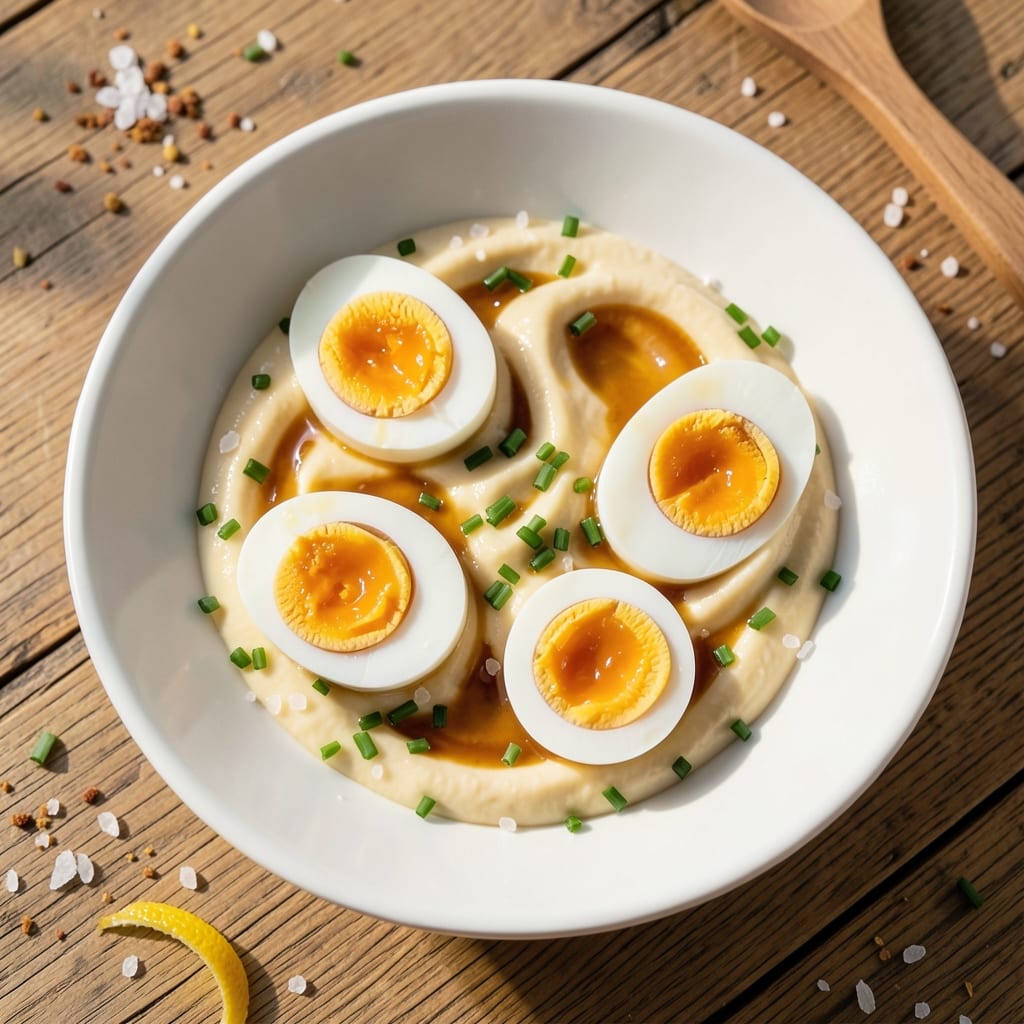
This cooked whole egg mayonnaise recipe transforms simple ingredients into a velvety, stable emulsion without raw egg risks—perfect for those who prefer food safety or have dietary restrictions. The key lies in properly cooking whole eggs until fully set, then blending them with oil and acid in precise ratios to create a smooth, creamy texture that rivals traditional mayo. Unlike raw egg versions, this method eliminates foodborne concerns while delivering rich, tangy flavor every time.
The process begins with hard-cooked eggs, which are peeled, blended into a smooth paste, and gradually combined with oil while whisking vigorously to trap air and create that signature mayonnaise consistency. A touch of vinegar or lemon juice provides the necessary acidity to stabilize the emulsion, while Dijon mustard adds depth and prevents separation. The result is a mayo that's just as creamy and flavorful as store-bought, but with the flexibility to customize with herbs, spices, or even a hint of garlic.
What makes this recipe truly versatile is its ability to adapt to any culinary need—whether you're dressing sandwiches, drizzling over salads, or using it as a base for creamy dips. The cooked egg method also means you can prepare it ahead of time and store it safely in the refrigerator for up to a week, making it ideal for meal prep or batch cooking. No special equipment is required beyond a blender or food processor, ensuring accessibility for home cooks of all skill levels.
The finished product delivers a silky, glossy texture with a balanced tang that enhances every dish it touches. Unlike traditional mayo, this version holds up beautifully in hot applications, like drizzling over baked potatoes or mixing into warm soups, without breaking. For those who love mayo but want to avoid raw eggs, this recipe is a game-changer—offering the same rich, creamy satisfaction with none of the risks.
Ingredients for cooked whole egg mayonnaise
Eight simple ingredients create a stable, creamy mayo without raw egg risks.
| Ingredient | Amount | Notes |
|---|---|---|
| Large Eggs 🥚 | 4 whole | Hard-boiled, peeled, chilled |
| Extra-Virgin Olive Oil 🫒 | 1 cup | Light or medium for neutral flavor |
| White Vinegar 🍋 | 1 tbsp | Distilled preferred for clarity |
| Dijon Mustard 🌶️ | 1 tbsp | For stability and depth |
| Granulated Sugar 🍯 | ½ tsp | Balances acidity |
| Kosher Salt 🧂 | ½ tsp | Adjust to taste |
| Lemon Juice 🍋 | 1 tsp | Freshly squeezed for brightness |
| Water 💧 | 1 tbsp | For thinning if needed |
The eggs are the foundation—hard-boil them until the yolks are completely set (no runny centers) for a smooth emulsion. Store-bought hard-boiled eggs work in a pinch, but freshly cooked ones yield the best texture. For the olive oil, light or medium varieties are ideal—they won’t overpower the delicate balance of flavors. The vinegar and lemon juice are critical for acidity, which stabilizes the emulsion. I always use distilled white vinegar because it’s less likely to leave an aftertaste. If you prefer a milder tang, swap half the vinegar for lemon juice.
No Dijon mustard? Yellow mustard at double the amount works, though it may be slightly sweeter. Short on sugar? A pinch of honey (if vegetarian) or omit entirely—the mayo will still emulsify, just with less balance. The salt is non-negotiable for flavor, but adjust to taste—some brands of mustard or vinegar are saltier than others. For a garlic-infused version, add 1 tsp minced garlic (or ½ tsp garlic powder) to the blend. If the mayo breaks during blending, add water 1 tsp at a time until it recombines—this is normal and easily fixed.
Store the finished mayo in an airtight container in the fridge for up to 1 week. The texture may thicken slightly when chilled—just give it a whisk or shake before using. For best results, let it sit at room temperature for 10 minutes before blending. If you’re making a large batch, divide it into smaller containers to prevent spoilage. The flavor actually improves after 24 hours as the ingredients meld together. Avoid using metal utensils if you notice any metallic off-flavors—stick to glass or plastic.
Why You'll Love This Recipe
- No Fuss, No Fail: I swear by this method—just hard-boil eggs, then blend them with olive oil until silky. No tempering, no stress, and zero risk of curdling. Honestly, it’s the only mayo I trust anymore.
- Rich Without Guilt: That slow-simmered egg yolk? Pure decadence, but the olive oil keeps it bright and fresh. The sugar and vinegar cut through the richness just enough to make it addictive—like a hug for your sandwich.
- Meal Prep MVP: Make a big batch on Sunday, and you’ve got mayo for sandwiches, salads, and even deviled eggs all week. It keeps for days in the fridge, and honestly? I’ve never had mayo last this long without turning weird.
- Budget-Friendly Luxury: Fresh eggs and olive oil feel fancy, but this costs a fraction of store-bought. Between us, I’d rather spend $3 on ingredients than $6 on a jar that’s half water anyway. Plus, the flavor? Worth every penny.
Step-by-step instructions for cooked whole egg mayonnaise
Master this foolproof method for a stable, velvety mayonnaise without raw egg risks.
Prepare the Egg Yolk Base
Crack the 4 whole Large Eggs (hard-boiled and peeled) into a heatproof bowl. Place this bowl over a saucepan filled with about 2 inches of simmering water, ensuring the bottom of the bowl doesn't touch the water. This gentle heat will warm the yolks to 160°F while preventing curdling.
Stir the yolks constantly with a whisk for 3-4 minutes until they thicken noticeably and become pale yellow. You'll notice the mixture transform from a thin liquid to a ribbony, slightly viscous paste—this is your stable emulsion foundation. Remove the bowl from the heat immediately to prevent overheating, which would scramble the yolks.
Gradually Incorporate the Olive Oil
Slowly drizzle in the 1 cup Extra-Virgin Olive Oil while whisking vigorously in one direction. Start with a very thin stream and gradually increase the flow as the mixture begins to emulsify. The key is patience—adding oil too quickly will break the emulsion and create a greasy separation.
After about 5 minutes, the mixture should thicken into a creamy, mayonnaise-like consistency. If it looks too thick, add 1 tablespoon Water drop by drop while whisking continuously. The emulsion should hold its shape when you lift the whisk—this indicates proper incorporation. If it breaks, start over with fresh yolks and a smaller amount of oil.
Season and Stabilize the Emulsion
Add the 1 tablespoon Dijon Mustard, 1 tablespoon White Vinegar, 0.5 teaspoon Granulated Sugar, 0.5 teaspoon Kosher Salt, and 1 teaspoon Lemon Juice to the thickened base. Whisk everything together until fully combined and smooth. The mustard acts as an emulsifier, while the vinegar and lemon juice balance the richness of the oil.
Taste and adjust seasoning—you may need an additional pinch of salt or sugar depending on your preference. The sugar helps counteract the acidity from the vinegar and lemon, creating a well-rounded flavor profile. At this stage, the mayonnaise should be thick, glossy, and stable enough to hold its shape when spooned.
Test for Stability and Storage
Transfer the finished mayonnaise to a clean, airtight container. Let it cool to room temperature before refrigerating. This emulsion will keep for up to 1 week in the refrigerator, making it a safer alternative to traditional raw egg mayonnaise.
For best results, stir before using as the layers may separate slightly during storage. If it thickens too much, whisk in a teaspoon of water to restore its original consistency. This method guarantees a silky texture and eliminates any risk of salmonella while maintaining all the classic mayonnaise qualities you love.
Pro Tips For Making Cooked Whole Egg Mayonnaise
- Cook Eggs Slowly: Simmer the whole eggs in water at 160°F (71°C)—not boiling—for 10-12 minutes. I learned this the hard way: boiling them turns the yolks rubbery, and you end up with a mayo that tastes like eggy glue. A thermometer is worth it here.
- Whisk Mustard First: Mix the Dijon mustard into the warm yolks before adding oil—it emulsifies faster and keeps the mayo from breaking. I used to add it last, and the texture always felt uneven. Trust me, this is the thing that matters most for stability.
- Strain Through Fine Mesh: After cooking, strain the yolks through a fine-mesh sieve into the oil-vinegar mixture. The extra filtration removes any stray bits that can make your mayo grainy. (Yes, it’s tedious, but your future self will thank you.)
- Use Cold Yolks: Let the cooked yolks cool to room temperature before blending—hot yolks can turn your mayo into a greasy mess. I skipped this once, and the result was a sad, separated pile. Patience here saves cleanup later.
Health benefits of cooked whole egg mayonnaise
Protein Powerhouse
This mayo packs a nutritional punch with 12 grams of protein per ¼ cup serving—more than traditional mayo made with raw eggs. The whole eggs provide all nine essential amino acids, supporting muscle repair and immune function. Since the eggs are fully cooked, you get these benefits without foodborne risks. 💪
Healthy Fat Benefits
The extra-virgin olive oil used here delivers monounsaturated fats that support heart health by reducing LDL cholesterol. A single serving contains about 14 grams of healthy fats, which help with nutrient absorption and provide sustained energy. Unlike many commercial mayos, this version avoids hydrogenated oils while maintaining that signature creamy texture.
Digestive Advantages
Cooking the eggs first makes this mayo easier to digest for those with mild egg sensitivities. The heat treatment breaks down some proteins that might otherwise cause discomfort. The addition of Dijon mustard also aids digestion by stimulating stomach acid production. Plus, the absence of raw eggs eliminates potential allergic reactions for sensitive individuals.
Low-Calorie Option
At just 90 calories per ¼ cup, this homemade version is significantly lighter than most store-bought mayos which can exceed 150 calories per serving. The careful balance of olive oil, vinegar, and lemon juice creates a flavorful emulsion without excessive calories. You can further reduce calories by using light olive oil instead of extra-virgin.
Vitamin Boost
Each serving provides vitamin D (about 10% of daily value) and choline from the eggs, both important for brain health and metabolism. The lemon juice adds vitamin C (about 2% daily value), supporting collagen production and immune function. Unlike many processed mayos, this version retains these natural nutrients through gentle cooking methods.
Shelf-Stable Safety
The fully cooked egg base makes this mayo commercially safe for up to 7 days in the refrigerator, unlike traditional mayo which needs to be consumed within 2-3 days. This extended shelf life is perfect for meal prep and eliminates concerns about bacterial contamination. The acidity from vinegar and lemon juice further preserves freshness while enhancing flavor stability.
Nutrition facts
Frequently asked questions
Can I use this mayo in hot dishes like baked potatoes or soups?
Yes! This cooked whole egg mayo holds up beautifully in warm applications. The fully cooked eggs and stable emulsion prevent separation better than traditional mayo. Just add it at the end of cooking to maintain texture—it won't curdle like raw egg versions might.
What's the best way to fix broken mayo during blending?
If your emulsion breaks, don't panic! Add 1 teaspoon water at a time while whisking continuously. The water helps reform the emulsion by diluting the oil concentration. Start with fresh yolks and add oil more slowly next time to prevent this.
How does this compare to traditional mayo in flavor?
The flavor is nearly identical to classic mayo, though slightly richer due to whole eggs instead of just yolks. The Dijon mustard adds depth, while the vinegar and lemon provide that signature tang. Some notice a slightly more robust texture from the cooked egg base.
Can I make this without a blender?
Use a whisk and a bowl over simmering water to warm the yolks, then slowly drizzle oil while whisking vigorously. It takes more elbow grease (about 10-15 minutes of constant whisking), but you'll achieve the same creamy result with proper technique.
Is this mayo safe for kids or pregnant women?
Yes, this is completely safe! The fully cooked eggs eliminate any salmonella risk, making it perfect for vulnerable groups. The acidity from vinegar and lemon juice also provides additional food safety. Just ensure all ingredients are fresh and stored properly.