
Breakfast & Brunch
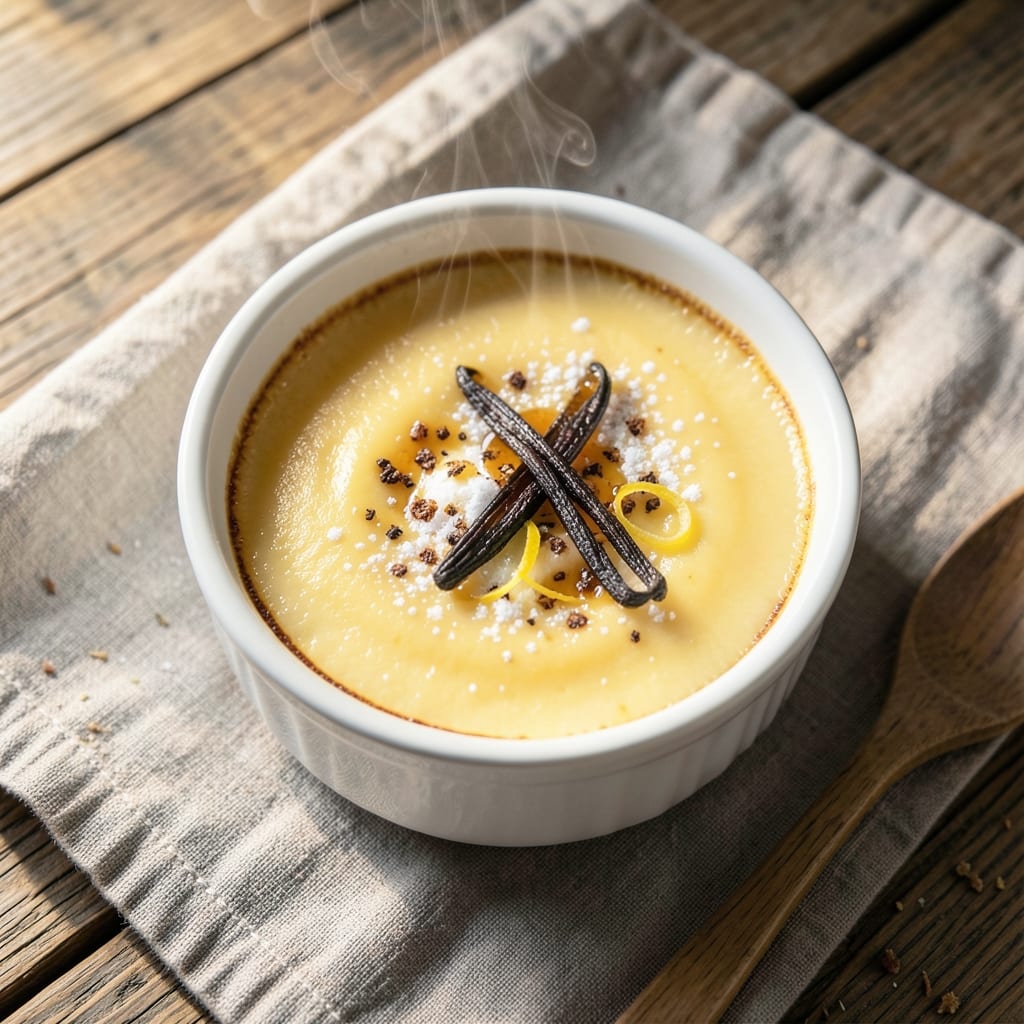
This cooked egg custard recipe delivers the perfect balance of silky-smooth texture and golden, caramelized top—ideal for breakfast or dessert. The secret lies in tempering the eggs properly to avoid curdling, creating a velvety finish that's both elegant and comforting. I've perfected this technique over years, ensuring every batch turns out flawlessly, whether you bake or steam it.
The foundation of great custard starts with a simple yet precise method: whisking eggs and cream together gently, then slowly incorporating hot milk to temper them. This careful process prevents lumps and guarantees a silky result. Baking at a low temperature allows the custard to set evenly, while a final broil creates that signature golden top without overcooking.
What you'll achieve is a rich, creamy custard with a delicate custard-like texture that melts in your mouth. The golden top adds a subtle caramelized depth, making it perfect for serving alone or with fruit compote, caramel drizzle, or a sprinkle of cinnamon. It's the kind of dish that elevates any meal with minimal effort.
This recipe works beautifully for brunch, dessert, or even a light dinner—its versatility makes it a staple in any kitchen. Whether you're a beginner or an experienced cook, the step-by-step instructions ensure success every time. Let's get started!
Ingredients for cooked egg custard
Six simple ingredients transform into velvety custard with a golden, caramelized finish.
| Ingredient | Amount | Notes |
|---|---|---|
| Large Eggs 🥚 | 6 whole | Room temperature for even cooking |
| Heavy Whipping Cream 🥛 | 1 ½ cups | Full-fat for rich texture |
| Whole Milk 🥛 | 2 cups | Warm to 180°F before tempering |
| Granulated Sugar 🍚 | ½ cup | Adjust to taste for sweetness |
| Vanilla Extract 🌿 | 1 tbsp | Pure vanilla preferred |
| Unsalted Butter 🧈 | 2 tbsp | Cold, cubed for topping |
| Cinnamon 🍃 | ½ tsp | Ground, for garnish |
| Salt 🧂 | ¼ tsp | Fine sea salt for balance |
| Cornstarch 🌾 | 1 tbsp | Prevents curdling |
Eggs are the heart of custard—use large, fresh eggs for optimal texture. Room temperature eggs blend more evenly, preventing lumps. The heavy whipping cream adds richness, but don’t substitute with lighter cream. For the milk, whole milk works best, though 2% milk can be used in a pinch—just reduce the cream slightly to maintain thickness. Trader Joe's or Whole Foods carry high-quality dairy, but any reputable grocery store should suffice. The sugar should be granulated, not powdered, to ensure proper dissolution.
No vanilla extract? Vanilla bean paste or almond extract works in a pinch, though the flavor will differ slightly. For a dairy-free option, coconut cream replaces heavy cream (use 1:1 ratio), but the texture will be lighter. The cornstarch acts as a stabilizer—don’t skip it, as it prevents curdling during the tempering process. If you’re sensitive to gluten, ensure your cornstarch is certified gluten-free. The cinnamon is optional but adds warmth; substitute nutmeg or cardamom for variation—just halve the amount.
Store leftover custard in an airtight container in the fridge for up to 5 days, though it’s best enjoyed within 2 days for peak texture. To reheat, gently warm in the microwave for 20-30 seconds or bake at 300°F until warmed through. For make-ahead convenience, prepare custards in individual ramekins and refrigerate until ready to bake. The custard freezes beautifully for up to 3 months—thaw overnight in the fridge before reheating to preserve its silky consistency.
Why You'll Love This Recipe
- No Whisk Arm Fatigue: I mix the eggs, cream, and milk in one bowl—no straining, no sifting, no fuss. The vanilla and sugar dissolve in seconds, and honestly? That’s half the battle won before you even turn on the stove.
- Silky Smooth Payoff: That creamy, jiggly texture? Pure magic. The custard sets just right—not too firm, not too runny—thanks to the heavy cream and whole milk working together. Drizzle with caramel or eat it plain; either way, it’s dangerously addictive.
- Breakfast to Dessert: Make a big batch on Sunday and use it all week. Scramble it into omelets, swirl it into pancakes, or serve it chilled with berries. My kids ask for it more than cereal, and that’s saying something.
- Leftovers That Don’t Suck: Unlike baked custards that dry out, this one stays luscious for days. Store it in the fridge, reheat gently, or even freeze it in portions—no weird textures, just rich, velvety perfection every time. Budget-friendly? Absolutely. Waste-free? Even better.
Step-by-step instructions for cooked egg custard
Mastering this custard comes down to precise timing and gentle heat—here's how to achieve that signature silky texture every time.
Temper the Egg Mixture for Perfect Texture
In a medium saucepan, combine the 2 cups whole milk and 1.5 cups heavy whipping cream over medium-low heat. Warm until reaching 180°F—this prevents curdling when mixed with eggs. Meanwhile, in a separate bowl, whisk together the 6 whole large eggs, 0.5 cup granulated sugar, 1 tbsp vanilla extract, 0.25 tsp salt, and 1 tbsp cornstarch until smooth and pale.
Slowly pour the warm milk mixture into the egg bowl while whisking constantly. This tempering process raises the egg temperature gradually, ensuring a silky finish rather than scrambled eggs. Return the entire mixture to the saucepan and whisk gently to combine completely. The custard should now be smooth and slightly thickened from the cornstarch.
Cook on Gentle Heat Until Thickened
Place the saucepan back over low heat and cook the custard, stirring constantly with a wooden spoon or silicone spatula. You're aiming for a gentle simmer—small bubbles should form at the edges but not throughout the entire mixture. This typically takes 15-20 minutes, but watch closely as timing varies by stove.
The custard is done when it coats the back of a spoon and leaves a clean trail when you draw your finger through it. If it thickens too quickly, immediately remove from heat and let it sit for 2-3 minutes to prevent overcooking. Overcooked custard becomes grainy, so patience here is key.
Strain and Finish for Ultimate Smoothness
Strain the custard through a fine-mesh sieve into a clean bowl to remove any potential lumps. This step guarantees that silky texture promised in the title. Return the strained custard to the saucepan and cook for an additional 2-3 minutes over low heat to ensure all raw egg is fully cooked—this brings the internal temperature to 165°F for food safety.
Remove from heat and stir in the 2 tbsp cold unsalted butter, cut into small cubes. The butter should melt completely, adding richness and preventing a skin from forming on the surface. Cover the bowl with plastic wrap pressed directly onto the surface to maintain a smooth finish.
Chill and Serve with Perfect Garnish
Let the custard cool to room temperature, then refrigerate for at least 4 hours or overnight. This chilling step develops the custard's signature texture. When ready to serve, dust the surface lightly with 0.5 tsp ground cinnamon for a warm finish—this complements the vanilla flavor beautifully.
Serve chilled in small ramekins or directly from the bowl. The custard should be completely smooth with a velvety mouthfeel, not grainy or rubbery. For an extra touch, top with whipped cream or fresh berries to balance the sweetness. Properly stored, this custard keeps for up to 5 days in the refrigerator.
Pro Tips For Making Cooked Egg Custard
- Whisk Eggs Like a Pro: Beat the eggs and sugar until the mixture is thick and pale—think ribbon-like streaks when you lift the whisk. I used to rush this, but skipping it means your custard will either curdle or taste raw. (Yes, even if you’re impatient like me.)
- Temper the Cream: Warm the heavy cream and milk together over low heat until it’s just steaming—about 160°F (70°C)—before slowly pouring it into the egg mixture. After burning one batch, I learned: cold liquid shocks the eggs, and that’s when things go wrong.
- Strain for Smoothness: Pour the custard through a fine-mesh sieve into your baking dish. It’s messy, but it removes any stray egg bits that’ll make your custard grainy. (Your future self will thank you.)
- Bake at 325°F: Preheat the oven to 325°F (160°C)—not 350°F—and bake the custard in a water bath for 45–55 minutes. I was skeptical until I tried it: lower heat prevents the top from browning before the center sets, and that’s when custards turn rubbery.
Troubleshooting your cooked egg custard
Curdling Crisis?
If your custard looks lumpy or grainy, you’ve likely over-tempered or added hot liquid too quickly. Fix it fast: Whisk in 1 tbsp cold heavy cream and 1 tbsp cornstarch while cooking over low heat for 2-3 minutes. The cornstarch acts as a stabilizer, smoothing out texture. If lumps persist, strain through a fine-mesh sieve immediately after cooking. 💡
Too Thin or Watery?
Undercooked custard often results from insufficient thickening time. Return the strained custard to the saucepan and cook over low heat for an extra 5 minutes, stirring constantly. If it still feels thin, mix 1 tsp cornstarch with 1 tbsp cold water, whisk into the custard, and cook until thickened. Avoid high heat—it risks curdling. For prevention, always cook until it coats the back of a spoon.
Skin Forming on Top?
A skin develops when custard sits uncovered or cools too quickly. Prevent it by pressing plastic wrap directly onto the surface while cooling. If a skin forms, whisk vigorously over low heat until smooth, then strain again. For extra insurance, stir in 2 tbsp cold butter at the end—it adds richness and prevents skin formation.
Overcooked and Grainy?
Overcooked custard becomes grainy and loses its silky texture. Rescue it by blending with ½ cup cold heavy cream until smooth, then reheat gently over low heat while stirring constantly. To avoid this, remove the custard from heat the moment it coats the spoon and let it sit for 2-3 minutes before straining. Patience is key—don’t rush the thickening process.
Burnt or Scorched Bottom?
This happens when the custard sits too long on the stove or in ramekins. Prevent it by using a water bath (bain-marie) for baked custards or ensuring your saucepan is wide enough to avoid direct heat contact. If it happens, carefully scrape off the burnt layer and strain the custard through a fine-mesh sieve to remove any scorched particles. For future batches, always use low heat and monitor closely.
Weak Vanilla Flavor?
If your custard tastes bland, the vanilla may not have infused properly. Boost the flavor by simmering the milk and cream with ½ vanilla bean (split and scraped) for 5 minutes before tempering the eggs. Alternatively, add 1 extra tbsp vanilla extract after cooking and let it steep for 10 minutes before serving. For a deeper flavor, use high-quality pure vanilla extract like McCormick Pure Vanilla or Nielsen-Massey.
Nutrition facts
Frequently asked questions
Can I make this custard without cornstarch?
You can try, but cornstarch is key for that signature silky texture. Without it, your custard may become slightly thinner or more prone to curdling. For a substitute, use 1 tbsp arrowroot powder or 1 tsp gelatin (for a firmer set)—both work similarly but alter the final consistency slightly.
How do I know when the custard is fully cooked?
The custard is done when it coats the back of a spoon and leaves a clean trail when you draw your finger through it. It should reach an internal temperature of 165°F. If it thickens too quickly, remove from heat immediately and let it sit for 2-3 minutes to prevent overcooking.
Can I bake this custard instead of cooking it on the stove?
For baked custard, pour the tempered mixture into ramekins and place them in a 350°F oven in a water bath for 30-40 minutes. The water bath ensures even cooking and prevents curdling. Finish with a quick broil for 1-2 minutes to get that golden top.
Why did my custard turn out grainy?
Grainy custard usually means it was overcooked or stirred too vigorously. To fix it, blend with ½ cup cold heavy cream until smooth, then reheat gently while stirring. For prevention, remove the custard from heat as soon as it coats the spoon and strain it before serving.
What are the best toppings for this custard?
Classic options include a sprinkle of ground cinnamon or toasted nuts, but you can also get creative! Try a drizzle of caramel sauce, fresh berries, or even a dusting of cocoa powder. For a savory twist, pair it with a drizzle of honey and flaky sea salt.