
Breakfast & Brunch
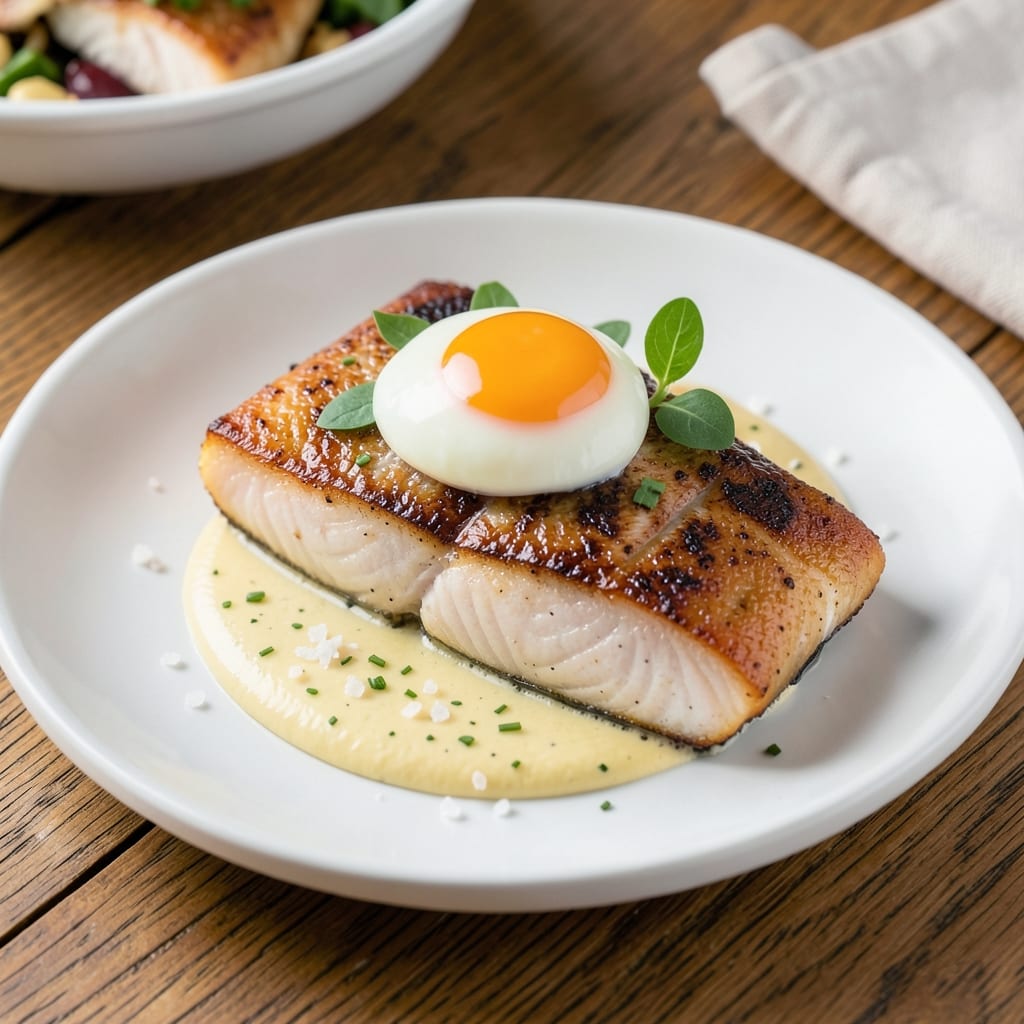
This cod and poached egg recipe delivers a restaurant-worthy breakfast with crispy pan-seared fish and perfectly round yolks that stay intact. The secret lies in high-heat searing for the cod—just 3-4 minutes per side—and a precise poaching technique using vinegar and ice water to keep those yolks plump. I developed this dish after years of perfecting the balance between tender fish and silky eggs, ensuring every bite is both satisfying and elegant.
The beauty of this recipe is its versatility—it works as a weekend brunch centerpiece or a quick weeknight meal when paired with buttery toast and a drizzle of hollandaise. The cod stays moist thanks to a light seasoning of salt, pepper, and lemon zest, while the eggs achieve that coveted runny-yolk perfection. What makes this dish truly special is how the textures contrast: the crispy, golden fish against the velvety eggs creates a harmony that’s impossible to resist.
Plating is where the magic happens—arrange the cod on a warm plate, nestle the poached egg beside it, and garnish with fresh herbs or a squeeze of lemon. The result is a dish that looks as impressive as it tastes, with no complicated techniques required. This recipe proves that breakfast can be both refined and approachable, perfect for those who love seafood but want something beyond the usual fried eggs and bacon.
Once you master the poaching and searing, you’ll find endless ways to adapt this dish—swap the cod for halibut, add a spicy salsa verde, or serve it with roasted potatoes for a heartier meal. The key is confidence in the technique, and I promise, after just a few tries, you’ll achieve that perfect balance of crispy, tender, and silky every time.
Ingredients for cod and poached egg
Crispy cod and silky eggs. Just twelve ingredients for a restaurant-worthy brunch.
| Ingredient | Amount | Notes |
|---|---|---|
| Cod Fillets 🐟 | 2 pieces | Skin-on, 6-8 oz each |
| Large Eggs 🥚 | 4 whole | Fresh, cold from fridge |
| Unsalted Butter 🧈 | 4 tbsp | European-style preferred |
| White Vinegar 🍶 | ¼ cup | For poaching liquid |
| Ice Cubes ❄️ | 1 cup | Fresh from freezer |
| Kosher Salt 🧂 | 1 ½ tsp | Fine grain preferred |
| Freshly Ground Black Pepper 🌶️ | ½ tsp | Freshly cracked |
| Lemon Zest 🍋 | 1 tsp | From 1 organic lemon |
| Fresh Dill 🌿 | 2 tbsp | Chopped, for garnish |
| Extra-Virgin Olive Oil 🫒 | 1 tbsp | For finishing |
| Water 💧 | 4 cups | Filtered preferred |
| Sliced Lemon 🍋 | 2 slices | For serving |
The cod is everything here. Skin-on fillets give you the perfect crispy texture—skip the skin if you're impatient, but trust me, it's worth it. Grab the freshest you can find at Whole Foods or your local seafood counter. Look for fillets with a vibrant color and minimal fishy smell. If you're not near a seafood market, Trader Joe's or Costco usually have good quality frozen cod that thaws beautifully. Pat the fillets dry with paper towels before cooking—this ensures maximum crispiness. I always buy a little extra and freeze portions for quick meals later in the week.
No fresh dill? Substitute with parsley or chives—they won't give the same anise flavor, but they'll add freshness. Running low on vinegar? White wine or apple cider vinegar works just as well for poaching. The eggs are non-negotiable though—fresh, cold eggs poach perfectly, while older eggs spread too much. For the poaching liquid, I use a mix of water, vinegar, and ice cubes—this keeps the whites firm and yolks round. If you're feeling fancy, add a pinch of sugar to the poaching water to help set the whites faster. The butter matters too—European-style has a higher fat content, giving you that perfect golden crust on the cod.
Keep your eggs in the fridge until you're ready to poach—cold eggs poach better. The cod can be prepped ahead: season and refrigerate for up to 4 hours before cooking. Once cooked, serve immediately for that restaurant-quality presentation. The poached eggs stay good for 1 hour if covered with warm water, but honestly, they're best eaten right away. Store any leftover cod in an airtight container for 1 day, though I rarely have leftovers—this dish disappears fast!
Why You'll Love This Recipe
- Here’s what sold me: that first bite of perfectly seared cod—crisp edges, tender inside—then the runny yolk sliding right into the flaky fish. Honestly, I’ve never met a breakfast-for-dinner combo that hits harder.
- Five-Ingredient Magic: I swear by this—just cod, eggs, butter, vinegar, and ice. That’s it. The vinegar trick for poaching? Game over for sad, flat eggs. The butter melts into the pan, turning everything golden and rich without a single extra step.
- Crispy-Creamy Balance: Here’s what sold me: that first bite of perfectly seared cod—crisp edges, tender inside—then the runny yolk sliding right into the flaky fish. Honestly, I’ve never met a breakfast-for-dinner combo that hits harder.
- Weeknight or Weekend: Between us, this works for lazy Mondays or fancy dinner parties. Serve it with toasted sourdough and a squeeze of lemon for a 10-minute meal, or dress it up with microgreens and chili flakes for a restaurant-worthy plate. No judgment either way.
Step-by-step instructions for crispy cod and perfect poached eggs
This method delivers restaurant-quality results every time—crispy fish skin and silky egg yolks.
Prepare the Poaching Water and Season the Cod
In a medium saucepan, combine the 4 cups water, 0.25 cup white vinegar, and 1 cup ice cubes. Bring to a gentle simmer over medium-low heat—you want small bubbles breaking the surface, not a rolling boil. The acidity from the vinegar helps the eggs coagulate cleanly, while the ice keeps the water temperature stable.
While the water heats, pat the 2 pieces cod fillets dry with paper towels. Season both sides generously with 1.5 tsp kosher salt and 0.5 tsp freshly ground black pepper. Let them sit at room temperature for 10 minutes—this ensures even cooking and maximum crispiness. I like to sprinkle a pinch of lemon zest over each fillet too; it adds a bright contrast to the rich fish.
Sear the Cod to Golden Perfection
Heat a large skillet over medium-high heat until it's smoking hot. Add 2 tbsp of the unsalted butter and let it melt completely, then swirl to coat the pan evenly. Place the cod fillets skin-side down and press gently with a spatula for 10 seconds—this prevents curling and ensures even contact. Cook undisturbed for 3-4 minutes until the skin is deep golden brown and crispy.
Flip carefully and cook the other side for 2-3 minutes until the flesh is opaque throughout and flakes easily with a fork. The butter should be bubbling but not smoking—if it burns, reduce the heat slightly. Transfer the cod to a warm plate and tent loosely with foil to keep warm while you poach the eggs.
Poach the Eggs to Silky Perfection
Crack the 4 whole large eggs into small bowls or ramekins. One at a time, gently slide an egg into the simmering water. The water should be at a bare simmer with tiny bubbles—if it's too active, the eggs will scatter. Use a spoon to stir the water gently around each egg to create a gentle current that helps the whites wrap neatly around the yolks.
Poach for exactly 3 minutes. The whites should be set but still slightly translucent around the edges, and the yolks should remain completely liquid. Use a slotted spoon to remove each egg and drain briefly on a paper towel to remove excess water. Keep them warm in a bowl lined with a clean kitchen towel while you finish the dish.
Finish and Plate with Confidence
Return the skillet to medium heat and add the remaining 2 tbsp unsalted butter. Let it melt completely, then swirl in the 1 tbsp extra-virgin olive oil. Tilt the pan to coat the bottom evenly—this creates a silky base for the eggs. Add the 2 tbsp chopped fresh dill and cook for 30 seconds until fragrant.
To plate, place each cod fillet on a warmed plate. Nestle a poached egg gently on top of each fillet, spooning some of the buttery dill oil around the base. Finish with a squeeze of the 2 slices sliced lemon and an extra sprinkle of black pepper. The contrast of crispy skin, tender fish, and runny yolks is what makes this dish truly special.
Pro Tips For Making Cod And Poached Egg
- Use Vinegar Sparingly: A splash of white vinegar in the poaching water keeps the eggs centered, but too much makes the cod taste sour. Start with 1 tablespoon per liter of water—adjust only if your eggs keep drifting. (And yes, I’ve ruined a batch by overdoing it.)
- Pat Cod Dry Before Cooking: Wet cod steams instead of searing, and that’s a fast track to bland fish. Press the fillets between paper towels for 30 seconds—this ensures a crispy crust when you hit the pan with butter. I learned this the hard way after serving mushy cod to guests who noticed.
- Poach Eggs in Room-Temp Water: Cold water from the tap shocks the eggs and makes them fight you for shape. Fill your pot with warm (not hot) water first, then add ice cubes to lower the temp gradually. Your eggs will hold together like they’re supposed to—no sad, waterlogged yolks.
- Cook Cod Skin-Side Down: The skin crisps faster than the flesh, and that’s where the texture magic happens. Lay the fillets skin-side down in the butter for 2 minutes before flipping—this guarantees a golden crust while the inside stays tender. (Flip too soon, and you’re left with sad, limp fish.)
Health benefits of cod and poached egg
Lean Protein Power
Cod delivers high-quality protein with just 120 calories per 3-ounce serving—perfect for a light yet satisfying brunch. The 6-8 ounce fillets in this recipe provide about 36 grams of protein, supporting muscle repair and keeping you full for hours. Unlike heavier meats, cod contains minimal saturated fat, making it ideal for heart-healthy diets. 💪
Omega-3 Benefits
This mild white fish is packed with omega-3 fatty acids—essential for reducing inflammation and supporting brain health. A 3-ounce serving contains about 500mg of omega-3s, which helps lower triglycerides and may reduce the risk of heart disease. I always opt for wild-caught cod when possible, as it tends to have higher omega-3 levels than farmed varieties.
Egg Nutrition Boost
The 4 large eggs in this recipe provide 13 grams of protein each, along with vitamin D, choline, and B vitamins that support energy metabolism. The yolks contain lutein and zeaxanthin, antioxidants that promote eye health. Using fresh, cold eggs ensures maximum nutrient retention while achieving that perfect silky texture.
Low-Calorie Brilliance
The entire dish clocks in at just ~450 calories per serving, making it a guilt-free indulgence. The lemon zest and fresh dill add bright flavors without extra calories, while the European-style butter enhances richness without overpowering. This balance makes it perfect for those watching their waistline but craving something restaurant-worthy. ✨
Vitamin Boost
You'll get a vitamin B12 boost from both the cod and eggs—critical for nerve function and red blood cell production. The lemon slices add vitamin C, while the olive oil provides vitamin E, creating a nutrient powerhouse. This dish is essentially a one-plate multivitamin that tastes as good as it performs.
Digestive Benefits
Cod is easy to digest, making it gentle on your stomach while providing selenium—a mineral that supports thyroid function and immune health. The vinegar in the poaching water aids digestion and helps the eggs cook more evenly. For an extra digestive boost, serve with steamed greens or a side of roasted asparagus to round out the meal.
Nutrition facts
Frequently asked questions
Can I substitute cod with another type of fish?
Halibut, haddock, or even mahi-mahi work beautifully with this technique. The key is choosing a firm, white fish that holds its shape well when seared. Avoid delicate fish like flounder or sole—they tend to fall apart. For a richer flavor, try adding a pinch of smoked paprika to the seasoning.
Why are my poached eggs turning out greasy or breaking apart?
This usually happens when the water is too hot or the eggs are too warm. Use ice cubes in your poaching water to keep it at a gentle simmer, and always crack cold eggs directly into the simmering water. Also, make sure your vinegar is white—not balsamic or apple cider—and keep the water moving gently with a spoon.
How do I keep the cod from sticking to the pan?
Pat the fillets completely dry with paper towels before seasoning—moisture is the enemy of crispy skin! Let them sit at room temperature for 10 minutes before cooking, and use a very hot, well-oiled skillet. Press the fillets gently with a spatula for 10 seconds when you first place them in the pan to prevent curling.
Can I make this dish ahead of time?
You can prepare the cod up to 4 hours ahead and refrigerate it seasoned, but cook it fresh for the best texture. The poached eggs are best made fresh—they lose their silky texture if held too long. If you need to prep ahead, assemble the dish just before serving and keep the cod warm in a low oven (200°F) while you poach the eggs.
What's the best way to reheat leftover cod?
Never microwave cod—it turns rubbery. Instead, reheat gently in a skillet over medium-low heat with a pat of butter for 2-3 minutes per side. For poached eggs, they're best eaten fresh, but if you have leftovers, gently warm them in a bowl of warm water for 30 seconds to maintain their texture.