
Sauces & Condiments
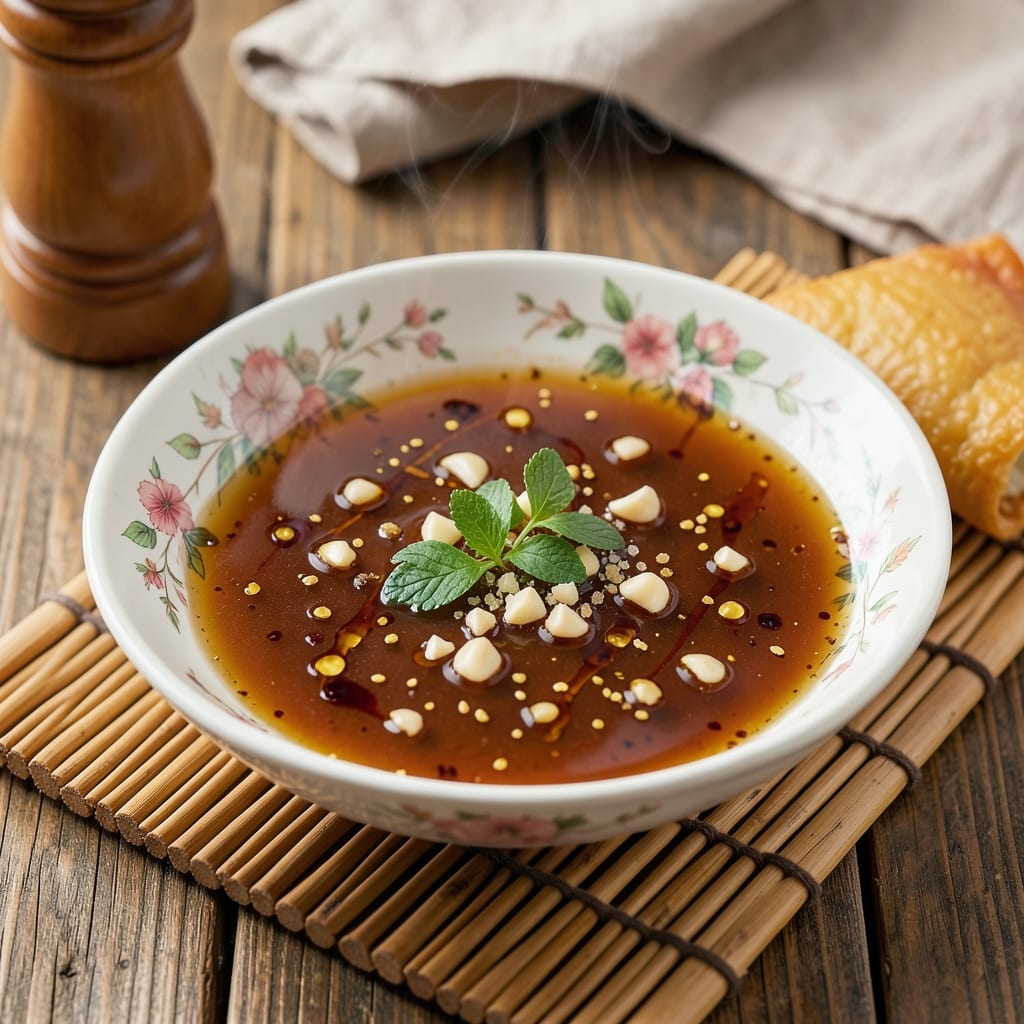
This Chinese restaurant egg roll sauce recipe delivers the same addictive balance of sweet, tangy, and umami flavors you crave. The secret lies in a simple combination of soy sauce, vinegar, sesame oil, and a touch of sugar—simmered until perfectly balanced and ready to elevate any takeout experience. I've perfected this sauce over years of testing, ensuring it's restaurant-quality without requiring special ingredients.
The magic happens when you simmer the sauce just until the flavors meld together, creating a glossy, aromatic dipping sauce that clings to every crispy bite. What makes this recipe special is its versatility—it works equally well with store-bought egg rolls, homemade spring rolls, or even as a marinade for stir-fry vegetables. The sauce keeps beautifully in the refrigerator for up to two weeks, making it perfect for meal prep.
By the time you taste the first dip, you'll understand why this sauce is a game-changer. The sweetness from the sugar and honey balances the tangy vinegar, while the soy sauce and sesame oil provide that unmistakable umami depth. It's the kind of sauce that transforms ordinary takeout into a flavorful feast, and it's easier to make than you might think.
Whether you're serving a crowd or just craving that perfect dipping sauce, this recipe delivers consistent results every time. The ingredients are simple, the process is straightforward, and the flavor is undeniably restaurant-quality. Let's get started on creating your own batch of this irresistible egg roll sauce.
Ingredients for chinese restaurant egg roll sauce
Seven core ingredients transform into the perfect egg roll dipping sauce—simple but packed with restaurant-quality flavor.
| Ingredient | Amount | Notes |
|---|---|---|
| Light Soy Sauce 🍶 | ½ cup | Kikkoman preferred for authentic flavor |
| Rice Vinegar 🍶 | ¼ cup | Seasoned variety adds depth |
| Sesame Oil 🫒 | 1 tbsp | Toasted sesame oil for aroma |
| Granulated Sugar 🍚 | 2 tbsp | White sugar for balanced sweetness |
| Honey 🍯 | 1 tbsp | Wildflower for floral notes |
| Garlic Cloves 🧄 | 2 cloves | Minced for subtle garlic flavor |
| Ginger Root 🌿 | 1 tsp | Freshly grated for zing |
| Water 💧 | ¼ cup | For thinning consistency |
| Cornstarch 🌾 | ½ tsp | For thickening if needed |
| Red Pepper Flakes 🌶️ | ¼ tsp | Optional for subtle heat |
The soy sauce is non-negotiable—Kikkoman is my go-to, but any light soy works. Grab a bottle of seasoned rice vinegar from the Asian aisle for that extra tang. Sesame oil? Toasted is key—it's what gives that nutty aroma. I always double-check the honey label for pure wildflower (no additives). The ginger and garlic should be fresh—no powdered substitutes here. For the cornstarch, Bob's Red Mill is my brand of choice, but any food-grade cornstarch works. Pro tip: if you can't find toasted sesame oil, lightly toast regular sesame oil in a pan for 30 seconds and let it cool before using.
No Kikkoman? La Choy or Diamond light soy sauces work in a pinch. Running low on honey? Maple syrup at half the amount gives similar sweetness. The cornstarch can be swapped for arrowroot powder if you've got it. Want more heat? Add Sichuan peppercorns (lightly toasted) instead of red pepper flakes. The sauce should be glossy and coat the back of a spoon—if it's too thick, add a splash of water. Too thin? Simmer longer or add more cornstarch slurry. For a vegetarian version, ensure your soy sauce is vegan (some contain fish).
This sauce keeps like a dream—up to 2 weeks in the fridge in an airtight jar. The flavors actually improve over time, so make extra. For freezing, portion into ice cube trays, then transfer to a bag. Thaw overnight in the fridge and stir well. If the surface dries out, just add a teaspoon of water and stir. I always keep a jar in my fridge for spontaneous egg roll nights—one batch lasts me a month with regular takeout cravings.
Why You'll Love This Recipe
- Pantry Magic: I swear by this sauce because it’s made with stuff I always have: just a splash of soy, a drizzle of honey, and a whisper of sesame oil. No specialty shopping, no stress—just open, measure, mix.
- Umami Bomb: That first bite of egg rolls with this sauce? The light soy and honey create this perfect balance—salty, sweet, and just a little tangy from the rice vinegar. It’s the kind of flavor that makes you go back for more without even thinking.
- Weeknight Hero: Between us, this is my secret weapon for lazy nights. Toss it with takeout egg rolls, stir-fry leftovers, or even drizzle it over noodles. It turns whatever you’re serving into something that feels special—no extra effort required.
- Budget Stretch: A little goes a long way, and since it’s just five basic ingredients, it’s one of those recipes that’s kind to my wallet. Plus, the leftovers keep for weeks in the fridge, so I’m always covered for last-minute cravings.
Step-by-step instructions for Chinese restaurant egg roll sauce
This sauce is where the magic happens—simple ingredients transform into that addictive, tangy-sweet dip.
Combine Wet Ingredients for the Base
In a medium saucepan, pour in the 0.5 cup light soy sauce and 0.25 cup rice vinegar. Add the 2 tablespoons granulated sugar and 1 tablespoon honey, stirring until everything dissolves completely. I like to use a wooden spoon for this—it helps scrape up any sugar that might cling to the sides.
Next, add the 2 cloves minced garlic and 1 teaspoon freshly grated ginger root. Let the mixture simmer over medium heat for 2-3 minutes until you can smell that aromatic garlic-ginger punch. This is where the foundation of your sauce builds—don't skip this step, as it develops the authentic umami flavor you crave in restaurant egg roll sauce.
Build Depth with Water and Sesame Oil
Pour in the 0.25 cup water, then reduce the heat to low. Add the 1 tablespoon toasted sesame oil and stir gently—this is the secret to that restaurant-quality aroma. Let the sauce simmer for 5 minutes, stirring occasionally, until it begins to thicken slightly. You're looking for a glossy sheen to develop on the surface, which means the flavors are melding together beautifully.
Here's the thing—if you taste it now, it might seem a little thin. That's okay! The cornstarch will fix that in the next step. The key is to let the sauce reduce naturally before adding the thickener, so you don't get a pasty, glue-like consistency.
Thicken and Finish with Cornstarch
In a small bowl, whisk together the 0.5 teaspoon cornstarch with 2 tablespoons water until completely dissolved. This slurry is your thickening secret weapon. Slowly pour it into the simmering sauce while stirring constantly with a wooden spoon.
Keep stirring over low heat for 2-3 minutes until the sauce reaches your desired thickness—it should coat the back of a spoon but still be pourable. If it thickens too quickly, add another splash of water to loosen it. The sauce should be smooth, glossy, and just thick enough to cling beautifully to your egg rolls.
Season and Adjust to Perfection
Remove the sauce from heat and let it cool for 2 minutes. This resting period allows the flavors to settle and the sauce to reach its ideal consistency. Stir in the 0.25 teaspoon red pepper flakes—this is optional but adds that subtle kick that makes the sauce feel complete.
Taste and adjust the balance: Need more sweetness? Add a touch more honey. Too tangy? A splash of water or a pinch of sugar can help. The perfect sauce should be a harmonious blend of salty, sweet, tangy, and slightly spicy. Trust your taste buds—this is where you make it your own while staying true to that authentic Chinese restaurant flavor.
Serve Warm for Maximum Flavor
Transfer the sauce to a serving bowl or small sauce boat. Serve it warm alongside your egg rolls, spring rolls, or dumplings. The warmth enhances all those complex flavors, making each bite even more satisfying. I like to garnish with a drizzle of extra sesame oil and a sprinkle of red pepper flakes for that restaurant presentation.
Pro tip: If you're not serving immediately, store the sauce in an airtight container in the refrigerator for up to 5 days. Reheat gently over low heat, stirring occasionally, until warmed through. The flavors only get better with time, deepening as they meld together.
Pro Tips For Making Chinese Restaurant Egg Roll Sauce
- STIR LOW AND SLOW: This sauce isn’t a race—simmer it on medium-low heat or you’ll burn the sugar and end up with a bitter, caramelized mess. I learned this the hard way when my first batch turned into a sticky, acrid glop. Keep it moving gently with a wooden spoon, and if it starts to darken too fast, pull it back and let it cool slightly before continuing.
- USE RAW HONEY: Cooked honey loses its delicate floral notes and turns cloying. Add the raw honey after removing the sauce from heat—just swirl it in while the mixture is still warm but off the stove. This keeps the sauce bright and complex, not sweetly one-dimensional. (Yes, even if you’re impatient like me.)
- MEASURE SESAME OIL LAST: Sesame oil’s nutty aroma burns off at high heat, so add it after the sauce is off the stove. A splash (about ½ teaspoon) is enough—too much will make the sauce taste like it was bottled in a nut factory. Stir it in just before serving so the flavor hits you fresh, not faded.
- DILUTE THE SOY SAUCE: Restaurant-style egg roll sauce isn’t just straight soy—it’s balanced. Thin your light soy sauce with 1-2 teaspoons of warm water before adding it to the vinegar and sugar mixture. This prevents the sauce from being too salty or syrupy, and gives it that signature light, glossy consistency. (Your future self will thank you.)
Creative variations of this chinese restaurant egg roll sauce
Spicy Sichuan Twist
For a bold, numbing kick, add 1 teaspoon Sichuan peppercorns (lightly toasted and ground) along with the red pepper flakes. Toast the peppercorns in a dry pan for 1 minute until fragrant, then grind them with a mortar and pestle or spice grinder. This adds that signature málà (numbing-spicy) sensation that Sichuan cuisine is famous for. I like to balance it with an extra ½ teaspoon honey to soften the intensity. 🌶️
Sweet Chili Glaze
Transform your egg roll sauce into a sweet chili glaze by adding 2 tablespoons sweet chili sauce (like Cholula) and 1 teaspoon sriracha at the end. Simmer for 1 more minute to blend the flavors. This version works amazingly as a dipping sauce for fried rice or as a marinade for grilled chicken. The sweetness from the chili sauce cuts through the richness of fried foods beautifully.
Sesame Peanut Fusion
Blend in 1 tablespoon creamy peanut butter and ½ teaspoon toasted sesame seeds for a nutty, creamy twist. Stir the peanut butter into the sauce while it's still warm, then add the sesame seeds just before serving. This variation pairs perfectly with spring rolls or as a dipping sauce for crispy tofu. The peanut butter adds a rich, velvety texture that contrasts wonderfully with the crispy exterior of fried foods. 🥜
Lemon Garlic Bright
Brighten up your sauce with 1 tablespoon fresh lemon juice and 1 extra clove of minced garlic. Add these at the very end, just before serving, to keep the acidity vibrant. This version is lighter and more refreshing, making it ideal for summer months or as a dip for shrimp dumplings. The lemon juice adds a zesty lift that cuts through the richness of fried foods. 🍋
Umami Mushroom Boost
For a deeper, earthier flavor, stir in 1 tablespoon finely chopped shiitake mushrooms (sautéed until tender) or 1 teaspoon mushroom powder at the end. The umami from the mushrooms enhances the soy sauce's depth, making the sauce even more complex. This variation is perfect for those who love a richer, more savory profile in their dipping sauces. 🍄
Coconut Lime Zing
Add a tropical twist with 1 tablespoon coconut milk and ½ teaspoon lime zest. Stir these in at the end and garnish with a few drops of lime juice before serving. This version is lighter and more refreshing, making it a fantastic dip for summer rolls or grilled shrimp. The coconut milk adds a subtle creaminess, while the lime zest brings a bright, citrusy note. 🥥
Nutrition facts
Frequently asked questions
Can I make this egg roll sauce without sesame oil?
Yes, but you'll lose that signature nutty aroma. Replace it with ½ teaspoon toasted sesame seeds or 1 teaspoon neutral oil (like vegetable) plus a pinch of ground sesame seeds. For extra depth, add ¼ teaspoon toasted cumin seeds—they mimic sesame's warmth. If you're avoiding sesame entirely, increase the garlic to 3 cloves to compensate for the missing complexity.
How do I adjust the sweetness if I don't like it too sugary?
Start by reducing the sugar to 1 tablespoon and honey to ½ tablespoon. For extra tang, add 1 extra teaspoon rice vinegar. If you prefer savory, omit the honey entirely and use 1 teaspoon mirin instead—it adds sweetness without cloying sugar. Always taste as you go, since preferences vary!
Can I use this sauce for other dishes besides egg rolls?
This versatile sauce works perfectly as a marinade for grilled chicken or pork, a glaze for spring rolls, or a dip for fried dumplings. For stir-fries, use 2 tablespoons of sauce per 1 pound of protein/veggies. The balance of sweet, tangy, and umami makes it ideal for any crispy or fried dish. Just thin it slightly with water if needed for stir-fry applications.
Why did my sauce turn cloudy or separate?
Cloudiness usually means the cornstarch wasn't fully dissolved or the sauce cooled too quickly. To fix it, whisk in 1 teaspoon cornstarch mixed with 1 tablespoon water, then simmer for 1-2 minutes. For separation, gently reheat the sauce while whisking continuously. Prevention tip: Always dissolve cornstarch completely in cold water before adding to hot sauce, and keep heat at low-medium to avoid curdling.
How can I make this sauce spicier without overpowering it?
For balanced heat, replace the ¼ teaspoon red pepper flakes with ½ teaspoon chili crisp (like Sichuan chili oil) or 1 teaspoon finely chopped fresh chili. For a smoother spice, add ½ teaspoon gochujang (Korean chili paste) and simmer for 1 extra minute. The key is to balance with an extra ½ teaspoon honey** to soften the burn. Always add spice gradually and taste frequently!