
Main Courses
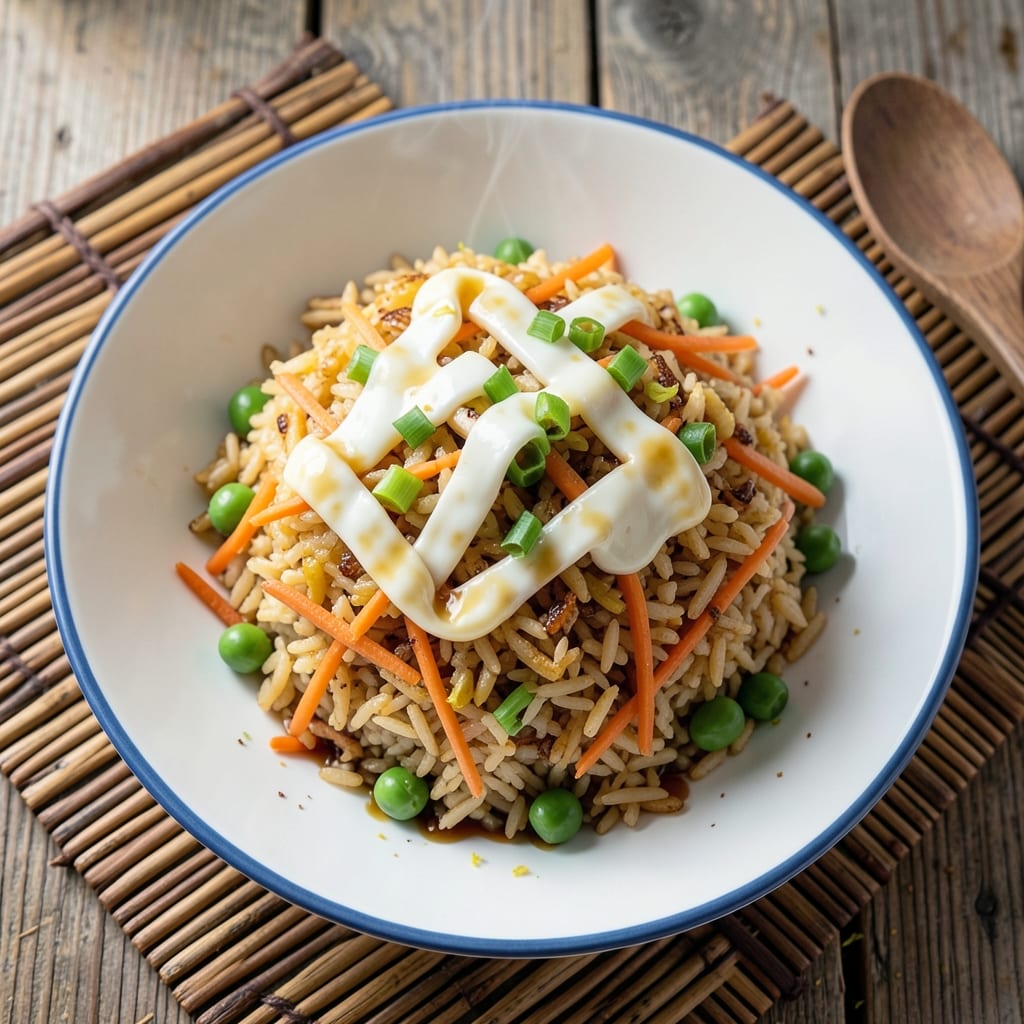
This Chinese restaurant egg fried rice recipe delivers the perfect balance of wok-heated aromas and tender, separated grains you crave. The secret lies in using day-old rice and high-heat stir-frying to achieve that signature smoky wok hei flavor while keeping the eggs silky and the vegetables crisp-tender. I've perfected this version after countless attempts to replicate my favorite takeout dish at home.
What sets this apart is the precise soy sauce ratio, proper egg scrambling technique, and the right moment to fold in aromatics. The result? A dish with perfectly separated rice grains, rich umami flavor, and just the right amount of savory-sweet balance. Whether you're feeding a crowd or meal prepping for the week, this recipe delivers authentic restaurant quality with simple techniques you can master at home.
Ingredients for chinese restaurant egg fried rice
Day-old rice and wok-heated aromatics create that perfect restaurant-style texture and flavor.
| Ingredient | Amount | Notes |
|---|---|---|
| Day-Old Cooked White Rice 🍚 | 4 cups | Cold and separated grains |
| Large Eggs 🥚 | 4 whole | Freshly beaten for silky texture |
| Green Onions 🧅 | ½ cup | White and green parts separated |
| Carrots 🥕 | ½ cup | Julienned into thin matchsticks |
| Frozen Peas 🌱 | ½ cup | Thawed and drained |
| Light Soy Sauce 🍶 | 3 tbsp | Kikkoman preferred for balance |
| Dark Soy Sauce 🍶 | 1 tbsp | For deep umami richness |
| Sesame Oil 🫒 | 1 tbsp | Toasted for aroma |
| Neutral Vegetable Oil 🫒 | 2 tbsp | High smoke point for wok hei |
| Garlic Cloves 🧄 | 4 cloves | Minced finely for depth |
| Fresh Ginger 🌿 | 1 tbsp | Grated finely for zing |
| White Vinegar 💧 | 1 tsp | Brightens flavors |
| Salt 🧂 | ½ tsp | Adjust to taste |
| Black Pepper 🌶️ | ¼ tsp | Freshly cracked |
The rice is non-negotiable—day-old, cold, and separated. Cook extra rice the night before and store it uncovered in the fridge so it dries out just right. For the soy sauces, Kikkoman light and Lee Kum Kee dark are my go-tos—they give that perfect balance of salty and umami. Fresh ginger and garlic should be bright and aromatic, not dried out. If you're short on time, frozen peas work perfectly—just thaw and drain them first. The carrots? Julienne them thinly so they cook fast and stay crisp-tender.
No light soy sauce? Substitute with 2 tbsp regular soy sauce plus 1 tsp sugar to mimic the sweetness. Dark soy sauce can be swapped for 1 tbsp molasses or 2 tsp brown sugar, but you'll lose some depth. Fresh ginger too pungent? Ground ginger at half the amount works in a pinch, though it won't have the same zing. For the eggs, room temperature is key—they scramble silkier that way. If your wok isn't hot enough, add an extra tablespoon of oil to get that signature smoky wok hei flavor.
Store leftovers in airtight containers for 3-4 days—it actually tastes better the next day as flavors meld. For meal prep, portion into single servings and reheat in a hot skillet with a splash of water to restore crispness. The rice reheats best if you microwave it covered for 1 minute then stir-fry it quickly in the wok to revive the texture. Freezes well for up to 2 months, though the peas may get mushy—best to reheat and add fresh ones when serving.
Why You'll Love This Recipe
- One-Pan Magic: I swear by this recipe—just toss everything into a hot wok or skillet, and let the residual heat from the pan scramble those eggs right into the rice. No extra bowls, no extra mess, just chef’s kiss simplicity.
- Crispy-Creamy Egg Perfection: That first bite? The eggs get that golden, slightly crispy edge while staying tender inside—just like my favorite takeout spot. The secret’s in stirring fast over high heat and letting those yolks set just right.
- Leftover Hero: Honestly, this dish begs to be made extra. The flavors only deepen overnight, and reheating it the next day tastes just as good—if not better—than the first time. I keep a container in my fridge for lazy mornings.
- Budget-Friendly Staple: Day-old rice? Eggs? Frozen peas? This recipe turns pantry basics into a restaurant-quality meal without breaking the bank. It’s my go-to when I need to feed the family without stressing over grocery lists.
Step-by-step instructions for Chinese restaurant egg fried rice
Here's how to achieve that signature wok-heated texture with perfectly separated grains every time.
Prepare the Base Ingredients for Optimal Texture
First, spread the 4 cups day-old cooked white rice on a baking sheet and let it dry in the refrigerator for 30 minutes. This crucial step prevents gummy rice—cold, slightly dry grains separate beautifully when stir-fried. While the rice dries, beat the 4 whole large eggs in a bowl until just combined but still slightly lumpy. Over-beating makes the eggs tough.
Finely mince the 4 cloves garlic and grate the 1 tablespoon fresh ginger using a microplane. Separate the 0.5 cup green onions into white and green parts. Thinly julienne the 0.5 cup carrots into matchsticks about 1/8-inch wide. Thaw and drain the 0.5 cup frozen peas—they should be completely thawed before cooking. Measure out all sauces: 3 tablespoons light soy sauce, 1 tablespoon dark soy sauce, and 1 tablespoon sesame oil. Have everything prepped before you start cooking.
Create Wok Hei and Cook the Aromatics
Heat a 14-inch wok or large skillet over high heat until it's smoking hot. Add the 2 tablespoons neutral vegetable oil and swirl to coat. Add the garlic and ginger, stirring constantly for 20-30 seconds until fragrant but not browned. This quick cooking preserves their fresh flavor. Immediately add the carrots and stir-fry for 1 minute until they begin to soften but retain a slight crunch.
Add the white parts of green onions and stir for 30 seconds to soften. Here's the thing—don't crowd the pan. If your wok isn't large enough, work in batches. The goal is to maintain high heat and achieve that signature "wok hei" or smoky aroma. If the pan loses heat, let it recover before proceeding.
Scramble the Eggs for Silky Texture
Push the cooked vegetables to one side of the wok, creating space in the center. Pour in the beaten eggs and let them sit undisturbed for 5-8 seconds until they begin to set at the edges. Here's where it gets fun—gently tilt the wok and use a spatula to fold the eggs into soft, silky curds. Keep folding and stirring until the eggs are just set but still slightly moist—about 20-30 seconds total. Overcooking makes them rubbery.
Combine the eggs with the vegetables and stir-fry for 30 seconds, coating everything evenly with the egg mixture. This step ensures every bite has that perfect egg-to-rice ratio. Taste and adjust seasoning with 0.25 teaspoon black pepper and 0.5 teaspoon salt if needed. The eggs should be flavorful but not overpowering.
Combine All Ingredients for Perfect Separation
Add the 4 cups day-old rice to the wok and break up any clumps with your spatula. Stir-fry vigorously for 2-3 minutes on high heat, using a scooping motion to keep the grains separate. The rice should look dry and individual—this is the hallmark of authentic egg fried rice. If it starts sticking, add 1-2 tablespoons hot water to loosen it.
Add the frozen peas, green onion greens, and all the sauces (3 tablespoons light soy sauce, 1 tablespoon dark soy sauce, 1 tablespoon sesame oil, and 1 teaspoon white vinegar). Stir-fry for another 2-3 minutes until everything is heated through and the rice is evenly coated. The dark soy sauce will give the dish its signature deep color and umami richness. Taste and adjust seasoning—you might need a touch more light soy sauce for balance.
Finish with High Heat for Restaurant-Quality Results
Continue cooking on high heat for 1-2 minutes until the rice is dry and slightly crispy in spots. This final step creates that authentic wok-heated texture. The rice should be hot, the eggs silky, and the vegetables tender-crisp. If the dish seems too dry, add 1 tablespoon hot water and toss quickly to steam the rice slightly.
Transfer the fried rice to a serving platter and garnish with additional green onion greens if desired. Serve immediately while hot—this dish doesn't wait. Each bite should deliver perfectly separated grains, tender eggs, and a balance of sweet, salty, and umami flavors. Real talk: the first time might not be perfect, but you'll get there with practice. Trust the process!
Pro Tips For Making Chinese Restaurant Egg Fried Rice
- CRISP THE RICE FIRST: Break up your day-old rice with a fork or your hands before tossing it into the wok—this prevents clumping and ensures every grain gets that perfect, restaurant-style sear. I used to skip this and ended up with gluey pockets of rice that never crisped, no matter how much oil I added.
- SCRAMBLE EGGS SEPARATELY: Push the eggs to one side of the pan and let them cook undisturbed until just set—this gives you fluffy, cloud-like curds instead of scrambled bits. After burning three batches of overworked eggs, I learned to walk away for 30 seconds while they firm up.
- SAUTE VEGETABLES IN STAGES: Cook the carrots first (they take longest), then peas, then onions—this keeps everything tender without turning to mush. I was skeptical until I tried it; now my veggies stay bright and bite-sized, just like the takeout version.
- USE A LITTLE SOY SAUCE EARLY: Toss in 1 tablespoon of soy sauce with the rice while stirring—it tenderizes the grains and adds depth before the final seasoning. My grandmother swore by this, and she was right: the flavor integrates better than dumping it all at the end.
Flavor customization for these flavors
Spicy Kick
Add ½ teaspoon chili crisp or 1 teaspoon sambal oelek at the end for heat lovers. For a smoky-spicy twist, stir in ½ teaspoon toasted chili oil during the final 1 minute of cooking. I like to sprinkle ½ teaspoon crushed red pepper flakes over the top just before serving for a visual pop of color. 🌶️
Sweet Glaze
Balance the savory flavors with 1 teaspoon honey or ½ teaspoon brown sugar mixed into the soy sauce. For a caramelized finish, add 1 tablespoon hoisin sauce during the last 2 minutes of cooking. I've found that ½ teaspoon rice vinegar (instead of white vinegar) adds a subtle sweetness that complements the dish beautifully.
Umami Boost
Deepening the umami profile transforms this dish. Add 1 tablespoon oyster sauce or 1 teaspoon fish sauce (reduce other soy sauce by ½ tablespoon to balance). For a vegetarian option, use 1 tablespoon mushroom powder mixed with 1 tablespoon water. I also love adding 1 teaspoon dried shiitake powder for an earthy depth that mimics the real thing.
Herbaceous Twist
Fresh herbs elevate the dish instantly. Stir in 2 tablespoons chopped cilantro or 1 tablespoon Thai basil during the final 30 seconds of cooking. For a more aromatic touch, add ½ teaspoon toasted sesame seeds right before serving. I've also experimented with 1 teaspoon finely chopped mint for a refreshing contrast to the rich flavors.
Protein Variations
Swap or add proteins for extra heartiness. Stir-fry ½ cup diced ham or ½ cup shrimp with the carrots. For a vegetarian option, add ½ cup crumbled tofu (press and pan-fry first). I've found that 2 tablespoons chopped roasted peanuts add a delightful crunch and nutty flavor when sprinkled on top at the end.
Texture Contrast
Crunchy elements add dimension to every bite. Top with 2 tablespoons fried shallots or 1 tablespoon crushed pork rinds for a salty crunch. I also love adding 1 tablespoon toasted coconut flakes for a tropical-inspired twist. For a smoky texture, sprinkle ½ teaspoon smoked paprika over the top before serving.
Nutrition facts
Frequently asked questions
Why does restaurant-style egg fried rice need day-old rice?
Day-old rice is essential because its slightly dry, separated grains create that signature texture. Freshly cooked rice releases too much moisture when stir-fried, resulting in gummy, clumpy rice. The starchy coating from overnight storage helps achieve those perfect, individual grains you crave.
Can I make this with fresh rice? What's the workaround?
You can use fresh rice, but it requires extra prep. Spread freshly cooked rice on a tray and refrigerate uncovered for 1-2 hours to dry it out. Alternatively, spread it on a baking sheet and microwave for 1-2 minutes to remove excess moisture before stir-frying. The key is dry, separated grains.
What's the secret to getting the eggs perfectly silky?
Silky eggs come from three things: room temperature eggs, low-and-slow folding, and high heat. Beat eggs just until combined (no over-mixing), let them sit in the wok for 5-8 seconds to set slightly, then gently fold with a spatula until just set. Overcooking makes them rubbery!
How do I get that smoky wok hei flavor without a wok?
Use a heavy-bottomed skillet or cast-iron pan on maximum heat. Add extra oil (up to 3 tablespoons) and cook in batches if needed. For extra aroma, add a dried chili or two to the oil before removing them. The key is maintaining high heat and working quickly to create that signature smoky flavor.
Can I make this ahead of time? How does it reheat?
This dish actually tastes better the next day! Store in an airtight container for 3-4 days. To reheat, spread cold rice on a tray and microwave for 1 minute, then stir-fry in a hot pan with 1 tablespoon oil for 2-3 minutes to restore crispness. For best results, add fresh peas and a splash of soy sauce when reheating.