
Main Courses
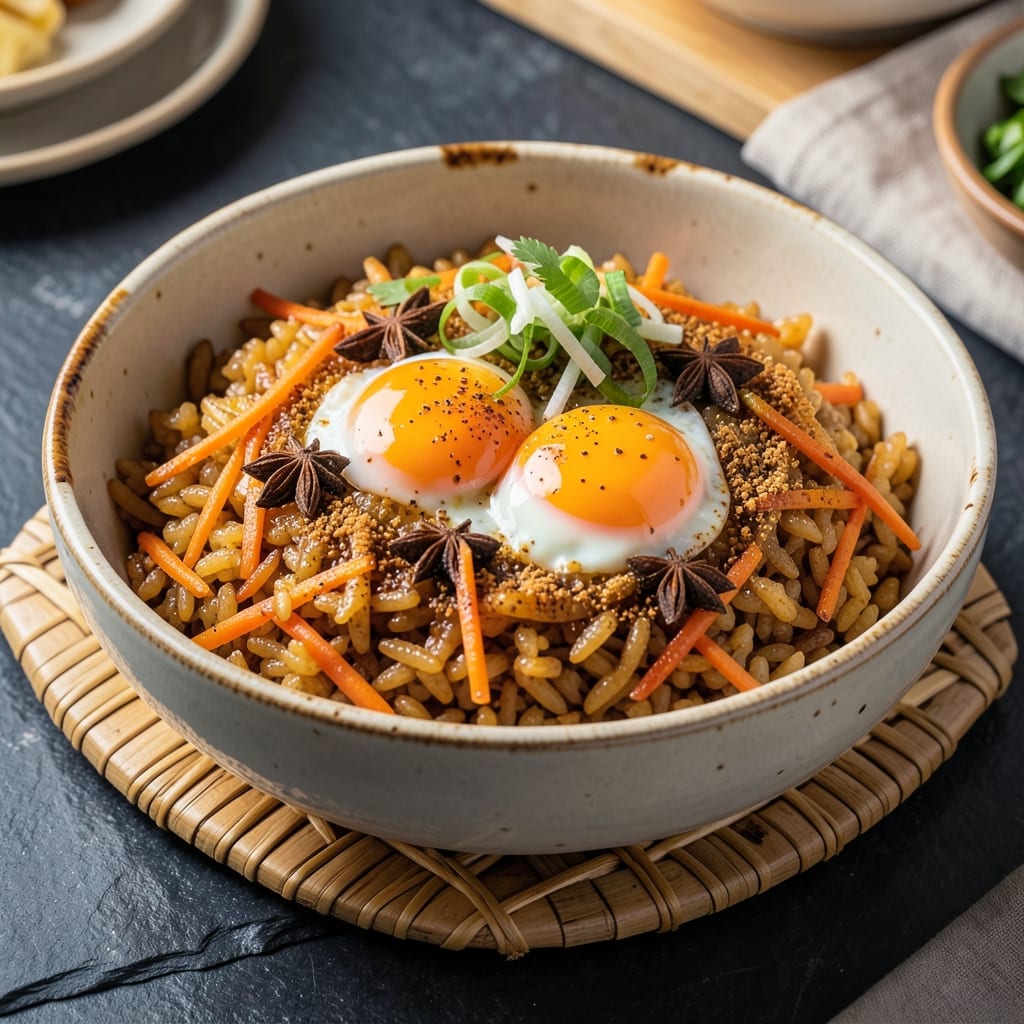
This Chinese five-spice egg fried rice transforms simple ingredients into a fragrant, aromatic dish with deep star anise notes and wok-heated perfection. The secret lies in properly blooming the spices—frying them until fragrant before adding the rice—creating layers of warmth that elevate every bite. This technique ensures the five-spice powder's complex flavors (clove, cinnamon, fennel, and more) shine without overpowering the dish.
The result is a golden, slightly crispy fried rice with tender eggs, bright vegetables, and a sauce that clings perfectly to each grain. The star anise adds an unexpected depth that sets this apart from classic versions, making it ideal for weeknight dinners or meal prep. Let's create this restaurant-quality dish at home with just a few key steps and the right timing.
Ingredients for chinese five spice egg fried rice
Transform simple pantry staples into aromatic fried rice with star anise and five-spice depth.
| Ingredient | Amount | Notes |
|---|---|---|
| Long-Grain White Rice 🍚 | 3 cups | Uncooked, jasmine or basmati preferred |
| Large Eggs 🥚 | 4 whole | Fresh, room temperature |
| Chinese Five-Spice Powder 🌶️ | 1 ½ tsp | Bloom in oil first for aroma |
| Star Anise 🌟 | 1 whole | Lightly crushed for infusion |
| Green Onions 🧅 | ½ cup | White and green parts separated |
| Carrots 🥕 | 1 cup | Diced small, uniform pieces |
| Peas 🌱 | ½ cup | Frozen works perfectly |
| Light Soy Sauce 🥢 | 3 tbsp | Kikkoman preferred |
| Dark Soy Sauce 🥢 | 1 tbsp | For deeper color |
| Sesame Oil 🫒 | 1 tsp | Toasted, for finishing |
| Neutral Oil 🫒 | 2 tbsp | Vegetable or canola |
| Garlic Cloves 🧄 | 4 cloves | Minced finely |
| Ginger 🌿 | 1 tsp | Fresh, grated |
| Salt 🧂 | ½ tsp | Adjust to taste |
| White Pepper 🌶️ | ¼ tsp | Freshly ground |
The five-spice powder and star anise are non-negotiable for authentic flavor. Penzeys Spices or Hainan Five-Spice from Asian markets deliver the best complexity—look for whole star anise pods to crush yourself. Fresh ginger and garlic should be vibrant and firm, with no soft spots. For the rice, jasmine or basmati grains stay separate when cooked, crucial for that signature texture. If using day-old rice, spread it on a tray to dry slightly before frying—this prevents mushiness.
No five-spice powder? Substitute 1/4 tsp each of cinnamon, cloves, fennel seeds, and Szechuan peppercorns—toast the whole spices first for depth. Short on star anise? Double the cinnamon for warmth. Frozen peas and carrots work perfectly—no need to thaw. The soy sauces can be swapped for coconut aminos if gluten-free, though the flavor will differ slightly. For extra richness, add 1 tbsp vegan oyster sauce or a splash of rice vinegar at the end.
Rice reheats beautifully—store in an airtight container for 3-4 days or freeze portions for up to 3 months. The five-spice powder loses potency after 6 months, so transfer it to a dark jar. For meal prep, fry the eggs separately and add them fresh to maintain perfect texture. Garnish with extra green onions and sesame seeds right before serving to keep everything vibrant.
Why You'll Love This Recipe
- I’ll be real: this recipe costs me pennies but feels like a treat. Long-grain rice, eggs, and a little five-spice powder—ingredients I already have. No specialty items, no last-minute grocery runs. And because it’s so simple, I can double it without guilt. Budget-friendly? Absolutely. Worth it? Always.
- One-Pan Magic: I swear by this recipe because it’s the kind of meal that turns a busy weeknight into a stress-free win. Just fry the eggs, toss in cold rice, and let that five-spice powder work its warmth—no extra pans, no fuss. The star anise infuses the oil with this subtle, earthy depth that makes it taste like a restaurant dish, not a last-minute scramble.
- Flavor Bomb: That five-spice powder isn’t just a spice—it’s the star. Warm cinnamon, bright clove, and a whisper of star anise turn this into something ridiculously good, especially when you crack those eggs right into the hot wok. The green onions add a sharp finish that cuts through the richness, and honestly? It’s the kind of taste that sticks with you.
- Leftover Hero: Between us, this rice gets better the next day. The five-spice flavor deepens, the rice softens just enough, and reheating it is a five-minute win. I make a big batch on Sundays—it’s my go-to for lunches, potlucks, or even a quick dinner when I’m too tired to cook. (Yes, even on a Tuesday night.)
Step-by-step instructions for Chinese five-spice egg fried rice
Mastering this dish hinges on three principles: high heat, layered aromatics, and precise timing.
Prepare the Star Anise and Five-Spice Infusion
Heat the 2 tablespoons neutral oil in a wok over high heat until shimmering. Add the lightly crushed star anise and 1.5 teaspoons Chinese five-spice powder, stirring constantly for 30 seconds until fragrant. This step develops the signature depth—don't rush it. The star anise should sizzle gently without burning, releasing its aniseed aroma into the oil. Remove from heat immediately after and set aside, leaving the oil infused with complex spices.
Here's the thing—this infusion carries the entire dish. If you skip it, you'll miss the subtle licorice notes that distinguish this recipe from ordinary fried rice. The five-spice powder needs time to bloom in the hot oil, so resist the urge to add other ingredients yet. Once removed, the oil will cool slightly, which is perfect for the next step.
Cook the Aromatics and Vegetables
Return the wok to high heat and add the 2 tablespoons infused oil. Toss in the 4 cloves minced garlic and 1 teaspoon grated ginger, cooking for 30 seconds until fragrant but not browned. Add the 1 cup diced carrots and stir-fry for 2 minutes until they begin to soften slightly but remain crisp. This partial cooking preserves texture while building flavor.
Next, add the 0.5 cup peas and 0.5 teaspoon salt, stirring for 1 minute until peas are tender-crisp. The high heat ensures they cook quickly without turning mushy. At this stage, you should have a vibrant medley of colors—orange carrots, bright green peas, and golden aromatics. If the vegetables start to stick, add a splash of water and scrape the bottom with a spatula to release any browned bits.
Scramble the Eggs and Combine Ingredients
Push the vegetable mixture to one side of the wok, creating space in the center. Crack the 4 large eggs into the empty space and scramble them quickly with a spatula, letting them set slightly before folding them into the vegetables. The eggs should form soft, creamy curds rather than dry, rubbery clumps. Once fully incorporated, add the 3 tablespoons light soy sauce and 1 tablespoon dark soy sauce, stirring vigorously to coat everything evenly.
This is where the magic happens—the soy sauces meld with the star anise and five-spice, creating a glossy, umami-rich coating. The dark soy sauce adds that signature deep brown color while maintaining the bright flavors. Taste the mixture now—it should be seasoned but not overly salty, with a subtle sweetness from the carrots. If needed, adjust with a pinch more salt, but the dark soy sauce usually provides enough depth.
Add the Rice and Finish with Sesame Oil
Spread the 3 cups cooked long-grain white rice evenly in the wok, breaking up any clumps with your spatula. Stir-fry for 2-3 minutes until the rice is heated through and begins to develop a slight crust on the edges. The rice should be hot but not dry—this is the critical window where texture is preserved. If the wok feels too dry, add 1-2 tablespoons water and toss to steam the rice slightly.
Once the rice is heated, turn off the heat and immediately drizzle in the 1 teaspoon toasted sesame oil. Toss everything together one final time to distribute the oil evenly. The sesame oil adds a nutty aroma and balances the dish's richness. At this point, the fried rice should be vibrant, with distinct colors from the vegetables and a glossy sheen from the sauces.
Garnish and Serve Immediately
Transfer the fried rice to serving plates and garnish with the 0.5 cup green onions, first the white parts for color, then the green tops for freshness. The contrast between the bright green and deep brown rice creates visual appeal. Serve immediately while the rice is still hot and the aromatics are at their peak. The dish should be fragrant with notes of star anise, five-spice, and toasted sesame, with each bite offering a balance of textures—creamy eggs, crisp vegetables, and fluffy rice.
This recipe delivers restaurant-quality results because it respects the fundamental principles of Chinese fried rice: high heat, proper sequencing, and attention to detail. The star anise and five-spice infusion is what sets this apart from standard versions, adding complexity that elevates it to something special.
Pro Tips For Making Chinese Five Spice Egg Fried Rice
- USE DAY-OLD RICE: Fresh rice turns to mush—no matter how gently you stir. I learned this the hard way after making a sad, gluey pile. Refrigerate leftover rice for at least 6 hours (or overnight) so it dries out and absorbs the five-spice flavor better. Cold rice also cooks faster, so you won’t burn the eggs waiting for it to warm.
- TOAST THE FIVE-SPICE: Chinese five-spice powder loses its warmth if it just sits there. Bloom it in 1 teaspoon of oil over medium heat for 30 seconds—you’ll smell the star anise and cloves wake up. This step makes the flavor pop instead of tasting like dust. (Yes, even if you’re impatient like me.)
- SCRAMBLE EGGS IN STAGES: Dump all the eggs in at once, and you’ll end up with rubbery curds. Crack them into a separate bowl first, then pour in a little at a time while stirring constantly. The heat should be medium-high, but pull back if the eggs start sticking—you want soft, fluffy bits, not a scrambled mess.
- CHOP GREEN ONIONS SMALL: Big chunks of green onion make the dish look uneven and taste like you rushed. Mince the whites and slice the greens into ¼-inch pieces—this way, every bite gets that fresh, bright punch. (And no, the recipe won’t fall apart if you actually chop them.)
Storing and reheating this chinese five spice egg fried rice
Refrigerator Storage
Store your five-spice fried rice in an airtight container for up to 3-4 days in the refrigerator. Let it cool completely before transferring to avoid condensation, which can make the rice soggy. I like using glass containers because they keep flavors fresher longer than plastic. The star anise and five-spice flavors actually deepen overnight, making leftovers even more aromatic. 🌟
Freezer Prep Tips
For longer storage, freeze portions in single-serving airtight containers or ziplock bags (lay flat to save space). Portion before freezing to reheat exactly what you need. This fried rice freezes beautifully for up to 3 months—the spices retain their potency when stored properly in a dark, cool freezer. Just leave ½-inch headspace to prevent ice crystals from forming.
Stovetop Reheating
My favorite method is reheating in a wok or large skillet over medium-high heat with 1 tablespoon neutral oil. Add 2-3 tablespoons water to prevent sticking, then stir-fry for 3-4 minutes until heated through. The high heat helps restore that crispy texture. For extra flavor, add a splash of light soy sauce and a pinch of white pepper while reheating. ✨
Microwave Method
For quick reheating, cover your portion with a damp paper towel and microwave on high for 1-2 minutes, stirring halfway. Add 1 teaspoon water if the rice looks dry. The microwave can make fried rice rubbery, so I only use this for last-minute servings or when I'm short on time. Garnish with fresh green onions after reheating to brighten the dish.
Egg Texture Hack
If reheating leftovers with eggs, I recommend scrambling fresh eggs separately and adding them to the fried rice just before serving. This keeps the eggs creamy rather than dry or rubbery. The star anise and five-spice flavors in the rice will still infuse beautifully into the fresh eggs, maintaining that restaurant-quality balance. 💡
Garnish Refresh
Before serving reheated fried rice, always garnish with fresh green onions and a drizzle of toasted sesame oil. The fresh herbs cut through any reheating dryness, while the sesame oil adds that nutty aroma. For extra flair, sprinkle with crushed peanuts or fried shallots—both add texture and complement the star anise notes perfectly.
Nutrition facts
Frequently asked questions
Can I substitute regular five-spice powder for Chinese five-spice?
Regular five-spice powder will work, but Chinese five-spice (especially Hainan or Szechuan blends) contains more fennel and star anise, giving deeper licorice notes. For a close substitute, mix ½ tsp cinnamon, ¼ tsp cloves, ¼ tsp fennel seeds, and ¼ tsp Szechuan peppercorns—toast them first for better flavor. The star anise is crucial for that signature aroma, so add 1 whole pod if possible.
Why does my fried rice turn out mushy?
Mushy rice usually means one of two things: using fresh rice (needs to be day-old) or not enough heat. Always use cold, day-old rice spread on a tray to dry slightly before cooking. Work with a hot wok and stir-fry vigorously—high heat prevents sogginess. If your rice seems dry, add 1-2 tbsp water while cooking to steam it slightly. The key is timing: 2-3 minutes of active stirring is all you need.
Can I make this dish gluten-free?
Yes! Swap the soy sauces for coconut aminos or gluten-free tamari. Use 3 tbsp coconut aminos for light soy and 1 tbsp gluten-free tamari for dark soy. For extra umami, add 1 tbsp gluten-free oyster sauce or ½ tsp fish sauce (if not vegetarian). The star anise and five-spice flavors will still shine through beautifully. Just be mindful that coconut aminos have a slightly different taste profile.
How do I get that perfect "wok hei" smoky aroma?
"Wok hei" (breath of the wok) comes from high heat and proper technique. Use a carbon steel or cast iron wok preheated until smoking. Work quickly over high heat, using small batches if needed. After cooking, let the rice sit for 30 seconds off the heat—this traps the smoky aromas. For extra depth, add a pinch of white pepper at the end. The star anise and five-spice also contribute to that complex aroma when properly bloomed in hot oil.
What vegetables can I add for variety?
This recipe works beautifully with almost any veggie! Try bell peppers (red or green) for sweetness, bok choy for texture, or shredded cabbage for crunch. For heartier versions, add mushrooms or water chestnuts. Just remember: cut vegetables small and cook them quickly over high heat to maintain texture. The star anise and five-spice pair especially well with earthy veggies like mushrooms or cabbage.