
Sauces & Condiments
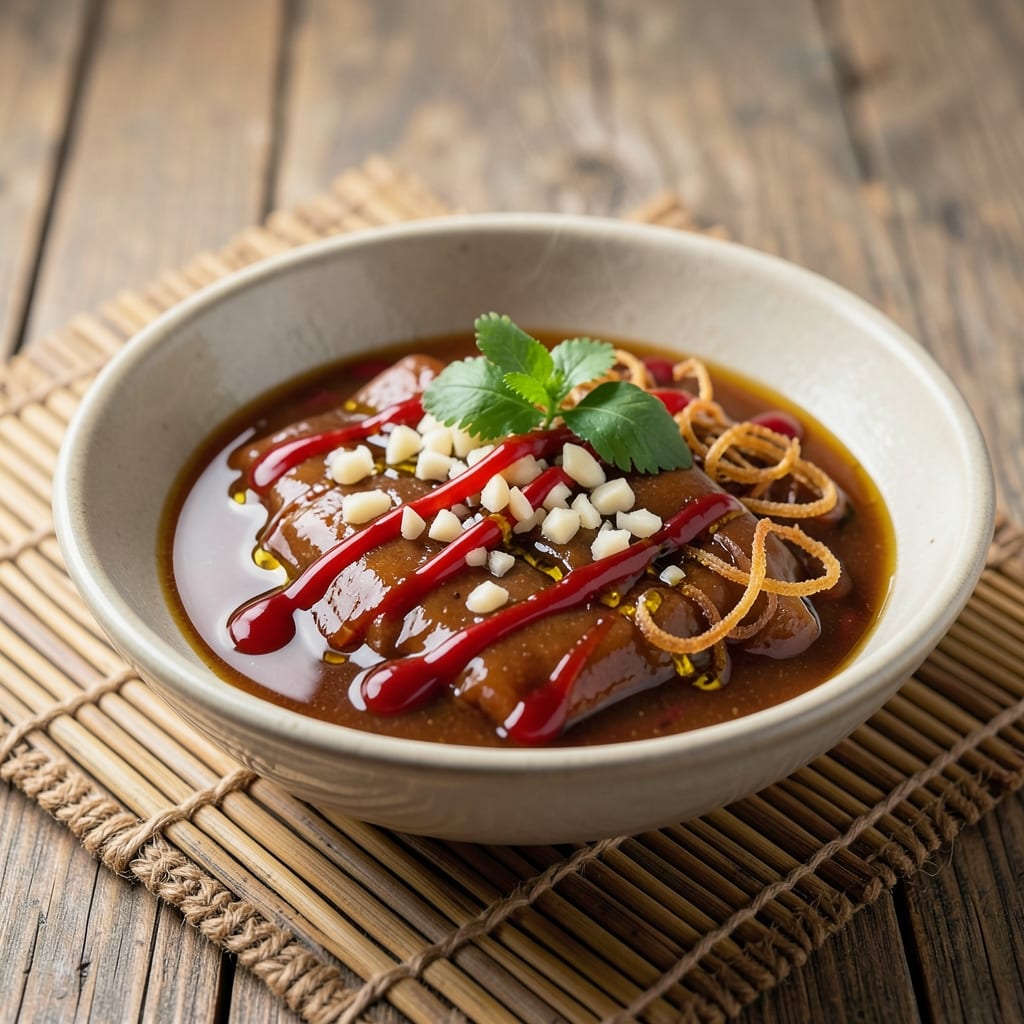
This Chinese egg roll sauce recipe transforms takeout nights into a flavor explosion with its perfect balance of sweet, spicy, and umami notes. 🔥 The secret lies in combining hoisin sauce with chili oil and a touch of vinegar, creating a sauce that's sticky, aromatic, and impossible to resist. I've perfected this recipe after years of testing—it's the kind of sauce that turns ordinary egg rolls into a gourmet experience.
The magic happens when you simmer soy sauce, hoisin, and a splash of rice vinegar to build depth, then finish with chili oil for heat and a hint of garlic for brightness. What sets this apart is the caramelization that develops during the cooking process, giving it that restaurant-quality richness. The sauce thickens just enough to cling beautifully to crispy egg roll wrappers while remaining smooth enough for dipping.
What you'll end up with is a vibrant, glossy sauce that's sweet enough to balance the crispy, savory egg rolls but spicy enough to keep every bite exciting. The aroma alone will have everyone reaching for seconds, and the flavor profile is complex enough to stand up to other takeout favorites like spring rolls or dumplings. This isn't just a dipping sauce—it's the star of the meal.
Ready in just 10 minutes, this sauce keeps well in the fridge for up to a week, making it perfect for meal prep. Whether you're serving homemade egg rolls or store-bought, this recipe delivers the kind of flavor that turns ordinary takeout into something special. Let's make it!
Ingredients for chinese egg roll sauce
Sweet-spicy sauce magic with just 10 ingredients—no fancy shopping needed.
| Ingredient | Amount | Notes |
|---|---|---|
| Hoisin Sauce 🍶 | ½ cup | Store-bought or homemade preferred |
| Light Soy Sauce 🥢 | ¼ cup | Kikkoman or La Choy brand |
| Rice Vinegar 🍶 | 1 tbsp | Seasoned or unseasoned works |
| Chili Oil 🌶️ | 2 tbsp | Look for Sichuan chili oil |
| Garlic Cloves 🧄 | 3 cloves | Minced for brightness |
| Sesame Oil 🫒 | 1 tsp | Toasted sesame oil preferred |
| Granulated Sugar 🍚 | 1 tbsp | Adjust for sweetness preference |
| Cornstarch 🌾 | ½ tsp | For thickening consistency |
| Ground Black Pepper 🌶️ | ¼ tsp | Freshly cracked for heat |
| Water 💧 | 2 tbsp | For thinning if needed |
Hoisin sauce is the flavor foundation—La Choy or Lee Kum Kee are my go-tos, but any brand works. Chili oil? Sichuan chili oil from the Asian aisle has that perfect balance of heat and nutty depth. Garlic should be fresh (no jarred minced—trust me). The sesame oil adds richness, so toasted sesame oil from Trader Joe's is ideal, but regular works too. For hoisin, if you can't find it, a mix of soy sauce and a little molasses gets you close.
No chili oil? Sriracha mixed with neutral oil works in a pinch (use half the amount). Short on hoisin? Extra soy sauce plus 1 tsp maple syrup mimics the sweetness. The cornstarch is key for that perfect cling—don't skip it. For extra umami, a dash of fish sauce (if not avoiding it) or more soy sauce works. Want it sweeter? Add another teaspoon of sugar. The sauce thickens as it cools, so adjust with water if it's too thick right away.
This sauce keeps for 1 week in the fridge, but it tastes even better the next day once flavors meld. Store in a glass jar with a tight lid. Freezes beautifully for 3 months—perfect for batch cooking. I always make double batches because it disappears fast. The chili oil separates when refrigerated, so give it a quick stir before using. Pairs perfectly with egg rolls, dumplings, or even fries for a takeout vibe at home.
Why You'll Love This Recipe
- Pantry Magic: I swear, this sauce comes together with stuff you already have. No fancy shopping trips—just hoisin, a splash of rice vinegar, and a glug of chili oil. Honestly, I’ve made it three times this month using whatever was in my cupboard.
- Garlic Bomb: That first sizzle of minced garlic in oil? Pure flavor payoff. The soy and hoisin deepen it into something rich, while the vinegar cuts through—like a little umami punch right in your mouth.
- Double Duty: Use it for egg rolls, sure, but I’ve drizzled it over noodles, tossed it with tofu, even glopped it on rice. It’s the kind of sauce that turns a simple meal into something special without trying too hard.
- Budget Hero: A few tablespoons of hoisin and a dash of chili oil stretch to feed four for under $3. I keep a jar of this in the fridge—it’s my go-to for when I’m broke but still want flavor that doesn’t skimp.
Step-by-step instructions for Chinese egg roll sauce
This sauce comes together in minutes, but every element matters for that perfect balance of sweet, spicy, and umami.
🍳 Step 1: Bloom the Garlic in Chili Oil
Heat a small saucepan over medium-low heat and add the 2 tablespoons chili oil. Once it's shimmering (about 30 seconds), add the 3 minced garlic cloves and cook for 30-45 seconds until fragrant but not browned. You want the garlic to infuse the oil with its bright flavor without burning—it should smell amazing but not bitter.
Here's the thing—if you let the garlic brown, it'll turn bitter and overpower the delicate balance of flavors in this sauce. Remove the pan from heat immediately after the garlic smells aromatic. I like to keep the garlic in the oil for now so it doesn't stick when we add the other ingredients later.
🥘 Step 2: Combine Wet Ingredients
In a medium bowl, whisk together the 0.5 cup hoisin sauce, 0.25 cup light soy sauce, 1 tablespoon rice vinegar, and 1 tablespoon granulated sugar. You'll notice the sugar dissolves quickly—this is where the sweet-spicy balance starts forming. The vinegar adds that bright, tangy note that cuts through the richness of the hoisin and soy.
Give this mixture a good stir to make sure the sugar is fully dissolved. The hoisin should be well incorporated, giving the sauce its signature deep red color. If you're using homemade hoisin, you might need to whisk a bit longer to achieve that smooth consistency.
🍳 Step 3: Simmer and Thicken
Return the saucepan with the garlic-infused chili oil to medium heat. Pour in the wet ingredient mixture and stir to combine. Let it simmer gently for 3-4 minutes, stirring occasionally, until it starts to thicken slightly. This is where the magic happens—the flavors meld together and the sauce becomes cohesive.
After 3 minutes, sprinkle in the 0.5 teaspoon cornstarch and 0.25 teaspoon ground black pepper, then stir constantly for another 30 seconds. The cornstarch will help thicken the sauce just enough to coat the back of a spoon, giving it that perfect dipping consistency. If it's still too thin after simmering, add the 2 tablespoons water one tablespoon at a time until you reach the desired thickness.
🥄 Step 4: Finish with Sesame Oil
Remove the sauce from heat and let it cool for 1 minute. Then stir in the 1 teaspoon sesame oil. This is the final flavor boost—it adds a nutty aroma and rich depth that ties everything together. The sauce should now have a glossy sheen and that irresistible sweet-spicy aroma that makes egg rolls taste even better.
Taste and adjust the balance if needed. Want more sweetness? Add a pinch more sugar. Need more heat? A drizzle of extra chili oil does the trick. The sauce should be vibrant, slightly sticky, and ready to transform your takeout night into a flavor explosion.
Pro Tips For Making Chinese Egg Roll Sauce
- MINCE THAT GARLIC: Fresh garlic cloves are non-negotiable here—no powder or jarred minced will cut it. Use a knife to finely chop 3-4 cloves into a paste (yes, smash them with the flat side of your knife first), then let it sit for 10 minutes before adding to the sauce. This releases the oils and prevents that harsh, raw bite you get when you just toss it in raw.
- SWEAT THE GARLIC LOW: Start the garlic in a dry pan over the lowest heat you can tolerate—no sizzling, no browning, just a slow, gentle sweat for 3-4 minutes. After burning three batches where the garlic burned before the hoisin even hit the pan, I finally learned: patience here means the sauce won’t taste like a charred crime scene.
- BALANCE THE VINEGAR LAST: Add rice vinegar in two stages: half when you first mix the sauce, then the rest after tasting. The acidity cuts through the richness of hoisin and soy, but too much upfront can make the whole thing taste sharp and unbalanced. Trust your tongue—this isn’t a math problem.
- THICKEN WITH A CORNSTARCH SLURRY: If your sauce is too thin after mixing, don’t just add more hoisin or soy—make a quick slurry with ½ teaspoon cornstarch and 1 teaspoon water, then whisk it in while the sauce simmers for 30 seconds. I used to just reduce it longer, but this keeps the texture silky without turning the sauce gluey or losing the garlic’s punch.
Essential equipment for perfect results
Small Saucepan
I always use a small 8-inch saucepan with sloped sides for this recipe—it gives me better control over the heat and prevents spills when stirring. A non-stick pan like Calphalon or All-Clad makes cleanup a breeze, but any stainless steel pan with a tight-fitting lid works too. Avoid large pans—the extra space makes it harder to maintain the right temperature for even simmering. 🔥
Whisk for Smoothness
A balloon whisk is my go-to tool for combining the wet ingredients before simmering. I prefer a stainless steel whisk (like OXO Good Grips) because it handles both the hoisin's thickness and the cornstarch slurry beautifully. For stirring during simmering, a heat-resistant silicone spatula (such as Epicurean) prevents scratching the pan while ensuring every bit of sauce gets incorporated. 🥄
Measuring Spoons Set
Precision matters with this sauce, so I recommend a high-quality measuring spoons set with clear markings. I use Weston Products stainless steel spoons—they're durable and accurate down to 1/8 teaspoon. For the chili oil and sesame oil, I measure directly into the saucepan to avoid spills. A small squeeze bottle (like those for hot sauce) works perfectly for adding the chili oil in a controlled stream. 💧
Fine-Mesh Strainer
If you're using homemade hoisin or want to remove any garlic bits after blooming, keep a fine-mesh strainer (like Mesh King) handy. I strain the sauce through it before serving to ensure a silky texture. For the garlic blooming step, I often press the minced garlic through the strainer after cooking to infuse the oil without bits. This is optional but makes the sauce extra smooth. 🧄
Glass Storage Jar
Once your sauce is ready, transfer it to a glass jar with an airtight lid for storage—I love Le Parfait jars because they're wide-mouthed and easy to clean. The glass preserves the sauce's vibrant color and prevents any off-flavors from plastic. For reheating, I microwave portions in a microwave-safe bowl with a splash of water to maintain moisture. 💡
Optional: Immersion Blender
If you prefer an ultra-smooth sauce or want to blend in any garlic bits, an immersion blender (like Ninja) works wonders. Simply blend the sauce directly in the saucepan for 10-15 seconds after simmering. This step isn't necessary but elevates the sauce to restaurant-quality perfection. Just be cautious not to over-blend, or you'll lose the sauce's natural texture. ✨
Nutrition facts
Frequently asked questions
Can I make this egg roll sauce without chili oil?
For a milder version, replace the 2 tablespoons chili oil with 1 tablespoon sriracha mixed with 1 tablespoon neutral oil. If you prefer no heat at all, simply omit the chili oil and add an extra 0.5 teaspoon garlic powder to maintain flavor depth. The sauce will still taste delicious, just with a different balance of spice.
How do I adjust the sweetness or spiciness?
For more sweetness, add an extra 0.5 teaspoon sugar at the end and stir well. For extra heat, increase the chili oil by 0.5 tablespoon or add a pinch of red pepper flakes. If you want a smoother spice, blend the sauce briefly with an immersion blender after simmering. Always taste as you go!
What's the best way to store and reheat leftovers?
Store the sauce in an airtight glass jar in the fridge for up to 1 week. The chili oil may separate—just stir before using. To reheat, microwave for 20-30 seconds with a splash of water to restore moisture. For stovetop reheating, warm over low heat while stirring constantly to prevent scorching.
Can I use this sauce for other dishes besides egg rolls?
This versatile sauce works perfectly with spring rolls, dumplings, fried rice, or even fries. It also makes an excellent marinade for grilled meats like pork or chicken. The sweet-spicy balance pairs well with almost any Asian-inspired dish that needs a flavor boost. Try it as a drizzle over noodle bowls too!
Why did my sauce turn out too thick or too thin?
If too thick, stir in 1 teaspoon water at a time until smooth. For thinning, add water gradually during simmering. The cornstarch thickens as it cools, so if it's perfect when hot but thickens too much later, simply reheat with a splash of water. For prevention, simmer for 3-4 minutes max and avoid over-stirring cornstarch.