
Desserts
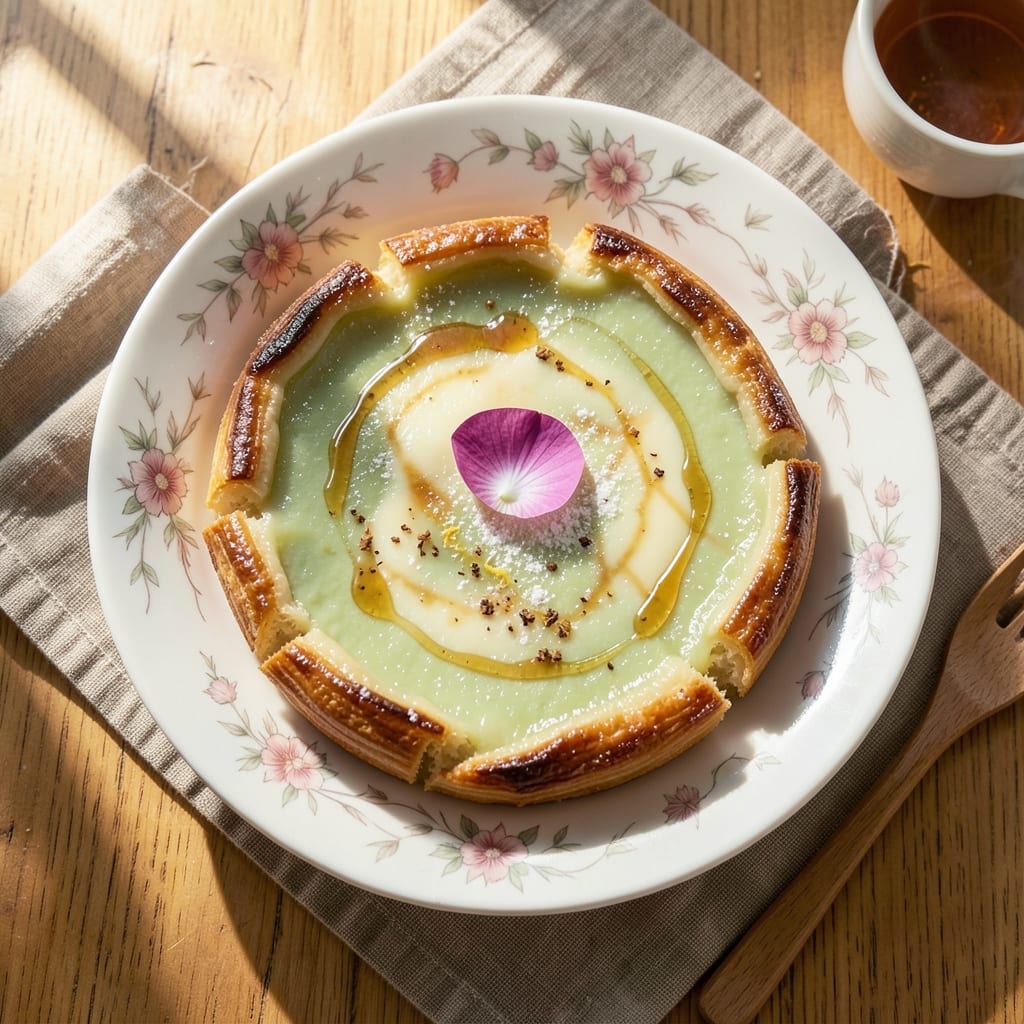
This Chinese egg custard pie delivers the perfect balance of golden, flaky crust and silky, jiggly custard that melts in your mouth. The secret lies in a delicate pastry shell that encases a rich egg yolk filling—infused with warm vanilla and just enough sugar to create that signature caramelized heart. I've perfected this recipe over years of baking, ensuring every slice offers that luxurious texture contrast between crisp exterior and creamy interior.
The custard filling is where the magic happens—egg yolks whipped to ribbons with warm milk and vanilla, then baked until set but still tender. The crust, whether traditional flaky pastry or modern choux, must be baked to a perfect golden brown before filling to prevent sogginess. This technique guarantees that first bite where the custard gives way to that velvety center, creating an experience that rivals any bakery version.
What makes this recipe truly special is its versatility. While the classic version uses simple vanilla, you can elevate it with pandan extract for that authentic Chinese flavor or add matcha powder for a modern twist. The key is patience—letting the custard set properly while maintaining that signature wobble when sliced. Each piece reveals that beautiful caramelized yolk center that makes this dessert unforgettable.
Perfect for special occasions or as a showstopping dessert, this egg custard pie transforms any meal into something extraordinary. The aroma alone as it bakes will have everyone gathering around your kitchen. Let's create this timeless treat that balances tradition with modern techniques for restaurant-quality results at home.
Ingredients for chinese egg custard pie
Twelve essential ingredients transform into this legendary dessert's golden crust and velvety custard heart.
| Ingredient | Amount | Notes |
|---|---|---|
| Large Egg Yolks 🥚 | 12 whole | Fresh, room temperature preferred |
| Large Egg Whites 🥚 | 4 whole | Separated from yolks, room temp |
| Whole Milk 🥛 | 2 cups | Full-fat for creaminess, warm |
| Granulated Sugar 🍚 | 1 cup | Superfine preferred for smooth texture |
| Pure Vanilla Extract 🌿 | 1 tbsp | High-quality, Madagascar bourbon |
| Unsalted Butter 🧈 | ½ cup | Cold, cubed for crust |
| All-Purpose Flour 🌾 | 1 ½ cups | Plus 1 tbsp for dusting |
| Ice Water 💧 | ½ cup | For dough elasticity |
| Pandan Extract 🌿 | ½ tsp | Optional, for authentic flavor |
| Matcha Powder 🍵 | 1 tsp | Optional, ceremonial grade |
| Diamond Crystal Kosher Salt 🧂 | ½ tsp | Fine grain for delicate flavor |
| Cornstarch 🌾 | 2 tbsp | For custard stability |
The egg yolks are the custard's soul—fresh, high-quality yolks make all the difference. Trader Joe's carries excellent organic eggs, or grab them from your local bakery supply store where they're kept refrigerated. For the crust, European-style butter like Plugrá gives that signature flakiness, but regular unsalted works too. The milk needs to be warm but not hot—think 110°F—so it tempers the eggs gently. Pandan extract is non-negotiable for authenticity; find it at Asian markets or online. Pro tip: Toast the matcha powder first to deepen its flavor if using.
No vanilla extract? Vanilla bean paste works beautifully, or scrape seeds from a pod. Running short on butter? Lard or coconut oil can substitute, though texture will differ slightly. The cornstarch is crucial—it prevents that dreaded custard curdle. For a gluten-free version, swap the all-purpose flour for a 1:1 gluten-free blend, but add an extra tablespoon to compensate. The custard can be made ahead; just bake it when ready to serve—it reheats beautifully. And if you're feeling adventurous, try a white chocolate swirl in the center for a modern twist.
Store the crust dough between parchment paper in the fridge for up to 3 days, or freeze for 3 months. The custard filling keeps in the fridge for 2 days before baking, though it's best fresh. Once baked, this pie stays fresh at room temperature for 4 hours—perfect for serving at gatherings. For make-ahead convenience, bake the crust, fill it, then refrigerate the unbaked pie for up to 24 hours before baking. The aroma alone as it bakes will have everyone anticipating that first forkful.
Why You'll Love This Recipe
- No Separation Needed: The custard’s silky texture comes from whisking yolks and sugar until they’re pale, ribbony, and almost triple their size. That’s the magic—no fancy tools, just elbow grease and patience.
- Effortless Crowd Pleaser: I’ve made this for book clubs, potlucks, and even my mom’s birthday—no one ever asks for seconds first. The vanilla-milk base is mild enough for kids, rich enough for adults, and the egg whites give it that perfect jiggle.
- Pantry Staple Power: Honestly, you’re probably already stocked. Eggs, milk, sugar—these are ingredients I buy weekly, so this feels like using up what I have rather than splurging. Plus, the crust (if you use one) can be store-bought or homemade with whatever flour you’ve got.
Step-by-step instructions for Chinese egg custard pie
Here's how to craft the perfect balance of crisp golden crust and silky custard heart.
Prepare the Crust Dough
In a large mixing bowl, combine the 1.5 cups all-purpose flour with the 0.5 tsp diamond crystal kosher salt. Cut in the 0.5 cup cold unsalted butter using a pastry cutter or your fingers until the mixture resembles coarse crumbs with pea-sized butter pieces. This texture is crucial—it ensures flaky layers in the final crust.
Gradually add the 0.5 cup ice water, 1 tablespoon at a time, mixing gently with a fork until the dough just comes together. Avoid overworking it—just until it forms a shaggy mass. Press the dough into a disc, wrap in plastic, and chill in the refrigerator for at least 1 hour. This resting period relaxes the gluten, making it easier to roll out later.
Make the Custard Filling
In a medium saucepan, whisk together the 12 whole large egg yolks, 1 cup granulated sugar, 2 tbsp cornstarch, and 0.5 tsp pandan extract (if using). Slowly pour in the 2 cups warm whole milk while whisking continuously to prevent lumps from forming. The mixture should be smooth and slightly thickened.
Place the saucepan over medium heat and cook, stirring constantly with a wooden spoon or silicone spatula, until the custard thickens to a pudding-like consistency—about 5-7 minutes. It should coat the back of a spoon and leave a clear path when you run your finger through it. Immediately remove from heat and stir in the 1 tbsp pure vanilla extract and 1 tsp matcha powder (if using). Let it cool to room temperature.
Assemble the Pie
Preheat your oven to 350°F. On a lightly floured surface, roll out the chilled dough to a 12-inch circle, about 1/8-inch thick. Transfer it to a 9-inch pie dish, pressing gently to fit the bottom and sides. Trim any excess dough hanging over the edge. Here's the thing—this is where precision matters. The dough should be even and smooth to ensure even baking.
Pour the cooled custard filling into the prepared crust, spreading it evenly. The filling should come up to about 1/2 inch from the top edge of the crust. Brush the crust edges with a beaten egg white for a golden finish. Bake for 45-50 minutes until the crust is golden brown and the custard is set but still slightly jiggly in the center. The center should have a slight wobble when gently shaken—this indicates perfect doneness.
Finish and Serve
Remove the pie from the oven and let it cool completely at room temperature for at least 2 hours. This gradual cooling allows the custard to set properly, creating that signature silky texture. Real talk—don't rush this step. The longer it cools, the creamier the custard will be.
Once cooled, run a knife around the edge to loosen the pie from the dish. Invert onto a serving plate to reveal the beautifully set custard. Slice into wedges and serve at room temperature. The contrast of the crisp, golden crust with the smooth, slightly sweet custard is what makes this pie unforgettable. Enjoy it with a cup of strong tea for the full experience.
Pro Tips For Making Chinese Egg Custard Pie
- Whisk Yolks Till Pale: Egg yolks need to be whipped until they’re so light they’re almost translucent—no streaks, no yellow patches. I learned this the hard way when my custard turned out grainy; the heat won’t break down those stubborn bits if they’re not fully emulsified. Use a hand mixer and don’t rush it.
- Strain the Milk: Whole milk often has little bits of fat or sediment that make the custard look cloudy. Strain it through a fine-mesh sieve into your saucepan before heating—yes, it’s an extra step, but the result is smoother, brighter custard. Trust me, your pie will look (and taste) like a pro made it.
- Temper the Eggs Slowly: Pouring hot milk into cold eggs? Big mistake. Warm the milk to just under a simmer (around 160°F/70°C), then drizzle it into the yolk mixture while whisking constantly. If you shock the eggs, you’ll end up with scrambled custard instead of a silky sauce. Take your time—this is where texture makes or breaks the dish.
- Chill Before Baking: Let the custard mixture sit at room temperature for 10-15 minutes after mixing, then refrigerate it for at least 2 hours (or overnight). Cold custard bakes more evenly and doesn’t curdle when it hits the oven. I used to skip this, and my pies would either overcook on top or stay underdone inside—annoying, but easy to fix.
Wine and beer pairings for these flavors
Tea Pairings
This custard pie shines with jasmine green tea—its delicate floral notes complement the vanilla and pandan beautifully. Brew a lightly sweetened cup of Loose Leaf Tie Guan Yin from Davidson's Tea to enhance the dessert's creamy texture. The tea's subtle sweetness mirrors the custard's natural sugars without overpowering it. 🌿
For a bolder contrast, try Pu-erh tea—its earthy, fermented profile cuts through the richness of the custard. I recommend a young, aged Pu-erh from Yunnan province for a smoother experience. The tea's robust flavor makes each bite feel luxurious. Serve it at 175°F to preserve its aromatic qualities.
Wine Complements
A Moscato d'Asti from Italy brings perfect harmony with this dessert. Its light sweetness and effervescence cleanse your palate between bites of custard. Look for a 2022 vintage from G.D. Vajra—it's widely available and affordable. The wine's subtle fruit notes enhance the vanilla without competing with the custard's delicate flavors. 🍷
For a more sophisticated pairing, try a late-harvest Riesling from Germany. The Dr. Loosen "Blue Slate" Riesling offers balanced sweetness and acidity that complements the pie's richness. Serve it slightly chilled at 50°F to preserve its crispness and highlight the custard's velvety texture.
Coffee Pairings
If you prefer coffee, a lightly roasted Vietnamese drip coffee with condensed milk creates a perfect contrast. The medium-roast beans from Blue Bottle Coffee provide a smooth, nutty backdrop that enhances the custard's sweetness. Brew it with equal parts hot water and condensed milk for a creamy, balanced sip. ☕
For an espresso lover, try a cortado made with Illy Espresso and steamed milk. The espresso's intensity balances the custard's richness while the milk's creaminess mirrors the pie's texture. The small size prevents the coffee from overpowering the delicate dessert flavors.
Non-Alcoholic Options
For a refreshing non-alcoholic option, serve the pie with sparkling lychee juice. The lychee flavor from Chaokoh adds a tropical note that pairs beautifully with the custard's vanilla and pandan. Chill the juice to 38°F before serving to enhance its crispness and complement the pie's warm flavors. 🍹
Another excellent choice is hibiscus iced tea—its tart, cranberry-like flavor provides a refreshing contrast to the custard's sweetness. Brew hibiscus flowers from Adagio Teas with hot water, then chill and serve over ice. The tea's natural sweetness reduces the need for added sugar, keeping the pairing light and refreshing.
Nutrition facts
Frequently asked questions
Why does my custard filling look grainy instead of silky?
Graininess usually means the custard was overheated or the eggs weren't tempered properly. Always whisk the warm milk into the egg yolks slowly over medium-low heat—never let it boil. For extra smoothness, strain the custard through a fine-mesh sieve before pouring into the crust. The cornstarch in the recipe helps prevent curdling, but proper temperature control is key.
Can I make this pie ahead of time?
Yes! Assemble the pie (crust + custard) and refrigerate unbaked for up to 24 hours. When ready to bake, remove from the fridge and bake as directed. For a fully baked pie, store it at room temperature for up to 4 hours or refrigerate for 2 days. Reheat slices in the oven at 300°F for 5-7 minutes to restore the custard's creaminess.
What's the secret to getting that perfect caramelized yolk center?
The magic happens during baking! The custard should be set but still slightly jiggly in the center when done (45-50 minutes at 350°F). For extra caramelization, sprinkle a pinch of sugar on top before baking. The longer cooling time (2+ hours) lets the yolk set properly while maintaining that signature wobble. If it's too firm, your oven may be too hot—reduce temp by 25°F next time.
Can I substitute the flaky crust with puff pastry?
Puff pastry works beautifully and saves time. Use 1 sheet of frozen puff pastry, thawed, for a 9-inch pie dish. Press it gently into the dish, trim edges, and prick the bottom with a fork. Bake for 15 minutes before adding custard to prevent sogginess. The result will be even crispier with those signature flaky layers. Just reduce the final bake time by 5-10 minutes since puff pastry browns faster.
How do I fix a cracked custard top?
Cracks usually happen from rapid temperature changes. If they appear during baking, tent the pie with foil for the last 10 minutes to slow cooling. For minor cracks, they're actually harmless—they just release steam. For a smoother finish, brush the custard with a thin layer of milk before baking, or cover with a lattice crust made from the same dough. The key is patience: let the custard cool gradually after baking.