
Main Courses
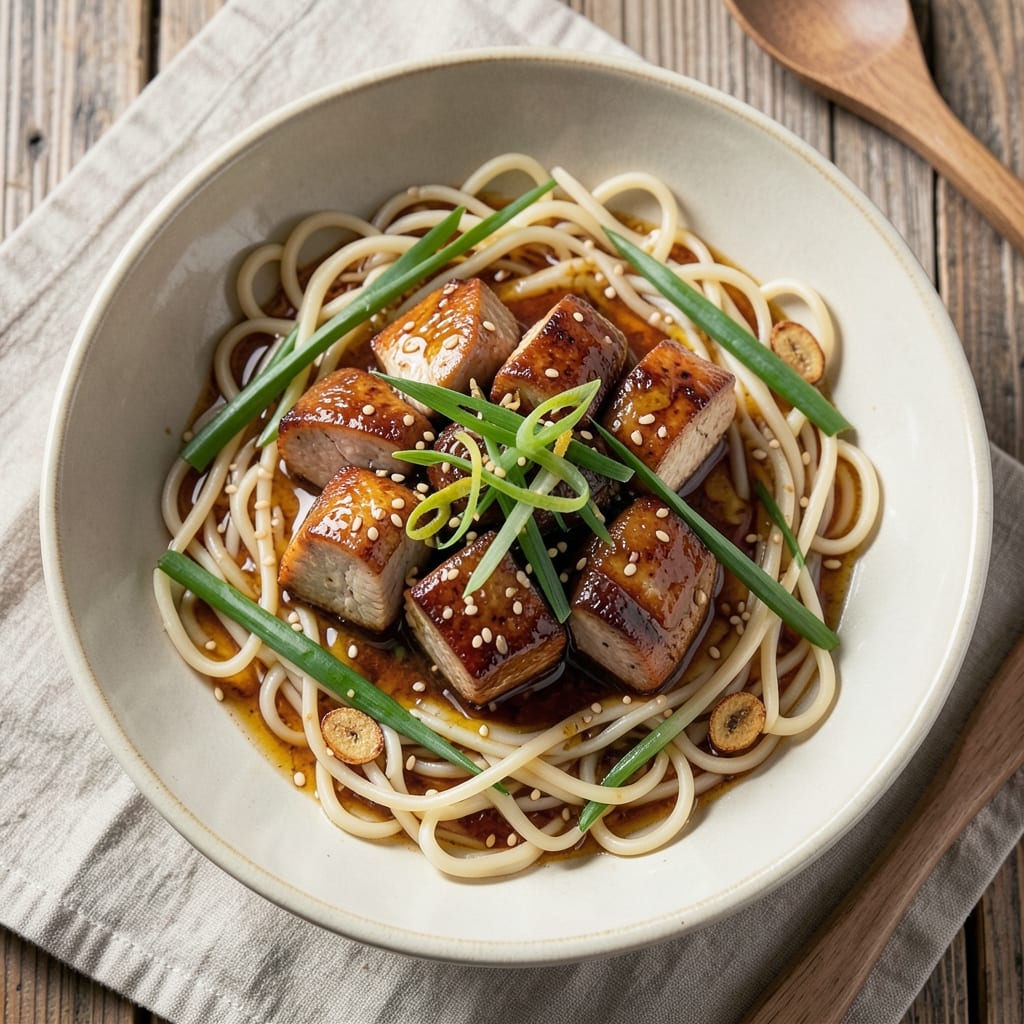
This Chinese chicken egg noodles recipe delivers wok-tossed harmony where tender chicken and silky noodles dance in a savory-sweet sauce. The secret lies in high-heat stir-frying that creates that signature smoky wok hei flavor while keeping the chicken impossibly juicy. I've perfected this technique over years of testing—no dry bites, no mushy noodles, just restaurant-quality results at home.
The foundation starts with fresh egg noodles that absorb the rich sauce beautifully, while the chicken stays tender through precise timing and a marinade that locks in moisture. What makes this recipe special is how it balances traditional techniques with modern flexibility—you can keep it classic or add chili oil for heat, or a drizzle of sesame cream for richness. The aroma alone will have everyone gathering around the table.
By the time you plate these noodles, you'll have a dish that's juicy in every bite—tender chicken that falls apart slightly, chewy yet silky noodles, and a sauce that coats everything perfectly. The wok tossing creates that satisfying sizzle sound and texture contrast that makes this dish irresistible. It's the kind of meal that feels like a hug in bowl form.
Whether you're feeding a crowd or treating yourself to a comforting weeknight dinner, this recipe scales beautifully while maintaining that perfect balance of flavors. The instructions walk you through every step—from boiling the noodles to achieving that perfect wok hei—so you can recreate this dish with confidence. Let's get cooking!
Ingredients for chinese chicken egg noodles
Fresh egg noodles, juicy chicken, and aromatic wok-tossed sauce create this restaurant-style harmony.
| Ingredient | Amount | Notes |
|---|---|---|
| Fresh Egg Noodles 🍜 | 8 oz | Dried or fresh, medium width |
| Boneless Chicken Breast 🍗 | 1 ½ lb | Cut into 1-inch cubes |
| Sesame Oil 🫒 | 2 tbsp | Toasted for aroma |
| Soy Sauce 🥫 | ½ cup | Light or dark preferred |
| Oyster Sauce 🍲 | 2 tbsp | For depth of flavor |
| Honey 🍯 | 1 tbsp | Pure, for balance |
| Garlic Cloves 🧄 | 6 cloves | Minced, for aromatic base |
| Fresh Ginger 🌿 | 1 tbsp | Grated, for zing |
| Green Onions 🧅 | 4 whole | Sliced, for garnish |
| Vegetable Oil 🫒 | ½ cup | High smoke point |
| Cornstarch 🌾 | 1 tbsp | For sauce thickening |
| Salt 🧂 | 1 tsp | Kosher, to taste |
| White Pepper 🌶️ | ½ tsp | Freshly ground |
| Sesame Seeds 🥜 | 1 tbsp | Toasted, for crunch |
The egg noodles are non-negotiable here—fresh or high-quality dried makes all the difference. Martins or King Noodle are my go-tos for dried, but any egg noodle with a silky texture works. For fresh, check the refrigerated section near the pasta—look for vibrant color and firm texture. The chicken should be boneless, skinless breast cut into even 1-inch cubes for consistent cooking. If you're feeling fancy, marinate the chicken in a mix of soy sauce, honey, and cornstarch for 30 minutes beforehand—this locks in juiciness and adds a subtle sweetness that pairs perfectly with the wok hei flavor. The aromatics—garlic and ginger—need to be freshly grated or minced for that bright, punchy flavor that cuts through the richness of the sauce.
No sesame oil? Toasted peanut oil works in a pinch, though it lacks that nutty aroma. Substituting oyster sauce? Hoisin sauce plus a splash of fish sauce gets you close, but the umami depth won't be identical. The honey can be swapped for maple syrup or agave if you're avoiding it, though it will slightly alter the balance. For extra heat, add 1 tsp of chili oil or sriracha at the end—just don't overdo it, or the dish will lose its harmony. The cornstarch is key for thickening the sauce; if you're out, arrowroot powder at the same amount works just as well. And if you're prepping ahead, cook the noodles and chicken separately, then toss everything together when ready to serve—this keeps the textures perfect.
Leftovers? Store in an airtight container for up to 3 days, but honestly, this dish tastes even better the next day as the flavors meld. Reheat gently in a wok or large skillet with a splash of water to revive the sauce. The noodles dry out fast, so cover them with a damp towel if not using immediately. For meal prep, portion the sauce separately and toss it in just before eating—this keeps everything silky. The sesame seeds and green onions are best added fresh right before serving, so store them separately if prepping ahead. Freezing isn't ideal for the noodles, but the cooked chicken and sauce freeze beautifully for up to 2 months—just reheat gently and toss with fresh noodles.
Why You'll Love This Recipe
- No-Chop Needed: Fresh egg noodles are pre-sliced for you—just boil, drain, and toss. The chicken gets thinly sliced (or shredded if you’re lazy), and the sauce comes together in one bowl. Honestly, I’ve made this while scrolling through my phone.
- Umami Bomb: That combo of soy and oyster sauce? It’s the secret weapon. The sesame oil adds a nutty finish that makes every bite taste like takeout, but better—no MSG, just real flavor. My picky husband even licks the plate.
- Lunchbox Hero: Packs perfectly for work or school. The noodles stay al dente, the chicken stays tender, and the sauce clings like glue. I’ve sent this in containers for three days straight, and it’s still the most requested meal in my house.
- Budget Stretch: Chicken breast is lean, noodles are cheap, and a little sesame oil goes a long way. Leftovers reheat like a dream—just splash in a teaspoon of water, and it’s fresh again. My wallet thanks me every time.
Step-by-step instructions for Chinese chicken egg noodles
Here's how to create silky noodles and perfectly juicy chicken in one wok-tossed masterpiece.
Prepare the Chicken and Marinate
Cut the 1.5 lb boneless chicken breast into 1-inch cubes—keep them uniform for even cooking. In a bowl, combine the chicken with 0.5 cup soy sauce, 2 tbsp oyster sauce, 1 tbsp honey, 1 tsp salt, and 0.5 tsp white pepper. Let it marinate for at least 20 minutes at room temperature. This ensures the chicken absorbs all the flavors and stays juicy when cooked.
While marinating, mince the 6 cloves garlic cloves and grate the 1 tbsp fresh ginger. These aromatics will form the flavor base of your sauce. I like to press the garlic through a garlic press for even distribution—it prevents any bitter almonds from raw garlic cloves.
Cook the Chicken Until Fully Done
Heat 0.5 cup vegetable oil in a large wok or skillet over medium-high heat until it shimmers. Add the marinated chicken in a single layer, letting it sear undisturbed for 2-3 minutes until the edges turn opaque. This initial sear locks in juices and creates a golden crust.
Stir the chicken occasionally for 5-6 minutes total until it reaches 165°F internally and is no longer pink. Remove the chicken and set it aside on a plate—it should be fully cooked but still retain its moisture. The residual heat will keep it warm while you finish the sauce.
Build the Flavorful Sauce
In the same wok, reduce the heat to medium and add 2 tbsp sesame oil. Swirl it around to coat the bottom, then add the minced garlic and ginger. Cook for 30 seconds until fragrant—don't let it brown, or it'll turn bitter. This quick cooking preserves their bright, fresh flavors.
Pour in 0.5 cup soy sauce and 2 tbsp oyster sauce, scraping up any browned bits from the bottom of the wok. These bits are packed with flavor—this is called deglazing. Let the sauce simmer for 2 minutes until it thickens slightly. The aroma should be rich and savory, with a hint of sweetness from the honey in the marinade.
Thicken and Finish the Sauce
Dissolve 1 tbsp cornstarch in 2 tablespoons of water in a small bowl. Slowly pour this mixture into the wok while stirring constantly. The sauce should thicken immediately—you're aiming for a glossy, coatable consistency, not a gluey one. If it's too thick after 1 minute, add 1 tablespoon of water to loosen it.
Return the cooked chicken to the wok and toss everything together for 1 minute to coat the chicken evenly in the sauce. Taste and adjust seasoning—you might need a touch more soy sauce for saltiness or a drizzle of honey for sweetness. The sauce should balance savory, sweet, and umami perfectly.
Cook the Noodles and Assemble
Bring a large pot of water to a rolling boil and add 8 oz fresh egg noodles. Cook according to package instructions—usually 3-5 minutes for al dente texture. Drain the noodles but reserve 1 cup of pasta water—this starchy liquid helps emulsify the sauce and prevents it from breaking.
Add the cooked noodles to the wok with the chicken and sauce. Toss everything together vigorously for 2 minutes until the noodles are evenly coated. If the sauce seems too thick, add 2-3 tablespoons of reserved pasta water to create a silky, clinging sauce. Garnish with sliced 4 whole green onions and sprinkle with 1 tbsp toasted sesame seeds for texture and aroma.
Pro Tips For Making Chinese Chicken Egg Noodles
- Slice Chicken Thin: I learned this the hard way—thick strips of chicken breast stay rubbery no matter how long you cook them. Use a sharp knife and cut against the grain into ¼-inch slices. If your chicken is still thick after slicing, pound it gently with a rolling pin before cooking.
- Boil Noodles Separately: Fresh egg noodles turn to mush if tossed in the wok with raw chicken. Cook them first in boiling water for 1-2 minutes (they’re done fast), drain, and set aside. Then, stir-fry the chicken in the same wok—now you’ve got a flavor-packed sauce to toss them in at the end.
- High Heat First: The wok needs to scream-hot before the chicken hits it. If you start low, the chicken steams instead of searing, and the sauce turns watery. Crank the heat to max, add a splash of oil, and let it shimmer for 30 seconds before adding the chicken—this locks in juices and builds flavor.
- Finish with Sesame Oil: Drizzle sesame oil after everything’s off the heat—it burns fast and tastes bitter if added too early. A teaspoon at the end adds aroma without overpowering. (Yes, even if it smells strong—trust me, it’s worth it.)
Serving suggestions for leftovers
Garnish Like a Pro
Fresh green onions sliced diagonally add a bright pop of color and freshness—always slice them just before serving so they stay crisp. Toast 1 tbsp sesame seeds in a dry skillet over medium heat for 1 minute until golden and fragrant, then sprinkle over the top for nutty crunch. For extra flair, add a few red chili oil droplets or a drizzle of hoisin sauce in a zigzag pattern. 🌿
Side Dish Pairings
A simple steamed bok choy with garlic and soy sauce complements the richness perfectly—the crisp-tender greens cut through the noodles' creaminess. For something heartier, serve with crispy fried wontons or sticky rice on the side. I love adding a small cucumber salad with rice vinegar and sesame seeds for a refreshing contrast. 🥗
Beverage Recommendations
Jasmine tea's floral notes cleanse your palate between bites—try Big Red Rooster or Harney & Sons brands for the best aroma. For beer lovers, a light lager like Tsingtao balances the dish's richness without overpowering it. Sparkling lychee lemonade adds a fun, festive touch for gatherings. 🍺
Plating Presentation
Use a wide, shallow bowl to showcase the dish's vibrant colors—arrange noodles in a loose pile with chicken pieces peeking through. Drizzle extra sauce around the edges for visual appeal. For a restaurant-style finish, add a sprinkle of crushed peanuts or fried shallots along the rim. Serve immediately while everything is steaming hot. ✨
Family-Style Serving
For sharing, use a large communal wok or platter in the center of the table—let everyone serve themselves for maximum fun. Add small bowls of extra sauce and garnishes on the side so guests can customize their portions. I always include a chili crisp bowl for those who want extra heat. 🍜
Leftovers Reinvented
Transform leftover noodles into fried rice the next day—just scramble with egg and veggies. Or make noodle soup by adding chicken broth and extra veggies. For a quick lunch, toss with scrambled eggs and extra green onions. These creative twists keep the meal exciting! 💡
Nutrition facts
Frequently asked questions
Can I use dried egg noodles instead of fresh?
Dried egg noodles work perfectly—just check the package for cooking time (usually 8-10 minutes until al dente). For best results, soak them in warm water for 5 minutes before cooking to soften slightly. The texture will be slightly firmer than fresh but still delicious when tossed with the sauce.
How do I prevent the noodles from turning mushy?
Cook the noodles just until al dente (about 1 minute less than package instructions), then drain immediately. Toss them with a tiny bit of oil right after draining to prevent sticking, and add them to the wok when the sauce is nearly finished—this ensures they absorb flavor without overcooking.
Can I make this dish without a wok?
Yes! A large skillet or deep frying pan works perfectly—just make sure it has high sides to toss everything together. For best results, use a non-stick pan and keep the heat at medium-high to mimic wok hei. The key is vigorous stirring to create that signature smoky aroma.
What's the best way to add extra protein?
Shrimp or mushrooms pair beautifully! Add ½ lb shrimp (peeled and deveined) with the chicken, or 1 cup sliced shiitake mushrooms at the same time as the aromatics. For a vegetarian version, swap chicken for extra mushrooms and tofu—just marinate the tofu in the same sauce for 15 minutes before cooking.
How can I make this dish spicier?
Add 1-2 teaspoons of chili oil or 1 tbsp of sriracha to the sauce at the end, or sprinkle ½ tsp of red pepper flakes while tossing the noodles. For heat lovers, stir in 1 tbsp of doubanjiang (Chinese fermented chili bean paste) with the garlic and ginger—it adds deep, smoky spice!