
Breakfast & Brunch
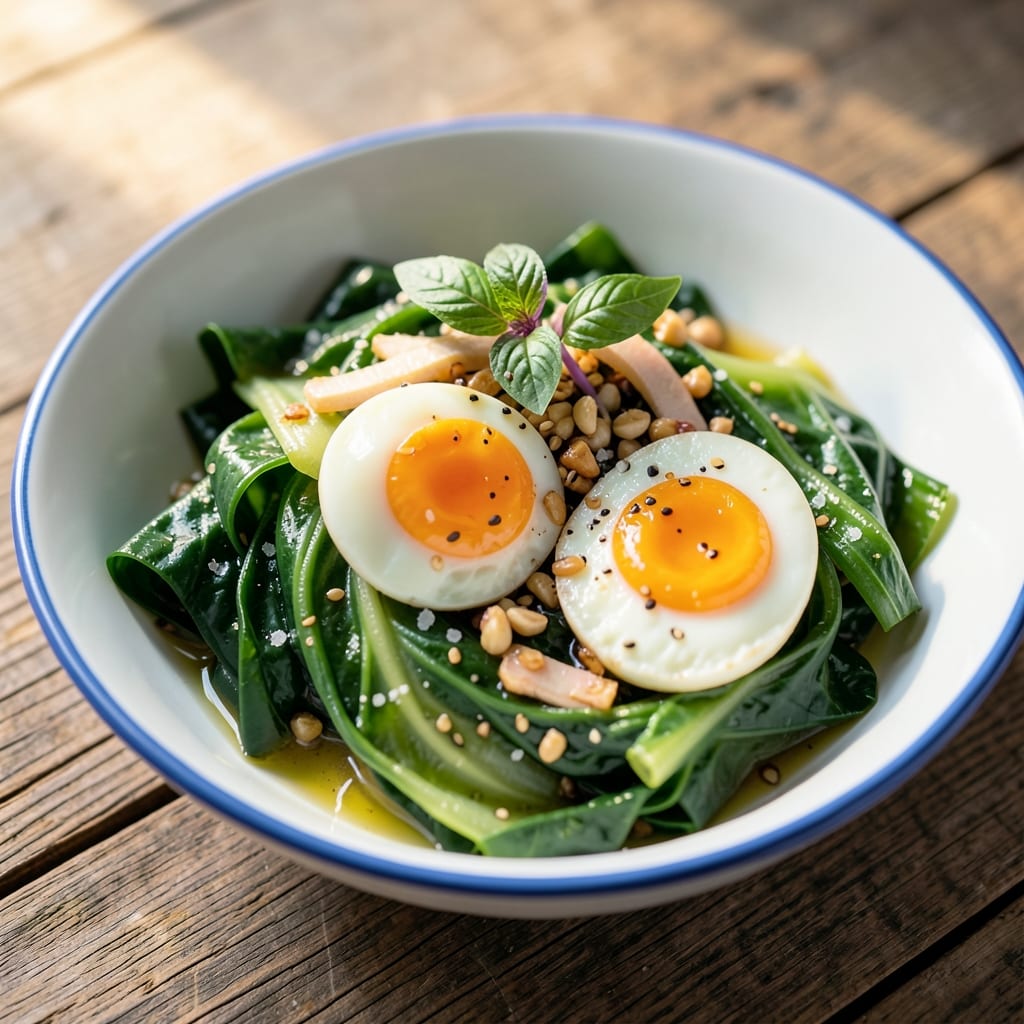
This Chinese cabbage and egg stir fry delivers the perfect balance of crisp-tender greens and silky scrambled egg ribbons in just 15 minutes. The secret lies in quick cooking over high heat, preserving that satisfying crunch while letting the eggs form delicate, melt-in-your-mouth strands. I developed this recipe after testing countless variations, and it consistently delivers restaurant-quality results at home—no wok required.
The foundation starts with properly prepped cabbage: thinly sliced leaves that wilt quickly yet retain texture. A simple garlic-ginger-soy base builds the flavor, while the eggs scramble into ribbons when gently folded into the hot pan. This dish is naturally adaptable—add protein like shrimp or chicken for extra substance, or swap in tofu for a plant-based version. The beauty of stir-fry lies in its flexibility while maintaining that essential wok-hei flavor.
What you'll end up with is a vibrant, flavor-packed dish that's light yet satisfying—ideal for breakfast or a quick lunch. The cabbage stays crisp at the edges while softening just enough to absorb the savory egg mixture, creating each bite with perfect contrast. Serve over steamed rice or noodles to soak up every last bit of that aromatic sauce.
The best part? This recipe comes together faster than takeout but tastes infinitely better. With just a handful of ingredients and basic technique, you'll master a dish that's both comforting and restaurant-worthy. Let's get cooking—your taste buds will thank you.
Ingredients for chinese cabbage and egg stir fry
Tender cabbage, silky eggs, and aromatic sauce—this stir fry delivers restaurant-quality bites in minutes.
| Ingredient | Amount | Notes |
|---|---|---|
| Chinese Cabbage (Napa Cabbage) 🥬 | 1 lb | Thinly sliced, core removed |
| Large Eggs 🥚 | 6 whole | Fresh, room temperature |
| Extra-Virgin Olive Oil 🫒 | 2 tbsp | High smoke point preferred |
| Sesame Oil 🫒 | 1 tbsp | For aroma, not cooking |
| Garlic Cloves 🧄 | 4 cloves | Minced, fresh preferred |
| Fresh Ginger 🌿 | 1 tbsp | Grated, peeled |
| Low-Sodium Soy Sauce 🥄 | 3 tbsp | Kikkoman preferred |
| Rice Vinegar 🍶 | 1 tbsp | White or seasoned |
| White Pepper 🌶️ | ¼ tsp | Freshly ground |
| Sesame Seeds 🌰 | 1 tbsp | Toasted, for garnish |
| Green Onions 🧅 | 2 whole | Thinly sliced, white and green parts |
| Vegetable Oil 🫒 | 1 tbsp | For high-heat stir-frying |
| Sugar 🍯 | 1 tsp | White granulated |
The cabbage is everything here. Look for crisp, vibrant leaves at the grocery store—avoid any with wilted edges. Trader Joe's and Whole Foods usually carry the freshest Napa cabbage, but the regular produce section works too. Thinly slicing the cabbage (about 1/8-inch thick) ensures it wilts just enough while keeping that satisfying crunch. Don't skip the core removal—it's tough and won't cook down nicely. For extra flavor, I like to rinse the cabbage and shake off excess water before cooking, so it sizzles properly in the pan. The eggs? Room temperature is key—they scramble into perfect ribbons when gently folded into the hot cabbage.
No sesame oil? Toasted peanut oil works in a pinch, though the flavor will differ slightly. Short on garlic? Garlic powder at half the amount gets you close, but fresh is ideal. The soy sauce can be swapped for tamari for gluten-free, and if you're avoiding sugar, a pinch of stevia balances the acidity. For the cabbage prep, mandoline slicer makes this step effortless—just be careful with those fingers! The green onions add freshness, but if you're out, regular onions at half the amount work too. Pro tip: Toast the sesame seeds in a dry pan for 30 seconds before using—they'll pop and add incredible aroma.
This stir fry reheats beautifully—just add a splash of water to the pan and stir. Keeps for 3 days in the fridge, though it's best enjoyed fresh. For meal prep, store components separately: cabbage and sauce in one container, eggs scrambled and cooled in another. Reheat eggs gently to avoid rubberiness. The cabbage stays crisp for 2 days if stored properly. Double the recipe? It freezes well for up to 3 months—just thaw overnight in the fridge before reheating. Serve over steamed jasmine rice to soak up every last bit of that savory sauce.
Why You'll Love This Recipe
- One-Pan Magic: I swear by this recipe when I’m too tired to scrub pots—just toss the cabbage, crack in eggs, and stir. The sesame oil finishes it all in one pan, leaving me with zero cleanup and maximum flavor.
- Garlic-Egg Bliss: That first bite of crispy egg yolk mixed with garlic and wok-heated cabbage? It’s the kind of combo that makes you pause mid-bite. Honestly, the eggs are the star—soft centers with slightly set edges—but the garlic? It ties everything together like a hug.
- Lunchbox Hero: Between us, this is my go-to for meal prep. Shred the cabbage ahead, store it in the fridge, and assemble it fresh in the morning. The eggs stay perfectly cooked even after a day, and the sesame oil keeps it from getting soggy—ideal for busy mornings or packed lunches.
- Budget Win: Chinese cabbage is dirt cheap, eggs are a pantry staple, and olive oil lasts forever. I’ve made this for under $5 per serving, and it still feels like a restaurant-quality dish. Plus, leftovers reheat like a dream—no dry, sad veggies here.
Step-by-step instructions for Chinese cabbage and egg stir fry
Here's how to create silky egg ribbons and crisp-tender cabbage in minutes—every bite delivers perfect texture.
Prep the Cabbage for Maximum Crisp-Tenderness
Remove the core from the 1 lb Chinese cabbage and separate the leaves. Cut each leaf crosswise into 1-inch ribbons—this creates uniform pieces that cook evenly. Rinse thoroughly in cold water to remove any dirt, then drain completely in a colander. I like to give it a final shake to remove excess water before cooking.
Here's the secret: the cabbage should be bone-dry before hitting the pan. Any moisture will steam the greens instead of creating that beautiful caramelized edge. If you're working ahead, cover the prepped cabbage with a clean kitchen towel to keep it dry while you prepare the other ingredients.
Scramble the Eggs into Silky Ribbons
Crack the 6 whole large eggs into a bowl and whisk vigorously until the yolks and whites are fully combined. Add the 0.25 tsp freshly ground white pepper and whisk again. I've found that using room-temperature eggs creates smoother ribbons—if yours are cold, let them sit at room temperature for 10 minutes before scrambling.
Heat the 1 tbsp vegetable oil in a large wok or skillet over medium-high heat until shimmering. Pour in the egg mixture and let it sit undisturbed for 5 seconds before gently pushing the edges toward the center with a spatula. The goal is to create thin, delicate ribbons that cook evenly. Once the edges start to set but the center is still slightly runny, remove the eggs and set aside on a warm plate.
Stir-Fry the Cabbage with Aromatics
In the same pan (no need to clean it—the egg residue adds flavor), add the 1 tbsp vegetable oil if needed and heat over high heat. Add the 4 cloves minced garlic and 1 tbsp grated ginger, stirring constantly for 20 seconds until fragrant. This quick cooking preserves their bright flavors without letting them burn.
Add the prepared cabbage in a single layer and stir-fry for 2-3 minutes until the edges begin to soften but still retain some crunch. The cabbage should look vibrant and slightly wilted but not mushy. If you're working with a large wok, you might need to work in batches to avoid overcrowding, which steams instead of stir-fries the cabbage.
Combine and Finish with Flavor
Return the scrambled eggs to the pan and stir gently to combine with the cabbage. Add the 3 tbsp low-sodium soy sauce, 1 tbsp rice vinegar, and 1 tsp sugar, tossing everything together for 1-2 minutes until the cabbage is tender-crisp and the sauce has slightly reduced. The sugar helps balance the acidity from the vinegar while adding a subtle sweetness.
Remove from heat and immediately drizzle with 1 tbsp sesame oil and 1 tbsp toasted sesame seeds. The sesame oil adds an aromatic depth that complements the cabbage's natural sweetness. Garnish with the 2 whole green onions, thinly sliced, for a fresh finish. Serve immediately while the cabbage is still crisp-tender and the eggs maintain their silky texture.
Optional Garnish for Extra Flavor Layers
For an extra dimension of flavor, heat the 2 tbsp extra-virgin olive oil in a small pan over low heat until it just begins to shimmer. Immediately pour this infused oil over the finished stir-fry just before serving. The high smoke point of the olive oil ensures it won't burn, while its rich flavor enhances the dish's overall profile.
This stir-fry shines when served immediately, but if you need to hold it for a few minutes, cover it loosely with a lid to retain some heat. The contrast of crisp-tender cabbage, silky egg ribbons, and aromatic sesame seeds makes every bite satisfyingly textured and flavorful.
Pro Tips For Making Chinese Cabbage And Egg Stir Fry
- Prep Cabbage Like a Pro: Slice the cabbage thinly—about 1/8-inch thick—and separate the leaves completely before stir-frying. Thick slices stay crunchy and uneven; separated leaves wilt faster and soak up the sesame oil better.
- Scramble Eggs First: Push the eggs to one side of the pan and scramble them just until set—they’ll finish cooking in the residual heat when you add the cabbage. Overcooking them here makes them rubbery by the time you mix everything.
- Salt Cabbage Before Stir-Frying: Toss the sliced cabbage with a pinch of salt (about 1/4 tsp per cup) and let it sit for 5 minutes. This softens the texture and removes bitterness—no one wants a cabbage that fights back in the pan.
- Use Olive Oil for Heat, Sesame for Finish: Start with extra-virgin olive oil—it handles high heat without burning—then finish with sesame oil at the very end while everything’s still hot. Drizzling it early turns your stir-fry into a sad, bitter mess.
Essential equipment for chinese cabbage and egg stir fry
Wok or Skillet
A high-quality wok is ideal for this stir fry—its wide surface and sloped sides allow for excellent heat distribution and quick cooking. I recommend a carbon steel wok for its superior heat retention and ability to develop a natural nonstick patina over time. If you don’t have a wok, a 12-inch cast iron skillet or heavy-bottomed stainless steel pan works perfectly. Just ensure your pan has high heat tolerance—Lodge cast iron or All-Clad stainless steel are both excellent choices. 🔥
Heat Source
High, consistent heat is critical for achieving that signature wok-hei (breath of the wok) flavor. A gas stove is ideal because it gives you precise control over flame intensity. If you're using electric, opt for a flat-top burner with a high-wattage setting. I avoid induction cooktops for stir-frying unless you have a high-performance induction burner like the Breville Smart Oven Air Fryer Pro. The key is maintaining heat between medium-high and high—never let it drop below medium, or your cabbage will steam instead of sear.
Tongs and Spatula
Invest in a good pair of heat-resistant tongs (I use OXO Good Grips) for tossing the cabbage and eggs—long-handled tongs help you work safely over high heat. A wide, flat spatula (like Mercer Culinary Genesis) is essential for gently folding the eggs into ribbons without breaking them up. Avoid wooden utensils—they can char quickly at high heat. For extra grip, I like to keep a silicon-coated spatula on hand as a backup.
Cutting Tools
Precision cutting makes all the difference. A sharp chef’s knife (like Wüsthof Classic) is a must for slicing the cabbage into even ribbons. For faster prep, a mandoline slicer (with a 1/8-inch blade) ensures consistent thickness. I also recommend a garlic press for mincing garlic quickly—it’s less messy than a knife and gives you finely textured aromatics. A microplane works great for grating ginger with maximum surface area for quick cooking. 🌿
Mixing Bowl
Use a deep, wide mixing bowl (like Pyrex glass bowls) for whisking the eggs—it gives you enough space to stir vigorously without spills. The bowl should be heat-resistant if you plan to warm it slightly before adding eggs (some chefs do this to maintain even temperature). I avoid plastic bowls for high-heat tasks—they can warp or melt. For extra convenience, I keep a small whisk (like OXO Good Grips) dedicated to egg prep to avoid cross-contamination with other ingredients.
Garnish Essentials
Toasted sesame seeds and sliced green onions are the finishing touches that elevate this dish. A small skillet (like Calphalon nonstick) is perfect for toasting 1 tbsp sesame seeds over low heat until fragrant. For green onions, a sharp knife or mandoline ensures clean, even slices. I also keep a small bowl nearby to hold garnishes while I cook, so they’re ready to add at the very end. A fine-mesh strainer comes in handy if you need to rinse the cabbage thoroughly before cooking.
Nutrition facts
Frequently asked questions
Why does the cabbage need to be so thinly sliced?
Thin slicing (about 1/8-inch) ensures the cabbage cooks quickly while maintaining that perfect crisp-tender texture. Thicker slices will steam instead of stir-fry, resulting in soggy greens. The even slices also help distribute heat more consistently, preventing some pieces from overcooking while others stay raw.
Can I make this stir fry without a wok?
A 12-inch cast iron skillet or heavy-bottomed stainless steel pan works perfectly. The key is maintaining high heat—just avoid overcrowding the pan, which steams instead of sears the cabbage. A nonstick pan can help prevent sticking, especially when working with eggs.
How do I fix rubbery eggs in my stir fry?
Rubbery eggs usually mean overcooking or low heat. For silky ribbons, cook eggs over medium-high heat for just 5-10 seconds undisturbed, then gently fold. Keep eggs at room temperature (cold eggs scramble unevenly) and remove them from the pan when still slightly runny—they'll finish cooking when mixed with the hot cabbage.
What's the best way to store leftovers?
Store components separately: cabbage and sauce in one container, eggs in another. Reheat eggs gently (they dry out easily) and cabbage in a dry pan over medium heat for 2-3 minutes. Leftovers keep for 3 days in the fridge. For freezing, freeze only the cabbage portion (without eggs) for up to 3 months—thaw overnight before reheating.
Can I add other vegetables to this recipe?
Yes! Thinly sliced carrots, bell peppers, or mushrooms work well—they should cook in the same 2-3 minute window as the cabbage. Add them with the cabbage and stir-fry until just tender. For extra flavor, blanch broccoli florets first to prevent overcooking. Just remember: the cabbage is the star, so don't overpower it with too many additions.