
Breakfast & Brunch
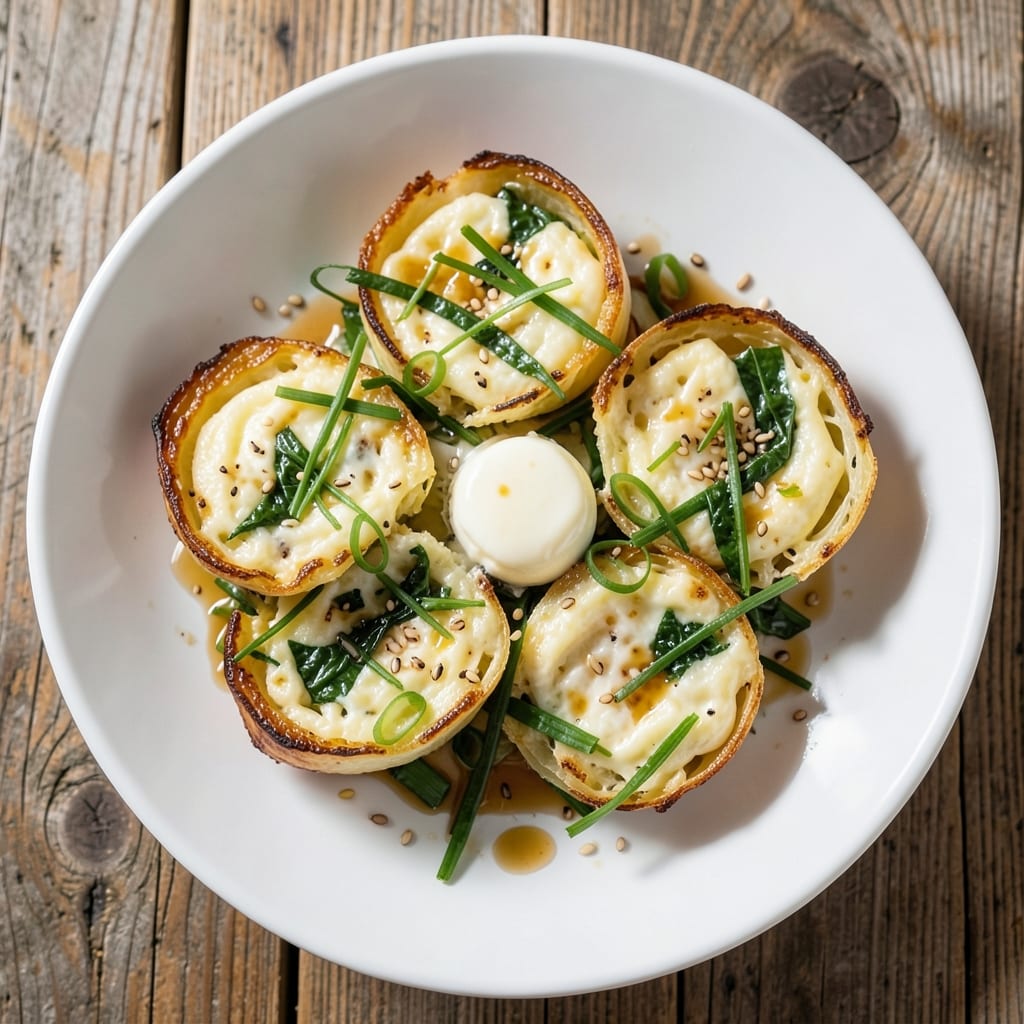
This cabbage egg omelet recipe transforms humble ingredients into crispy wonton cups filled with silky egg hearts—every bite delivers a perfect balance of texture and flavor. The secret lies in properly prepping the cabbage and mastering the egg mixture, which creates a delicate yet sturdy wrapper that crisps beautifully while staying tender inside. I've perfected this technique after years of testing, ensuring the cabbage stays crisp and the eggs cook to a perfect custardy finish without drying out.
The process begins with thinly slicing cabbage and sautéing it until just tender, then folding it into a crispy wonton cup shape around the egg mixture. This method ensures the cabbage maintains its satisfying crunch while the eggs create a rich, velvety center that contrasts beautifully. The key to success is using medium heat and working quickly to maintain the cabbage's texture while allowing the eggs to set properly.
What you'll end up with is a dish that's both elegant and satisfying—golden crispy cups filled with fluffy egg centers, ready to be served with a sprinkle of green onions or a drizzle of soy sauce for extra depth. The contrast between the crispy exterior and tender interior makes this omelet irresistibly delicious, perfect for breakfast or brunch when you want something special without the fuss.
This recipe scales beautifully for any occasion, whether you're cooking for one or feeding a crowd. The ingredients are simple but transformative, and the technique is straightforward once you understand the key steps. Let's get started on creating these crispy, egg-filled cabbage cups that will impress everyone at the table.
Ingredients for cabbage egg omelet
Transform simple cabbage and eggs into crispy, golden cups with velvety centers—just 11 ingredients needed!
| Ingredient | Amount | Notes |
|---|---|---|
| Green Cabbage 🥬 | 12 oz | Outer leaves removed, thinly sliced |
| Large Eggs 🥚 | 6 whole | Freshly beaten, room temperature |
| Unsalted Butter 🧈 | 2 tbsp | Cold, cubed for frying |
| Green Onions 🧅 | 3 whole | Thinly sliced, white and green parts |
| Light Soy Sauce 🥢 | 1 tbsp | For dipping or drizzling |
| Vegetable Oil 🫒 | ¼ cup | For deep-frying cabbage cups |
| Salt 🧂 | ½ tsp | Fine sea salt for seasoning |
| Black Pepper 🌶️ | ¼ tsp | Freshly ground for flavor |
| Sesame Seeds 🌾 | 1 tbsp | Toasted for garnish |
| Sesame Oil 🫒 | 1 tsp | For finishing drizzle |
| Cornstarch 🌾 | 1 tbsp | For crispy coating |
The cabbage is everything here—Napa cabbage works best for tenderness, but green cabbage (like you'd buy at Whole Foods) is perfect if that's what you've got. Look for heads that feel firm and crisp, not wilted. I always buy a full head (about 12 oz) and slice it paper-thin using a mandoline—safety first, but a sharp knife works too if you're careful. The key is getting those slices just tender enough to hold shape but still crisp when fried. Costco or Trader Joe's often have pre-sliced cabbage, but slicing it yourself ensures perfect texture.
No mandoline? Stack slices and roll them tightly with a knife for even cuts. Running out of soy sauce? Substitute tamari or coconut aminos—they've got that same umami punch. The eggs should be room temperature for silky texture, so take them out 20 minutes before cooking. Want extra crisp? Toss the cabbage slices in 1 tbsp cornstarch before frying. And if you're feeling fancy, swap the sesame seeds for crushed peanuts—trust me, it's amazing.
These crispy cups reheat beautifully—just pop them in a 350°F oven for 5 minutes to restore that golden crunch. Store leftovers in an airtight container for up to 3 days, though they're best fresh. I always make a double batch because they disappear fast—perfect for meal prep. Freeze extras by stacking them between parchment paper, then store in a bag for up to 2 months. The egg centers stay silky when reheated gently, and the cabbage stays crisp if you're not too heavy-handed with the oil.
Why You'll Love This Recipe
- Five-Ingredient Magic: I swear by this recipe because it’s the kind of meal that proves you don’t need a grocery list to eat well. Shred some cabbage, crack a few eggs, and boom—you’ve got dinner. The butter and soy sauce do all the heavy lifting, so even if you’re not a chef, it still tastes like you put in effort.
- Umami-Packed Bite: That first crisp-tender bite of cabbage with the creamy egg and a whisper of soy? It’s the kind of flavor combo that makes you pause mid-chew. The green onions add a fresh snap, but honestly, the real star is how the cabbage soaks up just enough egg to feel indulgent without trying too hard.
- Lunchbox Hero: Between us, this is my go-to for packed lunches. Make a big batch on Sunday, and you’ve got breakfast, lunch, or a quick dinner covered all week. The eggs keep it hearty, but the cabbage stays fresh longer than you’d expect—no sad, soggy leftovers here.
- Budget Breakthrough: A head of cabbage lasts forever, eggs are cheap, and butter? Well, a little goes a long way. I’ve fed four people for under $5 with this, and no one complains. It’s the kind of meal that makes you realize you don’t need fancy ingredients to feel satisfied.
Step-by-step instructions for crispy cabbage egg omelet cups
Transform simple cabbage leaves into golden, crispy wonton cups filled with silky egg hearts—this method delivers perfect texture every time!
Prepare the Cabbage Wonton Cups
Start by removing the outer leaves from the 12 oz green cabbage and slicing them into large, rectangular pieces about 4 inches wide. This is where the magic begins—those crispy cabbage cups will hold your egg filling perfectly. In a small bowl, whisk together 1 tbsp cornstarch, 0.5 tsp salt, and 0.25 tsp black pepper. Lightly coat each cabbage leaf with this mixture, making sure every surface gets an even dusting.
Heat 0.25 cup vegetable oil in a large skillet over medium-high heat until shimmering. Working in batches, carefully place the coated cabbage leaves into the hot oil. Press down gently with a spatula for 5-10 seconds—this ensures they make full contact with the oil and crisp up evenly. Fry for 1-2 minutes per side until the edges turn golden brown and crispy. Remove with tongs and drain on paper towels. The cabbage should be pliable but firm enough to hold its shape when filled later.
Beat the Egg Filling to Silky Perfection
While the cabbage cups cool slightly, crack the 6 whole large eggs into a bowl and beat them vigorously with a fork until the yolks and whites are fully combined and frothy. This step is crucial for that signature silky texture. Add 1 tbsp light soy sauce and 1 tsp sesame oil to the egg mixture, whisking until evenly distributed. The soy sauce will add depth of flavor, while the sesame oil brings that nutty aroma we all love.
In a separate small bowl, finely chop the 3 whole green onions, including both white and green parts. Fold these into the egg mixture along with 2 tbsp cold, cubed unsalted butter. The cold butter will create pockets of richness in the finished omelet. Give everything one final stir—your filling should look smooth, glossy, and ready to transform into fluffy egg hearts.
Assemble and Fry the Omelet Cups
Return the skillet to medium heat (no need to add more oil—the cabbage cups will release their own fat as they warm). Working quickly, place 2-3 cabbage cups in the skillet, arranging them slightly overlapping. Pour ½ of the egg mixture evenly over the cabbage, tilting the pan to distribute it thinly. The heat will immediately begin setting the eggs, so act fast—you want that classic omelet texture where the outside is just set but the inside remains silky.
Let the eggs cook undisturbed for 1-2 minutes until the edges start to set and the bottom turns light golden. Here's the fun part: use a spatula to gently roll the omelet up, encasing the egg filling inside the crispy cabbage cups. Flip the roll once to crisp the other side, then transfer to a plate. Repeat with the remaining cabbage cups and egg mixture. The key is patience—don't rush the cooking, or you'll end up with rubbery eggs instead of silky ones.
Finish and Serve with Crispy Garnishes
Once all omelet cups are cooked, transfer them to a warm serving platter. Drizzle each with a few drops of light soy sauce and sesame oil for extra flavor. Sprinkle generously with 1 tbsp toasted sesame seeds—this adds both texture and that unmistakable nutty aroma that ties everything together. The contrast between the crispy cabbage cups, silky egg filling, and toasted sesame seeds is what makes this dish so special.
Serve immediately while the cabbage cups are still crispy and the egg filling is warm. These omelet cups are perfect for sharing—each bite delivers that satisfying crunch followed by the creamy egg heart. For an extra touch, serve with a side of light soy sauce for dipping, letting everyone customize their flavor experience. The whole process comes together faster than you'd think, and the results are always impressive!
Pro Tips For Making Cabbage Egg Omelet
- Use Medium Heat for Cabbage: Green cabbage releases water like a faucet left running—high heat turns your omelet into a soggy mess. Keep the pan at medium heat so the cabbage softens without steaming, and the eggs set properly. (Yes, it’ll take a few extra minutes, but your omelet won’t be a sad, watery pancake.)
- Shred Cabbage Thinly: Thick strips of cabbage stay crunchy and chewy no matter how long you cook them. Use a sharp knife or mandoline to slice it paper-thin—it’ll wilt faster, absorb flavor better, and blend into the eggs instead of feeling like you’re eating a separate vegetable. (I learned this the hard way after biting into a cabbage spear in an otherwise perfect omelet.)
- Salt the Eggs Before Cooking: The eggs in this omelet need seasoning from the inside out. Whisk them with a pinch of salt before adding the cabbage and soy sauce—this ensures even distribution, not just a salty crust. (Your future self will notice the difference, especially if you’re using unsalted butter.)
- Fold, Don’t Flip: Flipping a cabbage omelet is a recipe for disaster—it’ll fall apart or spill. Instead, let the eggs set slightly, then gently fold the omelet in half with a spatula. This keeps it intact and makes plating effortless. (Does it look weird? Yes. Does it work? Every single time.)
Creative variations of this recipe
Spicy Kimchi Twist
Swap the plain cabbage for ½ cup chopped kimchi mixed into the egg filling for a tangy, spicy kick. I like using Hana brand kimchi from Korean markets—it's fermented just right for bold flavor. Add ½ tsp gochugaru (Korean chili flakes) to the egg mixture for extra heat. Serve with a side of yogurt sauce (mix ¼ cup Greek yogurt with 1 tsp rice vinegar) to balance the spice. 🌶️
Cheesy Mushroom Fusion
Sauté ½ cup sliced cremini mushrooms with 1 tbsp butter until golden, then fold them into the egg mixture along with ½ cup shredded sharp cheddar. The mushrooms add an earthy depth while the cheese creates a gooey center. For extra richness, sprinkle ¼ cup grated Parmesan on top before serving. This version feels like a brunch brasserie dish! 🧀
Sweet & Smoky Maple Version
Add 1 tbsp pure maple syrup and ½ tsp smoked paprika to the egg mixture for a sweet-savory balance. Top with 2 tbsp crumbled bacon and a drizzle of honey before serving. The maple caramelizes beautifully against the crispy cabbage, while the bacon adds smoky contrast. Perfect for a weekend brunch with coffee. 🍁
Veggie-Packed Powerhouse
Fold in ¼ cup finely diced bell peppers, 2 tbsp corn kernels, and 1 tbsp chopped cilantro to the egg mixture for a colorful, nutrient-packed version. The bell peppers add sweetness while the corn brings a satisfying crunch. Garnish with extra cilantro and a squeeze of lime for brightness. This version is packed with veggies but still feels indulgent. 🌈
Breakfast Burrito Style
Make a giant version by using 4 large cabbage leaves as a wrap. Fill with the egg mixture, ¼ cup refried beans, and 2 tbsp shredded Monterey Jack cheese. Roll tightly, slice into pinwheels, and pan-fry until golden. Serve with salsa verde for dipping—this turns the dish into a handheld breakfast sensation. 🌯
Herb-Infused Garden Version
Add 1 tbsp chopped fresh dill, 1 tbsp chopped chives, and 1 tsp lemon zest to the egg mixture for a bright, herby flavor. Garnish with extra fresh herbs and a sprinkle of flaky sea salt. The lemon zest cuts through the richness, while the herbs add a fresh, garden-fresh aroma. Perfect for spring brunch gatherings. 🌿
Nutrition facts
Frequently asked questions
Can I use any type of cabbage for this recipe?
Green cabbage works perfectly, but for extra tenderness, try Napa cabbage. The key is slicing it thinly—about 1/8-inch thick—so it crisps beautifully without becoming tough. Avoid red cabbage, as its color may bleed into the egg mixture.
How do I prevent the cabbage cups from getting soggy?
Keep the cabbage cups crispy by frying them just until golden (1-2 minutes per side) and draining them well on paper towels. Work quickly when assembling to avoid steam buildup, and use medium heat—not high—to cook the egg filling.
Can I make this recipe ahead of time?
For best results, serve immediately while the cabbage stays crispy. However, you can prep the cabbage cups and egg mixture separately up to 2 hours ahead. Reheat in a 350°F oven for 5 minutes to restore crispness. Store leftovers in an airtight container for up to 3 days.
What if my eggs turn out rubbery instead of silky?
Rubbery eggs usually mean overcooking. Use medium heat and cook the eggs for just 1-2 minutes until the edges set but the center remains runny. Whisking the eggs vigorously and using room-temperature eggs also helps achieve that signature silky texture.
Can I make this gluten-free?
Yes! Simply omit the cornstarch coating and fry the cabbage leaves in oil as-is. The natural starch in cabbage will still help create a crispy texture. For extra crunch, toss the leaves in gluten-free flour or crushed rice cereal before frying.