
Soups & Stews
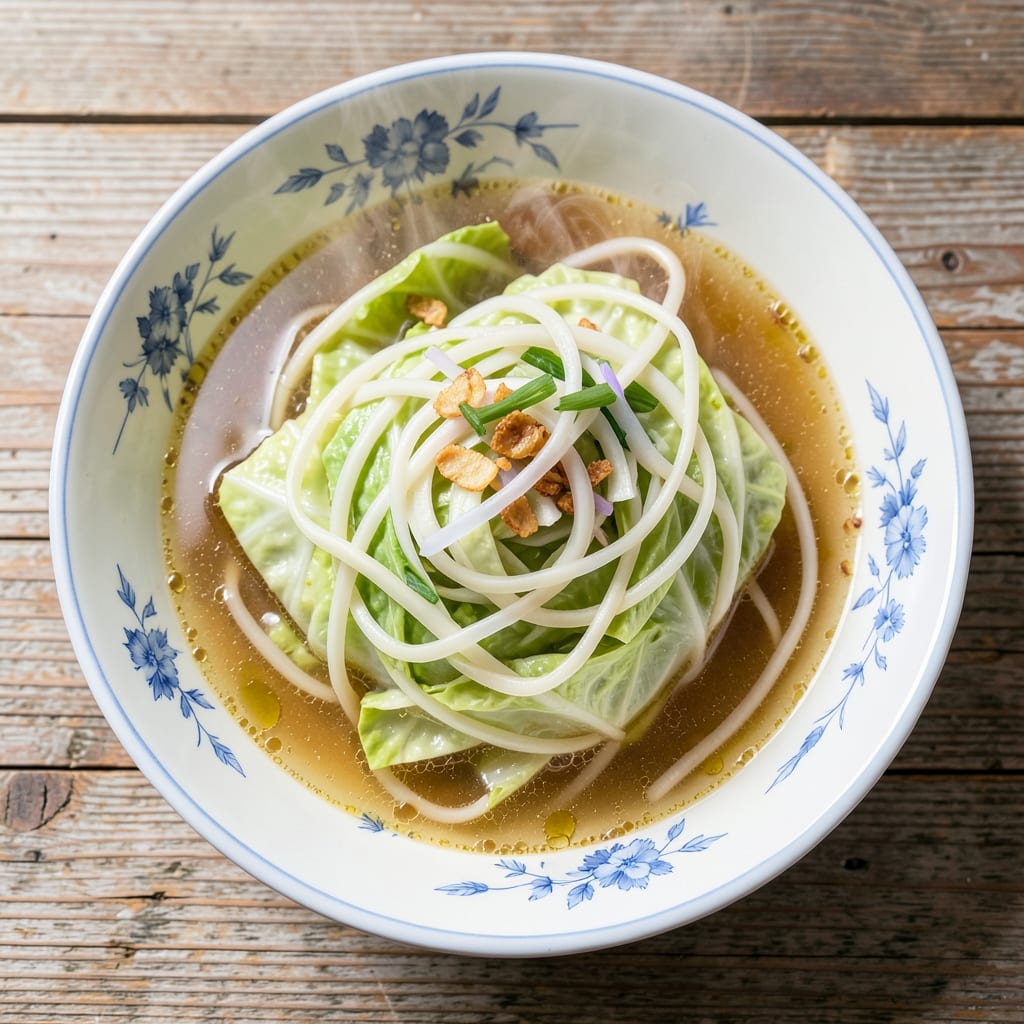
This cabbage egg drop soup recipe transforms simple ingredients into a comforting bowl of silky egg ribbons floating in light, savory broth. The secret lies in the delicate balance of thinly sliced cabbage and perfectly tempered eggs, creating a dish that's both elegant and deeply satisfying. I've refined this recipe over years of testing, ensuring each component—from the aromatic broth to the delicate egg ribbons—comes together harmoniously.
The foundation of great egg drop soup is a flavorful, clear broth that serves as the canvas for the other ingredients. We'll build this with a simple combination of chicken stock, ginger, and scallions, then incorporate the cabbage and eggs using precise techniques. The cabbage should remain crisp-tender, while the eggs transform into delicate, melt-in-your-mouth ribbons that coat your spoon with each bite.
What makes this recipe special is its versatility—you can keep it traditional with just cabbage and eggs, or enhance it with mushrooms, herbs, or even a touch of spice to suit your taste. The result is a soup that's light enough for lunch but hearty enough for dinner, with each component playing its part in perfect harmony. The broth remains crystal clear, the cabbage stays vibrant, and the egg ribbons dissolve beautifully.
This method ensures restaurant-quality results at home, with every element working together to create a bowl that's both comforting and sophisticated. Whether you're serving it as a light meal or a starter, this cabbage egg drop soup delivers on flavor and texture without requiring advanced techniques. Let's get started on creating this timeless classic.
Ingredients for cabbage egg drop soup
Simple ingredients that transform into a restaurant-worthy bowl of comfort.
| Ingredient | Amount | Notes |
|---|---|---|
| Green Cabbage 🥬 | 4 cups | Thinly sliced, core removed |
| Large Eggs 🥚 | 4 whole | Fresh, room temperature |
| Chicken Stock 🍲 | 4 cups | Homemade or quality store-bought |
| Fresh Ginger 🌿 | 1 tbsp | Finely grated, peeled |
| Scallions 🧅 | 3 whole | Thinly sliced, white and green parts |
| Sesame Oil 🫒 | 1 tsp | Toasted, for aroma |
| Low-Sodium Soy Sauce 🍶 | 1 tbsp | For umami depth |
| White Pepper 🌶️ | ¼ tsp | Freshly ground preferred |
| Cornstarch 🌾 | 1 tsp | Mixed with 1 tbsp cold water |
| Vegetable Oil 🫒 | 1 tbsp | For high-heat cooking |
| Salt 🧂 | 1 tsp | Adjust to taste |
| Shiitake Mushrooms 🍄 | 4 whole | Optional, sliced (🍄) |
| Dried Shiitake Mushrooms 🍄 | 2 whole | Rehydrated if fresh unavailable |
The cabbage is key—look for firm heads with crisp leaves, no yellowing. Whole Foods or Trader Joe's usually carry the freshest. Thinly slice it yourself (a mandoline makes this easy), and keep it in cold water until ready to use. For the eggs, room temperature is crucial—they'll blend better into ribbons. The chicken stock? Homemade if possible, but Swanson or Pacific Foods low-sodium versions work in a pinch. Just avoid the bouillon cubes—they're too salty and cloudy.
No fresh ginger? Powdered works at half the amount, but it lacks that bright zing. Scallions can be swapped for regular onions (use 1/4 the amount), but they add a milder, sweeter note. The soy sauce is non-negotiable for that savory depth—Kikkoman or Pearl River Bridge are reliable. For extra umami, add a dash of fish sauce (if not vegetarian) or a pinch of miso paste. The mushrooms? Only if you're feeling fancy—they add texture but aren't essential. If using dried, soak them in hot water for 20 minutes first.
This soup tastes even better the next day, so make extra. Store the broth separately if reheating—just warm it gently and stir in the cabbage and eggs at the end. Keeps 3-4 days in the fridge, or 2 months frozen. For a quick lunch, I often prep the broth and cabbage ahead, then cook the eggs fresh—just 2 minutes of stovetop time. The eggs are the star, so don't overcook them. They should dissolve like silk into the broth.
Why You'll Love This Recipe
- Pantry Staples Only: I swear by this recipe because it uses what I always have—cabbage, eggs, and stock. No fancy ingredients, no last-minute grocery runs. The ginger and scallions add just enough brightness to make it feel special, even when I’m too tired to cook.
- Silky Egg Magic: That first swirl of the egg into the simmering broth? Pure satisfaction. The cabbage keeps it hearty, but the eggs transform it—creamy ribbons that melt in your mouth. Honestly, it’s the kind of soup that makes me pause mid-sip and think, “Why don’t I make this more often?”
- Lunchbox Hero: Between us, this is my go-to for meal prep. I double the batch, let it cool, and portion it into jars—perfect for work lunches or lazy afternoons. The cabbage stays crisp, the broth stays rich, and everyone asks for seconds. (Yes, even my picky teenager.)
- Budget-Friendly Powerhouse: A whole head of cabbage and a carton of eggs stretch this recipe into multiple servings without breaking the bank. The chicken stock can be homemade or store-bought, and I’ve even used leftover roasted chicken to boost flavor. It’s the kind of dish that makes frugal eating feel generous.
Step-by-step instructions for cabbage egg drop soup
Here's how to make this comforting, restaurant-quality soup with tender cabbage and delicate egg ribbons.
🍳 Step 1: Prepare the Broth Base
Heat the 1 tablespoon vegetable oil in a large pot over medium-high heat. Add the 2 whole dried shiitake mushrooms (if using) and toast them for 1 minute until fragrant. Remove and set aside. In the same pot, add the 1 tablespoon fresh ginger and 3 whole scallions (white parts only), cooking for 30 seconds until aromatic.
Pour in the 4 cups chicken stock and bring to a gentle boil. Add the 1 teaspoon salt and 0.25 teaspoon white pepper, then reduce heat to medium-low. Let it simmer for 5 minutes to develop flavor. If using fresh shiitake mushrooms, add the 4 whole shiitake mushrooms now and cook for 3 more minutes until tender. Strain the broth if you prefer a smoother texture.
👨🍳 Step 2: Cook the Cabbage
Add the 4 cups green cabbage to the simmering broth. Stir gently to combine and cook for 4-5 minutes until the cabbage softens but still retains a slight crunch. You want it tender enough to eat but not mushy—it should hold its shape when you taste-test a piece.
Here's the thing—don't overcook the cabbage. It'll continue cooking slightly when you add the eggs later. If the broth starts to reduce too much, add ½ cup hot water to maintain the right consistency. The soup should be light and brothy, not thick and heavy.
🍳 Step 3: Create the Egg Ribbons
In a small bowl, whisk the 4 whole large eggs until fully combined. In a separate small bowl, mix the 1 teaspoon cornstarch with 1 tablespoon cold water to create a slurry. Keep both mixtures nearby.
Bring the soup back to a gentle simmer. Slowly drizzle the egg mixture into the broth while stirring continuously with chopsticks or a spoon. Here's where it gets fun—you'll see the eggs transform into delicate ribbons as they cook. Once the eggs are mostly set, add the cornstarch slurry and stir for 30 seconds to thicken the broth slightly.
🥘 Step 4: Finish and Serve
Remove the pot from heat and stir in the 1 tablespoon low-sodium soy sauce and 1 teaspoon sesame oil. Taste and adjust seasoning with more salt or pepper if needed. The soup should be balanced—slightly salty from the soy sauce, with a hint of peppery warmth.
Divide the soup among bowls and garnish with the reserved toasted dried shiitake mushrooms and the remaining scallions (green parts only). Serve immediately while the egg ribbons are still silky and the broth is hot. This soup tastes even better the next day as the flavors meld together, but the egg ribbons will be more delicate when fresh.
Pro Tips For Making Cabbage Egg Drop Soup
- SHRED CABBAGE SMALL: Tiny, even shreds cook faster and blend better into the broth—no one wants a mouthful of chewy cabbage. Use a sharp knife and cut into ¼-inch strips (or pulse briefly in a food processor if you’re impatient).
- SIMMER STOCK LOW: After adding cabbage, drop the heat to a gentle simmer—not a rolling boil. I learned this the hard way when my stock splattered everywhere, and the cabbage turned mushy instead of tender.
- SALT EGGS FIRST: Crack eggs into a bowl first, add a pinch of salt, and whisk vigorously. The salt keeps the whites from getting rubbery when they hit the hot broth (yes, even if you’re using salted stock).
- GINGER SLICE THIN: Peel and slice ginger paper-thin—no need to mince. It infuses flavor without overpowering, and you can fish out the slices later if you’re picky about texture. (I am, and this works.)
Pro cooking tips for this recipe
Broth Clarity Secrets
For that signature crystal-clear broth, use a fine-mesh strainer or cheesecloth to remove all solids after simmering. I like to strain the broth twice—once after toasting the mushrooms and scallions, then again after cooking the cabbage. If you prefer a slightly cloudier look, skip the second strain and just remove the cabbage before adding eggs. The key is gentle simmering—never let it boil vigorously, or the broth will turn murky.
Pro tip: Chill the broth overnight before using it fresh. The fat will solidify on top, making it easy to skim off for an ultra-clear result. I also add an ice cube to the pot just before straining—it helps set the particles so they filter out better. For extra brightness, add 1 tsp rice vinegar at the end—it cuts through any metallic taste from the stock.
Egg Ribbon Mastery
The temperature of your eggs and broth is everything. Whisk the eggs until completely smooth with no streaks, then let them sit at room temperature for 5 minutes before adding. The broth should be at a gentle simmer—not boiling—when you drizzle in the eggs. I use a small ladle to slowly pour the egg mixture in a thin stream while stirring constantly with chopsticks. This creates those signature silky ribbons instead of curdled chunks.
For even more dramatic ribbons, try this trick: After adding the eggs, immediately turn off the heat and let them sit for 10 seconds before stirring. The residual heat will create longer, more elegant strands. If your eggs cook too fast, reduce the heat to low before adding them. And never rush this step—patience is what separates home-cooked from restaurant-quality egg drop soup.
Cabbage Texture Control
Thin, even slices are non-negotiable for perfect cabbage. Use a mandoline set to 1mm thickness for consistent results. If you're slicing by hand, remove the outer leaves and core first, then cut the wedges in half before slicing. The cabbage should cook for exactly 4-5 minutes—any longer and it turns limp. I like to shock it in ice water for 30 seconds after slicing to maintain crispness while prepping.
For a slightly sweeter cabbage, add ½ tsp sugar to the broth when cooking. If you prefer extra crunch, reduce the cooking time to 3 minutes and add the cabbage back to the pot just before serving. The secret to keeping it vibrant? Don't overcrowd the pot—work in two batches if needed. And always taste-test a piece before adding the eggs—it should be just tender, not soft.
Flavor Layering
Build flavor in three stages for maximum depth. First, toast the dried shiitake mushrooms in the oil until fragrant—they add an earthy umami that carries through the broth. Next, bloom the ginger and scallions in the oil before adding liquid to release their volatile oils. Finally, finish with the sesame oil and soy sauce off the heat to preserve their delicate aromas. I also like to add a pinch of white pepper right before serving—it adds warmth without overpowering.
For a vegetarian boost, replace the chicken stock with mushroom or kombu broth and add 1 tsp miso paste when cooking the cabbage. If you want extra richness, stir in 1 tbsp coconut milk at the end—it adds a subtle creaminess without thickening the soup. The key is balancing each element so no single flavor dominates. Taste as you go, adjusting one component at a time.
Nutrition facts
Frequently asked questions
Why does my cabbage turn mushy in the soup?
Overcooking is the most common culprit. Cabbage should cook for just 4-5 minutes—any longer and it loses its texture. For extra crispness, shock freshly sliced cabbage in ice water for 30 seconds before adding to the broth. Also, avoid crowded pots—cook in batches if needed.
Can I make this soup vegetarian?
Replace the chicken stock with mushroom or kombu broth for depth. Add 1 tsp miso paste when cooking the cabbage for umami, and use tofu or mushrooms instead of eggs if you prefer no egg ribbons. The same technique works for all ingredients.
How do I get the egg ribbons to look like in restaurants?
Temperature control is key! Whisk eggs until completely smooth, then let them sit at room temperature for 5 minutes. Use a gentle simmer (not boiling) and drizzle eggs slowly while stirring constantly with chopsticks. For extra drama, turn off heat for 10 seconds after adding eggs before stirring.
Can I prepare this soup ahead of time?
Yes, but strategically. Store the broth separately (it tastes better the next day) and cook the cabbage fresh. Reheat broth gently, then add cabbage and eggs just before serving. The egg ribbons are best made fresh—they won't dissolve as beautifully when reheated.
What's the secret to a clear broth?
Strain twice! First after toasting aromatics, then again after cooking cabbage. For extra clarity, chill broth overnight—fat solidifies on top for easy removal. Add an ice cube before straining to help particles settle. Avoid vigorous boiling, which clouds the broth.