
Breakfast & Brunch
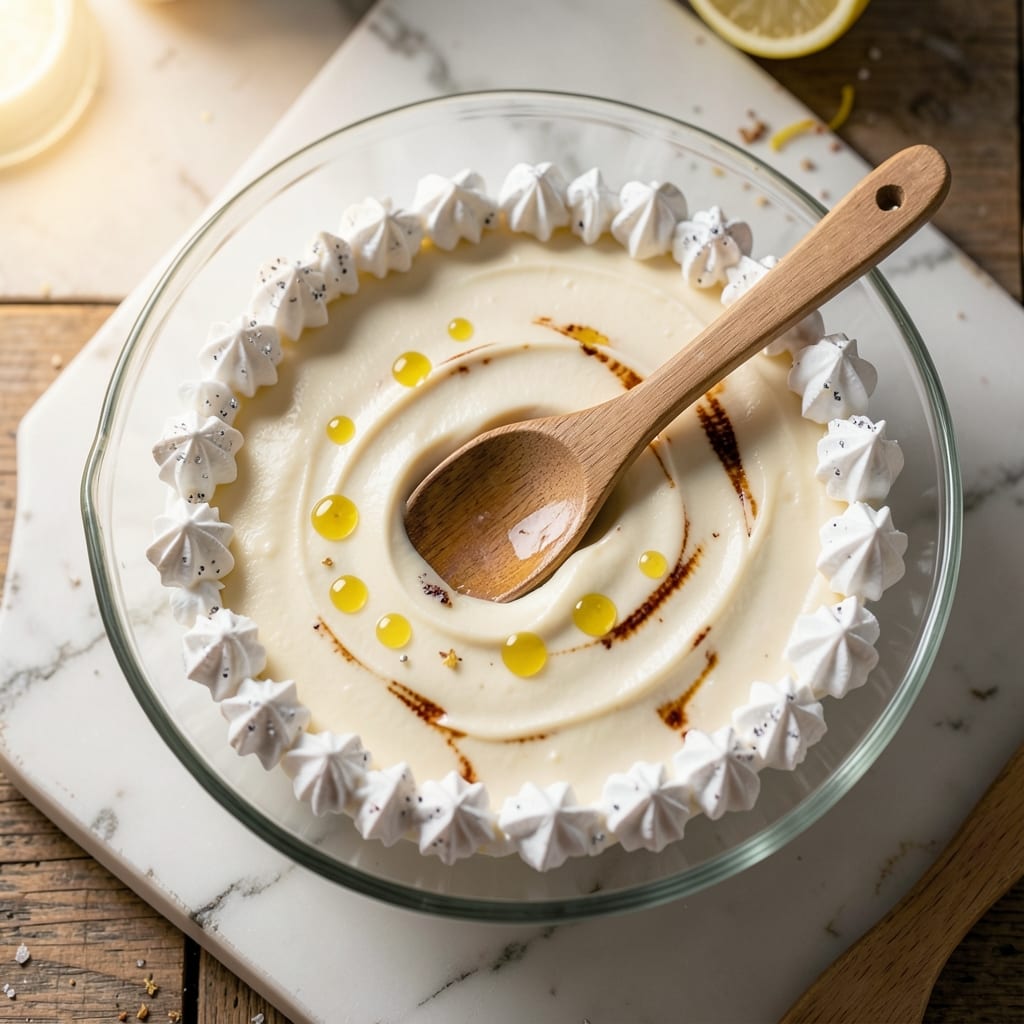
This buttercream icing recipe with egg white delivers the perfect balance of lightness and stability—ideal for cakes that need to stay fresh for days. The secret lies in properly whipped egg whites that create a silky texture while maintaining structure, even in warm climates. Unlike traditional buttercream, this version stays smooth and pipeable for up to a week when stored properly, making it a professional baker's favorite.
The technique combines classic American buttercream simplicity with the stability of egg whites, which act as a natural emulsifier. You'll whip room-temperature butter and powdered sugar to a smooth base, then fold in stiffly beaten egg whites for that signature airy quality. This method eliminates the need for corn syrup or gelatin, keeping the icing naturally vegetarian while ensuring it holds its shape on tiered cakes or intricate decorations.
What sets this recipe apart is its ability to resist melting or weeping, even in humid conditions—a common frustration with traditional buttercream. The egg whites create microscopic air pockets that distribute evenly, preventing separation. For Swiss-style variations, you can temper the egg whites with hot sugar syrup for an even lighter finish, though the American method here remains foolproof for home bakers.
Perfect for weddings, birthdays, or any celebration requiring long-lasting decorations, this buttercream maintains its color and texture for up to 7 days when refrigerated. The recipe scales easily for both small layer cakes and large sheet cakes, with adjustments for piping consistency. Let's get started on creating your showstopping icing.
Ingredients for buttercream icing with egg white
Nine precision ingredients for buttercream that defies humidity and stays flawless for days.
| Ingredient | Amount | Notes |
|---|---|---|
| Unsalted Butter 🧈 | 1 ½ cups | Room temperature, European-style preferred |
| Large Egg Whites 🥚 | 5 whole | Room temperature, pasteurized if preferred |
| Powdered Sugar 🍚 | 4 cups | Sifted for smooth texture |
| Vanilla Extract 🌿 | 1 tbsp | Pure Madagascar bourbon preferred |
| Fine Sea Salt 🧂 | ¼ tsp | Diamond Crystal preferred |
| Lemon Juice 🍋 | 1 tsp | Freshly squeezed for brightness |
| Heavy Cream 🥛 | ¼ cup | Optional for extra stability |
| Food Gelatin 🍬 | ½ tsp | Bloomed in 2 tbsp cold water |
| Corn Syrup 🍯 | 1 tbsp | Light corn syrup preferred |
The butter quality is non-negotiable here. European-style unsalted butter with at least 82% fat content creates the most stable emulsion—Plugrá or President brands excel. For the egg whites, pasteurized options eliminate salmonella risk while maintaining structure. Purchase powdered sugar from Bob's Red Mill or Domino for consistent sifting performance. The vanilla extract should be pure Madagascar bourbon—McCormick or Nielsen-Massey deliver superior depth. Store butter in the freezer to maintain freshness, and keep powdered sugar in an airtight container to prevent clumping.
No European butter? Land O'Lakes unsalted works in a pinch, though texture may be slightly less refined. For a gelatin-free version, replace with 1 tbsp agar powder bloomed in 3 tbsp water. The heavy cream can be omitted entirely if you prefer a lighter texture, though it does improve stability in warm climates. Fresh lemon juice is critical—bottled won't cut it. The corn syrup acts as a humectant, preventing sugar crystallization; Karo brand is the industry standard. For color variations, use gel food coloring sparingly—add it to the powdered sugar before whipping to ensure even distribution.
This buttercream maintains peak performance for 7 days refrigerated or 3 months frozen when properly sealed. For freezing, portion into airtight containers with parchment between layers to prevent discoloration. Re-whip before use if frozen. The gelatin or agar should be bloomed 10 minutes minimum before incorporation to maximize thickening power. For professional results, chill all mixing bowls and beaters between stages to maintain proper temperature control. The final consistency should resemble thick pudding—pipeable but not runny—ideal for both borders and intricate rosettes.
Why You'll Love This Recipe
- No Whisk Required: I swear by this method—just beat the egg whites until stiff peaks form, then fold in softened butter and sugar. No straining, no extra bowls, just pure, silky buttercream in minutes. (Yes, even if you’re the kind of baker who once cried over melted chocolate.)
- Vanilla Kiss: That pinch of salt cuts through the sweetness while the vanilla extract—real, not imitation—adds depth you’d never guess from the ingredients. It’s the kind of flavor that makes people pause mid-bite and ask, “What’s in this?”
- Cake or Cupcake: This recipe scales like a dream. Too much for one cake? Pipe it into cupcakes or swirl it into cookies. Too little? Whip up a batch of macarons or frost a sheet cake. It’s my go-to for birthdays, potlucks, or just because I’m feeling fancy.
- Budget-Friendly Luxury: Egg whites are cheap, butter’s a pantry staple, and powdered sugar lasts forever. I’ve made gallons of this for events, stored it in the fridge for weeks, and it never lost its shine. No fancy ingredients, just reliable, delicious results.
Step-by-step instructions for buttercream icing with egg white
Master this technique for a buttercream that stays light, stable, and pipeable for days.
Prepare the Egg White Mixture
In a clean, grease-free bowl, combine the 5 whole large egg whites with 1 tablespoon corn syrup and 1 teaspoon lemon juice. Whisk vigorously until completely homogeneous—this prevents graininess in the final icing. Place the bowl over a double boiler (or a heatproof bowl set over simmering water) and heat gently, whisking constantly, until the mixture reaches 160°F.
You'll notice the mixture thicken dramatically as it heats. Remove from heat immediately once it reaches 160°F—this is critical for proper stabilization. Let it cool to room temperature while you prepare the butter mixture. The egg whites should now resemble a thick, glossy syrup.
Whip Butter and Sugar to Peak Texture
In a stand mixer fitted with the paddle attachment, beat the 1.5 cups unsalted butter on medium speed until completely smooth and free of lumps—about 2-3 minutes. Gradually add the 4 cups powdered sugar while mixing on low speed, then increase to medium-high and whip for 5 minutes until light and fluffy. Add the 1 tablespoon vanilla extract and ¼ teaspoon fine sea salt during the last minute of mixing.
This step is where the magic happens—the butter should nearly double in volume and become pale yellow. Scrape down the sides of the bowl occasionally to ensure even incorporation. The mixture should be thick but still pipeable; if it's too stiff, add 1 tablespoon water at a time until it reaches a smooth, spreadable consistency.
Stabilize with Gelatin and Incorporate Egg Whites
Bloom the ½ teaspoon food gelatin in 2 tablespoons cold water for 5 minutes until it forms a gel. Add the bloomed gelatin to the butter mixture and whip for 1 minute to fully incorporate. If using, add the ¼ cup heavy cream now and whip for another 30 seconds—this adds extra stability and a silky texture.
With the mixer running on low speed, slowly pour in the cooled egg white mixture through a fine-mesh strainer to prevent any lumps. Increase speed to medium-high and whip for 3-4 minutes until the icing is light, fluffy, and holds its shape when piped. The final texture should be thick enough to hold peaks but still smooth enough to spread or pipe effortlessly.
Achieve Perfect Consistency and Storage
Test the icing by piping a small rosette onto parchment paper. If it collapses or spreads too much, whip in 1 additional tablespoon powdered sugar at a time until it holds its shape. For a glossy finish, add ½ teaspoon lemon juice and whip for 30 seconds. Transfer to an airtight container and refrigerate for up to 1 week or freeze for up to 3 months—it will thicken slightly when cold, so re-whip briefly before use.
This buttercream maintains its structure for cake decorating, piping borders, or filling layers without weeping or becoming grainy. The egg white and gelatin combination creates a stable yet light texture that rivals commercial icings while delivering superior flavor and versatility.
Pro Tips For Making Buttercream Icing With Egg White
- Whip Egg Whites Cold: Take those egg whites straight from the fridge—room temperature is overrated here. Cold whites whip faster and hold their volume better, especially when you’re mixing them into buttercream later. I learned this the hard way after a batch of egg whites turned into sad, flat glue.
- Soften Butter Properly: Unsalted butter straight from the fridge is a no-go—it’ll leave lumps in your icing. Instead, cut it into small cubes and let them sit at room temp for 20-30 minutes until they’re soft but not greasy. Press a cube; if it leaves a slight indent, you’re good. No guessing.
- Salt Before Mixing: Add that fine sea salt before folding the egg whites into the butter-sugar mix. It dissolves better and balances the sweetness more evenly. I used to sprinkle it after and ended up with clumpy, uneven flavor—like finding a grain of salt in every bite.
- Use a Stand Mixer: Hand-whisking buttercream with egg whites is a workout you don’t need. A stand mixer on medium-high (not high—you’ll overheat the whites) does the job in half the time without deflating your icing. Yes, even if you’re impatient like me, this is the thing that matters most.
Serving suggestions for buttercream icing with egg white
Pipeable Decorations
This buttercream's light yet stable texture makes it perfect for intricate piping. Use a Wilton 1M tip for delicate rosettes or a star tip for classic borders. For tiered cakes, pipe a crusting layer first to prevent filling from seeping through. I always chill my piping bags in the freezer for 10 minutes before filling to maintain shape—this prevents collapse in warm kitchens. 🎂
Layer Filling
Spread between cake layers for a luscious filling that holds its shape. For extra stability, brush layers with simple syrup before adding icing. This buttercream pairs beautifully with vanilla bean cake or chocolate cake—the egg whites add a subtle brightness that cuts through rich flavors. I recommend using a bench scraper for even distribution between layers. 🍰
Cupcake Topping
Pipe swirls directly onto cupcakes for a restaurant-quality finish. Add sprinkles immediately after piping while the surface is still soft. For a glossy sheen, dust with powdered sugar through a fine-mesh sieve. This icing stays put on cupcakes for 24 hours without melting, even in humid climates. 🧁
Cake Board Designs
Create stunning cake boards with this buttercream's smooth consistency. Use a large star tip to pipe geometric patterns or a leaf tip for organic designs. For extra flair, add edible gold leaf or colored sugar pearls while the icing is still wet. I love outlining cake edges first to create a clean, professional finish. ✨
Fondant Alternative
This buttercream works as a fondant substitute for simpler designs. Roll it out between parchment paper to ¼-inch thickness for covering small cakes. The egg whites prevent cracking that often plagues traditional fondant. For a marbled effect, swirl different-colored batches together before spreading. 🎨
Storage-Friendly Garnishes
Make ahead garnishes like piping tips or decorative borders and store them in an airtight container. The icing's stability means they'll hold their shape even after refrigeration. I keep pre-piped decorations in the freezer for up to 2 weeks—just thaw at room temperature before using. Perfect for last-minute celebrations! ⏰
Nutrition facts
Frequently asked questions
Why does this buttercream use egg whites instead of whole eggs?
Egg whites create a lighter, more stable texture without adding richness from yolks. The proteins in whites whip to stiff peaks, trapping air for that signature fluffiness while the gelatin and corn syrup prevent weeping or melting. This makes it perfect for humid climates or warm rooms where traditional buttercream might collapse.
Can I make this buttercream without gelatin?
Yes! Replace the ½ teaspoon gelatin with 1 teaspoon agar powder bloomed in 3 tablespoons water for a vegetarian alternative. For vegan versions, use 1 tablespoon powdered pectin mixed with 1 tablespoon water. The texture will be slightly firmer but still pipeable.
How do I fix buttercream that's too runny?
Add 1 tablespoon powdered sugar at a time while whipping until it reaches a thick, pipeable consistency. If it's still too soft, chill the bowl for 10 minutes before re-whipping. For immediate fixes, sprinkle ½ teaspoon cornstarch over the surface and whip vigorously to absorb excess moisture.
Will this buttercream work for wedding cakes?
This recipe is designed for professional-level stability. For tiered cakes, pipe a crusting layer first to prevent filling from seeping. Store unused portions in an airtight container with parchment between layers to maintain moisture and texture for up to 7 days refrigerated. The egg white base prevents cracking even in humid conditions.
Can I color this buttercream with food dye?
Yes, but add dye to the powdered sugar before whipping to ensure even distribution. For pastel shades, use gel food coloring (½ teaspoon per color). Avoid liquid dyes—they can thin the icing. For metallic effects, mix edible luster dust into the final whipped batch.